

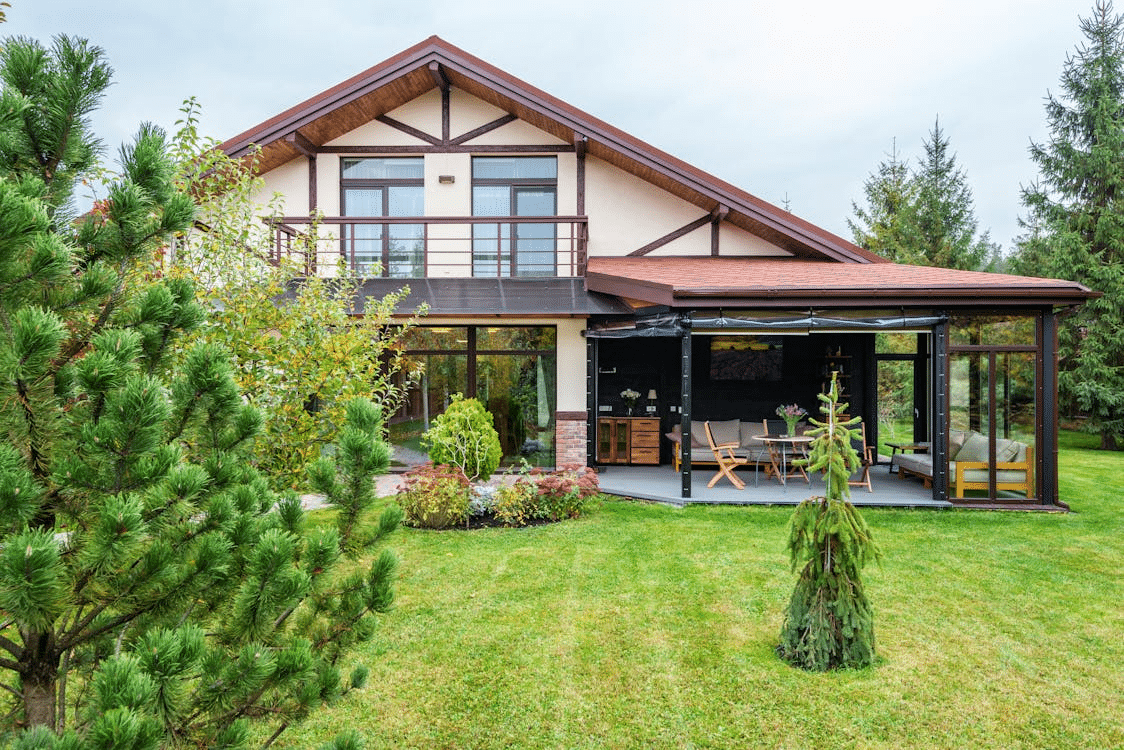
Your backyard should do more than look nice. It should help you cook, relax, host friends, and give kids space to move. When beauty and function work together, the whole space feels natural to use and simple to maintain.
The good news is you can get there with a few smart choices. Focus on durable surfaces, water-wise plants, and lighting that keeps everyone safe.
Start With A Purposeful Layout
Begin by listing what you want to do outside. Cooking, dining, reading, and play all need their own zones, even in a small yard. Map the paths people will take from the door to the table, the grill, and the garden so those routes feel open and clear.
Next, size each zone to fit real life. A dining area should hold your usual number of seats with room to pull out chairs. Leave space for doors to swing, and for storage you will actually use.
Finally, connect the zones with simple lines. Curves look nice, but straight paths are easier to build and maintain. Keep grass as a connector where it makes sense, or use pavers to make a clean, mud-free walkway.
Build Surfaces That Work Year-Round
Hardworking floors make the outdoors feel like an extra room. Pavers, composite decking, and concrete each offer different looks and upkeep levels. Pick a surface that handles rain, snow, and foot traffic without turning slick or stained.
If you plan to add a deck or refresh an old one, think about railing, steps, and built-in seating. A mid-height bench can double as a boundary for planters. You can design a corner for a grill or pizza oven so heat stays away from traffic lines.
Now’s the time to line up permits and lock in your budget. The big decision is whether to take the DIY route or hire a SpaceStars deck builder or similar professionals. What makes sense depends on the tools you have, your experience, and how much time you can realistically commit. One market report points out that spending on outdoor structures continues to climb, suggesting that a well-planned deck or patio surface can hold its value over the long run.
Plant Smart For Beauty And Low Upkeep
Choose plants for your climate and the care you can give. Native and climate-adapted picks bring color while cutting water and pruning. Group plants by their needs so irrigation can be simple and targeted.
Think in layers to make beds look full and intentional. Low groundcovers along the edge, midsize shrubs behind, and a few taller accents create depth. Repeat colors or textures in a few spots so the yard feels unified, not busy.
Designers have been talking about lower-input landscapes that still feel lush. One garden magazine highlighted a shift toward planting plants that use fewer resources while leaning into warm, natural finishes.
Layer Lighting For Safety And Mood
Plan lighting in three parts. Path lights guide feet, task lights help with cooking or stairs, and ambient lights make spaces feel calm. Aim fixtures down to reduce glare and keep the stars visible.
Solar stakes are quick, but low-voltage lines offer more reliable brightness. Put key zones on separate switches or smart plugs so you can control them without lighting the whole yard. Timers help your paths glow at dusk and switch off before bed.
Keep cables tidy and fixtures shielded. Good lighting is not just about looks – it is about safety and compliance. Using efficient bulbs and smart controls saves energy while keeping walkways and steps clear after dark.
Make Water And Weather Work For You
Plan drainage before you place a single paver. Direct roof and patio runoff to a rain garden, a dry well, or a lawn area that can soak it up. This reduces erosion, protects your foundation, and keeps paths from puddling.
Design irrigation to match plant zones. Drip lines deliver slow, steady moisture right to roots, which saves water and limits weeds. Add a simple timer so beds get what they need, whether you are home or away.
If you want color with very little water, pick proven drought-tolerant species. One university water report found that Mexican bush sage can use about 0.09 gallons of water per day in test conditions.
Add Storage And Screens That Disappear
Clutter is the enemy of a relaxing yard. Tuck cushions in a deck box, hang tools on a wall rack, and slide bins beneath a bench. If items have a home, cleanups take minutes, not hours.
Use screens to hide utilities and frame views. A slim fence panel or trellis can mask trash bins, pool equipment, or AC units. Clad it in the same material as your deck or pavers so it blends in.
Choose pieces that multitask. A planter can act like a low wall, and a pergola beam can hold lights or a shade sail. When each element does two jobs, your yard feels bigger without adding square footage.
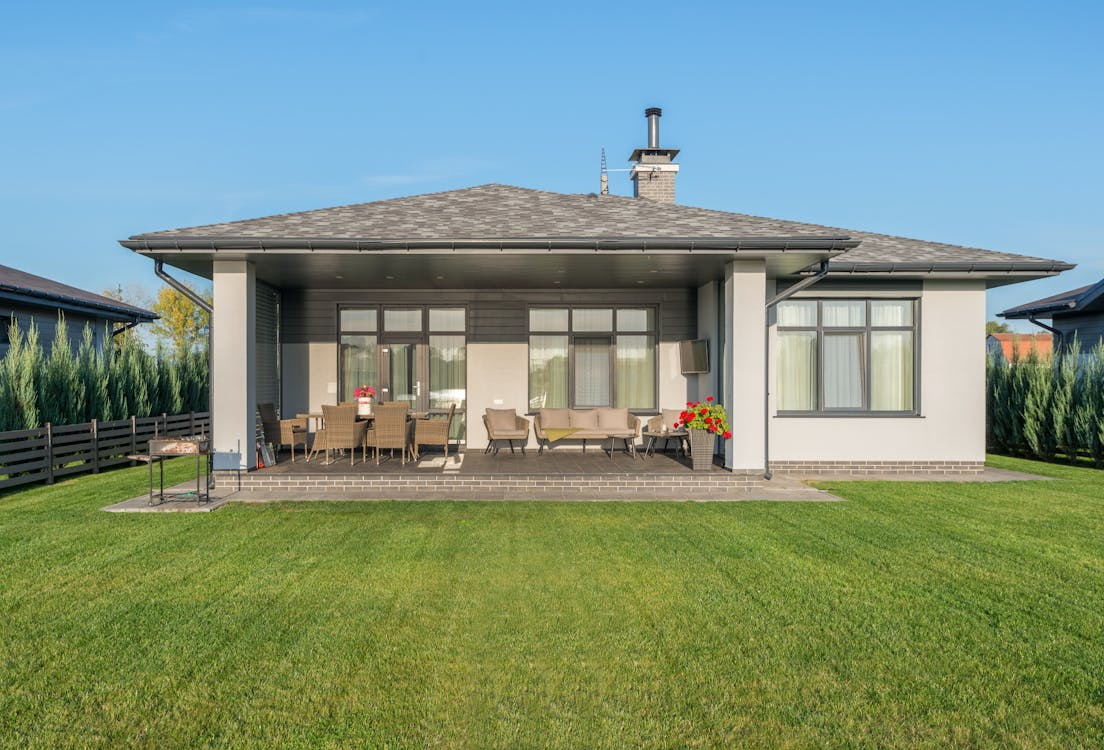
Creating a backyard that looks great and works hard does not require a full rebuild. Start with a layout that mirrors your daily life, then pick surfaces and plants that can handle the weather. Small choices add up fast when they make the space easier to use.
As you build, keep maintenance in mind. Choose materials you can care for, water plants efficiently, and light paths for safety. When you balance function with style, your backyard becomes the place everyone wants to be.