

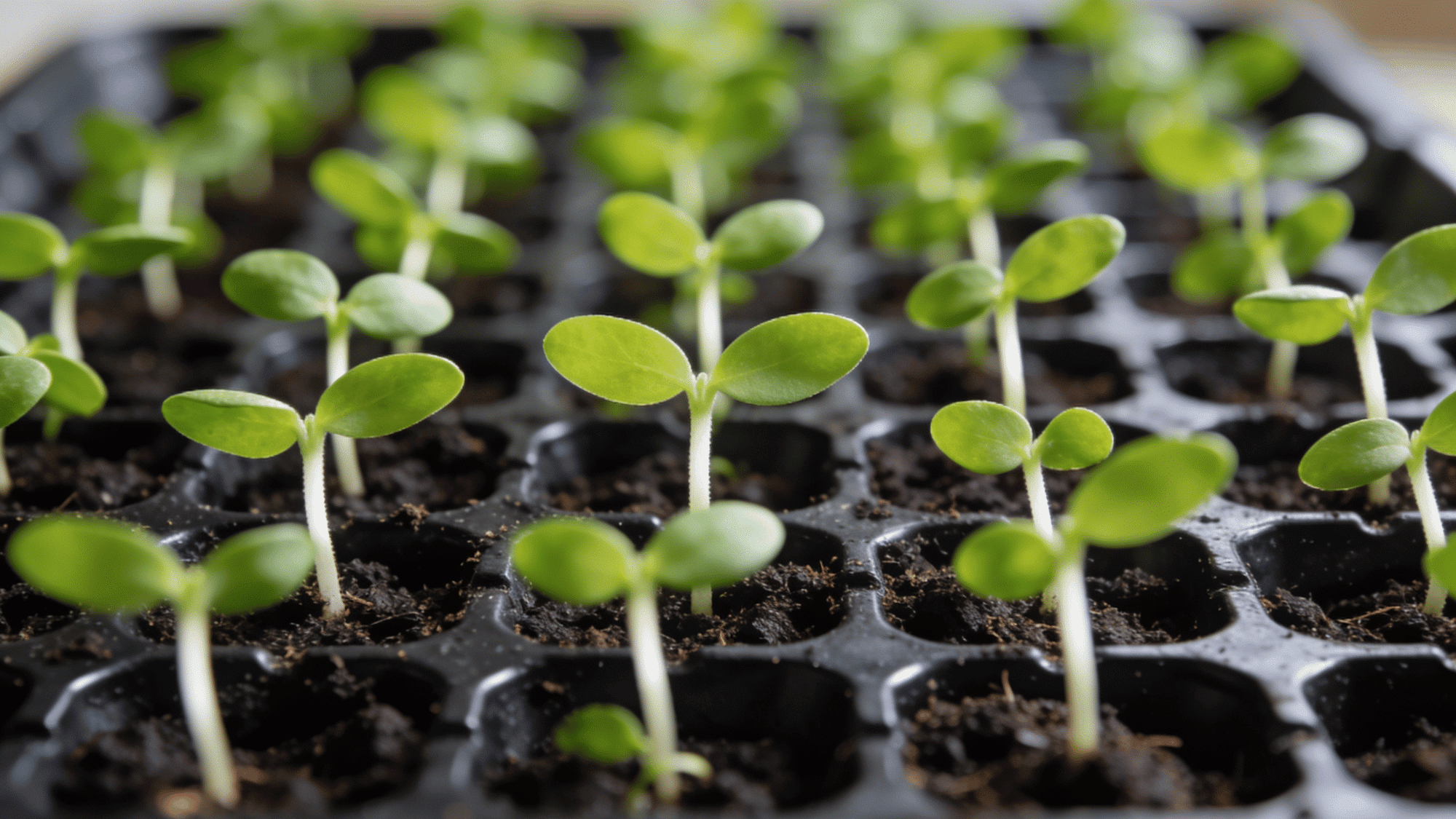
Seedlings look healthy and strong indoors, but moving them outside too quickly can spell disaster.
Tender plants get shocked by sudden temperature changes, wind, and direct sunlight. Leaves turn brown, stems weaken, and sometimes the whole plant dies. It’s heartbreaking after weeks of careful nurturing.
The solution is hardening off. This simple process gradually acclimates seedlings to outdoor conditions, giving them time to toughen up.
It changes fragile indoor plants into sturdy garden warriors ready to handle whatever nature throws their way. The best part is that anyone can do it with just a little planning and patience.
What Does Hardening Off Seedlings Mean?
Hardening off is the process of slowly introducing indoor seedlings to outdoor conditions. Think of it as boot camp for baby plants.
Seedlings started indoors live in a controlled environment with consistent temperatures, no wind, and filtered light through windows. The outdoors is a whole different world.
Moving plants directly from cozy indoor conditions to the garden causes shock. Their delicate leaves aren’t ready for strong sun, their stems can’t handle wind, and sudden temperature drops stress them out.
Hardening off gradually builds their defenses.
Over the course of a week or two, seedlings spend more and more time outside. This exposure strengthens cell walls, thickens leaves, and prepares them for permanent outdoor life.
When Should You Start Hardening Off Seedlings?
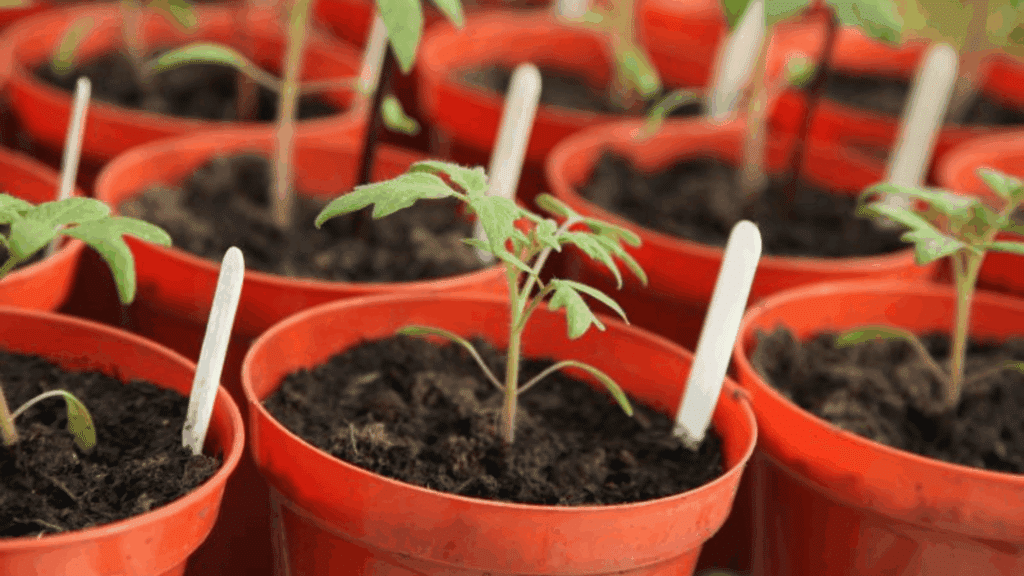
Timing matters when it comes to hardening off seedlings.
Start the process about 7 to 10 days before the planned transplant date. This gives plants enough time to adjust without keeping them in containers too long.
Check the last expected frost date for the area first. Most seedlings need to wait until all danger of frost has passed before going into the ground permanently.
Weather plays a big role, too. Pick a stretch of mild days to begin the process.
Avoid starting during heat waves, cold snaps, or severe storms. Calm, cloudy days work best for those first outdoor sessions.
Easier Alternatives to Traditional Hardening Off
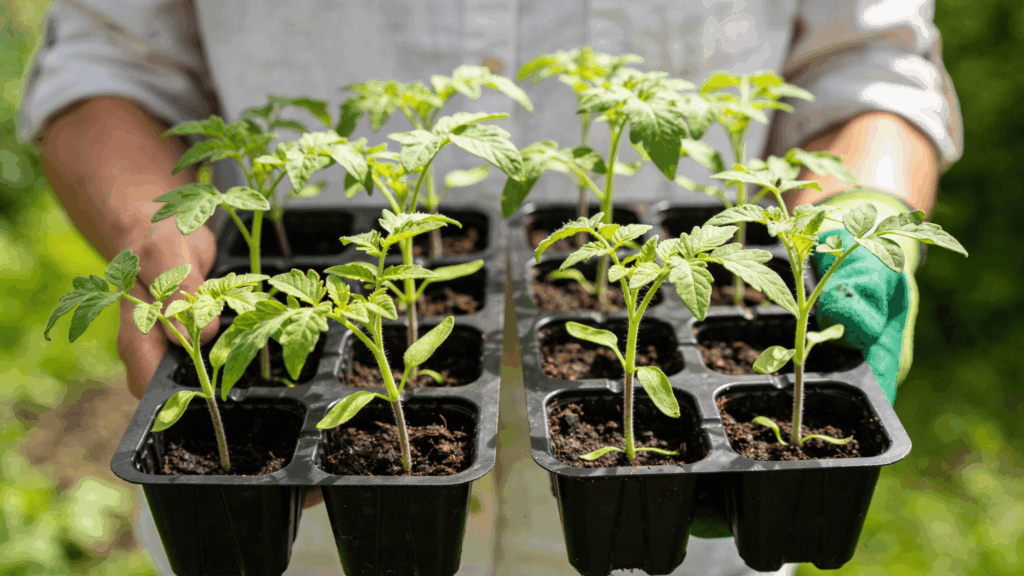
These easy alternatives make hardening off seedlings simple, reducing daily effort while still protecting young plants from outdoor shock.
1. The “Lazy Gardener” 3-Day Hardening Method
This condensed method is perfect for busy gardeners who want faster results. It works best for hardy seedlings like lettuce, kale, and brassicas that adjust quickly with minimal transition time.
- Day 1: Place seedlings outside in full shade for 2–3 hours
- Day 2: Move them into gentle morning sun for 3–4 hours
- Day 3: Increase sun exposure and light wind gradually
- Water seedlings well after each outdoor session
- Transplant after the third day if conditions stay mild
2. Using a Covered Porch or Patio as a Natural Transition Zone
A porch or patio offers the perfect middle ground between indoors and outdoors. This method prevents constant tray moving while giving seedlings gradual exposure to sunlight, wind, and temperature changes.
- Set seedlings in a shaded corner of the porch
- Keep them protected from direct afternoon sun
- Leave them outside longer each day
- Bring them in only if the nights drop too cold
- Transplant once seedlings stay firm and upright
3. Hardening Off Seedlings in a Cold Frame (Set It and Forget It)
Cold frames create a sheltered outdoor space that slowly introduces seedlings to real conditions. This low-maintenance method is ideal for early spring gardeners dealing with chilly nights.
- Place trays inside the cold frame during the day
- Open the lid slightly for airflow on mild days
- Close it at night to trap warmth
- Increase ventilation over several days
- Transplant when seedlings tolerate full-day exposure
4. The Shade Cloth Shortcut for Sensitive Seedlings
Shade cloth is a quick solution for preventing sunburn in tender plants like tomatoes and peppers. It filters harsh sunlight while seedlings adjust without stress or leaf scorching.
- Install shade cloth over seedlings outdoors
- Start with 50–70% shade coverage
- Leave seedlings outside for longer periods daily
- Reduce shade gradually over a week
- Remove the cloth once the plants handle direct sunlight
5. Hardening Off Seedlings with Row Covers Instead of Moving Them Daily
Row covers allow seedlings to stay in place while being protected from wind, cold snaps, and strong sun. This method works especially well in raised beds and open gardens.
- Place seedlings outdoors in their trays or beds
- Cover them loosely with breathable row fabric
- Secure edges to block wind gusts
- Open covers during warm afternoons
- Remove completely after the seedlings toughen up
Best Seedlings for Quick Hardening Off vs Slow Adjusters
Some seedlings adapt to outdoor conditions faster than others. Knowing which plants need extra time helps plan the hardening off schedule better.
| Plant Type | Hardening Off Speed | Days Needed | Notes |
|---|---|---|---|
| Tomatoes | Slow | 10-14 days | Sensitive to cold and wind; need gradual exposure |
| Peppers | Slow | 10-14 days | Very cold-sensitive; wait for warm weather |
| Lettuce | Quick | 5-7 days | Cold-hardy; handles temperature changes well |
| Kale | Quick | 5-7 days | Tough and frost-tolerant; adapts easily |
| Broccoli | Quick | 5-7 days | Cool-season crop; adjusts fast to outdoor temps |
| Cucumbers | Slow | 10-12 days | Tender; susceptible to wind and cold damage |
| Squash | Slow | 10-12 days | Large leaves bruise easily; needs careful transition |
| Herbs (Basil) | Slow | 10-14 days | Very tender; requires warm conditions |
| Herbs (Parsley) | Quick | 5-7 days | Hardy herb; tolerates cool temperatures |
Conclusion
Hardening off might seem like extra work, but skipping it costs more in the long run. Dead seedlings mean wasted time, effort, and money spent on seeds and supplies.
Taking just a week or two to properly acclimate plants sets them up for success all season long.
The process doesn’t require special equipment or advanced skills. A shaded spot, a watchful eye, and gradual exposure are all it takes.
Start the hardening off process early, stay consistent with daily sessions, and those seedlings will thrive once they hit the garden bed.