

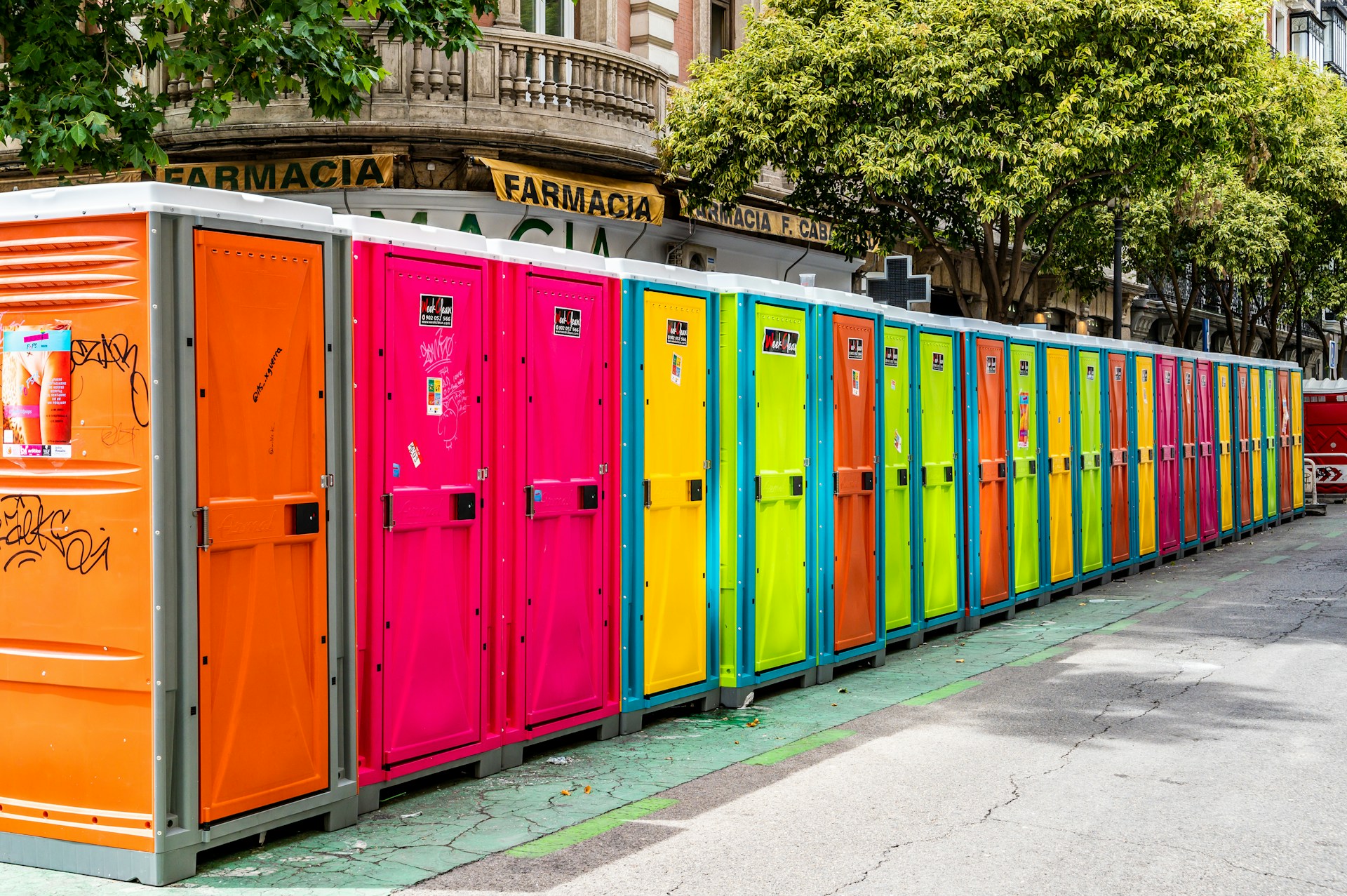
Portable toilets are a routine part of construction projects, outdoor events, and temporary work environments. Yet many contractors and event planners approach rentals with limited understanding of how service structures, regulatory requirements, and usage variables influence the overall experience.
Renting portable sanitation is not simply about placing units onsite. It involves coordination, compliance, servicing schedules, and practical logistics that shape both worker productivity and guest experience. Knowing what to expect before units are delivered prevents misalignment and helps projects or events run smoothly.
Determining the Right Quantity
The first step in renting portable toilets is determining how many units are needed. This depends on several variables:
- Number of workers or attendees
- Duration of the project or event
- Access to existing restroom facilities
- Local regulatory requirements
Construction sites typically follow workforce-based ratios, while events must account for peak attendance and dwell time. Alcohol service at events increases restroom demand. Multi-day projects or festivals require more frequent servicing and potentially additional units.
Underestimating quantity is one of the most common mistakes and often results in long lines, unsanitary conditions, or productivity slowdowns.
Understanding Delivery Logistics
Delivery is not as simple as dropping off a unit wherever space appears available. Providers require adequate truck access and stable ground conditions. Contractors and planners should consider:
- Clearance for delivery vehicles
- Level surfaces to prevent tipping
- Distance from active work zones or vendor areas
- Proximity to pedestrian traffic
Poor placement can create congestion, restrict equipment access, or interfere with crowd flow. Planning delivery zones ahead of time minimizes repositioning and disruption.
Regulatory and Compliance Considerations
Portable sanitation is regulated differently depending on jurisdiction and context. Construction sites may fall under occupational safety standards, while events may be subject to municipal or health department rules.
Regulatory expectations often include:
- Minimum unit-to-user ratios
- Required handwashing stations
- ADA-accessible units
- Servicing frequency
Failing to meet local guidelines can result in inspection violations or event permit complications. Contractors and planners should confirm requirements early in the planning process.
Servicing Schedules and Maintenance
Portable toilets require regular servicing to remain sanitary and functional. Standard rentals typically include scheduled maintenance based on anticipated usage levels.
Servicing involves:
- Waste tank pumping
- Restocking of toilet paper and hand sanitizer
- Cleaning and sanitizing surfaces
High-usage environments may require more frequent servicing than baseline schedules provide. Adjusting service frequency proactively maintains hygiene standards and prevents complaints or productivity interruptions.
Duration and Rental Terms
Most rentals operate on defined timeframes. Construction projects may require weekly or monthly arrangements, while events often need short-term or weekend service.
Understanding rental terms helps avoid surprises such as:
- Additional charges for extended duration
- Early pickup coordination
- Adjustments for changing workforce or attendance
Aligning rental duration with realistic timelines improves cost predictability and reduces administrative friction.
Accessibility and ADA Requirements
Both construction projects and public events must consider accessibility. ADA-compliant units provide larger interior space and accessibility features designed to accommodate mobility devices.
Placement of accessible units should ensure clear pathways and stable ground. These units should not be isolated or placed in difficult-to-reach areas.
Accessibility planning is not optional and must be integrated into overall layout decisions.
Weather and Environmental Factors
Weather conditions influence placement and usage. Heavy rain can destabilize soft ground. High temperatures may increase odor concerns. Wind exposure requires secure positioning.
Event planners should evaluate:
- Ground stability
- Drainage
- Shade considerations
- Lighting for evening use
Construction managers must also consider how equipment movement and debris affect sanitation areas.
Proactive environmental planning prevents service interruptions.
Specialty Units and Upgrades
Not all portable toilets are identical. Depending on the context, additional options may include:
- Handwashing stations
- Restroom trailers
- High-capacity units for large crowds
- Containment trays for sensitive surfaces
Event settings often prioritize presentation and guest comfort, while construction sites prioritize durability and frequency of service.
Understanding available options ensures the rental aligns with the project’s operational goals.
Documentation and Coordination
Portable sanitation rentals require coordination between planners, site supervisors, and service providers. Clear communication about:
- Delivery dates
- Placement maps
- Servicing frequency
- Access restrictions
reduces confusion once units are onsite.
Industry discussions frequently reference providers such as portable toilets when evaluating structured sanitation planning for construction projects and public events that require reliable coordination.
Reliable communication supports smooth operations.
Common Misunderstandings
First-time renters often assume portable toilets require little oversight once delivered. In reality, sanitation is an active component of jobsite or event management.
Common misunderstandings include:
- Underestimating usage volume
- Ignoring servicing schedules
- Placing units without considering access
- Overlooking accessibility requirements
Addressing these factors early prevents mid-project adjustments.
Integration Into Overall Planning
Portable sanitation should be included in site planning discussions, not added after layouts are finalized. For construction sites, restroom placement affects crew efficiency and safety. For events, placement influences crowd movement and guest experience.
Integrating sanitation planning alongside material staging, vendor layout, and traffic control ensures cohesive site management.
Renting portable toilets involves more coordination and planning than many contractors and event planners initially expect. Quantity determination, regulatory compliance, servicing schedules, accessibility, and placement logistics all influence how effectively units support a project or event.
By understanding these operational realities, renters can align expectations with service structures and avoid preventable disruptions. When planned thoughtfully, portable sanitation becomes a dependable infrastructure component that supports productivity and guest comfort rather than an afterthought requiring corrective action.