

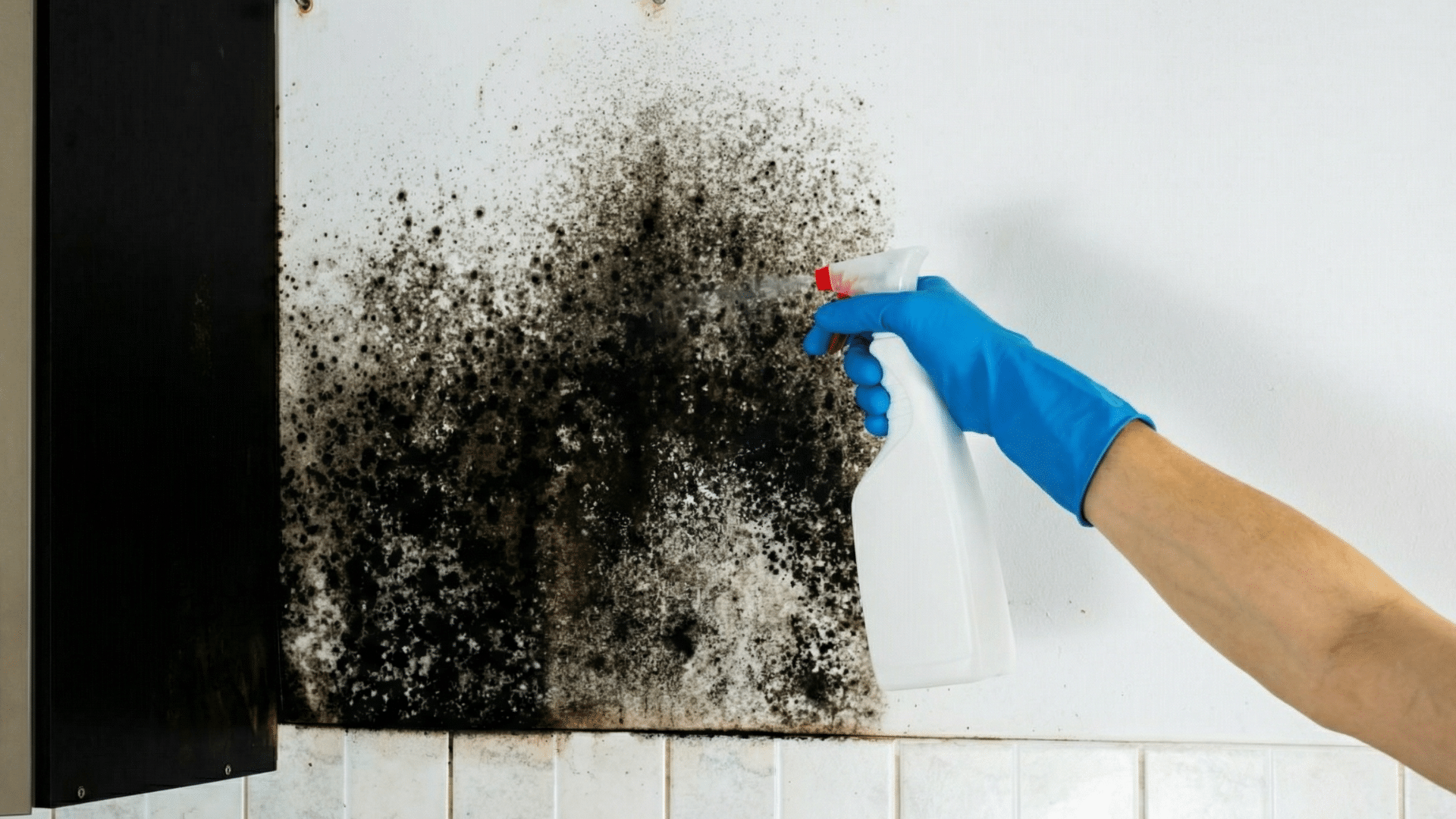
Mold and mildew are both fungi that grow in damp indoor spaces, but they are not the same.
Many homeowners confuse them because they can appear in similar areas, such as bathroom walls, window sills, or basement corners.
However, they differ in appearance, texture, growth pattern, and potential impact on surfaces.
Misidentifying one for the other can lead to using the wrong cleaning method or ignoring a larger issue.
A clear understanding of mold vs mildew helps people recognize what they are dealing with and respond appropriately. This article explains the basic differences between them in a direct and practical way.
What is Mold?
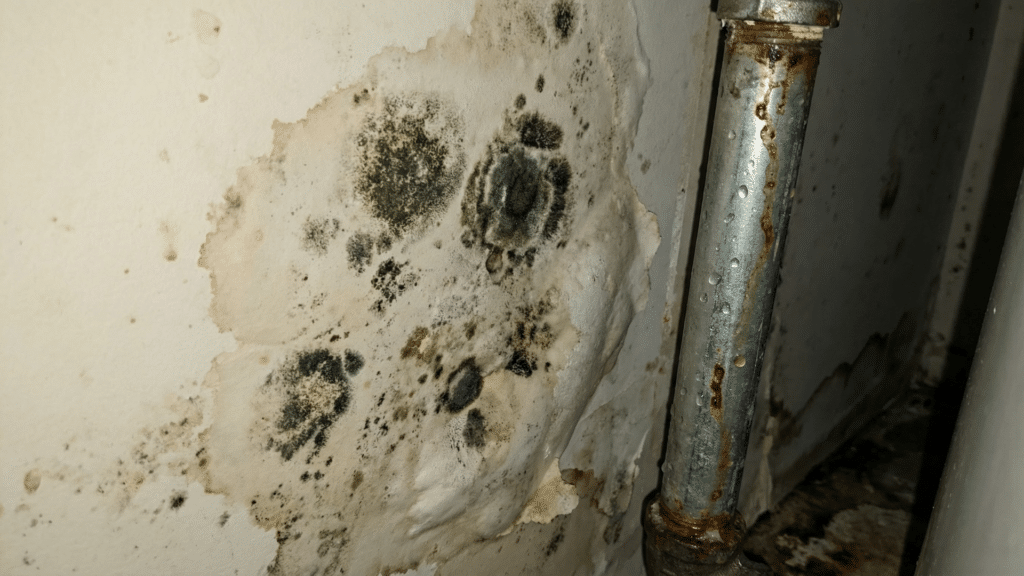
Mold is a type of fungus that grows in multicellular structures. It spreads through microscopic spores carried by the air. These spores are always present indoors and outdoors. When they land on a damp surface with organic material, they begin to grow.
Mold feeds on materials that contain carbon. Common examples include:
- Drywall
- Wood
- Carpet
- Fabric
- Insulation
- Paper products
Mold does not just grow on the surface. It can penetrate porous materials and spread beneath them. This is what makes it more serious than mildew.
Conditions Mold Needs to Grow
Mold requires three main things:
- Moisture
- A food source
- Oxygen
Moisture is the most important factor. Mold often appears after water leaks, flooding, roof damage, plumbing failures, or long-term humidity problems. It can begin to grow within 24 to 48 hours under damp conditions.
What Mold Looks Like
Mold typically appears:
- Black
- Dark green
- Brown
- Blue-green
- Gray
It often looks fuzzy, slimy, or raised. The patches usually grow unevenly and may expand outward over time.
Mold is often found in:
- Basements with poor drainage
- Behind walls with hidden leaks
- Under sinks
- Around windows with water damage
- Attics with roof leaks
- Wet carpets
Because mold can grow inside materials, it may not always be visible right away.
What is Mildew?
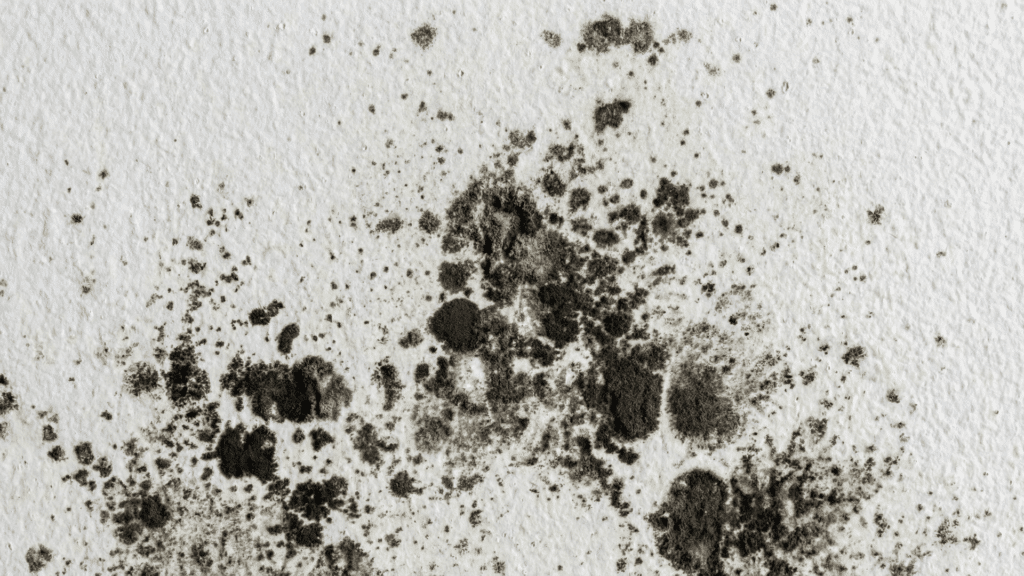
Mildew is also a fungus, but it is generally a surface-level growth. It grows flat across damp areas and does not usually penetrate deeply into materials.
In homes, mildew often develops in places with high humidity but no major water damage.
Conditions Mildew Needs to Grow
Mildew thrives in:
- High humidity
- Poor ventilation
- Condensation
- Damp fabrics
It does not require standing water. Steam from showers or moisture from closed windows is often enough.
What Mildew Looks Like
Mildew usually appears:
- White
- Light gray
- Pale yellow
It often looks powdery or dusty. It spreads evenly across a surface instead of forming thick, irregular patches.
Mildew commonly appears on:
- Shower walls
- Bathroom tiles
- Window sills
- Shower curtains
- Damp clothing
- Closet walls
It usually remains visible and easier to access.
Mold vs Mildew: Key Differences
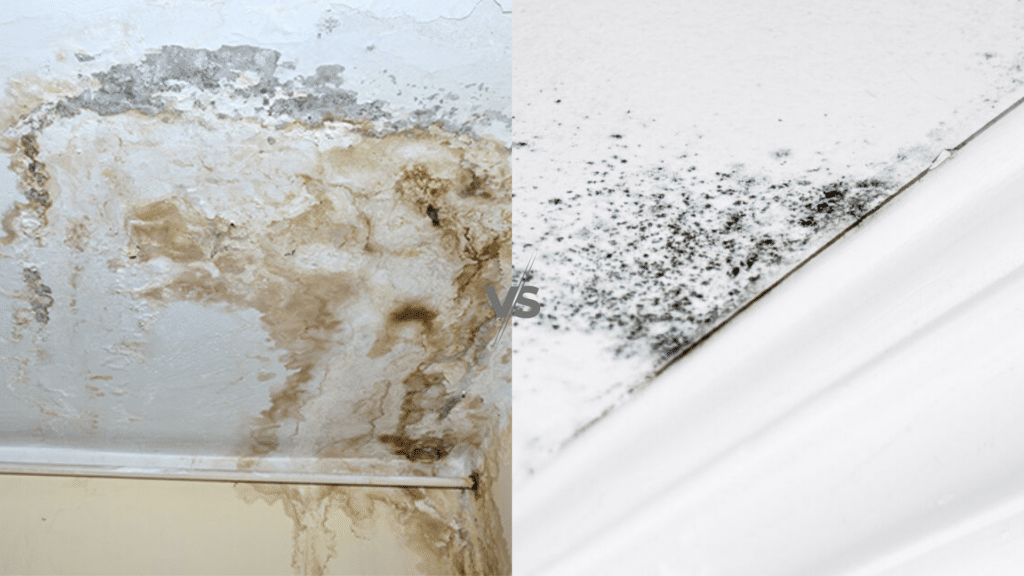
Understanding the real differences between mold vs mildew requires looking beyond simple color changes. These two fungi behave differently in structure, growth, and impact on your home. The distinctions below explain what actually separates them.
Color
Mold typically appears darker. It may be black, deep green, brown, or even blue-green depending on the species.
As mold matures, it often darkens further. Black mold, for example, usually develops a dense, dark surface after growing for some time.
Mildew, on the other hand, usually starts out white or light gray. In some cases, it may appear pale yellow. It generally remains light-colored and does not develop the deep, dark tones commonly seen in mold.
However, older mildew can darken slightly, so color alone is not enough to confirm what you are seeing.
Texture
Mold often has a raised or fuzzy appearance. In damp environments, it may even look slimy.
The surface can appear thick or layered, especially if it has been growing for a while. When touched with gloves, mold may smear rather than wipe away cleanly.
Mildew usually looks dry and powdery. It forms a thin, flat layer on the surface. It often resembles fine dust or chalk residue.
When wiped, mildew typically comes off more easily than mold because it does not anchor itself deeply into materials.
Growth Pattern
Mold tends to grow in irregular, uneven patches. It does not spread in straight lines or neat shapes.
Instead, it expands outward in unpredictable patterns. As moisture continues, mold colonies grow thicker and wider, often branching into nearby materials.
Mildew spreads more evenly across a surface. It usually forms a consistent, flat coating rather than thick clusters.
Instead of penetrating into materials, it expands across the outer layer, especially in areas exposed to constant humidity, such as bathroom tiles or window frames.
Depth of Growth
Mold sends microscopic root-like structures into porous materials. This allows it to grow beneath paint, inside drywall, within wood framing, and under carpet fibers.
Because of this penetration, cleaning only the visible surface may not remove the entire mold colony.
Mildew usually remains on the outer surface. It does not commonly grow inside materials. This makes it easier to remove and less likely to cause structural damage.
Once the surface is properly cleaned and dried, mildew often does not return unless humidity remains high.
Level of Damage
Mold has the potential to cause long-term structural damage. Since it feeds on organic materials like wood and paper, it can slowly weaken framing, drywall, and flooring.
Over time, untreated mold may require sections of material to be replaced rather than cleaned.
Mildew mainly affects the surface appearance of materials. It can cause staining, discoloration, and odor, but it rarely weakens the structure of walls or floors.
The damage is usually cosmetic rather than structural.
Health Effects
Mold exposure can trigger stronger reactions, especially in people with asthma, allergies, or weakened immune systems.
Symptoms may include a persistent cough, nasal congestion, throat irritation, headaches, and breathing difficulties. In enclosed spaces, prolonged exposure to mold can significantly affect indoor air quality.
Some mold species produce substances known as mycotoxins. While not all molds are toxic, certain types may increase health risks in sensitive individuals.
Mildew can also cause allergic reactions, but the symptoms are generally milder.
People may experience sneezing, minor irritation, or a slight musty smell in the air. Mildew is less likely to cause severe respiratory issues compared to widespread mold growth.
Smell
Mold often produces a strong, earthy, musty smell that lingers in a room. The odor may remain even after surface cleaning if mold is growing inside the walls or flooring.
A persistent musty smell without visible staining may suggest hidden mold growth.
Mildew has a milder musty scent. The smell is usually noticeable in enclosed, humid spaces but tends to fade after proper cleaning and ventilation.
If the odor disappears once the surface is cleaned and dried, mildew was likely the cause.
How to Tell If It’s Mold or Mildew
Telling the difference between mold and mildew requires more than a quick glance. While they can look similar at first, small details in color, texture, surface condition, odor, and moisture history help narrow it down.
Step 1: Look at the Color
If the growth is dark and patchy, it is more likely to be mold. If it is light and dusty, it is often mildew.
Step 2: Check the Texture
Rub the surface gently while wearing gloves.
- If it smears or feels thick, it may be mold.
- If it wipes away like powder, it is likely mildew.
Step 3: Examine the Surface Condition
Press gently on the area.
- If the material feels soft, damaged, or weakened, mold may have grown inside.
- If the surface feels solid and intact, it is more likely mildew.
Step 4: Notice the Smell
A strong, persistent, musty odor often signals that mold is growing inside materials.
Step 5: Consider the Moisture History
- Was there flooding or a plumbing leak? Mold is more likely.
- Is the area exposed to steam or condensation? Mildew is more likely.
If the problem keeps returning after cleaning, mold may be present deeper inside.
How to Clean Mold and Mildew
Cleaning methods depend on the size of the affected area, the type of surface, and whether the growth is mold or mildew.
Cleaning Mildew
Mildew is usually easier to remove.
- Wear gloves.
- Mix warm water with detergent or white vinegar.
- Scrub the surface thoroughly.
- Rinse with clean water.
- Dry completely.
Improving ventilation helps prevent it from returning.
Cleaning Small Mold Areas
For mold covering less than 10 square feet:
- Wear gloves, eye protection, and an N95 mask.
- Open windows for airflow.
- Use a mold cleaner or diluted bleach solution.
- Scrub the area firmly.
- Dry the surface completely.
Porous materials like drywall or carpet may need replacement if mold has penetrated deeply. Never mix bleach with ammonia, as this produces toxic fumes.
When to Call a Professional
Professional help is recommended when:
- Mold covers a large area
- There was significant flooding
- Mold is inside HVAC systems
- Walls feel soft or damaged
- Strong odors remain
- Health symptoms worsen indoors
Conclusion
Mold and mildew may look similar at first, but they differ in growth, depth, damage, and health impact. Mold tends to grow deeper into materials and can weaken structures over time.
Mildew usually stays on the surface and is easier to remove. Identifying the problem correctly helps prevent unnecessary repairs and protects indoor air quality.
Moisture control remains the most effective way to stop both from developing. Regular inspections, quick repairs, and proper ventilation make a noticeable difference.
If signs of growth appear, act early instead of waiting for the issue to spread. Take steps today to keep your home dry, clean, and protected from fungal damage.