

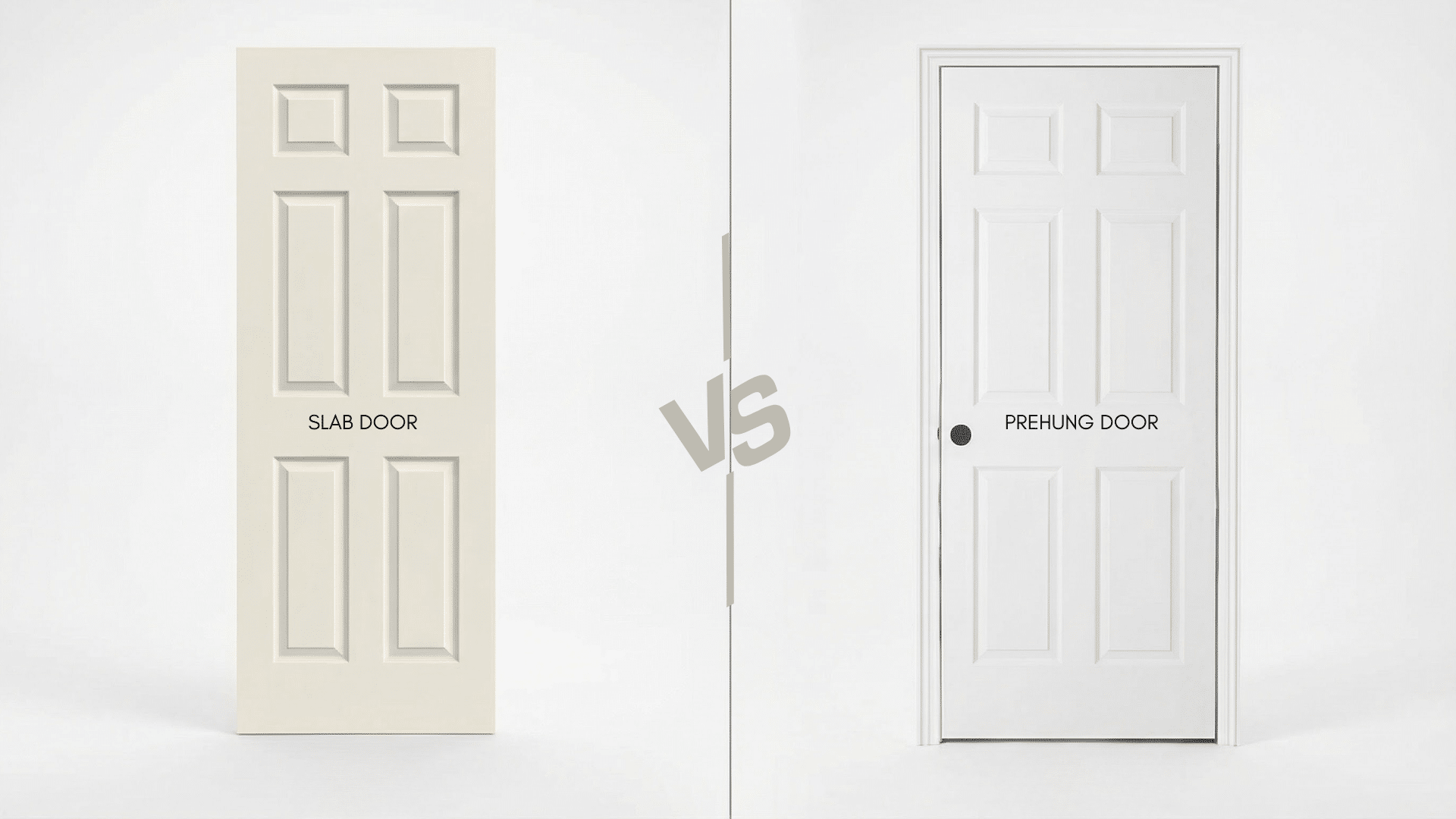
A slab door is a single, flat door panel sold without a frame, hinges, or attached hardware, while a prehung door comes already mounted within a frame and ready for installation.
This basic structural difference plays a major role in how each type is installed, how much labor is required, and how much the overall project may cost.
Homeowners often compare these two options when replacing an old door or adding a new one during construction or remodeling.
Understanding how slab and prehung doors differ helps buyers choose the option that fits their space, budget, and level of installation experience.
What is a Slab Door?
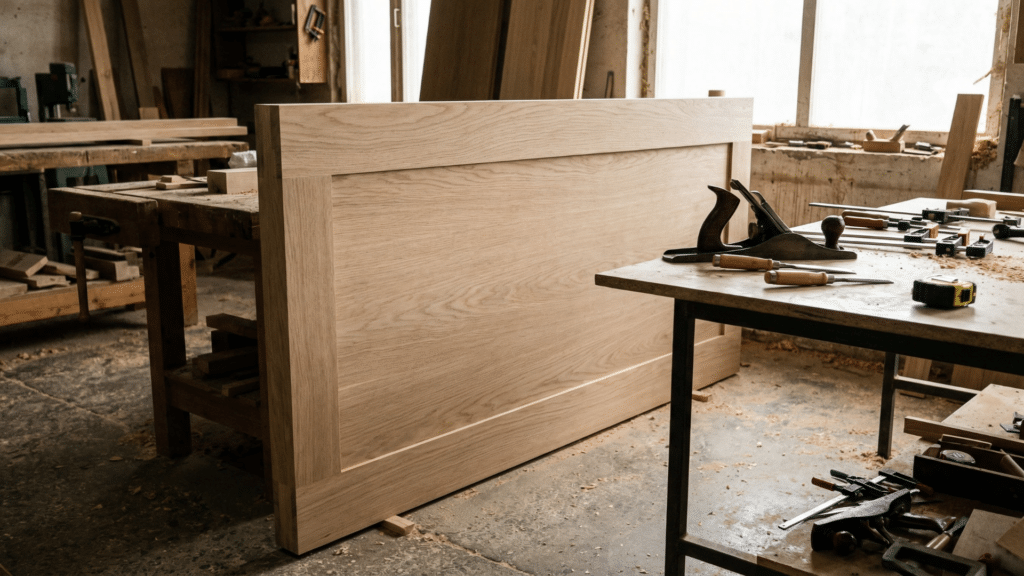
A slab door is a door panel by itself, without a frame, hinges, or pre-installed hardware. It is simply the flat piece of wood, fiberglass, or metal that swings open and closed once properly installed.
Because it does not include a frame, it must be attached to an existing door frame using separate hinges and hardware.
The installer is responsible for cutting hinge mortises, drilling holes for the knob and latch, and making sure the door fits the opening correctly.
Slab doors are commonly used when the existing door frame is still in good condition. Instead of removing the entire frame, a homeowner can replace just the door panel.
This makes slab doors a practical choice for certain remodels, especially when the frame is level, square, and undamaged.
What is a Prehung Door?
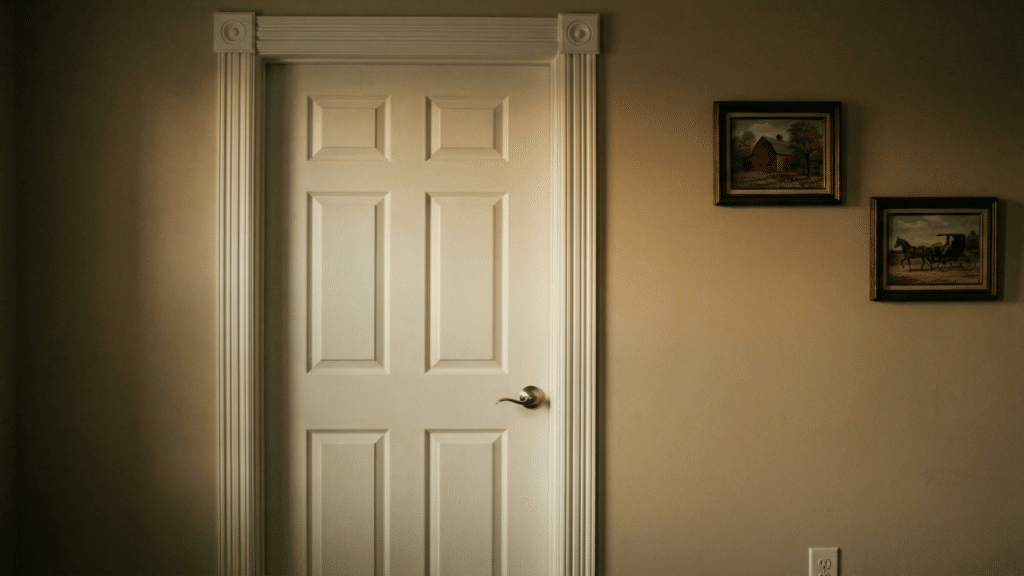
A prehung door is a complete door system that includes the door slab already mounted in a frame. The hinges are attached, and the door is properly aligned within the jamb.
Many prehung doors also come with pre-drilled holes for the knob and latch, making installation more straightforward.
Because the frame is included, the entire unit is installed as one piece. This makes prehung doors especially useful in new construction or when the existing door frame is damaged or out of alignment.
By replacing both the door and the frame at the same time, installers can correct structural problems and ensure a clean fit.
Slab Door vs Prehung Door: Key Differences

While both serve the same purpose, their structures, installation methods, and overall project requirements differ clearly. Below is a detailed comparison that explains how each type stands apart and when one may be the better choice.
Structural Differences
A slab door is only the door panel itself, without a frame, hinges, or pre-installed hardware. It must be attached to an existing frame or a separately purchased jamb.
In contrast, a prehung door comes as a complete unit, with the slab already mounted in a frame, hinges attached, and often with predrilled holes for hardware.
Because of this, a prehung door functions as a full system, while a slab door depends heavily on the condition and accuracy of the existing frame for proper performance.
Installation Differences
Installing a slab door requires precise measurements, careful hinge placement, and accurate drilling for the knob and latch. The installer must align the slab with the existing frame and ensure the swing operates smoothly.
A prehung door, however, arrives already aligned within its frame. The main task is positioning the entire unit correctly in the rough opening, using shims to keep it level and plumb.
While a prehung installation may involve removing the old frame, it reduces the need for detailed hinge and alignment work.
Project Scope
Slab doors are typically chosen for smaller updates where the frame remains in good condition, and only the door panel needs replacement. This approach minimizes disruption to trim and surrounding walls.
Prehung doors are better suited for larger renovations, new construction, or situations where the existing frame is damaged or uneven.
Because the entire frame is replaced, prehung units allow installers to correct structural issues and ensure a clean, consistent fit from the start.
Cost Comparison
Slab doors usually have a lower upfront price because they do not include a frame or attached hardware. However, labor costs may increase if hinge mortises need to be cut or hardware holes must be drilled from scratch.
Prehung doors generally cost more initially due to the included frame and hardware preparation. On the other hand, installation may be more efficient since alignment is already completed at the factory.
The final cost depends on the condition of the existing frame and the complexity of the work involved.
Interior vs Exterior Applications
Both slab and prehung doors are available for interior and exterior use, but application needs often guide the decision.
For interior spaces where frames are typically stable and protected from weather, slab doors are commonly used for replacements. They allow homeowners to update the style without altering the surrounding structure.
Exterior doors require proper sealing, insulation, and security. In these cases, prehung doors are often preferred because they provide a tightly fitted frame and integrated weatherstripping.
This ensures better protection against moisture, drafts, and temperature changes over time.
Pros and Cons of Slab and Prehung Doors
Choosing between a slab door and a prehung door often comes down to cost, installation effort, and the condition of the existing frame. The table below provides a clear, concise comparison of the main pros and cons.
| Door Type | Advantages | Disadvantages |
|---|---|---|
| Slab Door | Lower purchase price; works well with an existing, undamaged frame; offers flexibility in hardware selection |
Requires careful measuring and hinge cutting; does not solve frame issues; Installation takes more precision |
| Prehung Door | Comes fully assembled with frame and hinges. easier to align; ideal for new construction or damaged frames |
Higher overall cost; requires removing the old frame; bulkier and heavier to handle |
When Should You Choose a Slab or a Prehung Door?
The right choice depends on the condition of the frame, the type of project, and the level of installation experience. Below is a clear breakdown of when each option makes the most sense:
Choose a Slab Door When:
- The Existing Frame Is in Good Condition: If the current frame is level, square, and undamaged, replacing only the door panel is practical. There is no need to remove trim or disturb surrounding walls.
- You want to Match Existing Trim and jamb: A slab door allows you to keep the original frame and molding. This is helpful when maintaining a consistent design throughout the home.
- You Are Replacing Only the Door Panel: If the issue is limited to the door itself and not the frame, a slab door avoids unnecessary demolition.
- You Want More Hardware Flexibility: Slab doors allow full control over hinge placement, knob height, and lockset selection.
- You Are Working With a Lower Material Budget: The upfront cost of a slab door is usually lower since it does not include a frame.
Choose a Prehung Door When:
- The Existing Frame Is Damaged or Warped: If the frame is cracked, uneven, or out of square, replacing the entire unit ensures proper alignment and smooth operation.
- You Are Installing a Door in New Construction: New builds are designed for full door units, making prehung doors the more efficient choice.
- You Are Changing the Door Size or Layout: Resizing an opening requires a new frame, making a prehung unit the better option.
- You Want Easier Alignment: Because the door is already mounted in the frame, installation is generally more straightforward.
- You prefer a Complete System: A prehung door is a ready-to-install package that reduces guesswork during setup.
Common Materials for Slab and Prehung Doors
Both slab and prehung doors are available in a range of materials, and the choice often depends on whether the door is used for interior or exterior applications.
| Material | Best Use | Key Benefits | Main Drawback |
|---|---|---|---|
| Solid Wood | Interior / Exterior | Strong, classic look, can be refinished | Can warp without proper sealing |
| Hollow-Core | Interior only | Lightweight and affordable | Less durable, limited sound control |
| Solid-Core | Interior | Durable with good sound insulation | Heavier and more expensive than hollow-core |
| Fiberglass | Exterior / Interior | Moisture-resistant and energy-efficient | Higher upfront cost |
| Steel | Exterior | Very strong and secure | Can dent or rust if damaged |
Which Option is Better for DIY?
For most DIY projects, a prehung door is generally the easier option. Because the door is already mounted inside the frame with hinges attached, much of the alignment work has been completed at the factory.
The installer mainly needs to position the unit correctly, keep it level and plumb with shims, and secure it in place. This reduces the risk of hinge misalignment or improper swing.
A slab door, on the other hand, requires precise measurements, hinge cutting, and drilling for hardware. It demands more carpentry skill and patience.
For beginners, a prehung door typically offers a smoother and more predictable installation process.
Final Thoughts
Choosing between a slab door and a prehung door depends on the condition of the frame, the scope of the project, and the level of installation skill available.
A slab door works well when the existing frame is solid, and only the panel needs replacement. A prehung door makes more sense when the frame is damaged or when installing a new opening.
Cost, labor, and long-term performance should all be considered before making a final decision. Taking time to measure carefully and assess the space can prevent costly mistakes.
Review your project needs closely, then choose the option that fits your goals and budget.