

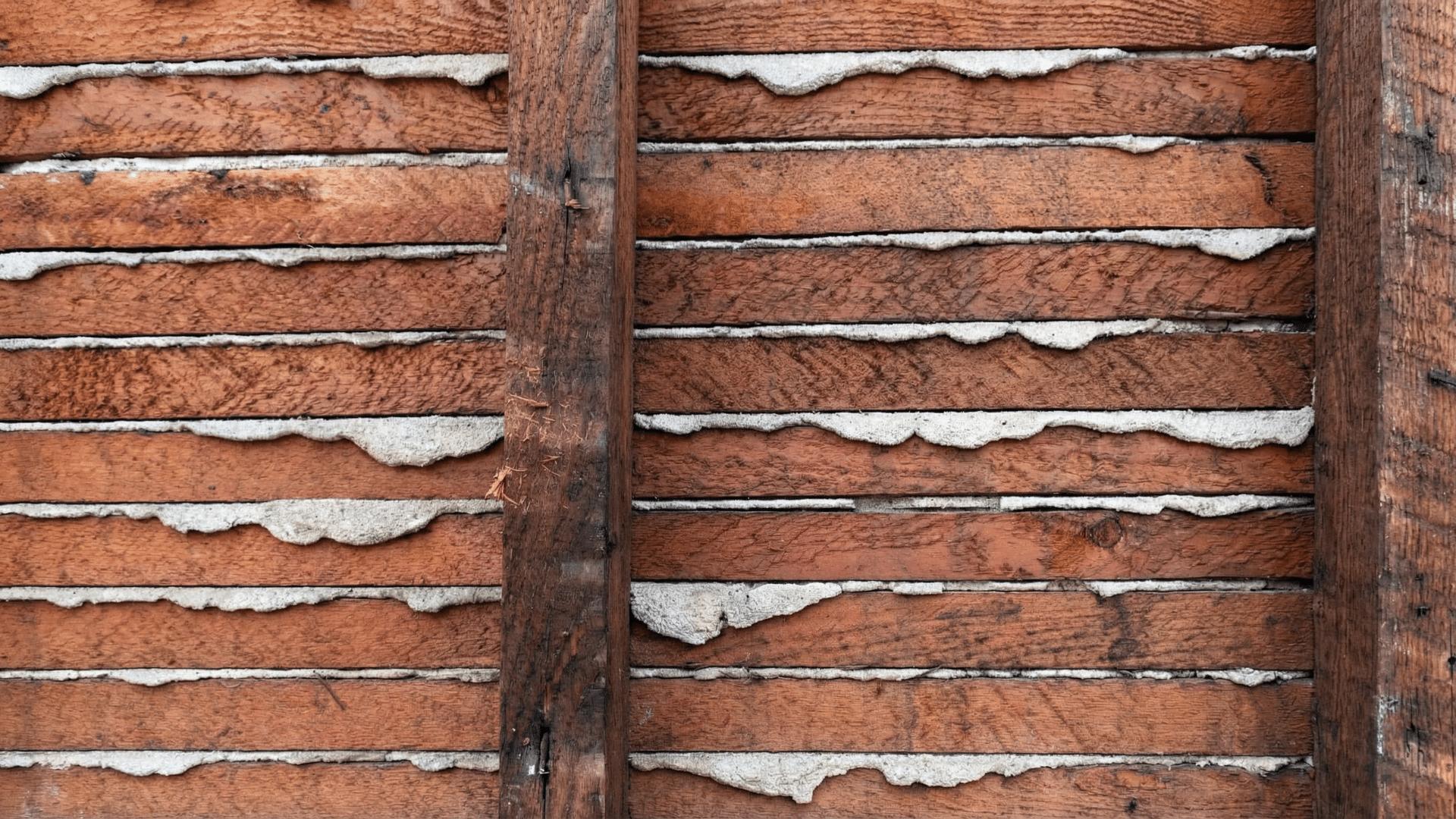
Before drywall became the standard, homes were finished with a very different wall system.
Lath-and-plaster walls were once a key part of residential construction, especially in houses built before the mid-1900s. Many older properties still contain these walls today.
Homeowners often encounter them during remodeling projects and quickly realize they are not built like modern materials.
Their solid feel and layered structure reflect building methods from another era.
Understanding what lath-and-plaster walls are helps explain how homes were constructed in the past and why this traditional technique lasted for so many decades.
What are Lath and Plaster Walls?
Lath-and-plaster walls are a traditional wall system widely used in homes before drywall became common.
This method combines narrow strips of wood, called lath, with several layers of wet plaster that harden into a solid surface.
For many decades, this technique was the standard for finishing interior walls and ceilings. It created durable, smooth surfaces that could be shaped and detailed with decorative elements.
Although drywall replaced it in most new construction after the mid-20th century, lath-and-plaster walls remain in many older houses.
The History of Lath and Plaster Walls
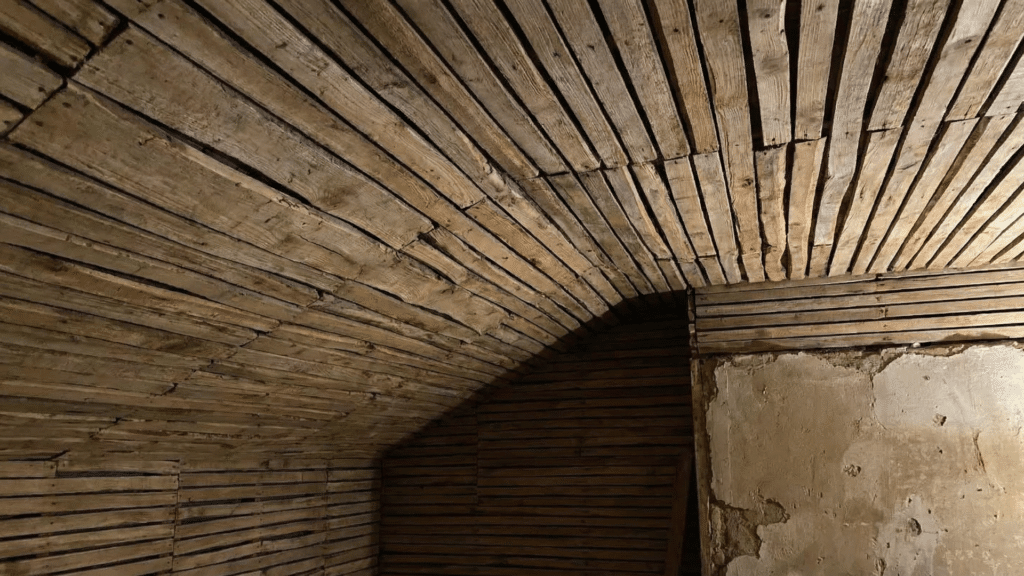
Lath-and-plaster walls played a major role in shaping interior construction for centuries. Their development reflects changing building methods, available materials, and labor practices over time.
Early Origins
The concept of lath-and-plaster walls dates back several centuries. Early builders in Europe used similar techniques to create interior wall surfaces.
In colonial America, this method became common because it relied on readily available materials, such as wood and lime.
Builders needed a way to create smooth interior walls over wooden framing. Solid masonry was expensive and heavy, so a lighter system was preferred. Lath and plaster provided a practical solution that balanced strength and cost.
Popularity in the 18th and 19th Centuries
During the 18th and 19th centuries, lath-and-plaster walls became the dominant wall system in residential construction.
Skilled craftsmen applied plaster by hand, and the process required time and experience. Despite the labor involved, the results were strong and long-lasting.
Homes built during this period often featured decorative plaster details, such as ceiling medallions and crown moldings. These details were easier to create with plaster than with later materials, such as drywall.
Transition to Drywall
By the 1940s and 1950s, drywall began replacing lath-and-plaster walls in new construction. Drywall was faster to install and required less skilled labor. Builders could complete projects more quickly, which reduced overall costs.
Even though drywall became the standard, millions of homes built before that time still have lath-and-plaster walls. Many of these walls remain structurally sound decades later.
Basic Components of Lath and Plaster Walls
Lath-and-plaster walls are built using a layered system that provides strength, stability, and a smooth interior surface. Each component plays a specific role in how the wall functions and remains structurally sound over time.
| Component | Description | Purpose of the Wall System |
|---|---|---|
| Wooden Lath | Thin, narrow strips of wood are nailed horizontally across wall studs with small gaps between each strip. | Provides a base for the plaster to attach to. The gaps allow plaster to push through and form strong bonds known as “keys.” |
| Metal Lath | A mesh-like metal sheet was used instead of wooden strips in some later constructions. | Offers increased strength and improved fire resistance while still allowing plaster to bond securely. |
| Scratch Coat | The first thick layer of plaster was applied directly over the lath. | Creates the foundation layer and forms plaster keys behind the lath to anchor the wall surface. |
| Brown Coat | The second layer of plaster is applied after the scratch coat begins to set. | Adds thickness, strength, and helps level the surface before finishing. |
| Finish Coat | The final thin layer of smooth plaster was applied on top. | Produces the finished wall surface that is ready for painting or decoration. |
| Wall Studs | Vertical wooden framing members behind the lath. | Provide structural support and hold the entire wall system in place. |
How Lath and Plaster Walls are Built
The construction process for lath-and-plaster walls involves several stages. Each layer serves a specific purpose in creating a durable wall surface.
Step 1: Installing the Lath
Carpenters first attach wooden lath strips across wall studs. The strips are nailed in rows, with small gaps between them. These gaps are essential because they allow plaster to push through during application. The lath forms a framework that supports the plaster once it hardens.
Step 2: Applying the Scratch Coat
The first layer of plaster is called the scratch coat. Workers spread this thick layer over the lath, pressing it firmly so that it squeezes through the gaps. When the plaster pushes through and hardens behind the lath, it creates small hardened protrusions known as “keys.” These keys hold the plaster securely in place.
Step 3: Adding the Brown Coat
The second layer, known as the brown coat, adds thickness and strength. This coat helps level the wall and correct any uneven areas. It is applied over the scratch coat and smoothed to create a more even surface.
Step 4: Finishing with the Finish Coat
The final layer is the finish coat. This thin layer creates the smooth surface that is painted or decorated. Once it dries completely, the wall becomes hard and solid.
The three-layer process is one reason lath and plaster walls are thicker than modern drywall systems
Types of Lath Used in Construction
The type of lath used in lath-and-plaster walls changed over time as building materials and construction methods improved. While the basic purpose remained the same, to support wet plaster until it hardened, the material used for lath affected strength, fire resistance, and durability.
1. Wooden Lath
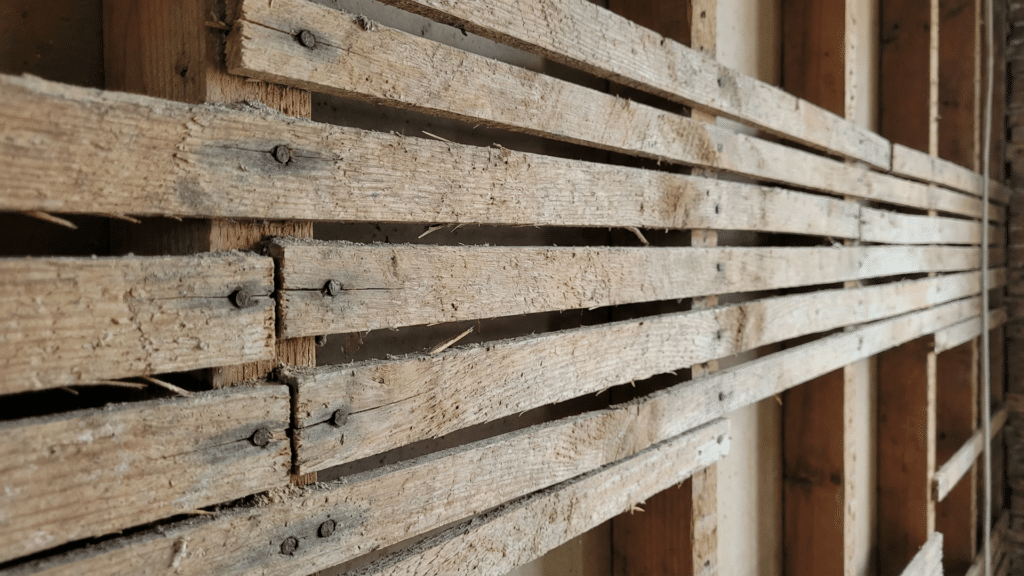
Wooden lath was the earliest and most widely used form in residential buildings. It involved thin wood strips nailed across studs with narrow gaps in between. These gaps allowed plaster to squeeze through and harden into secure “keys” that anchored the wall surface.
Although it was affordable and practical, wooden lath could weaken over time due to moisture exposure, rot, or insect damage.
2. Metal Lath
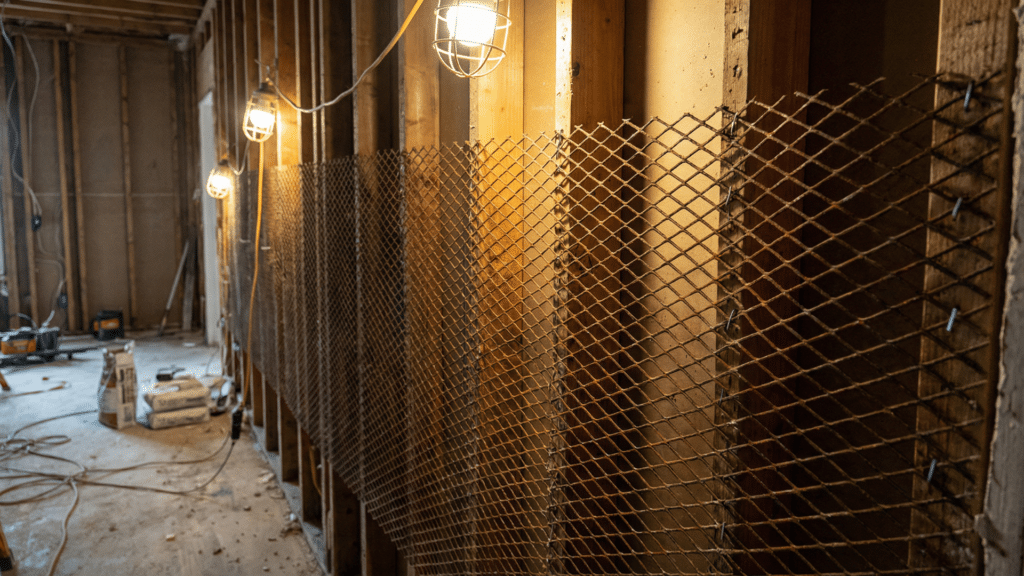
Metal lath gained popularity in the early 1900s as a stronger and more fire-resistant alternative. Made from expanded metal mesh or wire grids, it created a firm base for plaster to grip.
It was especially useful in commercial structures and curved designs that required added strength. Unlike wood, metal lath did not rot, making it more durable in damp conditions.
3. Rock Lath (Gypsum Lath)
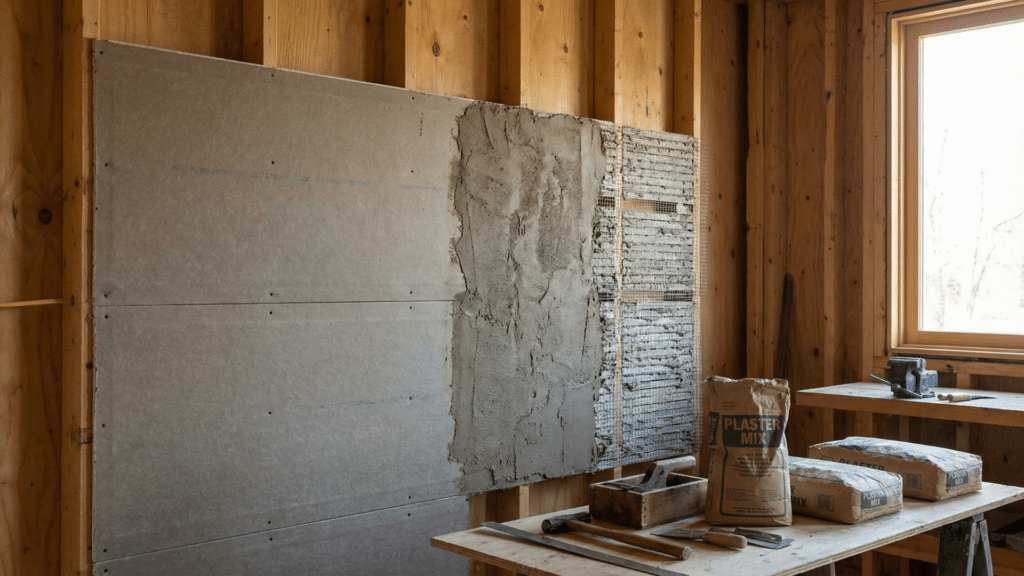
Rock lath, also known as gypsum lath, served as a bridge between traditional lath and modern drywall. It used gypsum board panels instead of individual wood strips, allowing faster installation while still supporting plaster layers.
This system reduced labor time and improved consistency in wall surfaces. It became common in mid-20th-century homes before drywall replaced plaster-based systems entirely.
Pros and Cons of Lath and Plaster Walls
Lath-and-plaster walls offer several strengths that have made them popular for many years. At the same time, they come with limitations that led to the rise of drywall in modern construction.
| Pros | Explanation | Cons | Explanation |
|---|---|---|---|
| Strong and Durable | Multiple plaster layers create a hard, dense surface that can last for decades when properly maintained. | Prone to Cracking | As houses settle over time, plaster can develop cracks, especially around doors and windows. |
| Better Sound Insulation | The thickness and density of plaster help reduce sound transfer between rooms. | Labor-Intensive Installation | The multi-layer process requires skilled labor and takes longer to complete than drywall installation. |
| Fire Resistance | Traditional plaster contains lime or gypsum, which naturally resists fire better than exposed wood framing. | Difficult Repairs | Repairing damaged plaster can be time-consuming and may require special techniques to match the original finish. |
| Solid Feel | Walls feel firm and substantial compared to lightweight drywall panels. | Heavier Weight | Lath-and-plaster walls are heavier, which can complicate remodeling or structural changes. |
| Decorative Flexibility | Plaster can be shaped into curves, arches, and detailed moldings. | Moisture Sensitivity | Water damage can weaken plaster, causing it to loosen from the lath. |
Common Issues with Lath and Plaster Walls
Lath-and-plaster walls are durable, but age and movement can cause problems over time. Most issues are related to settling, weakened plaster bonds, or moisture exposure.
- Cracking: Hairline cracks are common as homes settle naturally. These are often cosmetic. Larger or spreading cracks may suggest structural movement and should be checked more carefully.
- Loose Plaster: When plaster keys break away from the lath, sections can loosen. This may cause bulging areas or hollow sounds when tapped.
- Water Damage: Moisture can weaken both plaster and wooden lath. Signs include stains, soft spots, and crumbling surfaces.
Modern Relevance of Lath and Plaster Walls
Today, lath-and-plaster walls are most often found in homes built before the 1950s. Preservation efforts in historic properties often aim to maintain these original materials.
Some homeowners appreciate the character and solid feel that lath-and-plaster walls provide. Others choose to replace them during major renovations for convenience.
Understanding how these walls were built helps homeowners make informed decisions about maintenance, repair, or replacement.
Final Thoughts
Lath-and-plaster walls are more than an outdated construction method; they reflect a different era of craftsmanship and building standards.
Their layered design required time, skill, and careful application, which is why many of these walls have lasted for generations.
At the same time, age, movement, and moisture can create challenges that homeowners must understand before making repairs or updates.
For clearer guides on traditional and modern wall systems, read our related home improvement articles.