

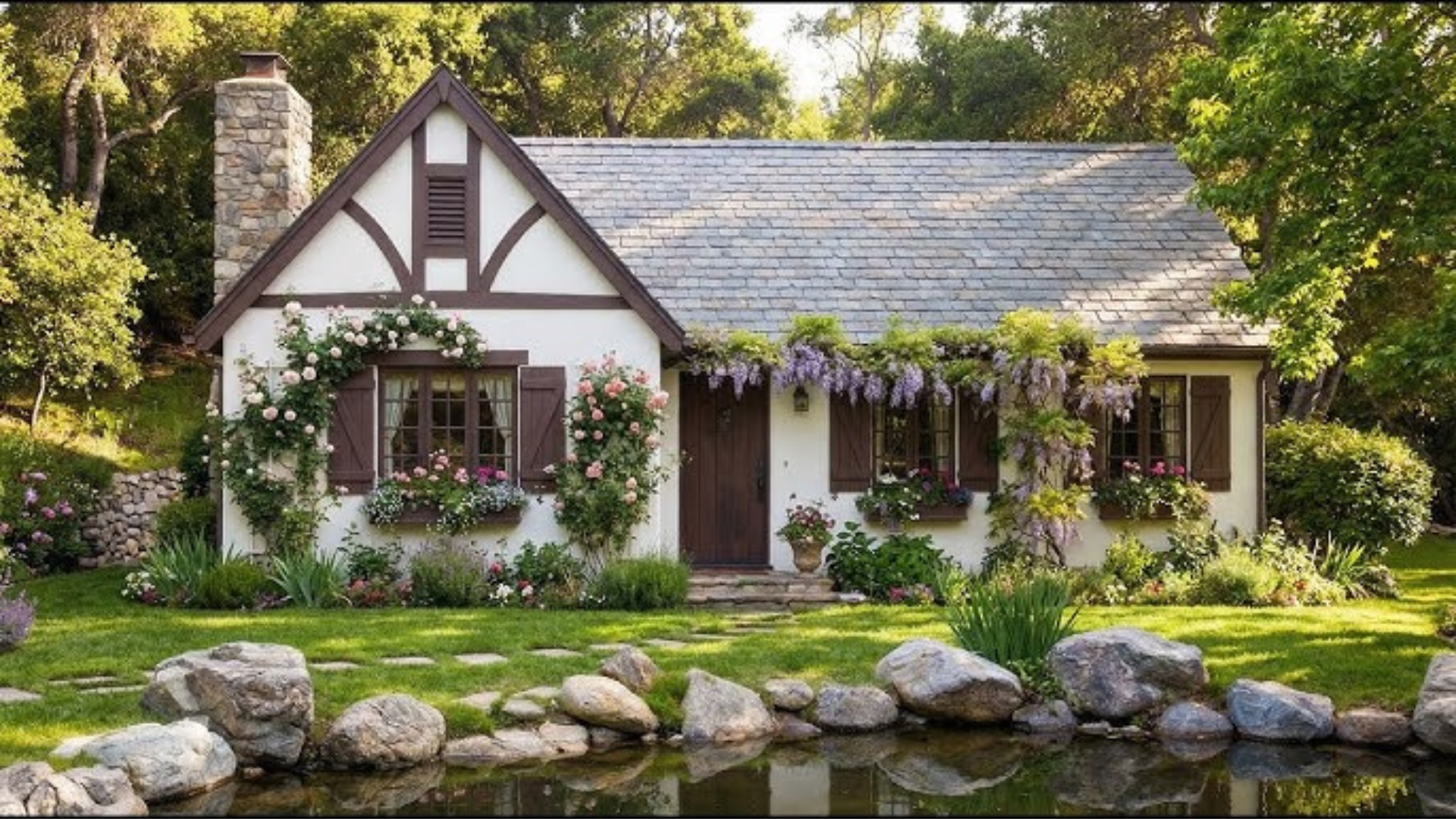
I have always liked homes that feel warm and full of character, and that’s what drew me to the Tudor cottage house style.
If you are thinking about building or designing one, this guide will help you understand it better.
In this article, I will share some of the key features, simple floor plans, and design ideas that make this home style stand out.
You will learn what makes it different, how the layout works, and how to get the same look in your home.
I will keep things clear and easy so you can plan with confidence.
By the end, you will have a solid idea of how to start your own Tudor cottage house project without feeling lost or unsure about the next steps.
What Is a Tudor Cottage?
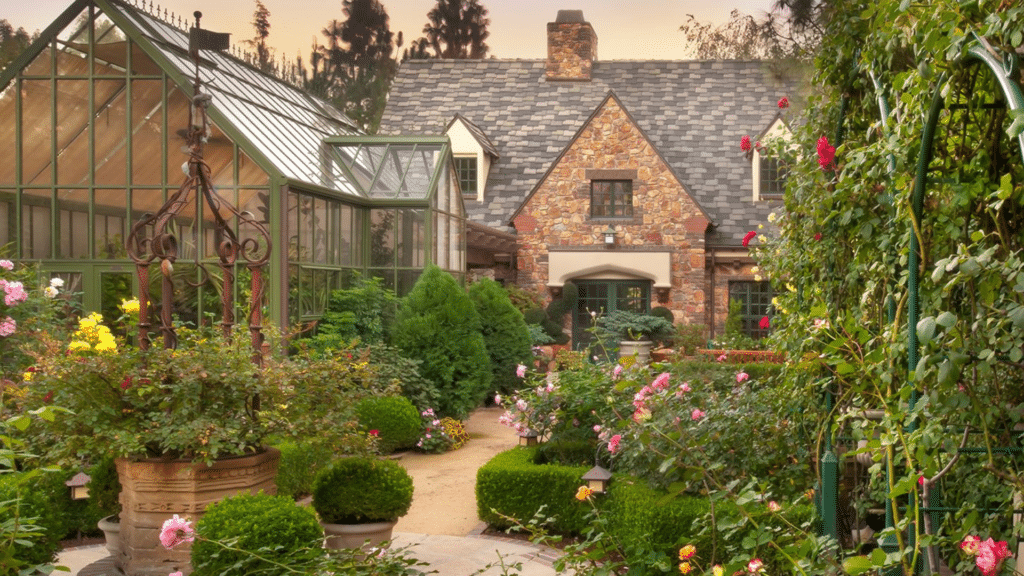
A Tudor cottage is a small home style based on traditional English houses built during the Tudor period between the late 1400s and early 1600s.
These homes have steep roofs, wooden beams, brick or stone walls, and tall chimneys.
People like this style because it feels warm, classic, and welcoming. Tudor cottages often have narrow windows with small panes of glass and wooden doors with curved or arched tops.
The design was common in rural England, where builders used local materials like timber and stone.
In the early 1900s, the style became popular again during the Tudor Revival movement.
Today, architects still build Tudor-style homes by combining the traditional exterior with modern floor plans that suit current lifestyles and family needs.
Key Features of Tudor Cottage Architecture
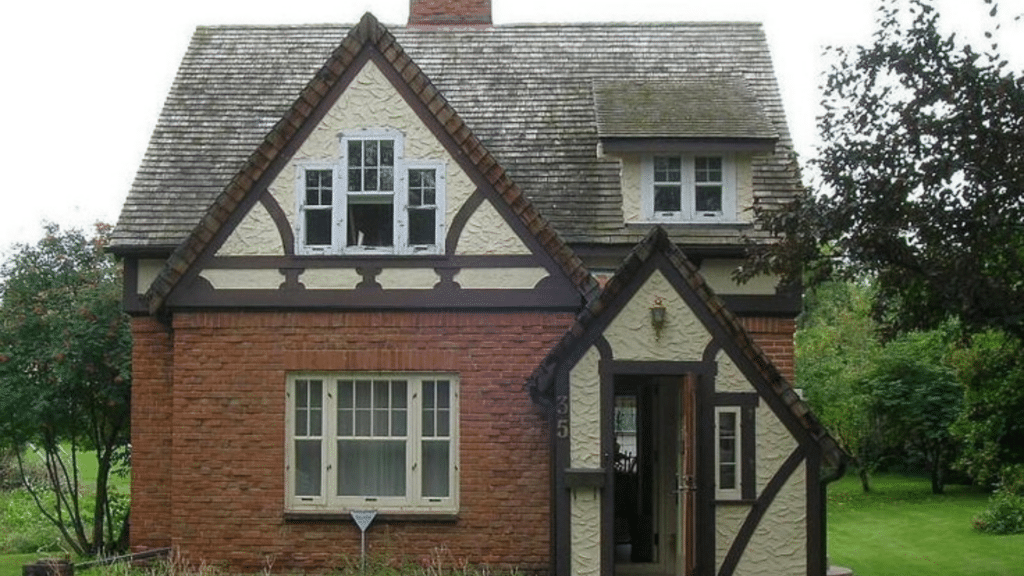
Tudor cottages are easy to recognize by their distinctive shapes and traditional building details. These homes use specific design elements that give them a classic English countryside look.
1. Steeply Pitched Roofs
One of the most noticeable parts of a Tudor cottage is the steep roof.
Builders designed these roofs with a sharp slope to help rain and snow slide off easily. The roof often features multiple gables, creating an uneven, storybook-like appearance.
Many Tudor cottages also use clay or slate tiles, which add texture and depth to the home’s exterior.
The steep roof shape not only protects the structure but also adds extra attic or upper-floor space inside the house.
This roof style has become one of the most recognizable features of Tudor architecture and continues to be used in modern Tudor cottage designs.
2. Tall Brick Chimneys
Tall chimneys are another key feature of Tudor cottage architecture. In the past, fireplaces were the main source of heat in homes, so large chimneys were necessary to safely carry smoke outside.
Tudor cottages often include prominent brick chimneys that rise high above the roofline.
Some homes even have multiple chimneys placed in different areas of the house.
Builders sometimes added decorative chimney tops or patterned brickwork to make them more attractive. Today, these chimneys still help give Tudor cottages their classic appearance.
Even in modern homes with updated heating systems, tall chimneys remain an important design element of the Tudor style.
3. Tall Narrow Windows
Windows in Tudor cottages are usually tall and narrow, which helps create the traditional look of the home.
Many of these windows have small glass panes divided by wooden or metal strips called mullions.
This grid pattern was originally used because large sheets of glass were difficult to produce in the past. The narrow window shape also works well with the steep rooflines and tall walls of Tudor homes.
Some windows include decorative details such as diamond-shaped panes or arched tops.
These window styles allow natural light into the house while maintaining the historic design that defines Tudor cottage architecture.
4. Mixed Exterior Materials
Tudor cottages often use a combination of materials on the outside of the home.
Builders commonly mix brick, stone, stucco, and timber to create a textured and layered appearance.
The lower portion of the house may use stone or brick, while the upper sections often feature half-timbering with plaster or stucco between the beams.
This mix of materials adds visual interest and helps the home stand out from simpler building styles. Using different materials also helped early builders work with whatever resources were available locally.
Today, modern Tudor cottages continue this tradition, recreating the classic English cottage look.
Average Cost to Build a Tudor Cottage House
The cost to build a Tudor cottage house can vary based on size, materials, and design details. On average, you can expect to spend $180 to $350 per square foot.
A small cottage may cost around $180,000 to $400,000, while larger homes can go much higher.
Materials like brick, stone, and timber framing increase the price. Complex rooflines and detailed work also raise labor costs.
Location plays a big role, too, as labor and material prices change by area.
Modern upgrades like insulation, windows, and heating systems can add to the total cost.
If you want to save money, you can use simpler finishes while keeping key Tudor features. Planning your budget early helps avoid unexpected expenses later.
Tudor Cottage vs Modern Cottage Homes
Both styles offer comfort and beauty, but differ in design and layout. Understanding these differences can help you choose what suits your needs best.
| Feature | Tudor Cottage Homes | Modern Cottage Homes |
| Exterior Style | Traditional with timber, brick, and stone | Simple, clean, and minimal |
| Roof Design | Steep roofs with multiple gables | Low to moderate roof slopes |
| Windows | Tall, narrow, small panes | Large, wide windows |
| Interior Layout | Smaller, separate rooms | Open and spacious layouts |
| Materials Used | Natural materials like wood and stone | Mix of natural and modern materials |
| Maintenance | Higher due to detailed design | Easier and lower maintenance |
| Overall Feel | Classic and historic | Simple and updated |
Popular Tudor Cottage Floor Plans and Design Ideas
Tudor cottage floor plans usually focus on practical living spaces with classic architectural beauty. Many layouts combine traditional exterior design with modern interiors for better comfort and functionality.
1. Small Tudor Cottage Plan
A small Tudor cottage plan works well for homeowners who want the classic style in a compact home. These plans often range from 900 to 1,400 square feet and focus on simple living spaces.
The main floor usually includes a cozy living room, kitchen, and dining area, while bedrooms are placed upstairs.
The design keeps the traditional Tudor look with steep roofs and timber details.
Small cottages are popular for countryside homes or vacation properties. Even with a smaller size, the layout can feel open and comfortable when designed carefully.
Many architects also include large windows to bring natural light into the living areas.
2. Two-Story Tudor Cottage Plan
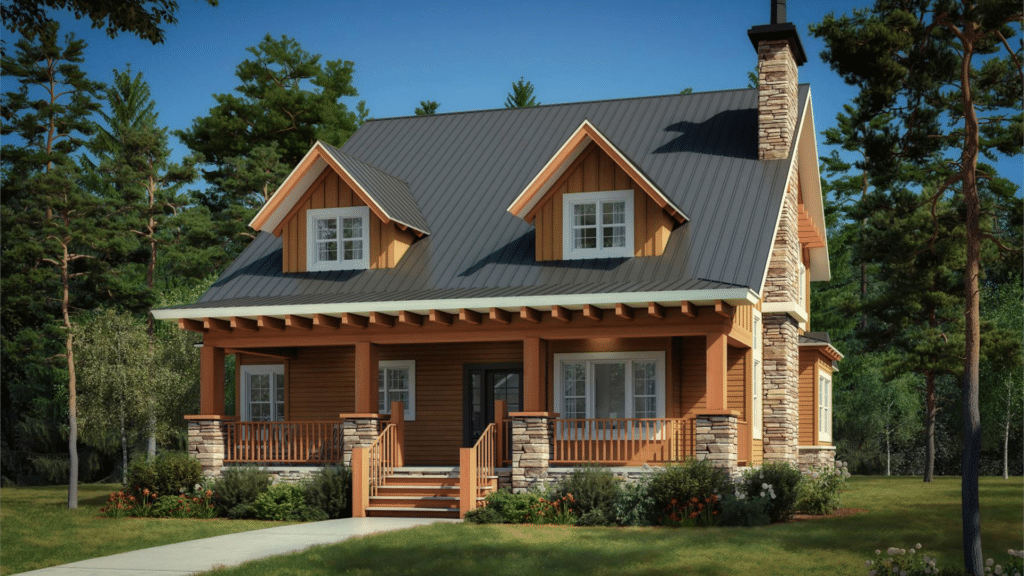
Two-story Tudor cottage plans are very common because they make good use of vertical space.
The main floor usually holds the living room, dining room, and kitchen, while the second floor includes bedrooms and bathrooms.
This layout keeps family spaces separate from private sleeping areas.
The design also works well with the steep rooflines typical of Tudor architecture. Many two-story plans include dormer windows that bring light into the upper level.
This type of layout is popular for families because it allows more living space without increasing the overall footprint of the house.
3. Open-Concept Tudor Cottage Layout
Modern Tudor cottages sometimes use open-concept floor plans while keeping the traditional exterior look.
In this layout, the living room, kitchen, and dining area connect into one large space.
This design helps the home feel larger and brighter compared to older layouts with many small rooms. Families often prefer this style because it makes social gatherings and daily activities easier.
Large windows and exposed wooden beams can keep the Tudor character while improving the flow inside the home.
Open-concept layouts also allow more flexibility when arranging furniture and decorating the living areas.
4. L-Shaped Tudor Cottage Plan
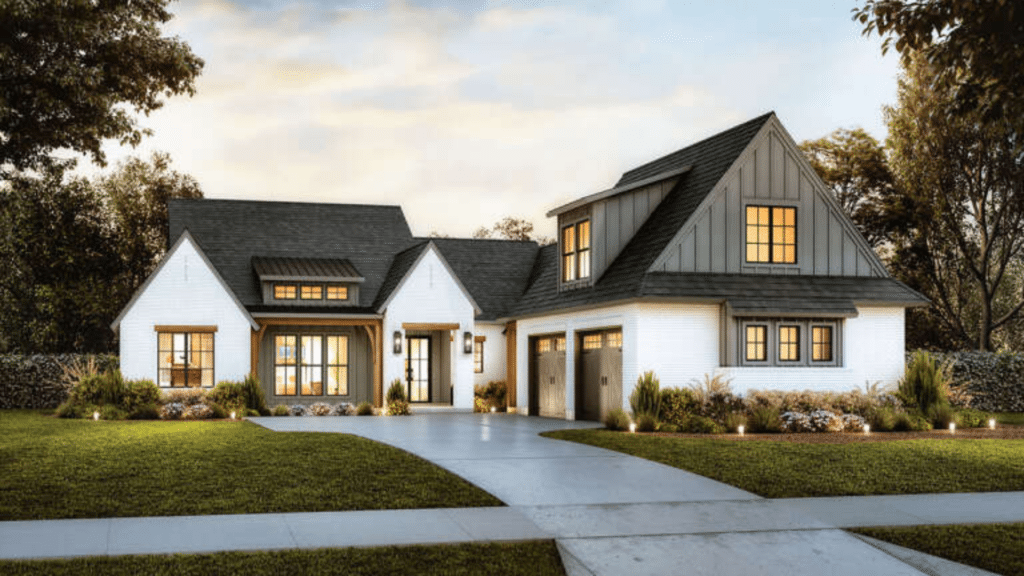
An L-shaped floor plan adds both visual interest and functionality to a Tudor cottage. This design places rooms along two connected wings that form an L shape.
One wing may include the living and dining areas, while the other holds bedrooms and service rooms.
The shape helps create a private outdoor courtyard or garden space.
Many Tudor cottages use this plan to give the house a traditional countryside appearance. The layout also improves natural lighting by allowing windows on multiple sides of the home.
This makes the interior feel more open and connected to outdoor spaces.
5. Tudor Cottage with Attic Living Space
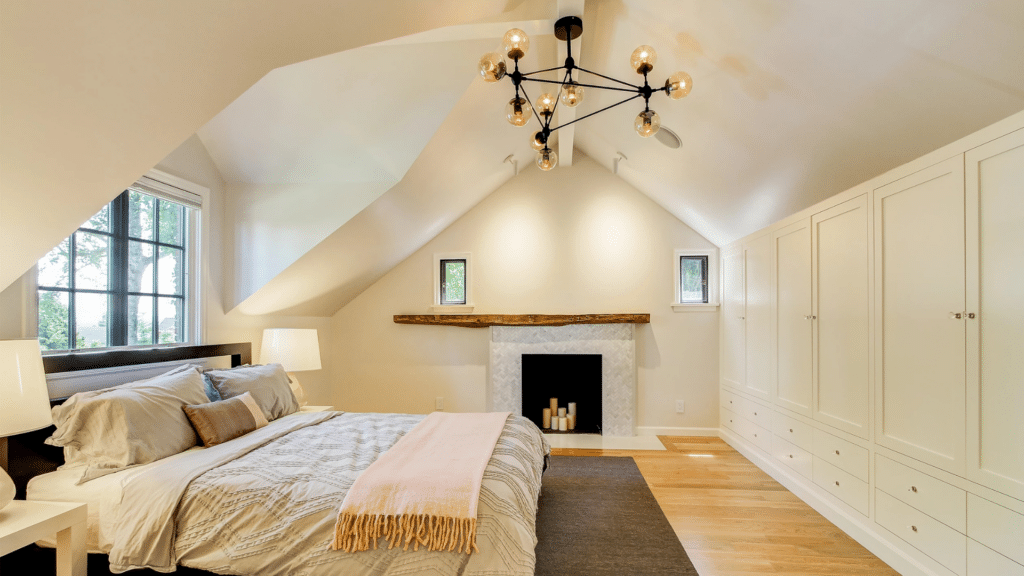
Some Tudor cottage plans include an attic that can be converted into usable living space. Because Tudor roofs are steep, they often provide space for an extra bedroom, office, or playroom under the roof.
Builders may add dormer windows to increase headroom and bring more light into the attic area.
This type of plan is helpful for growing families who need additional space without expanding the house footprint.
The attic layout keeps the traditional Tudor exterior while providing extra functionality inside. Many homeowners use this area as a quiet workspace or guest bedroom.
6. Classic Half-Timber Front Facade
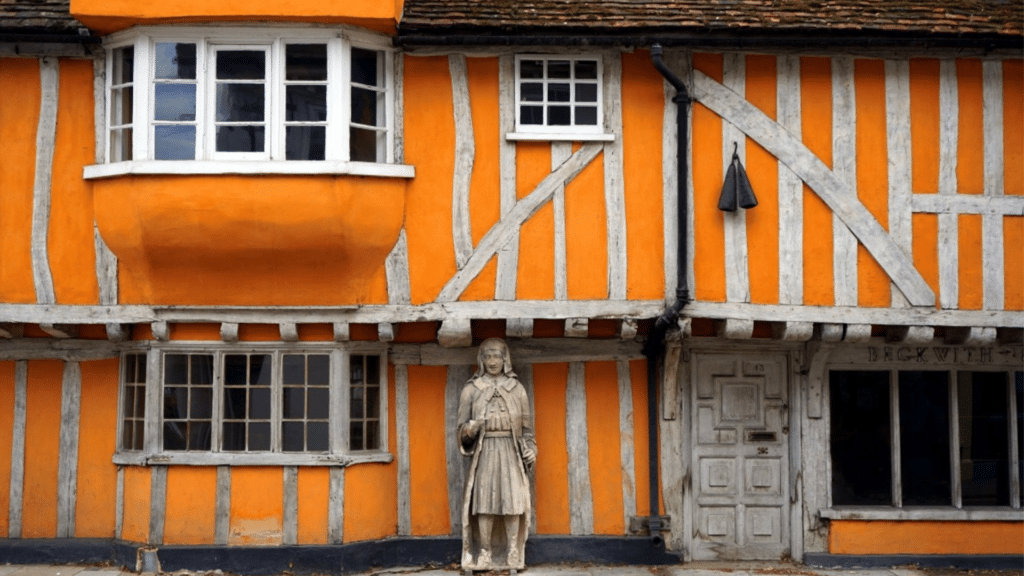
A half-timber facade is one of the most recognizable elements of Tudor cottage design. Dark wooden beams are placed across light-colored plaster or stucco walls to form decorative patterns.
In older homes, the timber frame helped support the building structure.
In modern cottages, it often serves a decorative purpose while still reflecting the historic style.
This design gives the exterior a strong visual contrast and classic appearance. Many homeowners choose this feature because it instantly creates the traditional Tudor look.
Pairing the timber frame with stone or brick accents can make the house appear even more authentic.
7. Stone and Brick Exterior Walls
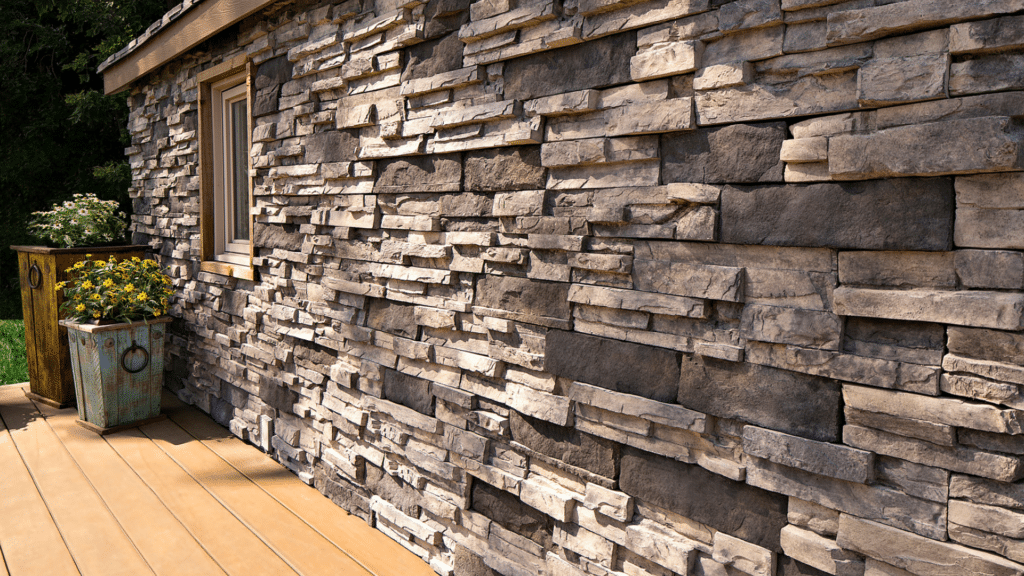
Many Tudor cottages combine stone and brick materials on the outside of the house. Stone walls give the home a rustic countryside feel, while brick adds durability and texture.
Builders often place stone along the lower portion of the exterior and brick around entryways or chimneys.
This combination creates depth and visual interest across the facade.
Natural materials also help the house blend with the surrounding landscapes. Modern Tudor homes sometimes use manufactured stone to achieve a similar look at a lower cost.
Regardless of the material choice, stone and brick help keep the classic Tudor cottage look.
8. Arched Doorways and Entryways
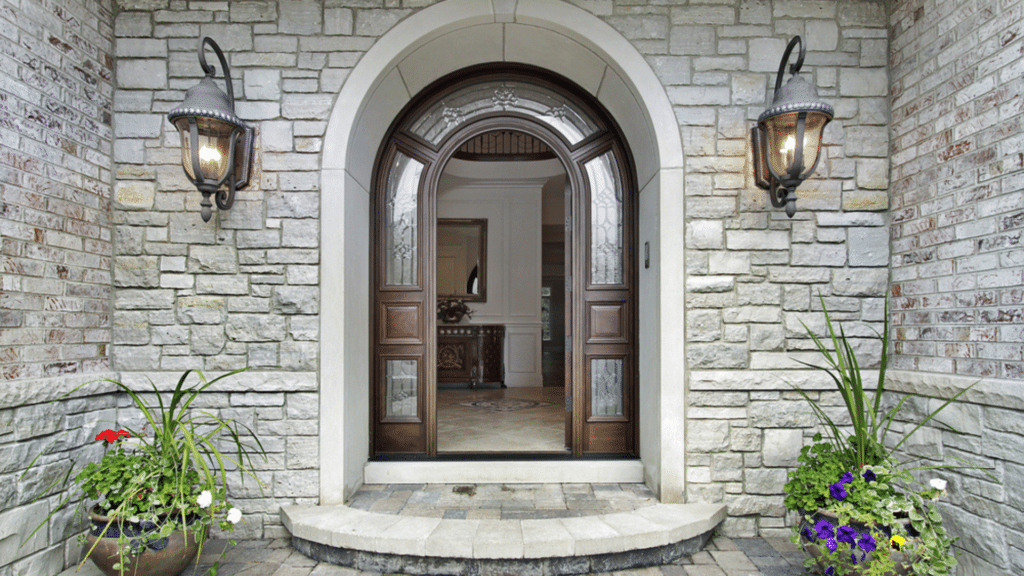
Arched doorways are commonly used in Tudor cottage entrances. The curved shape creates a softer, more traditional look than straight rectangular doors.
Many entrances include heavy wooden doors with decorative iron hardware or small glass panels.
Builders may also surround the doorway with brick or stone accents to highlight the entry area.
This design makes the front entrance feel welcoming and visually distinctive. Some homes include small covered porches or stone steps leading to the door.
These features help strengthen the historic appearance that defines Tudor cottage architecture.
9. Exposed Wooden Ceiling Beams
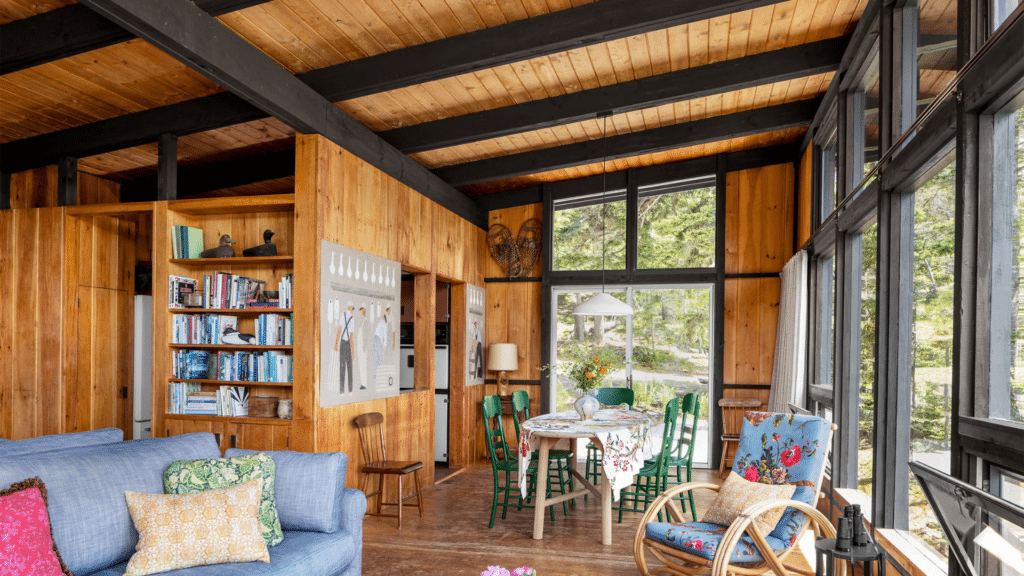
Exposed wooden beams are a common feature inside Tudor cottages. These beams run across ceilings and create a rustic and traditional atmosphere.
In historic homes, the beams were part of the building structure.
In modern cottages, they are often added as decorative elements to recreate the classic appearance.
Dark-stained wood beams contrast nicely with light ceilings and walls. This feature works well in living rooms, kitchens, and dining spaces.
The beams add texture and depth inside. Many homeowners like this for its traditional Tudor feel.
10. Large Stone Fireplace
A stone fireplace often becomes the central feature of a Tudor cottage living room. In the past, fireplaces provided heat for the entire home, so they were built large and durable.
Today, fireplaces still create a warm gathering space for families. Stone or brick surrounds give the fireplace a strong visual presence.
Some designs include wooden mantel shelves that match the exposed ceiling beams. Even in homes with modern heating systems, fireplaces remain popular for their classic appearance.
This feature helps maintain the traditional cottage atmosphere and creates a comfortable place to relax.
11. Warm Neutral Color Palette
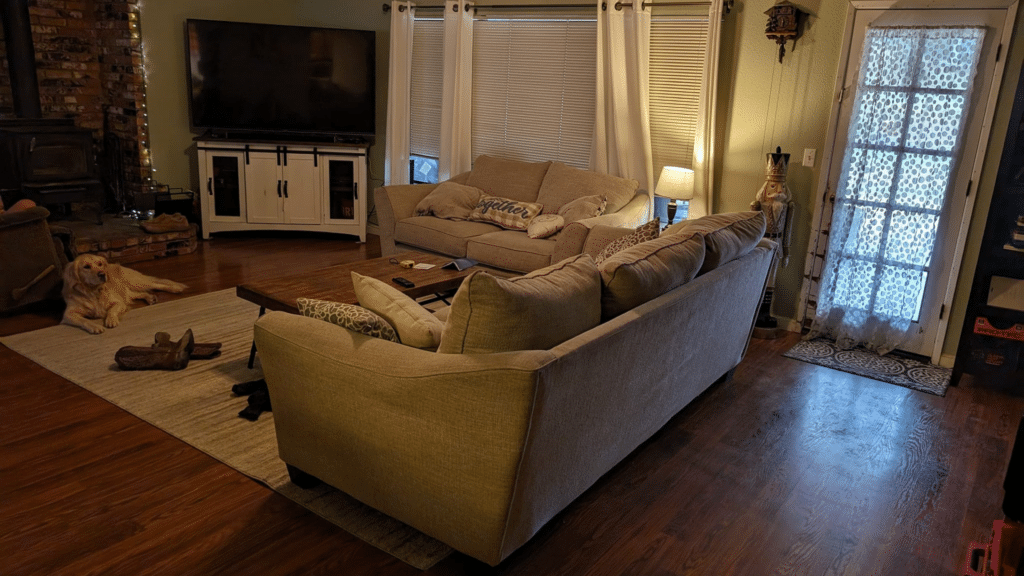
Tudor cottage interiors usually rely on warm and natural color tones. Shades of cream, beige, brown, and soft gray help create a calm and comfortable environment.
These colors also match well with wooden beams, stone fireplaces, and traditional furniture.
Walls are often kept simple so that architectural features stand out. Adding natural materials such as wood floors and textured fabrics can enhance the cozy atmosphere.
This color approach helps the interior feel inviting without becoming too dark or heavy.
Warm tones also allow homeowners to easily update furniture and decorations over time.
12. Built-In Wooden Cabinets
Built-in cabinets are a practical feature often used in Tudor cottage interiors. These cabinets may appear in kitchens, dining rooms, or hallways to provide extra storage.
Wood cabinetry fits well with the traditional style of the home.
Some designs include glass cabinet doors that display dishes or decorative items. Built-in shelves around fireplaces or reading corners can also add character.
These storage features help keep the home organized without taking up additional space.
Many homeowners choose natural wood finishes to maintain the classic cottage appearance throughout the interior.
13. Leaded Glass Windows
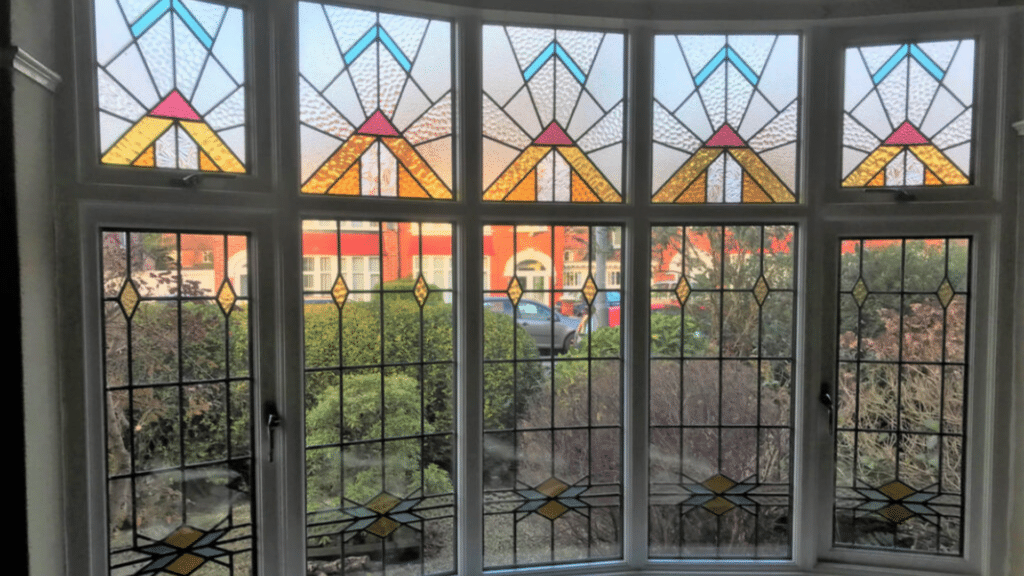
Leaded glass windows reflect classic Tudor design, with small panes joined by thin metal strips.
The panes often form diamond or grid patterns, creating a historic appearance. This window style allows natural light to enter while maintaining privacy.
In older homes, the design was necessary because large sheets of glass were difficult to produce.
Today, leaded windows are mostly decorative but still help preserve the traditional cottage character. Many Tudor cottages place these windows in living rooms, stairways, or entry areas.
14. Rustic Wooden Flooring
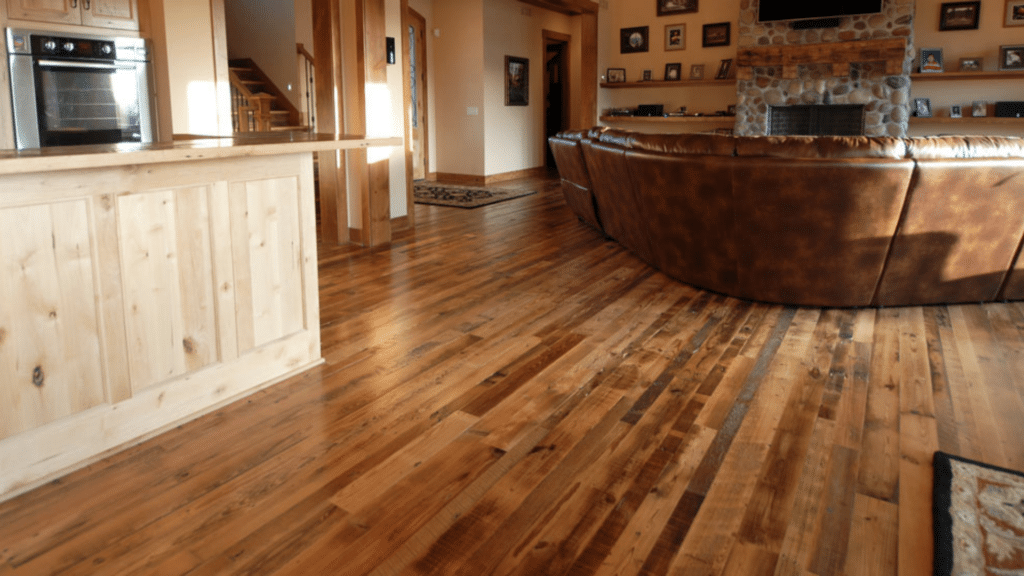
Wood flooring is a common choice for Tudor cottage interiors because it adds warmth and durability. Wide wooden planks often create a rustic appearance that fits the traditional style.
Natural finishes help highlight the grain and texture of the wood.
Many homeowners choose oak, maple, or reclaimed wood to match the historic theme.
Wooden floors also pair well with stone fireplaces and exposed ceiling beams. Rugs can be added to soften the space while still showing the natural floor surface.
This flooring style helps maintain the comfortable and timeless look associated with Tudor cottage homes.
Pros and Cons of Tudor Cottage Homes
Tudor cottages are popular because of their classic design and strong architectural character. However, this style also comes with some practical considerations for homeowners.
| Pros | Cons |
| Classic and eye-catching design | Can cost more to build |
| Strong materials like brick and stone | Maintenance may be higher |
| Cozy and warm feeling inside | Smaller room sizes in some plans |
| Unique rooflines and details | A complex design can raise labor costs |
| Good curb appeal | Not ideal for modern layouts |
Who Should Choose a Tudor Cottage Home?
This style suits people who enjoy classic design and detailed homes. It also works well for those who want a mix of tradition and comfort.
- Love for classic home styles: If you like homes with history, texture, and detail, this style can feel right for you.
- Preference for cozy living spaces: Tudor cottages often have smaller, warm rooms that feel comfortable and inviting.
- Homeowners with flexible budgets: Building or maintaining this style can cost more, so it suits those ready for that investment.
- People building in suburban or rural areas: This design fits better in areas with more space rather than tight city plots.
- Interest in unique exterior design: If you want your home to stand out, Tudor features like beams and steep roofs help achieve that.
- Families wanting character with function: It works well for those who want a traditional look but still need modern layouts inside.
Conclusion
Tudor cottage homes bring together classic design and everyday comfort in a way that still works today.
If you like homes that feel warm, detailed, and a little different from modern builds, this style is worth considering.
From steep roofs to wooden beams, every part adds to the overall look and feel. As you plan your own space, focus on the features that matter most to you.
You can keep the traditional look while adding modern updates that make daily life easier.
Small choices can make a big difference in how your home turns out.
If you have experience with Tudor cottages or are planning one, share your thoughts in the comments below. Your ideas can help others make better choices, too.
Frequently Asked Questions
Can Tudor Cottages Work Well in Urban Areas?
Yes, Tudor cottages can work in urban areas if the lot allows space for steep roofs and traditional exterior features. Architects often adjust the layout slightly so the home fits smaller city plots while keeping the Tudor style.
What Roofing Materials Are Commonly Used for Tudor Cottages?
Slate, clay tiles, and textured asphalt shingles are common roofing choices for Tudor cottages.
These materials support the steep roof design and help maintain the traditional appearance.
Are Tudor Cottages Energy Efficient?
Modern Tudor cottages can be energy-efficient with proper insulation and energy-efficient windows.
Upgraded heating and cooling systems also help maintain comfortable indoor temperatures.
How Long Does It Take to Build a Tudor Cottage?
Construction time depends on the size of the home and the level of architectural detail.
Many Tudor cottages take several months to complete due to complex roof designs and exterior elements.
Do Tudor Cottages Require Special Maintenance?
Some exterior elements, such as timber framing and masonry, may require regular inspection and maintenance. Routine maintenance helps protect materials and keeps the home looking traditional and well-preserved.