

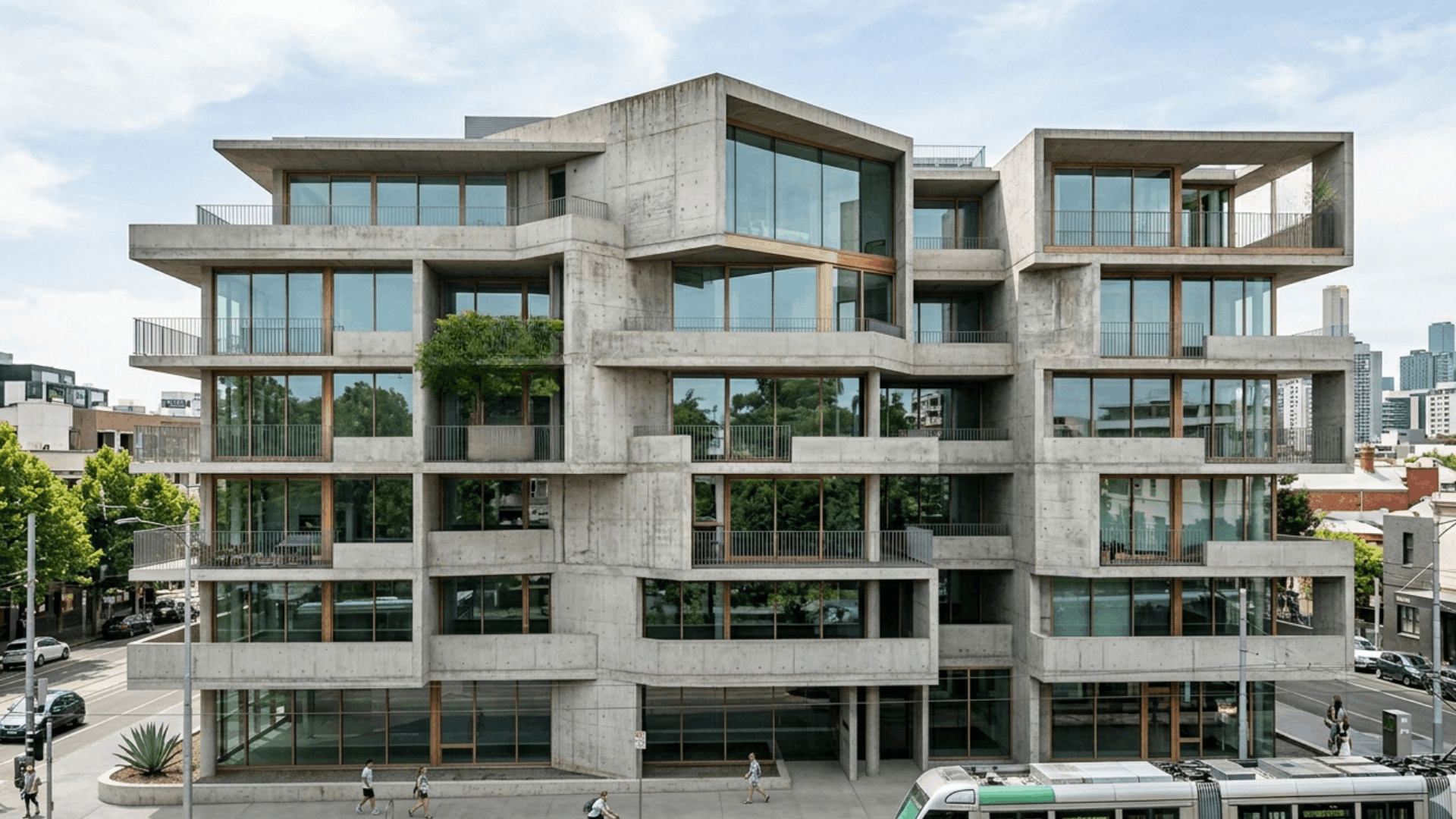
I’ve always been drawn to bold buildings, but I also care about how they affect the planet. That’s where eco brutalism caught my attention.
If you’ve seen concrete buildings covered in greenery, you’ve already seen this style in action. It mixes strong, raw design with simple, eco-friendly ideas.
In this guide, I’ll help you understand what eco brutalism really means. You’ll learn its definition, key features, and the thinking behind it.
I’ll also share with you materials, real examples, and what the future might look like for this style.
By the end, you’ll have a clear idea of why eco brutalism is growing in modern architecture and how it connects design with nature in a practical way.
What Is Eco Brutalism in Architecture?
Eco-brutalism is a modern architectural style that combines raw concrete design with eco-friendly principles.
It takes the bold, unfinished look of traditional brutalism and softens it by adding natural elements like plants, green walls, and open landscapes. The goal is to create buildings that feel strong yet connected to nature.
This style focuses on sustainability, using energy-efficient systems, natural light, and eco-conscious materials. Instead of hiding concrete, eco brutalism embraces it while balancing it with greenery and environmental care.
The philosophy behind eco brutalism is simple: build structures that last for a long time, reduce harm to the planet, and bring people closer to nature.
As cities grow, this approach is gaining attention for its mix of durability, beauty, and future-ready design.
History of Eco Brutalist Architecture Design
Eco brutalist architecture design developed from a mix of bold structure and eco-friendly thinking. It combines the raw look of brutalism with modern sustainability ideas.
| Time Period | Key Development | Description |
|---|---|---|
| 1950s | Early Brutalism | Rise of raw concrete buildings with simple, bold designs. |
| 1960s–1970s | Brutalism Peak | Widespread use in public buildings, focused on strength and function. |
| 1980s | Criticism Phase | People begin to question the harsh look and lack of warmth. |
| 1990s | Sustainability Awareness | Growing focus on energy use and environmental impact. |
| Early 2000s | Green Design Rise | Use of plants, natural light, and eco-friendly materials increases. |
| 2010s | Eco Brutalism Emerges | Blend of concrete design with nature and sustainability ideas. |
| 2020s–Future | Modern Evolution | Focus on climate-friendly buildings and greener urban spaces. |
Core Philosophy Behind Eco Brutalism
Eco brutalism goes beyond appearance by focusing on how buildings function, connect with nature, and stand the test of time. It focuses on how buildings connect with nature while staying strong and long-lasting.
- Use of Honest Materials: Concrete, steel, and natural elements are shown as they are, without covering or decoration. This creates a raw and real look.
- Strong Connection with Nature: Buildings include plants, green walls, and open spaces. This helps soften the heavy structure and makes spaces feel more alive.
- Focus on Sustainability: Designs aim to save energy, use natural light, and reduce harm to the environment over time.
- Long-Lasting Durability: Structures are made to be strong and last for decades, reducing the need for frequent rebuilding.
- Simple and Bold Forms: The design avoids extra details and focuses on clean, strong shapes that are easy to recognize.
- Balance Between Hard and Soft Elements: Heavy concrete is balanced with greenery and natural textures to create a more comfortable feel.
- Future-Ready Thinking: Eco brutalism supports better city living by combining solid design with eco-friendly ideas.
Famous Eco Brutalist Buildings You Should Know
Eco-brutalist buildings stand out for their bold concrete design, combined with natural elements such as greenery and light. These structures show how modern architecture can be both strong and environmentally thoughtful.
1. Jungle House, Brazil
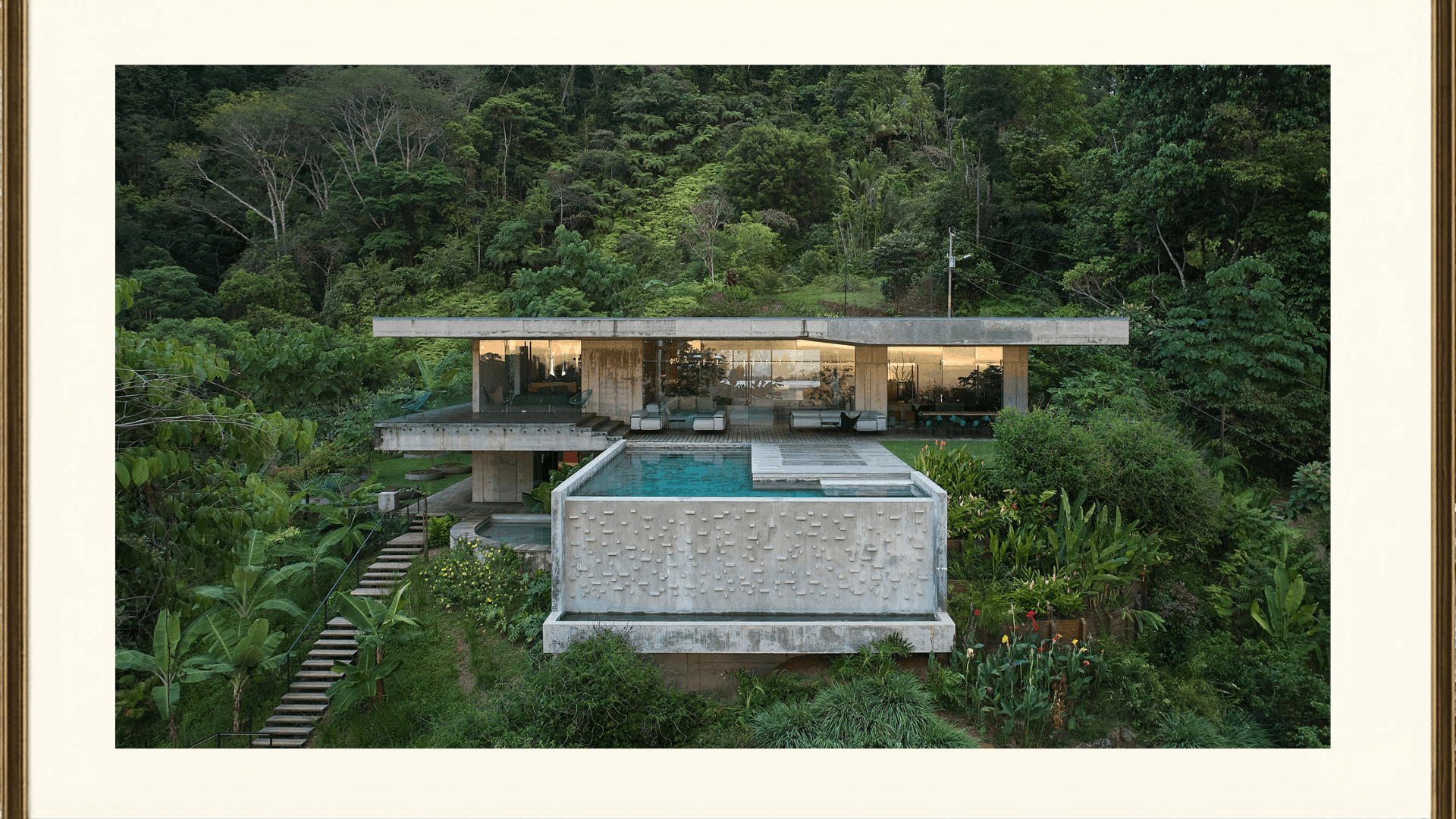
Jungle House in Brazil is a great example of eco-brutalism that works with nature rather than against it. The structure is made from exposed concrete and is elevated on pillars to protect the forest floor.
This design allows natural air flow and reduces impact on the land. Native plants surround the home, helping it blend into the environment.
Large open spaces connect indoor and outdoor living, making the house feel light and natural despite its strong concrete form.
Ideal for: Forest locations where preserving natural land is important.
2. Art Villa, Costa Rica
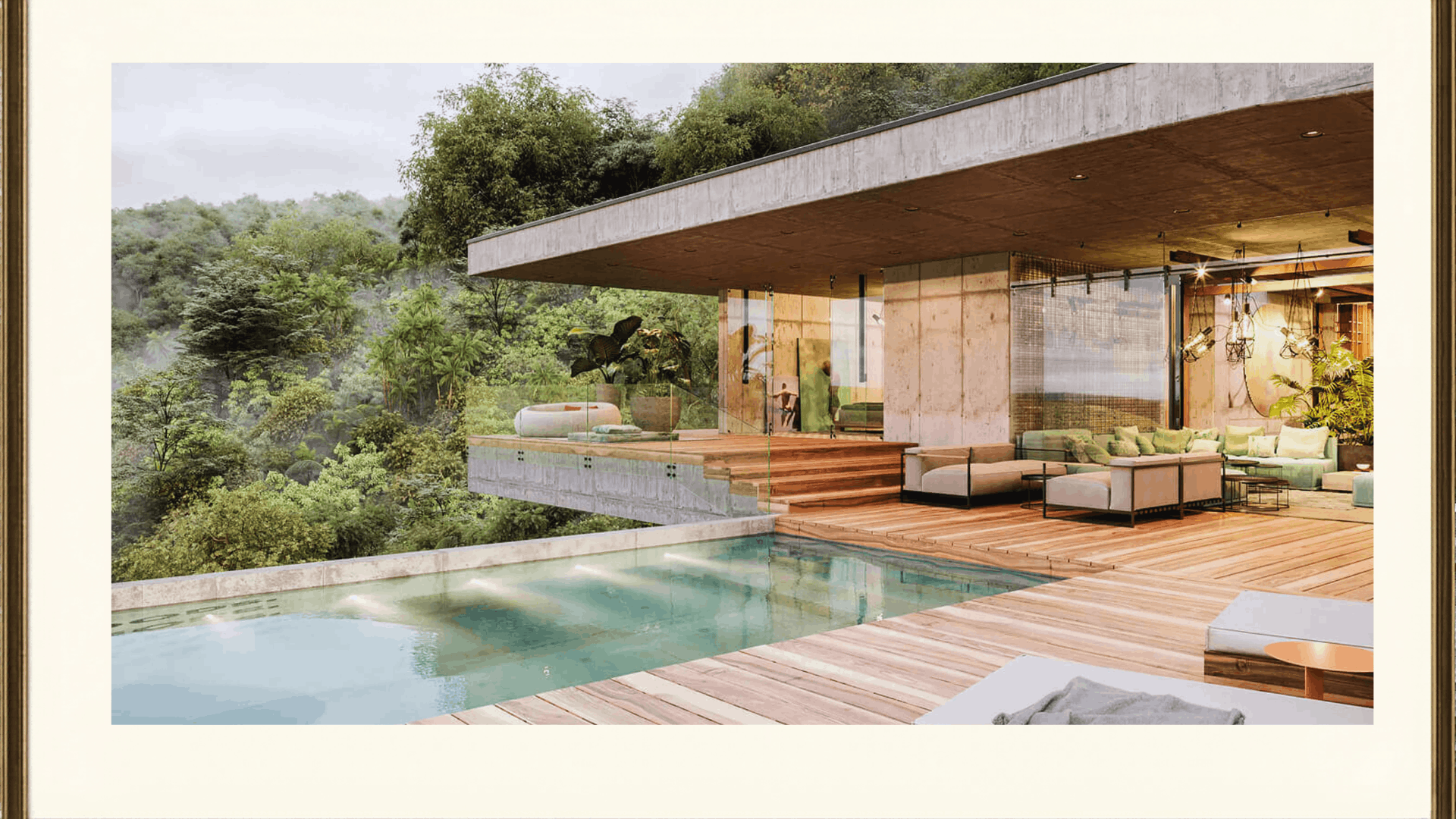
Art Villa in Costa Rica shows how geometric concrete design can exist within a dense jungle setting. The villa uses bold shapes and open layouts to allow fresh air and natural light to move freely.
Its structure does not disturb the surrounding landscape; instead, it fits into it. The use of raw concrete keeps the design simple, while the surrounding greenery softens the look.
This balance creates a calm and eco-friendly living space.
Ideal for: Tropical areas that benefit from open ventilation and natural light.
3. Valley, Amsterdam
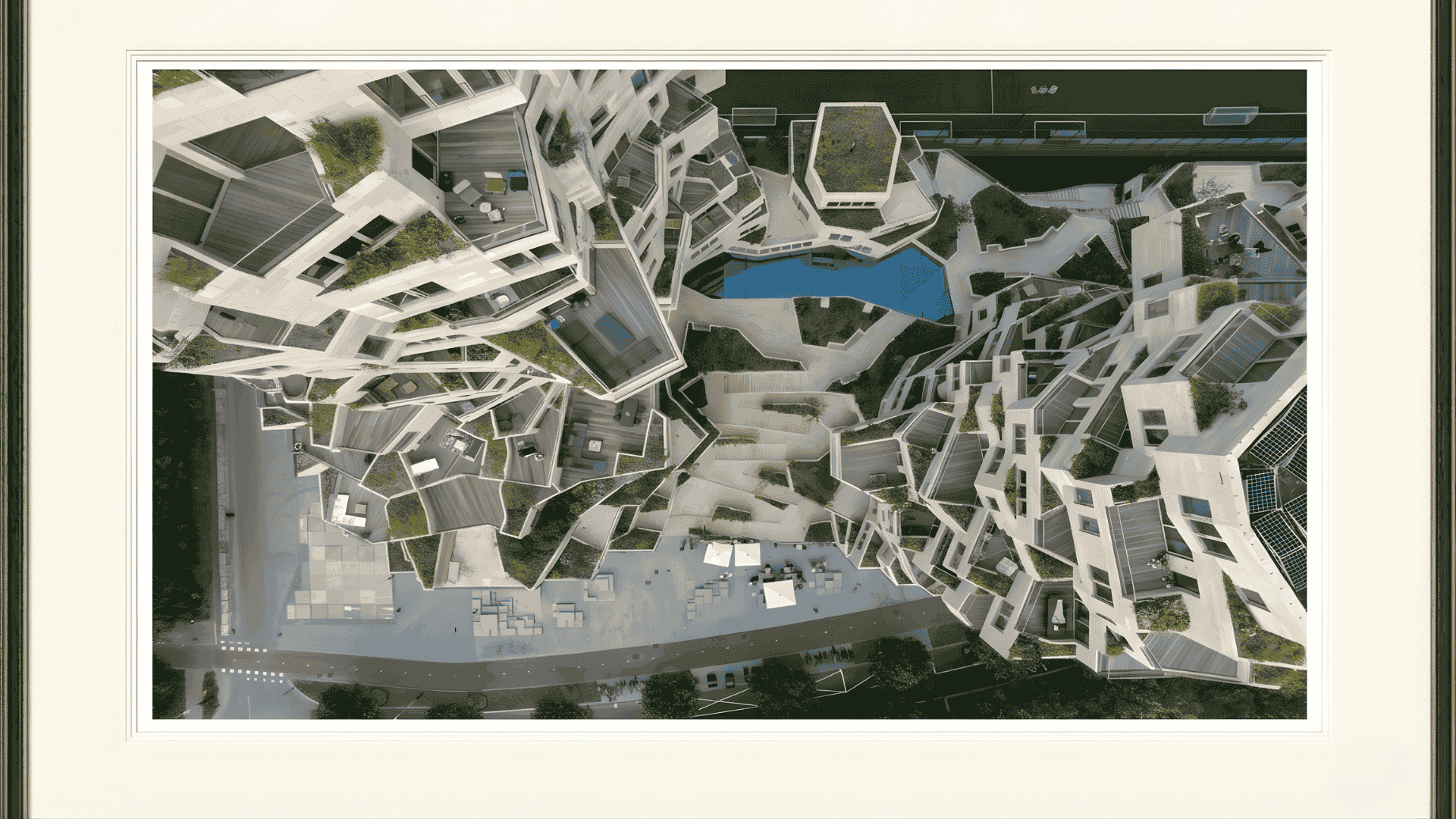
Valley in Amsterdam is a modern example of eco brutalism in a busy city setting. The building features large concrete towers covered with thousands of plants, creating a green urban space.
These plants help improve air quality and reduce heat in the area. The design shows how cities can grow while still adding nature back into daily life.
It also offers residents a healthier environment with better views and natural surroundings.
Ideal for: Dense urban areas that need more greenery.
4. Bosco Verticale, Milan
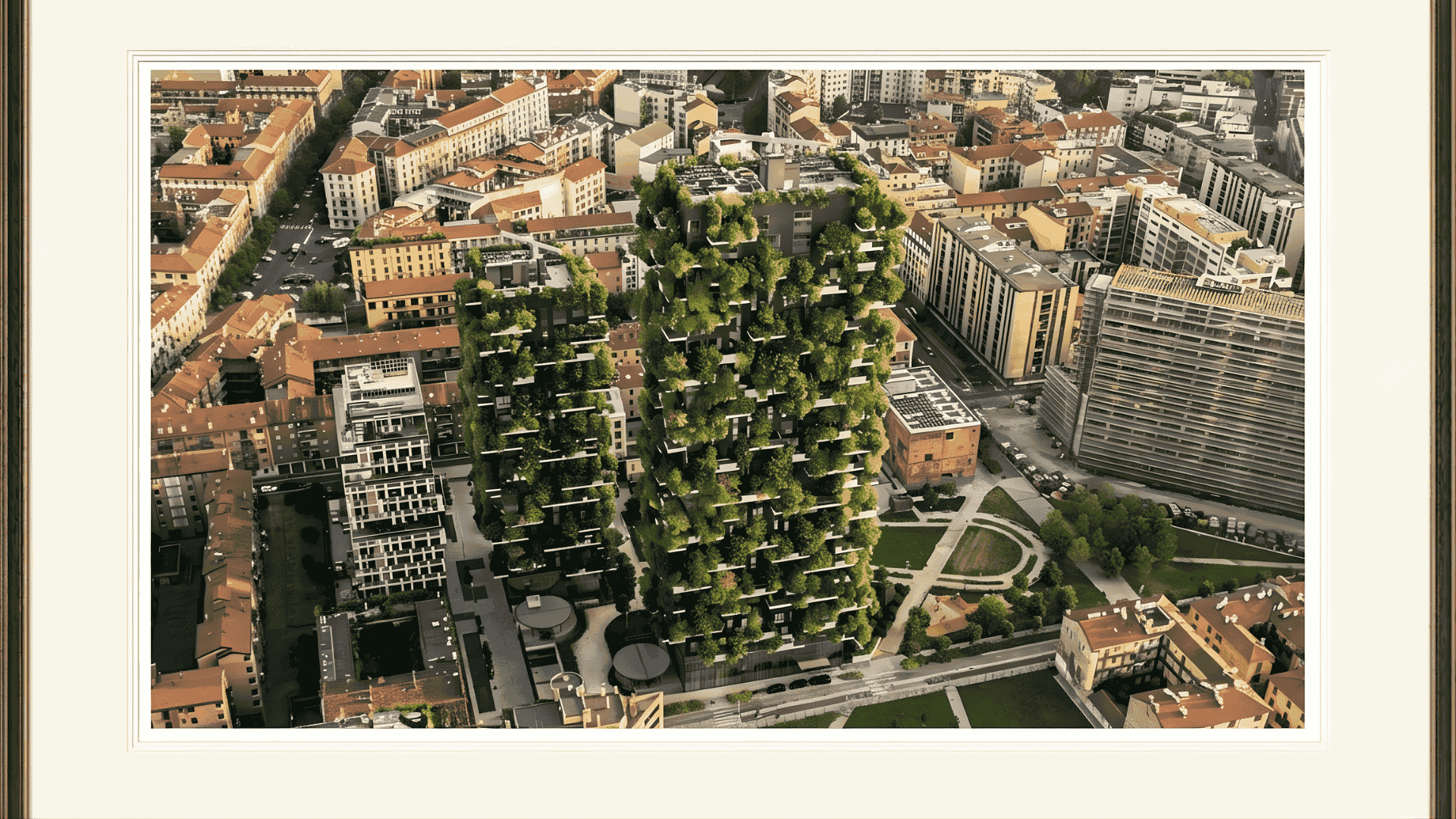
Bosco Verticale in Milan is known for its tree-filled towers that rise from a concrete base. Each balcony holds plants and trees that help clean the air and provide shade.
This design reduces pollution and creates a cooler environment around the building. The strong concrete structure supports the weight of the greenery while maintaining the design’s stability.
It is a great example of how eco brutalism can improve urban living through nature.
Ideal for: City living with limited ground space for greenery.
5. Barbican Estate, London
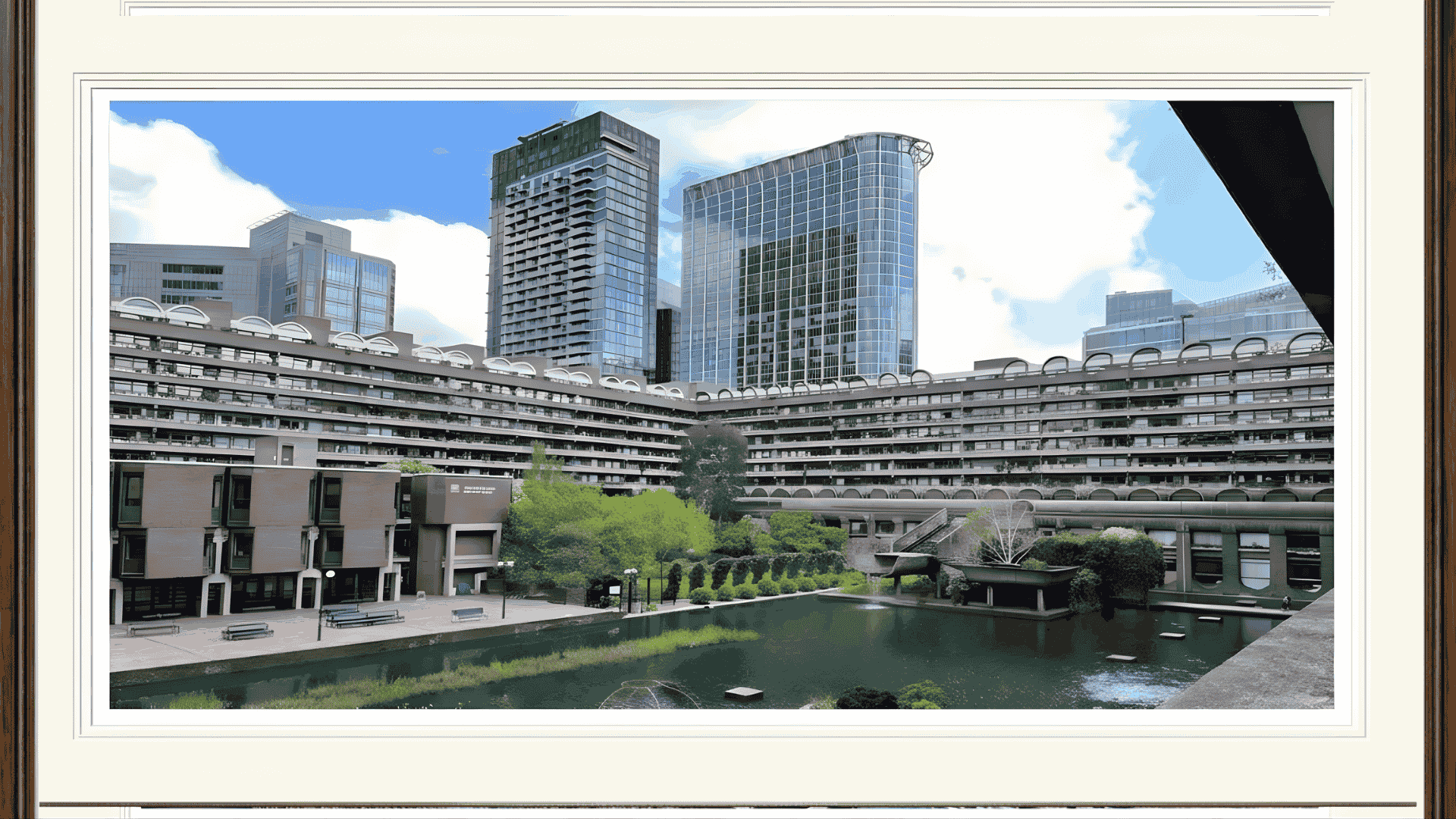
Barbican Estate in London is a classic brutalist project that has been adapted over time with eco-friendly features. The concrete buildings now include green spaces and a large conservatory filled with plants.
Renewable energy systems have also been added to improve efficiency. This shows how older brutalist designs can be updated to meet modern environmental needs.
The mix of strong structure and greenery creates a more balanced and livable space.
Ideal for: Renovating older buildings with sustainable upgrades.
6. Tiing Boutique Resort, Bali
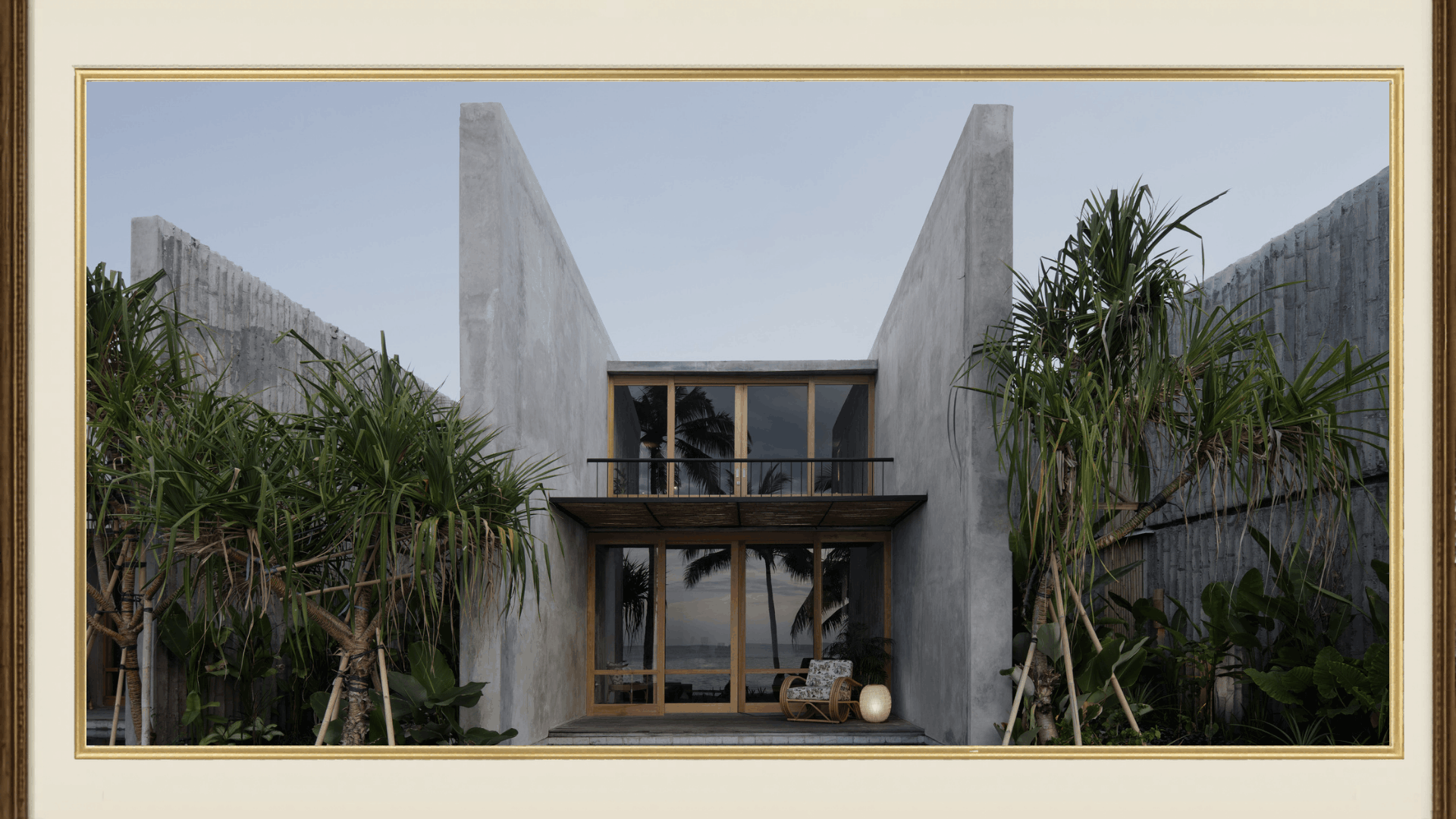
Tiing Boutique Resort in Bali uses raw concrete forms combined with tropical greenery to create a peaceful setting. The design features open layouts that allow fresh air and natural light to flow freely throughout the space.
Plants and natural surroundings soften the strong concrete structure. This approach creates a relaxing environment while still keeping the bold style of brutalism.
It also supports eco-friendly living by using natural elements rather than heavy, artificial systems.
Ideal for: Resorts and homes in warm, tropical climates.
7. Habitat 67, Montreal
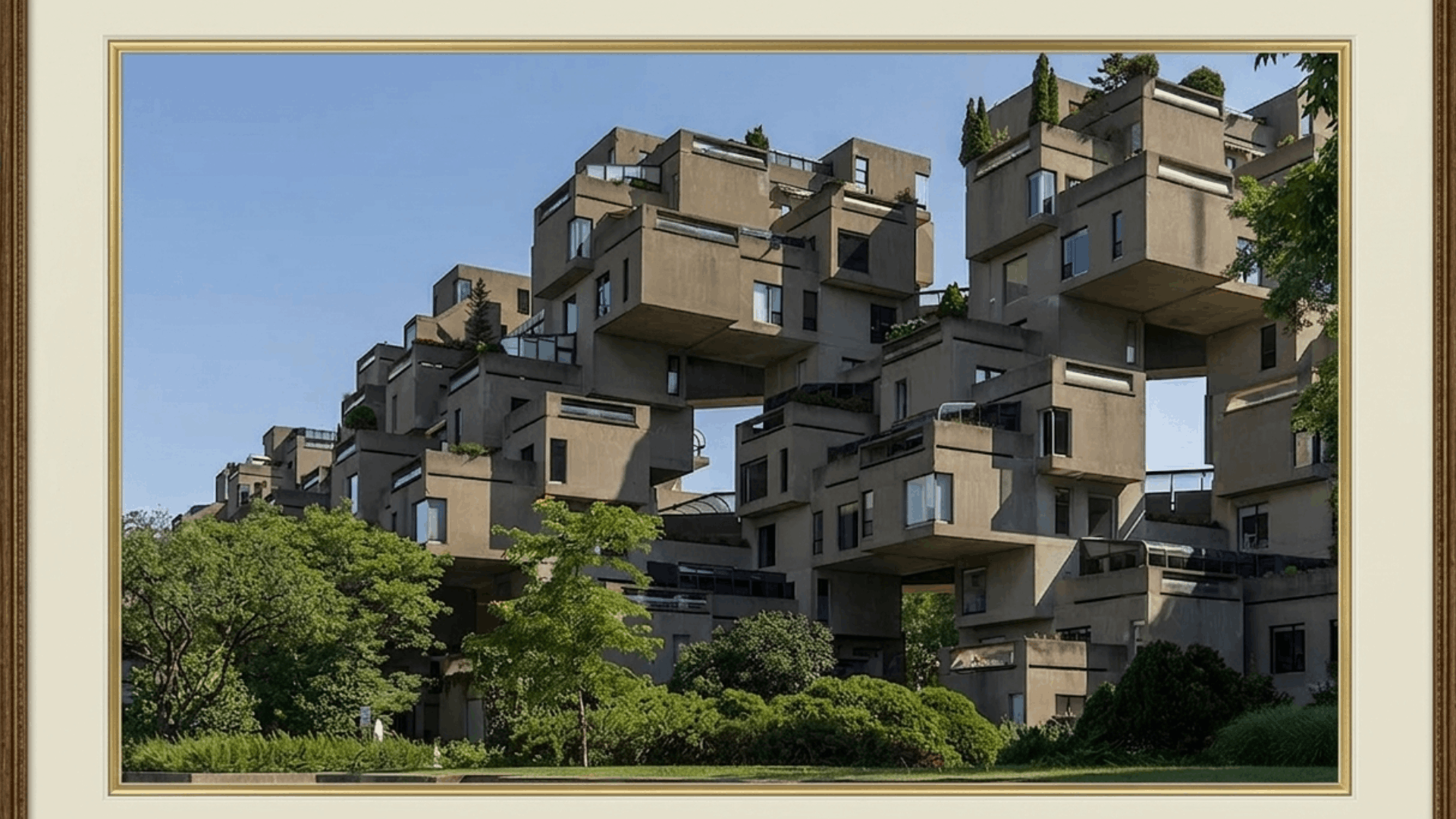
Habitat 67 in Montreal is a well-known modular concrete project that inspired modern eco brutalism. The design uses stacked concrete units with rooftop gardens and open terraces.
These spaces allow residents to enjoy greenery while living in a dense urban area. Over time, eco-friendly updates have improved its sustainability.
The project shows how strong concrete design can be adapted to include nature and support better living conditions.
Ideal for: Compact urban housing with shared green spaces
How Eco Brutalism Blends Nature and Concrete?
Eco brutalism blends nature and concrete by combining strong, raw structures with natural elements that soften their look.
Instead of hiding concrete, this style highlights it by adding greenery such as plants, trees, and green walls. Large windows and open layouts bring in natural light, making spaces feel more connected to the outdoors.
Professionals also use eco-friendly features such as rainwater systems, natural ventilation, and energy-saving designs.
The goal is to create buildings that feel balanced, not heavy or cold. Concrete provides strength and durability, while nature adds warmth and life.
This mix helps buildings fit better into their surroundings. It also supports healthier living spaces and reduces environmental impact.
Pros and Cons of Eco Brutalist Architecture
Eco-brutalist architecture offers a unique blend of strength and sustainability. While it has many benefits, it also presents some challenges.
| Aspect | Pros | Cons |
|---|---|---|
| Durability | Strong and long-lasting structures | Hard to modify once built |
| Sustainability | Supports eco-friendly living | Concrete has a carbon footprint |
| Design | Unique and bold appearance | Can feel heavy or harsh |
| Natural Elements | Blends well with greenery | Plants need regular care |
| Energy Use | Uses natural light and ventilation | Requires careful planning |
| Cost | Saves money long-term | High upfront construction cost |
| Comfort | Creates healthier living spaces | Not suitable for all climates |
| Maintenance | Durable materials need less repair | Green features need upkeep |
| Urban Fit | Works well in modern cities | May not match all neighborhoods |
| Innovation | Encourages creative design solutions | Requires skilled designers |
Why Eco Brutalism Is Gaining Popularity?
Eco brutalism is gaining popularity because it offers a thoughtful balance between strong design and environmental responsibility, which many people value today.
As awareness of climate issues grows, homeowners and professionals are seeking ways to create spaces that reduce impact while still feeling modern and practical.
This style supports that need by using natural light, greenery, and energy-efficient features.
Another reason for its rise is its bold and unique appearance, which stands out from common design styles. Many people now prefer homes that feel different and have a clear identity.
Eco brutalism also works well in urban areas where space is limited and smart design matters more than ever, making it a suitable choice for future living.
The Future of Eco Brutalism in Architecture
Eco-brutalism is expected to grow as cities seek stronger, more eco-friendly building solutions. It reflects a shift toward designs that balance durability with environmental care.
- More Green Integration: Buildings will include more plants, green roofs, and vertical gardens to improve air quality and comfort. This also helps reduce heat and creates a closer connection between people and nature.
- Advanced Sustainable Materials: New materials will reduce the environmental impact of concrete while keeping its strength. These innovations can make construction more efficient and less harmful over time.
- Smart Energy Systems: Homes will use more efficient energy-saving systems, such as solar panels and natural cooling methods. This lowers energy bills and supports a more eco-friendly lifestyle.
- Urban Space Optimization: Designs will focus on making better use of limited space in growing cities. This allows for smarter layouts that meet modern living needs.
- Climate-Responsive Design: Buildings will be designed to better withstand changing weather conditions. This improves long-term durability and reduces damage from extreme climates.
- Focus on Well-Being: More attention will be given to creating healthier and more comfortable living spaces. Natural light, fresh air, and greenery will play a bigger role in daily living.
Conclusion
After learning about eco brutalism, you can see that it is more than just a design trend. It brings together strength, simplicity, and a real connection to nature in a way that feels practical for today’s world.
From its history to its growing role in modern cities, this style shows how architecture can evolve with changing needs.
In my experience, styles like this stand out because they feel honest and purposeful, not just decorative.
If you are thinking about design ideas or simply enjoy learning about architecture, eco-brutalism offers a fresh way to look at the spaces around you.
Now I would love to hear from you. What do you think of eco-brutalism, and would you consider it for your home? Share your thoughts or experience in the comments below!
Frequently Asked Questions
Is Eco Brutalism Suitable for Residential Homes?
Yes, it can work well in homes when balanced with greenery, natural light, and warm elements.
Does Eco Brutalism Increase Property Value?
It can increase value in modern markets where unique and sustainable designs are preferred.
What Type of Climate Suits Eco Brutalist Architecture?
It works best in climates that support natural ventilation and plant growth.
Is Eco Brutalism Expensive to Build?
It may cost more upfront, but long-term savings can offset the initial expense.
Can Eco Brutalism Be Combined with Other Styles?
Yes, it blends well with modern and minimalist styles for a balanced design.