

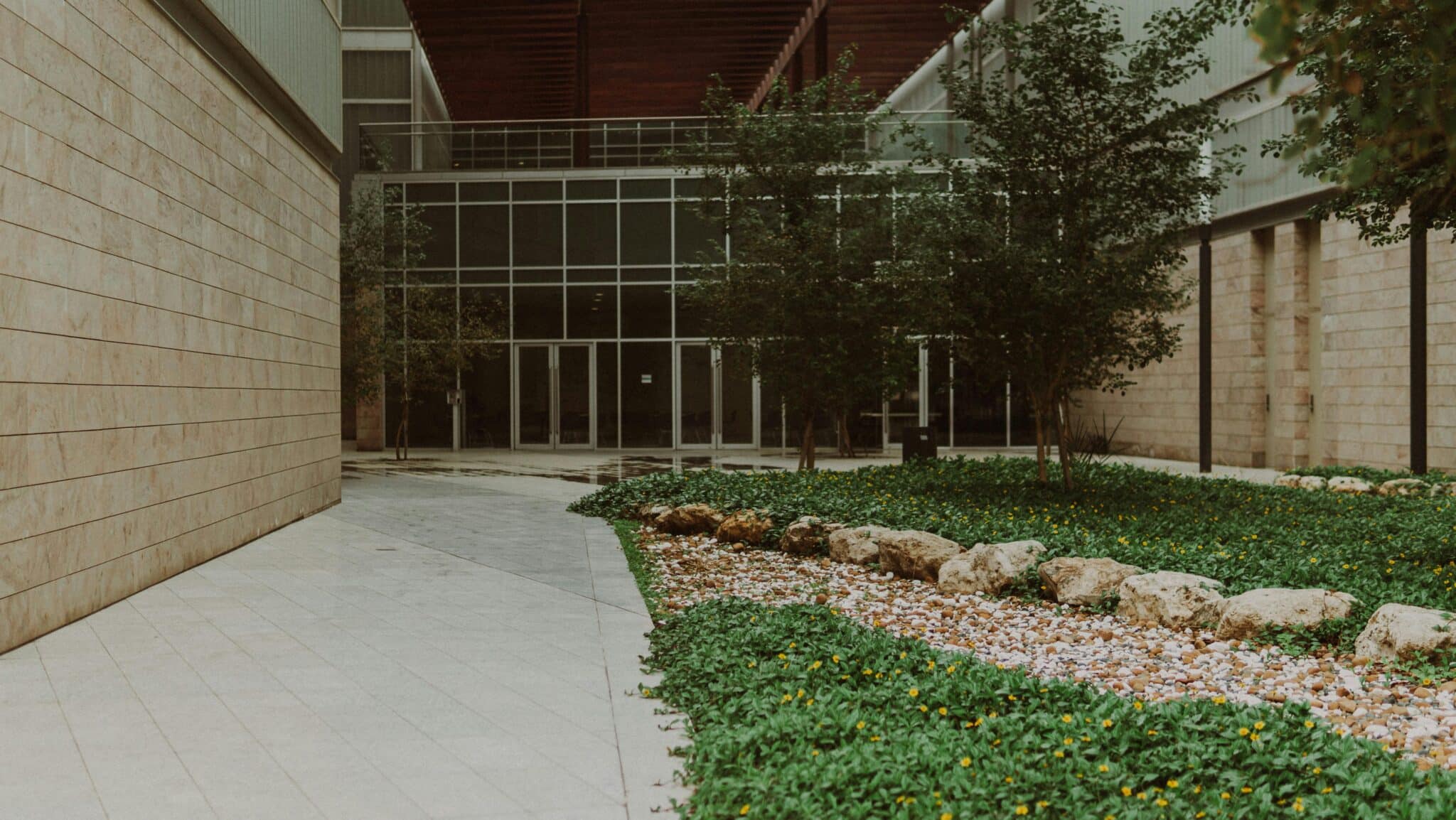
There’s something quietly powerful about a space that doesn’t try too hard. When you step into a backyard or walk up to a house, something nice happens. You don’t feel overwhelmed by all the little things. Instead, your eyes relax and take it all in.
Your shoulders loosen up a bit, and you breathe a little deeper without even thinking about it. This feeling isn’t just a coincidence.
It’s what happens when someone uses a design approach that keeps things simple and easy to look at. This approach is all about clarity, purpose, and not overdoing it.
When you’re outside, where the natural world, buildings, and your own personal taste all come together, keeping things simple is not just about how something looks. It’s actually a way to influence how people feel when they’re in a particular space.
Why Simplicity Matters More Than Ever
Modern life is loud, with notifications, crowded visuals, and constant movement. Our environments often mirror that chaos, especially when every design trend competes for attention.
Exterior spaces have the opportunity to do the opposite. They can offer relief. A simple space can be really calming. It’s easier for our minds to relax when there aren’t many things competing for our attention. We can focus on what matters, and it feels peaceful.
This sense of calm is something we can feel right away, and it’s very real. When a space is cluttered and busy, our brains get tired from trying to process everything.
But when it’s simple, we can unwind and feel more at ease. It’s like a breath of fresh air. And it’s not about having less for the sake of minimalism. It’s about choosing what truly belongs.
The Difference Between Empty and Intentional
There’s a common misunderstanding that simplicity means emptiness. That stripping a space down removes personality or warmth.
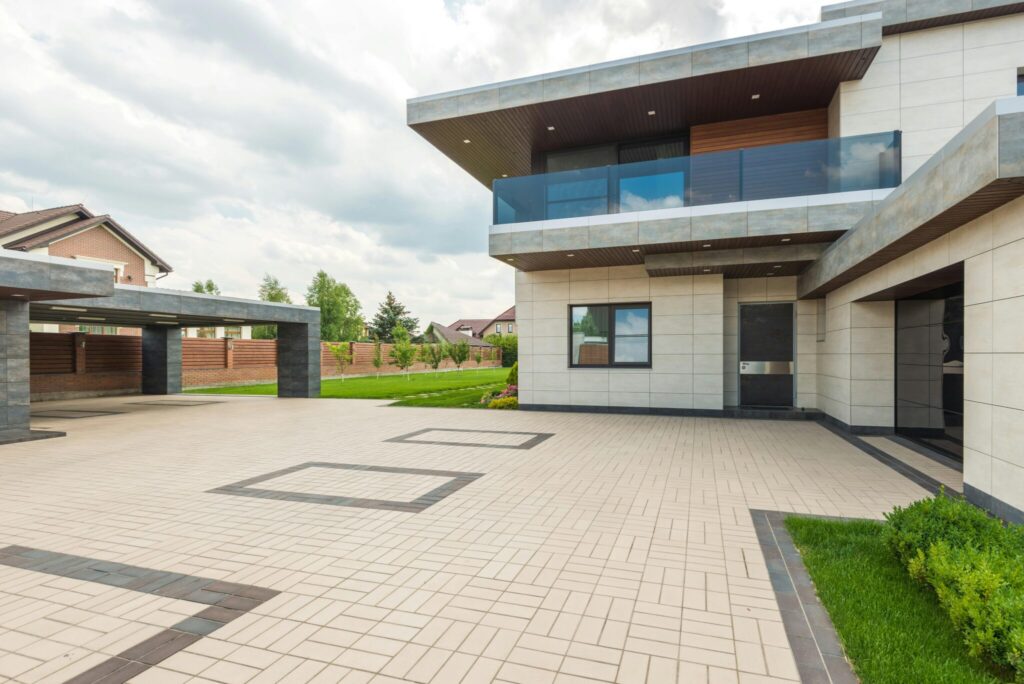
Being simple on purpose isn’t about leaving things out; it’s about being clear and easy to understand—a simple path made of stones that guides your view forward. There’s a cozy spot to sit and chat with others. The limited color palette keeps everything looking nice and tidy.
This doesn’t make the space boring; it actually makes it more interesting. When a space is really thought out, every little thing counts. And people notice.
Creating Flow Through Visual Restraint
One of the most overlooked benefits of simplicity is its ability to improve flow.
When there are too many focal points, the eye doesn’t know where to land. Movement through the space feels uncertain. But when design elements are reduced and aligned, navigation becomes intuitive. Paths feel natural.
Transitions feel smooth. Even small spaces feel more open. This is especially relevant in the middle stages of planning exterior home renovations, where it’s easy to over-layer ideas.
Adding features can feel productive, but without a clear visual hierarchy, those additions can compete instead of complement. The goal is not to fill space. It’s to guide experience.
Letting Materials Speak
When things are simple, the materials have a chance to really shine. When you don’t mix too many different textures and finishes, you can really see the natural beauty of each material.
The wood grain stands out more, and the stone feels more solid and connected to the earth. The metal accents don’t just look pretty; they serve a purpose and add to the overall feel of the space. This simple approach makes each element feel more authentic and meaningful.
This method helps create a stronger link between the space and the things around it. It feels real. And that authenticity tends to last longer than trend-driven design choices.
The Role of Color and Contrast
Color plays a quiet but critical role in visual simplicity. A limited palette creates cohesion. It allows the eye to move smoothly without interruption.
Neutrals often dominate simple exterior designs because they reflect natural surroundings and age gracefully. But simplicity doesn’t mean avoiding contrast altogether.
A single bold element, like a dark door against a light facade or a striking planter in an otherwise neutral space, can anchor the entire design. The key is restraint. One strong moment is often more impactful than five competing ones.
Maintenance as a Design Principle
Here’s something people don’t always consider. Simplicity is easier to maintain.
Complex spaces require more upkeep. More materials to clean, more features to repair, more details that can wear unevenly over time. A simpler design reduces that burden.
It keeps the space looking intentional even as it ages. And that consistency matters, especially for exterior environments exposed to weather and seasonal change.
In that sense, simplicity is not just about how a space looks today. It’s about how it continues to feel over time.
Emotional Impact of a Simplified Space
At its core, visual simplicity is about how a space makes someone feel. Calm. Clear. Grounded.
These aren’t just aesthetic outcomes. Design decisions shape their emotional responses.
When a space feels balanced, people linger longer. Conversations stretch. Quiet moments become more noticeable. Even brief interactions, like arriving home after a long day, feel different.
And that’s the real value. Not just how the space looks, but how it supports the people moving through it.
Designing With Intention
Achieving visual simplicity requires discipline. It means editing ideas instead of constantly adding to them.
It means stepping back and asking whether each element serves a purpose or fills space. It also means trusting that less can be enough.
Because often, it is. A well-designed exterior space doesn’t need to announce itself loudly. It doesn’t need to impress at first glance. Its strength comes from consistency, clarity, and a quiet confidence that unfolds over time.
Final Thoughts
Visual simplicity is not a limitation. It’s a refinement. It asks better questions. What matters here? What can be removed? What deserves attention?
And in answering those questions, exterior spaces become more than just visually appealing. They become places that feel considered, grounded, and human. In a world that rarely slows down, that kind of space is not just nice to have. It’s necessary.