

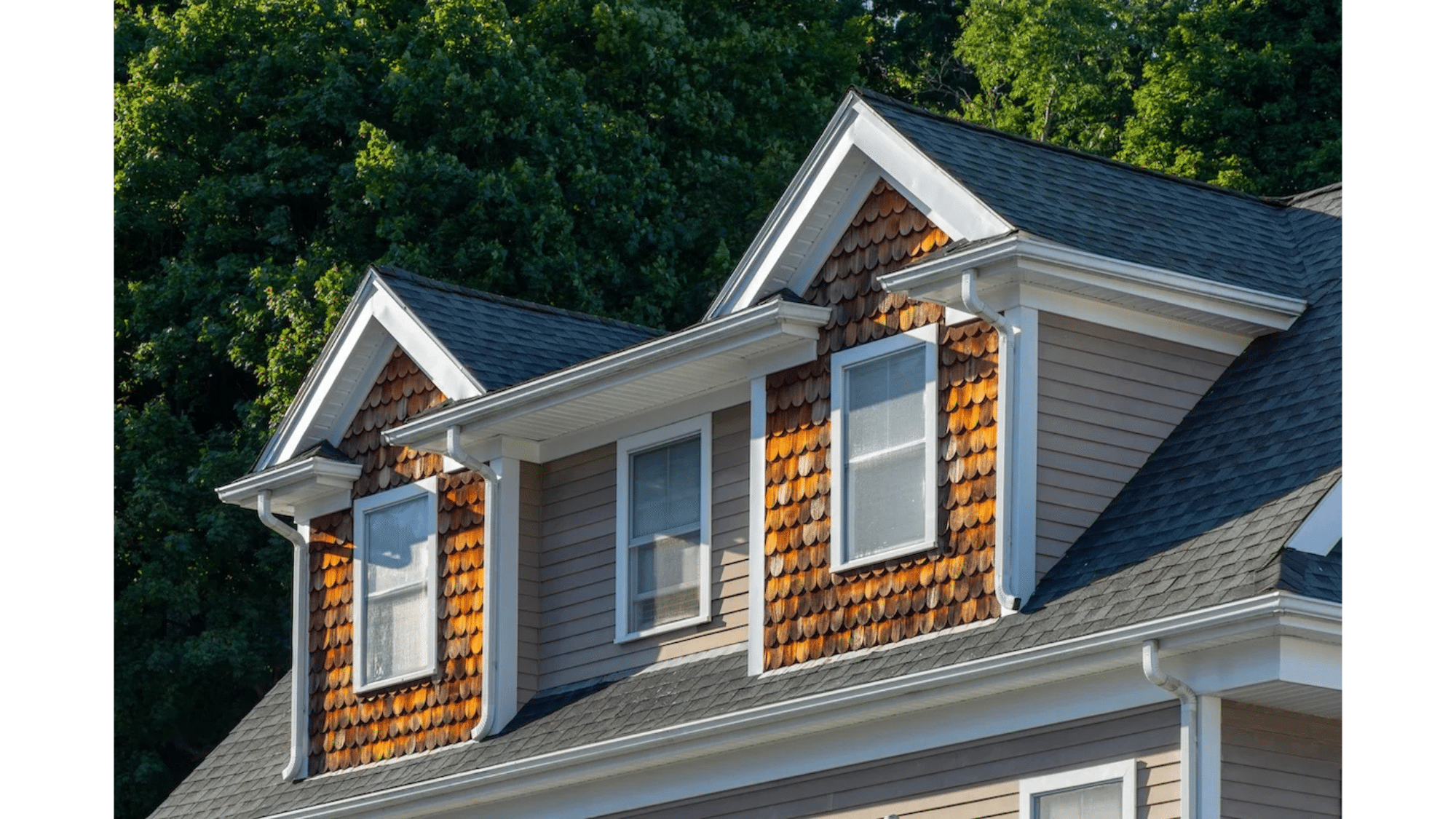
If you’ve ever looked up at the edge of your roof and noticed a flat board running just above the gutters, that’s fascia. It looks like trim, but it’s doing real structural work.
It covers the exposed ends of your roof’s rafters, anchors the gutter system, and keeps water and pests out of the roofline. Without it, the edge of your roof is essentially open.
In this article, I’ll walk you through what fascia is, what it’s made from, how it protects your home, and how to spot problems before they get expensive.
What is Fascia on a House?
Fascia is the horizontal board that sits at the lower edge of your roof, right where the rafters and trusses end. Its job is to cover those exposed rafter ends, sealing the gap so water, pests, and debris can’t get in through the roofline.
It’s also the surface your gutters mount to. If the fascia weakens, the gutters go with it.
Common materials include wood, vinyl, aluminum, fiber cement, and PVC. Each has different maintenance needs and suits different climates.
Fascia also works alongside the soffit, the board that runs horizontally underneath the eave, between the fascia and your exterior wall. The fascia faces outward and holds the gutters. The soffit faces downward and handles ventilation. Together, they close off the roof’s underside completely.
If one fails, moisture and pests can get into the roofline. When you’re inspecting fascia, always check the soffit too.
Common Fascia Materials Used in Residential Homes
Not every material works well in every climate. The right choice depends on where you live, your maintenance tolerance, and your budget. Here’s how the main options compare.
1. Wood
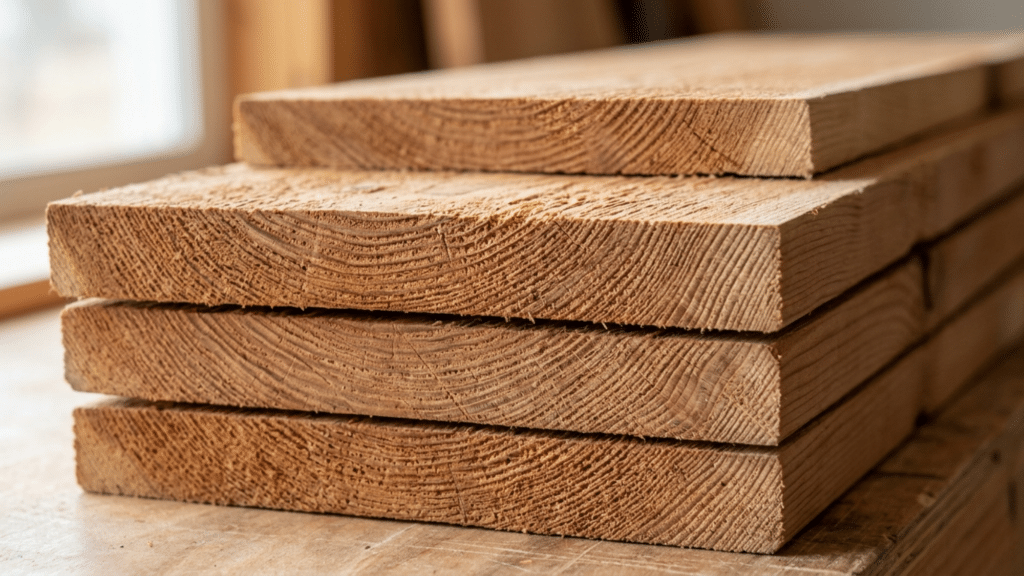
Wood is the traditional choice and still common on older homes. It looks natural, takes paint or stain easily, and blends well with most architectural styles.
The catch is maintenance. Wood absorbs moisture, and once rot sets in, it spreads fast. Cedar holds up better than pine, but both need regular inspection and repainting — especially in wet or humid climates.
If you’re in a dry region and willing to stay on top of it, wood is a solid option. If not, one of the low-maintenance materials below will serve you better long-term.
2. Vinyl
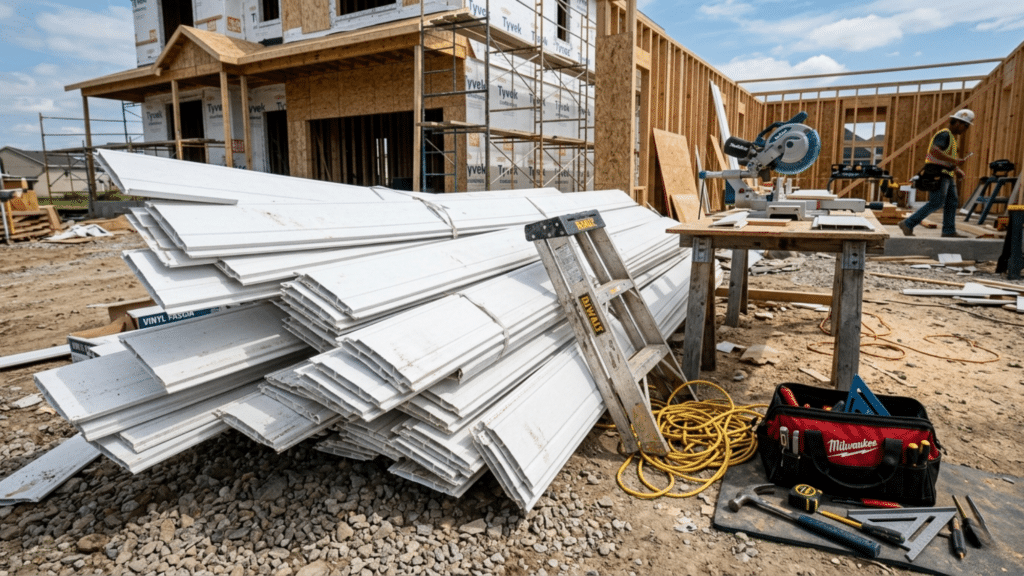
Vinyl doesn’t rot, doesn’t need painting, and comes pre-finished in a wide range of colors. For high-humidity or high-rainfall areas, it’s a practical upgrade from wood.
The downside is UV exposure. Over years of direct sun, vinyl can become brittle and crack. It’s worth checking every season, a cracked section lets in the water it’s supposed to block.
3. Aluminum
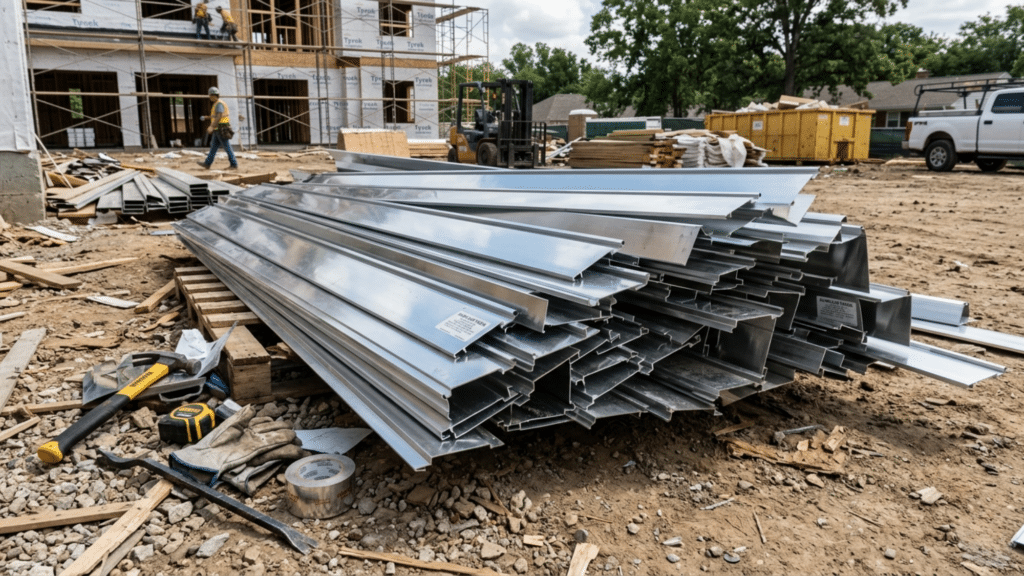
Aluminum handles rust, corrosion, and extreme temperatures well. It’s the go-to for coastal homes where salt air would destroy wood or vinyl quickly.
It’s lightweight, low-maintenance, and available in various finishes. The one weakness is impact resistance; aluminum dents more easily than other materials. Careful installation matters here, especially around ladder contact points.
4. Fiber Cement
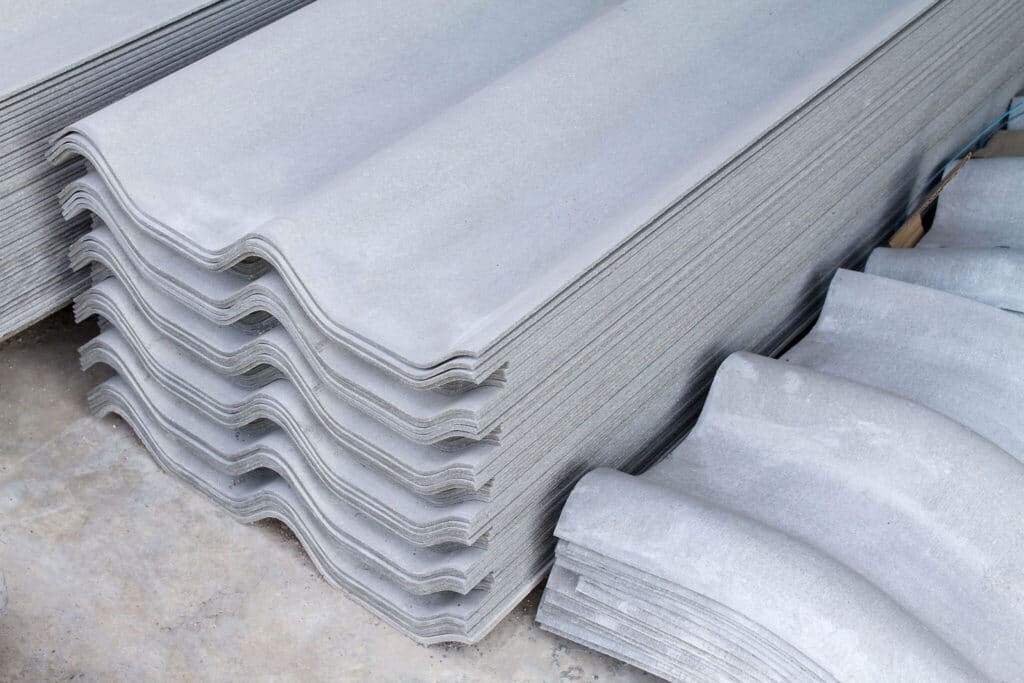
Fiber cement is made from cement, sand, and cellulose fibers. It gives you the look of wood with none of the rot risk, and it’s also resistant to termites and fire.
It handles storm-prone and high-humidity climates well. The cost is higher upfront than wood or vinyl, but it requires far less maintenance over time. For homeowners who want to install it once and forget it, fiber cement is worth the price difference.
5. PVC
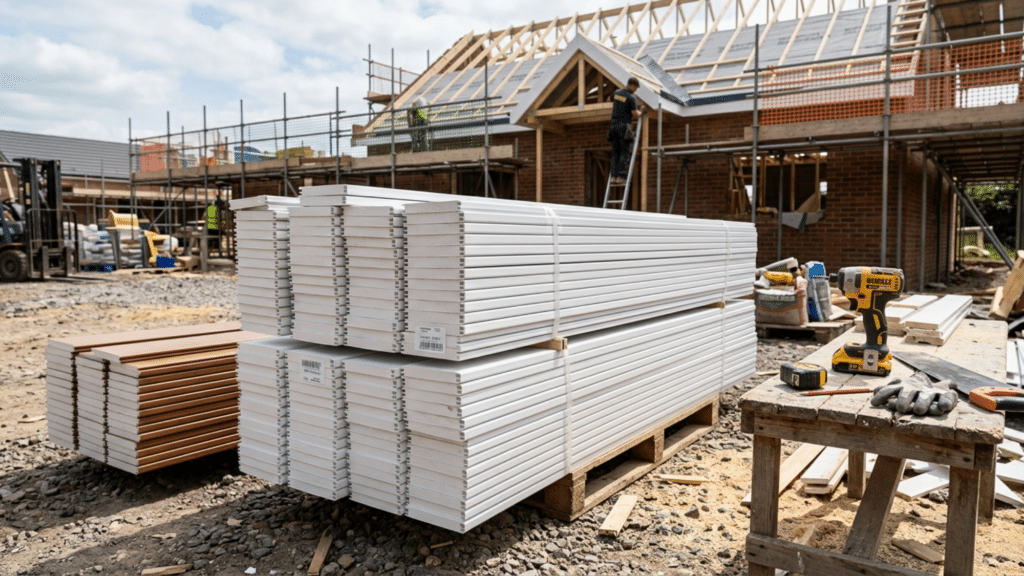
PVC resists moisture, rot, and insects, and unlike vinyl, it tends to hold up better under heavier physical stress. It won’t warp in wet climates and cleans up easily with soap and water.
Like vinyl, extended sun exposure can cause brittleness over time. A seasonal check keeps small issues from becoming replacements.
How Fascia Protects Your Home from Weather Damage
Fascia sits at one of the most exposed points on your home, the roof edge. Everything that hits your roof eventually reaches it: rain, wind, ice, debris.
Here’s what it’s actually doing:
By directing rainwater into the gutters, fascia keeps water from reaching the roof structure, walls, and attic. Without it, the roofline is an open channel. Water gets in, and rot and mold follow.
The gutters themselves depend on a solid fascia. When the board weakens, gutters pull away from the house and drain water where it shouldn’t go — down the siding, toward the foundation.
In colder climates, fascia helps prevent ice dams. When the board is intact, it seals the roof edge so warm air stays in the attic where it belongs. When that seal breaks through rot or gaps, warm air escapes unevenly. It melts snow on part of the roof, and that meltwater refreezes at the cold eave line, backing water up under the shingles.
Fascia also acts as a physical barrier against wind-driven debris and pests looking for a way into the attic.
Signs Your Fascia Needs Repair or Replacement
Most fascia damage starts small and stays out of sight until it’s already spread. These are the signs worth checking for, ideally once or twice a year, and after any major storm.
1. Visible Rot or Decay
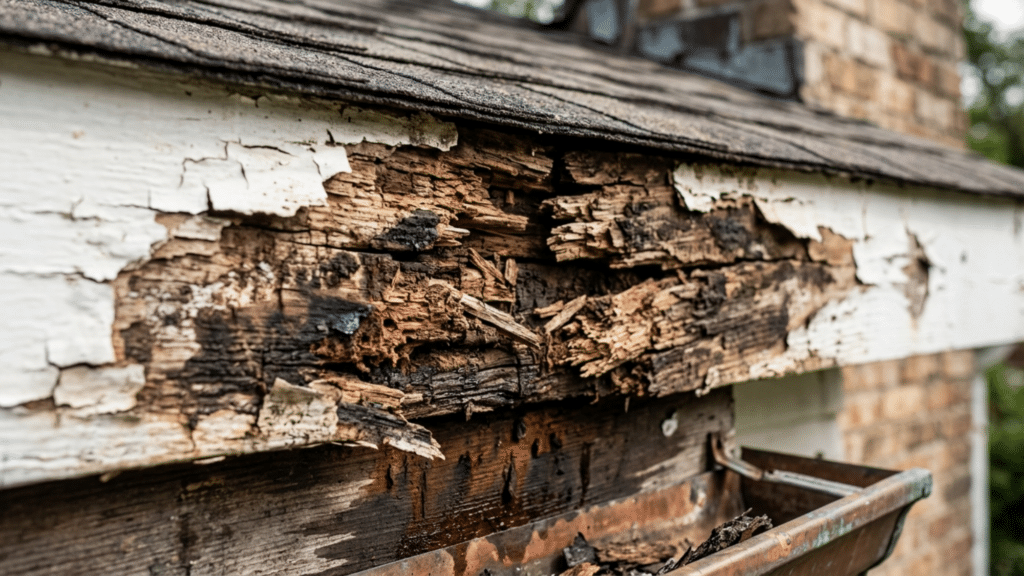
If the board feels soft when you press it, or looks discolored and crumbly, moisture has already gotten in. That’s wood rot, and it doesn’t stop on its own.
Overflowing gutters are the most common cause. Water backs up, sits against the fascia, and works its way in over time. Once rot reaches the rafters behind it, the repair gets significantly more involved.
Don’t wait on this one. Soft fascia needs replacing, not patching.
2. Peeling or Cracked Paint
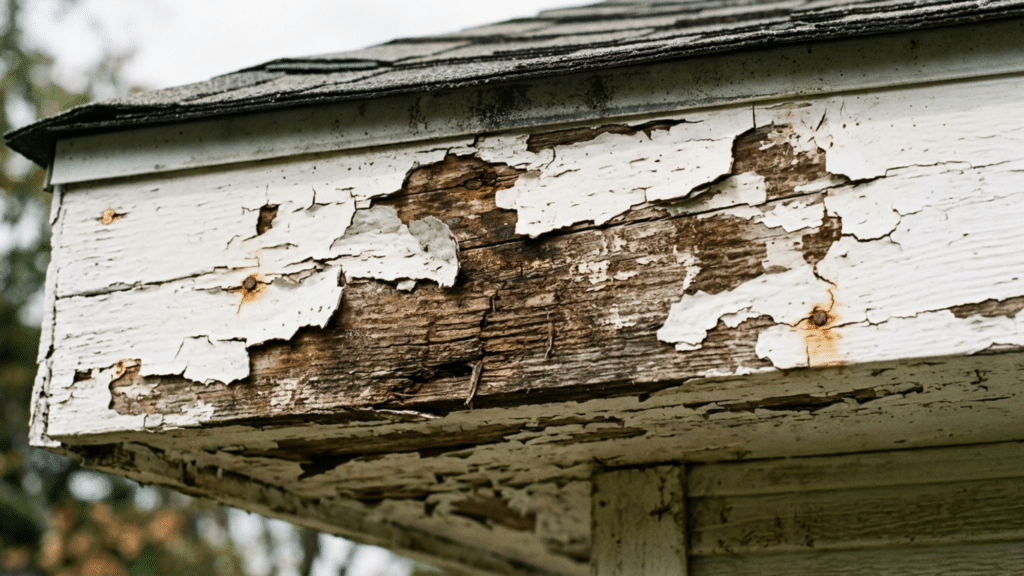
Peeling or cracking paint is usually the first visible sign that moisture is getting into the wood beneath. Once the surface seal breaks, water penetrates faster, and rot isn’t far behind.
If it’s caught early, a repaint with proper prep can stop the damage. If the paint is peeling because the wood underneath is already soft or warped, you’re past the repainting stage.
3. Sagging or Loose Gutters
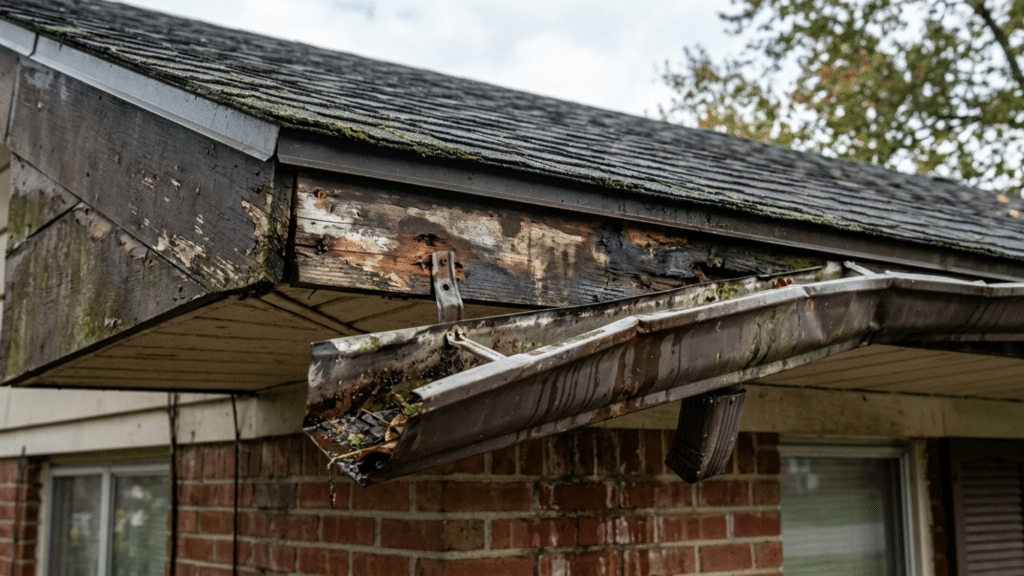
Gutters are mounted directly to the fascia. When the fascia weakens, the gutters lose their anchor — they sag, pull away, or start to pitch at the wrong angle.
When gutters can’t drain properly, water pours over the edge, runs down the siding, and collects near the foundation. Rehanging the gutters without fixing the fascia underneath just repeats the problem.
4. Water Damage or Staining
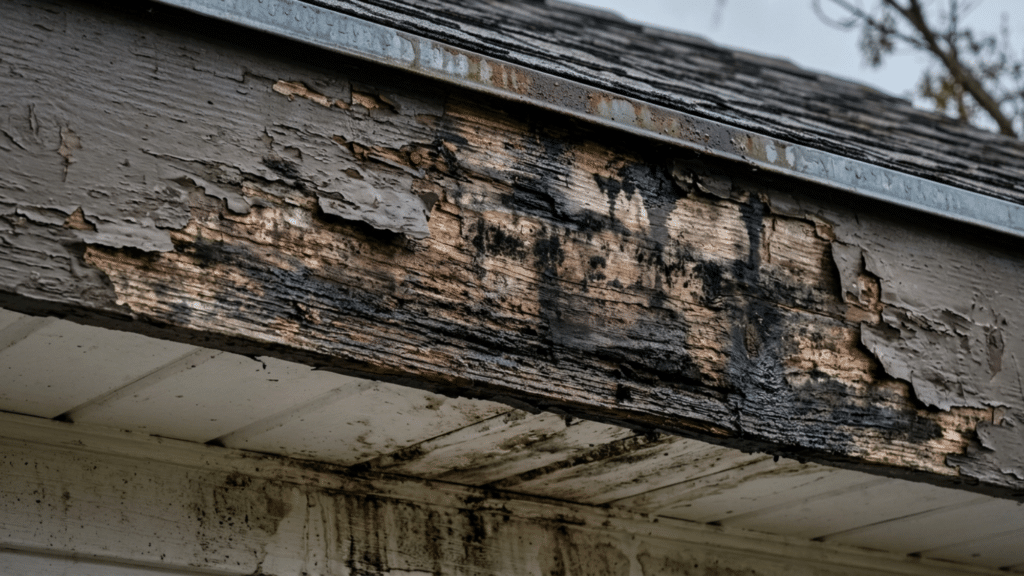
Dark streaks or staining on the fascia or on the wall just below it usually mean water is getting through somewhere it shouldn’t. Clogged gutters are a common cause, as are cracks or gaps in the fascia itself.
Staining on its own is a warning sign. If the wood beneath feels soft when you probe it, the damage has already moved past the surface.
5. Pest Infestation
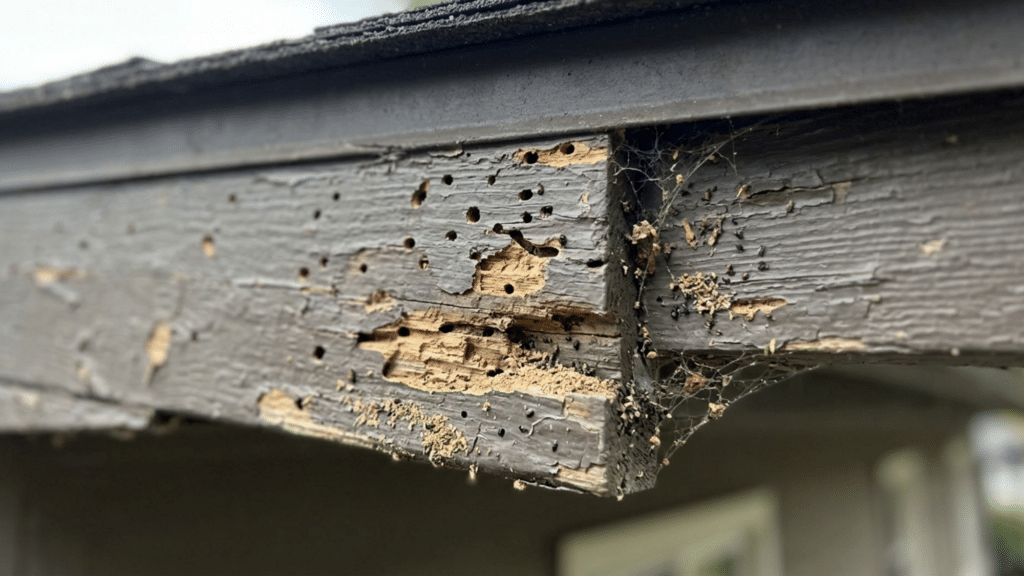
Termites, carpenter ants, and wood-boring bees go where rotting wood is. If you’re seeing increased pest activity around the roofline, or small holes in the fascia, there’s likely decay underneath attracting them.
Treating the pests without replacing the damaged fascia leaves the entry point open. Fix both at the same time, or the problem comes back.
Wrapping Up
Fascia is one of those parts of your home that stays out of sight until something goes wrong. Knowing what it is, what it’s made of, and what damage looks like puts you well ahead of most homeowners.
A quick visual check once or twice a year, especially after heavy rain or a hard winter, is enough to catch most problems early, before water or rot reaches the structure behind it.
Frequently Asked Questions
Can Fascia Be Replaced Easily?
In most cases, yes. Damaged sections can be removed and replaced without touching the rest of the roof. A contractor can usually complete a standard fascia replacement in a day, depending on how much of the board is affected.
Is Fascia Necessary for All Houses?
Most homes with a roof overhang have fascia. It supports the gutters and seals the rafter ends — without it, that edge of the roof is exposed to water and pests. Some flat-roof homes or steel-framed structures handle this differently, but for the vast majority of residential homes, fascia is a standard and necessary component.
Does Fascia Improve Curb Appeal?
A clean, well-maintained fascia gives the roofline a finished edge and keeps the exterior looking sharp. Peeling paint or sagging sections are noticeable from the street — and to buyers, if you’re ever selling. It’s a small detail that has a bigger visual impact than most people expect.