


In today’s fast-paced world, our homes are meant to be havens of peace and relaxation. However, external noises like traffic, barking dogs, or loud neighbors, as well as internal sounds from appliances and household activity, can disrupt that tranquility.
The good news is that creating a quieter home doesn’t require a full-scale renovation. There are practical and simple strategies that can significantly reduce unwanted noise. From smart furniture choices to minor modifications, these tips will help you enjoy a calmer living environment.
Assessing the Sources of Noise
Before implementing any noise reduction measures, it’s important to identify where the noise is coming from. Start by observing your home at different times of the day. Listen for recurring noises such as:
- Street traffic or passing trains
- Neighbor activity
- Household appliances like washing machines, dishwashers, or HVAC systems
- Voices or footsteps within the home
Understanding the sources of noise will allow you to target the most effective solutions and avoid spending time or money on measures that won’t make a difference.
Seal Windows and Doors
One of the easiest and most effective ways to reduce noise is by improving the sealing around windows and doors. Even small gaps can let in significant sound. Consider the following options:
- Use weatherstripping around doors and windows.
- Add door sweeps to prevent sound from entering through gaps at the bottom of doors.
- Upgrade to noise reduction secondary glazing for windows. This involves adding an additional pane of glass inside your existing window, creating an air gap that significantly blocks outside noise. It’s a practical solution, especially for homes located on busy streets.
Use Soft Furnishings Strategically
Soft furnishings are surprisingly effective at dampening noise. Hard surfaces, like bare floors and walls, reflect sound, which can make a room feel louder. Introducing softer materials can absorb sound waves and reduce echo. Some ideas include:
- Rugs and Carpets: Thick rugs, especially with padded underlays, help absorb footsteps and other household noises.
- Curtains: Heavy curtains or specialized acoustic curtains can reduce both outdoor noise and echo from large windows.
- Cushions and Upholstery: Padded furniture such as sofas and armchairs naturally absorb sound, making rooms quieter.
By layering these soft elements throughout your home, you can make a noticeable difference in overall noise levels.
Rearrange Furniture for Sound Control
It may sound simple, but the way you position your furniture can help block and reduce noise. Large pieces like bookshelves, wardrobes, or sofas can act as sound barriers. For example:
- Place a bookshelf against a wall shared with a noisy neighbor or street to absorb sound.
- Arrange sofas and chairs to break up open spaces where sound tends to bounce.
- Use room dividers or screens in large areas to help reduce echo and create quieter zones.
Even small changes in furniture placement can improve the acoustic environment of your home.
Insulate Walls and Ceilings
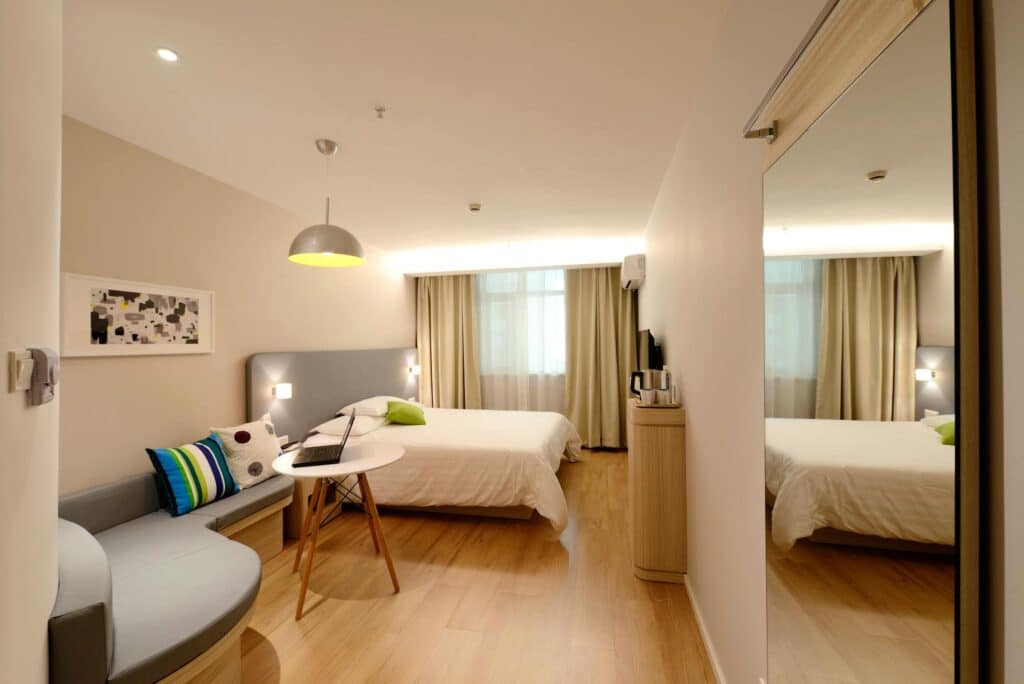
If noise continues to be an issue, consider adding insulation to walls and ceilings. Acoustic insulation materials are designed to absorb and block sound. Options include:
- Acoustic panels: These can be mounted on walls or ceilings in high-noise areas such as living rooms or home offices.
- Foam insulation: Acoustic foam tiles or panels are affordable and can be placed in problem areas.
- Wall insulation upgrades: For long-term solutions, adding or upgrading wall insulation can significantly reduce noise transfer between rooms and from outside.
Insulation might require some investment, but it’s highly effective for those seeking a quieter home environment.
Reduce Noise from Floors
Flooring can be a major source of internal noise, especially in multi-story homes. Consider these strategies:
- Carpets or rugs with thick padding to reduce footsteps and vibrations.
- Cork or rubber underlays beneath flooring can also absorb sound.
- Floating floors – installing a floor with a gap between it and the structural floor can minimize impact noise.
Even small improvements in flooring can noticeably decrease the noise levels in your home.
Maintain Appliances and Systems
Many household appliances and systems can produce unexpected noise. Regular maintenance can prevent them from becoming unnecessarily loud:
- Clean and service HVAC systems to reduce mechanical noise.
- Ensure washing machines, dishwashers, and dryers are level and on padded mats.
- Replace old or worn-out appliances with quieter, modern alternatives.
Maintaining your appliances not only reduces noise but also prolongs their lifespan.
Create Quiet Zones
Finally, designating quiet zones in your home can help you retreat from noise when needed. Consider areas like:
- A reading nook with soft furnishings and sound-absorbing elements.
- Bedrooms with thick curtains, rugs, and upholstered furniture to create a serene environment.
- Home offices with acoustic panels and strategic furniture placement.
By consciously creating spaces that promote quiet, you can enjoy a sense of calm even in a bustling household.
Achieving a quieter home doesn’t have to be complicated or expensive. Simple adjustments such as sealing windows, using soft furnishings, rearranging furniture, and considering noise reduction secondary glazing can make a significant difference.
Combined with attention to insulation, flooring, and appliances, these strategies can transform your home into a peaceful retreat from the noise of everyday life.