

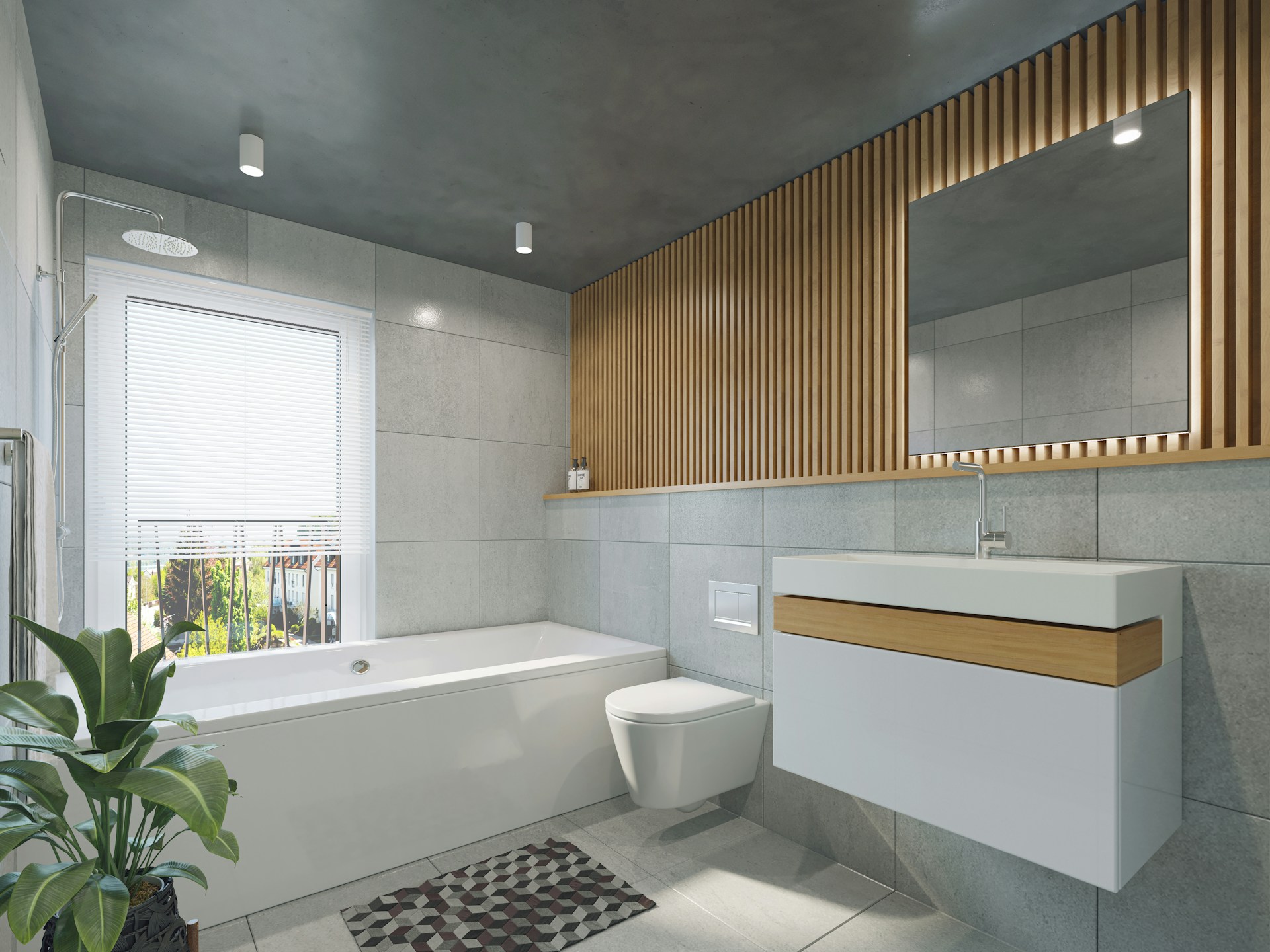
Choosing the right bathroom sink starts with your vanity, bathroom size, and daily routine. The sink should fit the countertop, work with the faucet, match the style of the room, and be easy to clean.
Below are the main things to consider before choosing a bathroom sink.
Start With the Vanity
Your vanity usually determines which sink type will work best. Before buying a sink, check the vanity width, countertop material, cabinet depth, faucet placement, and storage needs.
A floating vanity often works well with an integrated or undermount sink. A traditional freestanding vanity can pair with a drop-in, undermount, or vessel sink. If you already have a vanity, measure the countertop and cabinet carefully before choosing a sink.
Choose the Right Sink Type
There are several common bathroom sink types, and each one works better for different layouts and vanity styles.
- An undermount sink is installed beneath the countertop, creating a clean and seamless look. It works well with stone, quartz, and solid surface countertops.
- A drop-in or top-mount sink sits in a countertop cutout, with the rim resting on top. It is a practical and common option for many bathroom vanities.
- A vessel sink sits on top of the countertop like a bowl. It is often used in powder rooms or bathrooms where the sink is meant to be a design feature.
- An integrated sink is built into the countertop as one continuous piece. It creates a smooth, modern surface and is easy to clean.
- A wall-mounted sink attaches directly to the wall and does not require a vanity. It is useful for small bathrooms and minimalist layouts.
- A pedestal sink has a basin supported by a narrow base. It is a classic option for traditional bathrooms and small powder rooms.
Match the Sink to the Bathroom Size
For a small bathroom or powder room, choose a compact sink, wall-mounted sink, or narrow vanity sink. The goal is to save space and keep the room easy to move through.
For a larger bathroom, you may have room for a wider vanity, more countertop space, or a double sink. Double sinks are useful in shared bathrooms, but they take up more counter and cabinet space.
Before choosing, think about how much counter space, storage, and clearance you need.
Think About Cleaning, Material, and Faucet
Some sinks are easier to maintain than others. Undermount and integrated sinks usually have fewer edges where dirt and water collect. Drop-in sinks are practical, but the raised rim may need extra cleaning. Vessel sinks can look stylish, but the area around the base may require more care.
Common bathroom sink materials include ceramic, porcelain, vitreous china, stone, glass, solid surface, and metal. Ceramic and porcelain are popular because they are durable, easy to clean, and fit many styles. Stone and glass can look more decorative but may need more maintenance.
The faucet should also work with the sink. Vessel sinks often need a taller faucet or wall-mounted faucet. Undermount and drop-in sinks usually work with standard deck-mounted faucets. Check the faucet height, reach, number of holes, and mounting type before buying.
Choose a Style That Fits the Bathroom
For a modern bathroom, choose an undermount, integrated, or rectangular sink with clean lines. For a traditional bathroom, a drop-in or pedestal sink may feel more natural. For a spa-inspired space, a smooth white sink or stone vessel sink can create a calm look.
If you have a wood vanity, a white ceramic or porcelain sink often creates a clean contrast and lets the wood texture stand out.
Single Sink or Double Sink?
A single sink gives you more countertop space and often more storage. It can be a smart choice even for larger bathrooms if only one person uses the vanity at a time.
A double sink is helpful for couples, shared bathrooms, and busy morning routines. However, it needs more space. A 60-inch vanity is usually the starting point for a double sink, while 72 inches or more feels more comfortable.
Consider Storage
The sink style can affect how much storage you have inside the vanity. Large basins, vessel sinks, or unusual plumbing layouts may reduce drawer and cabinet space.
If storage is important, choose a vanity and sink combination that leaves enough room for towels, toiletries, cleaning products, and daily essentials.
About Willow Bath & Vanity
Willow Bath and Vanity offers bathroom vanities and furniture for powder rooms, guest bathrooms, and primary suites. Their collections include single and double sink vanities, floating and freestanding designs, and sizes from 24 inches to 96 inches.
The brand uses materials such as teak, mango wood, white oak, mindi wood, finished birch, and other selected woods, with a focus on quality, practical storage, and long-term use.
Final Thoughts
The best bathroom sink should fit your vanity, match your bathroom style, work with your faucet, and be easy to use every day.
For easy cleaning, consider an undermount or integrated sink. For a decorative powder room, a vessel sink can work well. For small spaces, a wall-mounted or pedestal sink may be the better choice.
Before making a final decision, check the sink size, installation type, material, faucet compatibility, and storage impact. This will help you choose a sink that looks good and works well for years.