

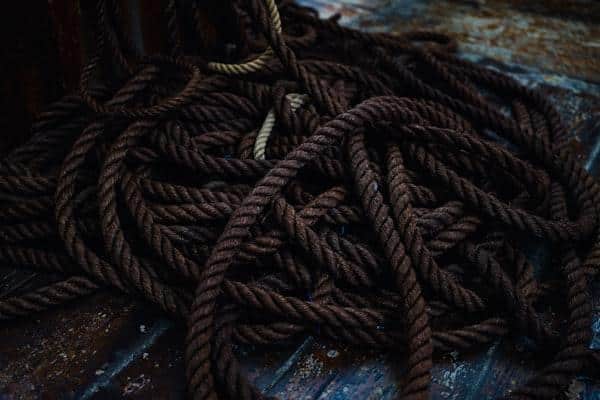
Natural rope adds warmth fast, even in plain rooms. Its matte texture softens hard surfaces, and most small projects need only basic tools. If you want a weekend update that looks handmade, this is one of the easiest places to start.
What Is Hemp Rope?
Hemp rope works best when you want natural texture, firm grip, and low stretch.
It is made from the long outer plant fibers, called bast fibers, of industrial Cannabis sativa. The rope usually comes in tan or olive tones and feels drier and rougher than cotton.
Shoppers mix it up with manila, but manila hemp is actually abaca from the banana family. Check the label for genuine hemp if you want the true look.
Supplies and Sourcing
The right diameter and a clean end finish make projects look better and last longer.
Picking Rope by Diameter
Match the rope size to the job. Use 3 to 4 mm for vase wraps, frames, and cord covers. Choose 6 mm for light hangers and tie-backs. Go with 9 to 12 mm for shelves, handgrip wraps, and headboard weaves. For thick knots or doormats, use 18 to 20 mm.
Where to Buy and What to Get
For shelves, hangers, or repeated accents, buy one bulk coil with a consistent diameter. Matching the same rope across shelves, tie-backs, and headboard weaves keeps the tone, twist, and texture more consistent from room to room, and if you want 50 to 100 feet in one dye-free batch for several projects, hemp rope for sale is worth a look.
Tools and Finishes
Keep painter’s tape, sharp shears, hot glue, a stud finder, anchors, screw eyes, and ceiling hooks on hand. To stop fraying, tape the cut point first, then whip the end with a thin cord or add a heat-shrink collar. Test wax or shellac on an offcut before you use it on a finished piece.
Safety Basics
- Treat every project as decorative unless the rope and hardware have clear weight ratings.
- Keep it away from open flames and hot bulbs. Use LED candles in lanterns.
- Do not use craft rope for climbing, swings, or anything that holds body weight.
- If rope gets wet, dry it fully with airflow before you store it.
Weekend Project Ideas
Start with one quick accent, then move up to larger pieces after you learn how the rope cuts, knots, and hangs.
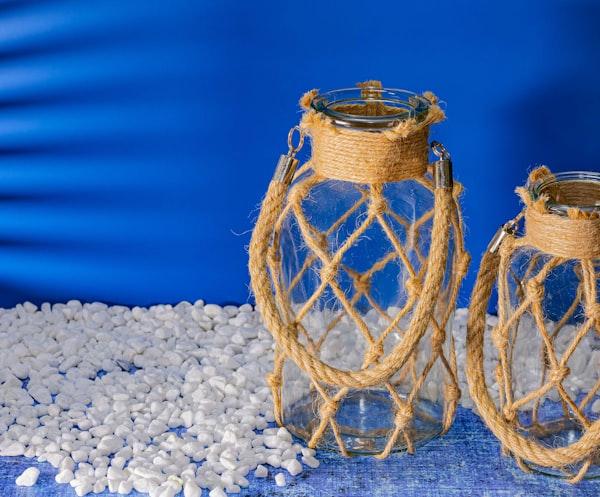
Wall and Shelf Accents
A simple hanging shelf gives you the biggest visual payoff for the least effort.
- Cut a 1×8 pine board to 24 inches and sand the edges. Drill four corner holes about 1.5 inches from each end.
- Thread about 12 feet of 6 mm rope through the holes, then tie even overhand knots underneath the board.
- Install one ceiling hook in a joist. If you cannot hit one, use a toggle anchor rated for the load.
- Hang the rope loop, level the board, and adjust the knots until the shelf sits flat.
- For more cozy lighting and shelf styling ideas, browse a few home décor inspiration ideas online. The project usually costs 25 to 35 dollars and takes about an hour.
For a bigger statement, weave 9 to 12 mm rope across a simple 1×2 frame fixed into studs. Keep it decorative only, not something to lean or pull on.
Planters and Greenery
A plant hanger made from 4 mm rope uses six equal lengths at 8 to 10 feet. Square knots, a drip tray, and a ceiling hook into a joist usually put the cost between 10 and 20 dollars.
For a kitchen window, thread 6 mm rope through a drilled 1×3 board and hang tin pots from S-hooks. Screw the rail into studs, and you can finish it in about an hour.
Soft Goods and Tabletop
Coiled trivets and coasters are beginner-friendly. Spiral 6 mm rope with hot glue, add cork to the bottom, and make a set for about 6 to 12 dollars.
Curtain tie-backs need only 6 mm rope, leather tabs, and brass snap hooks. They take about half an hour and make a plain window look more finished.
Entry and Storage
A coiled doormat uses thick 18 to 20 mm rope on a rubber mat base with exterior adhesive. Keep it on a covered porch, and plan on 35 to 60 dollars for materials.
A monkey-fist doorstop wraps the same thick rope around a tennis ball or small weighted core. It is cheap, fast, and sturdy enough for a light interior door.
Kids, Pets, and Outdoors
To refresh a cat scratching post, re-wrap 9 to 12 mm rope and fasten it only at the top and bottom, never in the scratch zone. Most posts take under an hour.
Porch rail planter straps can use 6 mm rope with a light outdoor varnish. Bring them inside after heavy rain, because natural fiber can stiffen or mildew if it stays wet.
Room-by-Room Styling Tips
A few rope accents look intentional, but too many can make a room feel themed.

In living rooms, use one larger piece, like a shelf, with two small accents such as a vase wrap and coasters. Stopping at three pieces usually keeps the space balanced.
In living rooms, pair rope shelves with layered textures, soft lighting, and handcrafted accents inspired by these warm interior styling ideas to keep the space balanced and inviting.
In kitchens, an herb rail, one trivet hook, or a breadboard handle wrap adds texture without clutter. Keep every piece clear of burners and hot pans.
In bathrooms, choose wrapped baskets or one small shelf and make sure the room has strong ventilation. A fan or dehumidifier helps keep the fiber dry.
In kids’ rooms, stick with wall art or soft bins and avoid hanging pieces over beds or cribs. Seal every cut end so small hands cannot pick at loose fibers.
Finishing and Care
Clean cuts and dry storage matter more than fancy finish products.
For neat ends, cut while the rope is wrapped in painter’s tape, then whip it or add a heat-shrink collar. Both methods look cleaner than a blob of glue.
Dust with a soft brush and spot clean with mild soap. Do not soak the rope. If it gets wet, dry it fully with moving air before you use or store it.
On high-touch pieces, a light coat of beeswax or clear paste wax can calm fuzz and make the surface feel smoother. Test first, because wax can darken the color a bit.
Conclusion
Start small and let one finished project teach you what size, texture, and hardware you like best. A quick set of coasters or tie-backs can lead naturally to a shelf, rail, or headboard once you feel confident with cutting and knots.
FAQs
These answers cover the most common setup questions.
Is It Safe Near Heat?
Keep it away from open flames and hot bulbs. LED candles are the safer choice for lanterns, and lamps need clear space around the cord and shade.
Can I Use It Outside?
Yes, but covered areas work best. Use a light outdoor finish, and dry the piece fully after rain before you bring it inside or store it.
How Do I Stop Fraying?
Tape the cut point before you trim, then whip the end with a thin cord or add a heat-shrink collar. A small dab of clear glue can help on very light pieces.
What Size Should I Buy First?
Start with 6 mm for tie-backs, coasters, and small shelves. Add 3 to 4 mm for wrapping projects, then 9 to 12 mm for bigger accents.