

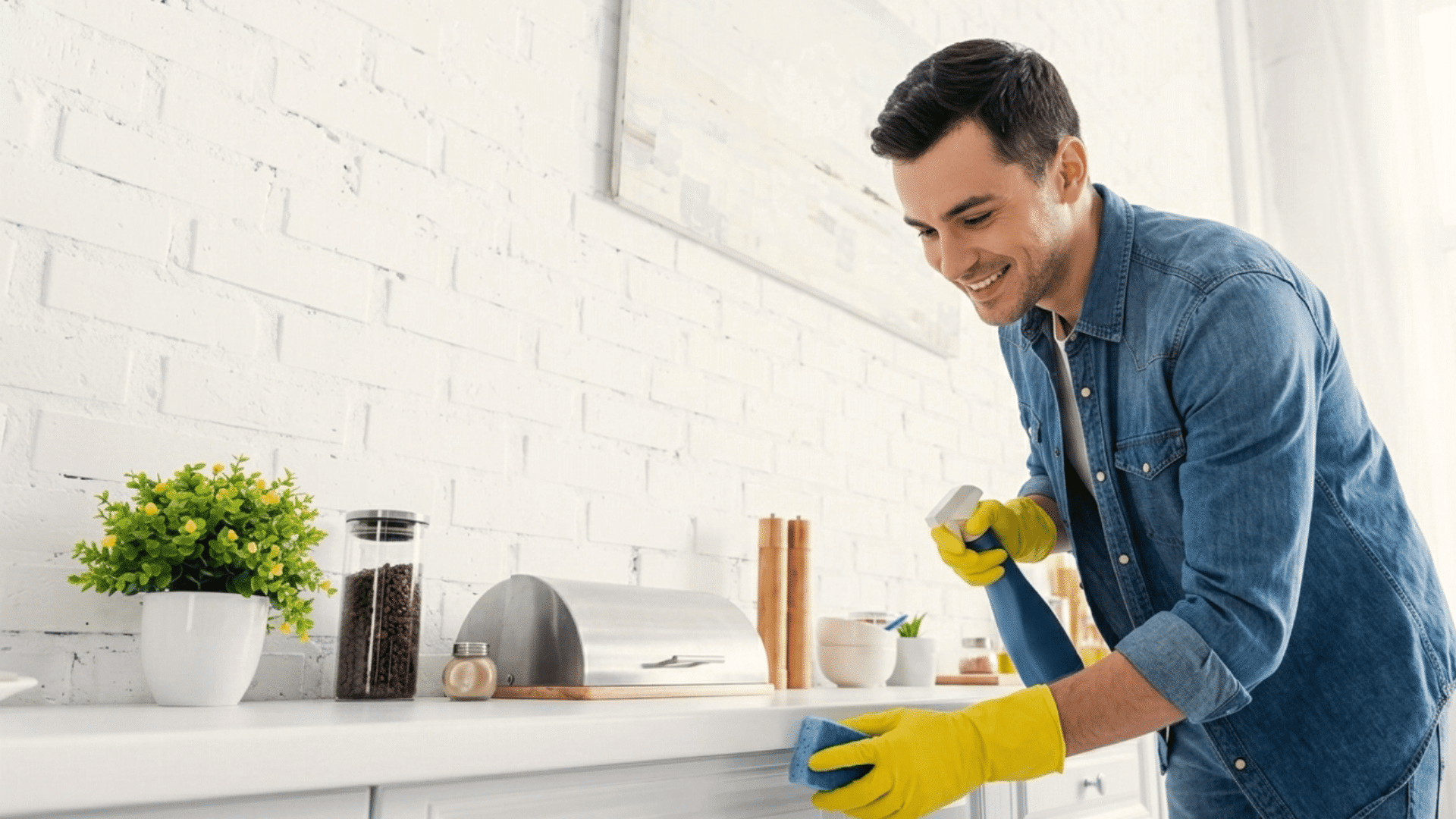
Getting motivated to clean feels impossible some days. The short answer: stop waiting to feel ready and start with one small task right now. That shift alone breaks the cycle.
Most people I work with don’t have a laziness problem. They have an overwhelming problem.
I used to try cleaning everything at once, but that only made me give up faster.
So, I started taking a different approach. I tried using a timer, cleaning one spot, and playing music to make it easier. Over time, I found simple ways to start without stress.
In this blog, I shared simple cleaning hacks that helped me take action, even on lazy days.
You will find simple tips to help you start fast, stay focused, and avoid feeling overwhelmed.
Why You Cannot Start Cleaning?
I used to think I was just lazy, but that was not the real reason. Many days, I would sit and look at the mess and tell myself, “I will do it later.” Later never came. The more I waited, the worse it felt to even begin.
One big reason is feeling overwhelmed. When everything is messy, your brain sees one big job rather than small tasks.
I remember standing in my room thinking, “Where do I even start?” That thought alone stopped me from doing anything.
Low energy is another common reason. After a long day, I would say, “I am too tired right now,” even if I had some time. A lot of people say this, and it feels real in the moment.
Perfection also played a part. I felt like if I could not clean everything properly, there was no point in starting.
That mindset kept me stuck for a long time until I began trying small, simple steps instead.
The Psychology Behind Cleaning Motivation
Motivation does not come before action. It usually follows it. This is a key idea from behavioral psychology, and it changed how I think about cleaning entirely.
Once you start and see progress, your brain pushes you to keep going. Waiting to feel motivated only delays it.
Clutter also has a measurable effect on stress. Researchers at the Princeton Neuroscience Institute found that visual clutter competes for your attention and makes it harder to focus.
A messy space can drain your mind. Cleaning helps lower the mental stress your surroundings create every day.
For people with ADHD or anxiety, cleaning resistance is especially common and completely valid. Starting tasks without a clear endpoint feels harder.
If this sounds familiar, the strategies in this blog, especially timers, small goals, and body doubling, are particularly useful for you.
How to Get Motivated to Clean?

Getting started feels easier when the task is simple and clear. Small actions can help build momentum without stress.
1. Start with a Small Task
Starting small makes cleaning feel less overwhelming and easier to handle. Instead of thinking about the whole house, focus on a single task, such as clearing a table or folding clothes.
This helps your brain feel progress quickly, which builds motivation. Many people say once they begin, they naturally keep going.
A small win reduces pressure and helps you avoid feeling stuck.
As someone who has renovated full rooms from scratch, I can tell you the hardest part is always putting on your shoes and walking in. The first small action changes everything.
2. Set a 10 Minute Timer
Using a timer makes cleaning feel short and manageable. Set a timer for 10 minutes and focus only on cleaning during that time.
This removes the pressure of doing a long task. Many people find that once they start, they keep going even after the timer ends.
It helps build quick momentum and makes cleaning feel like a simple task rather than a heavy chore.
I use this on project days when a full room feels like too much. Ten minutes in, I have always crossed the mental wall.
3. Play Music While Cleaning
Playing music can change your mood and make cleaning feel less boring. I personally love this as it keeps my energy up and makes tasks feel lighter and faster.
Upbeat songs help you move more quickly and stay active while cleaning. Many people say music distracts them from the work and makes time pass faster.
It also makes cleaning more enjoyable, helping you stay consistent and avoid putting it off again.
4. Focus on One Room Only
Cleaning one room at a time keeps things simple and less stressful. When you try to clean everything at once, it can feel confusing and overwhelming.
Focusing on one space helps you see results faster, which builds motivation.
Many people find it easier to continue once one room is done.
In interior design, we call this “contained wins.” You define a boundary, work within it, and let the result speak for itself. The same rule applies at home.
5. Use a Simple Cleaning Checklist
A checklist makes cleaning more structured and easier to follow. It breaks big tasks into smaller steps that feel simple and clear.
I also do this because it helps me stay focused and avoid missing anything important. Many people say checking off tasks feels satisfying and keeps them motivated to continue.
It reduces thinking time and helps you stay on track. This makes cleaning faster, easier, and less stressful overall.
6. Clean During High Energy Hours
Cleaning feels much easier when your energy is high. Try to notice when you feel most active during the day, like in the morning or early evening.
Many people say they get more done when they clean during these peak times, rather than forcing it when they’re tired.
This helps you move faster and stay focused. It also reduces the chance of quitting halfway. Matching cleaning with your natural energy levels can make a big difference in how much you actually finish.
7. Reward Yourself After Cleaning
Giving yourself a reward can make cleaning feel worth it. It can be something simple like watching a show, having a snack, or taking a break.
Many people say this helps them stay motivated because it gives them something to look forward to. It turns cleaning into a task with a clear end goal.
Rewards also build a positive habit over time, making it easier to start again without feeling forced or stressed.
8. Declutter Before You Clean
Cleaning becomes much easier when there is less stuff around. Start by removing items you do not need or use.
Many people say clutter makes cleaning feel harder than it really is. When you clear extra items first, you can focus on actual cleaning without distractions.
This is something I stress in every home improvement project I take on. You cannot clean around clutter.
You have to remove it first. Even setting aside 15 minutes to pull out things that do not belong in a room makes the actual cleaning 30 to 40 percent faster, in my experience.
9. Use Easy Cleaning Tools
Using simple and effective tools can save time and effort. Choose items that are easy to use and require minimal setup.
Many people say good tools make cleaning feel quicker and less tiring. When tools work well, you spend less time struggling and more time getting things done.
This helps you stay consistent and avoid delays. Keeping your tools ready also removes excuses and makes it easier to start cleaning at any time.
10. Follow the 5 Minute Rule
The 5-minute rule is a simple way to get started without pressure. I follow this rule pretty often when I’m not in the mood to clean at all.
I tell myself to clean for just five minutes, and that feels easy to accept.
Most of the time, I end up doing more once I begin.
Many people say this trick helps break the delay and builds quick momentum, making it easier to continue without forcing yourself.
11. Watch Cleaning Videos for Motivation
Watching cleaning videos can give you a quick push to start. Many people say seeing someone else clean makes them feel like doing it too.
It creates a sense of action and energy that is easy to follow.
These videos also show simple ways to clean faster, which can save time. Even a few minutes of watching can help shift your mindset from avoiding the task to actually starting it. It works well when you feel stuck.
12. Ask Someone to Join You
Cleaning with someone else can make the process feel lighter and less boring. It could be a friend, family member, or even a quick call while cleaning.
Many people say they stay more focused when someone is with them. It also adds a sense of accountability, which helps you keep going.
Talking while cleaning can make time pass faster and turn a dull task into something more manageable and less tiring.
13. Set a Clear Cleaning Goal
Having a clear goal helps you stay focused and avoid confusion. Instead of saying “clean the house,” set a simple goal like “clean the kitchen counter.”
Many people say clear goals make it easier to start and finish tasks. It removes guesswork and helps you track progress.
When you know exactly what to do, you waste less time thinking and more time doing, which helps you stay motivated throughout the process.
14. Start With the Easiest Spot
Starting with an easy area can build quick confidence. Choose a small, simple space that requires little effort.
Many people say this helps them feel productive right away. Once you see a clean spot, it motivates you to keep going. It also reduces the pressure of starting something big.
This method works well when you feel stuck or low on energy and need a quick push to begin.
15. Take Short Breaks Between Tasks
Taking short breaks can help you avoid burnout and stay consistent. My friend prefers this method because it helps her stay fresh and not feel tired too quickly.
Many people say small breaks make cleaning feel more manageable.
It gives your mind and body time to rest before starting again.
This approach works well for longer cleaning sessions and helps you maintain steady progress without feeling overwhelmed.
16. Track Your Progress
Tracking your progress can help you stay motivated and see how much you have done. You can use a simple checklist or even take quick before-and-after photos.
Many people say this makes cleaning feel more real and rewarding. When you see progress, even small wins feel good.
It also helps you stay consistent because you can clearly see what has been done and what remains, keeping you moving forward without losing focus.
17. Make It a Daily Habit
Cleaning feels easier when it becomes part of your daily routine. You should make it a daily thing, slowly, instead of trying to finish everything in one day.
Many people say doing a little every day keeps things under control. It also reduces stress because the mess does not pile up.
Small daily actions feel simple and help you stay consistent. Over time, this habit makes cleaning feel normal instead of something you keep delaying.
18. Avoid Perfection While Cleaning
Trying to clean everything perfectly can slow you down and make the task feel harder. Many people feel stuck because they want everything to look just right.
But cleaning does not need to be perfect to be effective. It is better to finish tasks than leave them halfway.
In my design work, I often tell clients: a space that is 80 percent done and lived in is more functional than one that is 100 percent planned and never started. The same idea applies to cleaning.
19. Clean While Doing Other Tasks
Cleaning while doing other tasks can save time and make things feel easier.
For example, you can wipe surfaces while waiting for food to cook or organize items while on a call.
Many people say this helps them stay productive without having to set aside extra time. It turns small free moments into useful ones.
This method works well on busy days and helps keep your space clean without feeling like a big effort.
20. Use Before and After Thinking
Thinking about how your space will look after cleaning can push you to start. Many people say this helps them imagine the result and feel motivated to act.
A clean space feels calm and organized, which makes the effort worth it.
When you focus on the final result, it becomes easier to take the first step. This simple way of thinking can help you move past delay and actually begin cleaning.
21. Get Rid of Distractions
Distractions can easily break your focus and slow you down. I get distracted too often, and buddy, I can feel you when your phone or TV keeps pulling your attention away.
Many people face the same problem, especially when cleaning feels boring.
Try to keep your phone away or turn off distractions before starting. This helps you stay focused and finish faster, making the whole cleaning process feel easier and more manageable.
22. Keep Cleaning Supplies Ready
Keeping your cleaning supplies ready can make a big difference. Many people delay cleaning because they cannot find what they need.
When everything is in one place, it becomes easier to start right away. This saves time and removes small excuses.
Having supplies ready also helps you clean quickly whenever you get a few free minutes. It makes the whole process smooth and helps you stay more consistent with your routine.
23. Remind Yourself Why It Matters
Reminding yourself why cleaning matters can help you stay motivated. A clean space can improve your mood and make daily life easier.
Many people say they feel more relaxed and focused in a clean home.
When you connect cleaning with a clear reason, it feels more meaningful.
This helps you stay consistent and not avoid the task. Keeping this in mind can push you to start even on days when you feel low.
Easy Daily Cleaning Schedule that Works
A simple daily cleaning routine can keep your home under control without taking too much time. The key is to break it into small parts across the day instead of doing everything at once.
In the morning, start with quick tasks like making the bed, putting dishes away, and wiping the kitchen counter.
This gives your home a fresh start and makes everything feel more organized right away. In the afternoon, take 5 to 10 minutes to reset things.
Put items back in place, clear small clutter, and handle quick tasks, such as folding clothes.
This step helps stop mess from building up. In the evening, do a final reset.
Wash dishes, wipe surfaces, and do a quick tidy-up. This keeps your home clean overnight and makes the next day easier to start.
Below is a simple daily cleaning schedule you can follow to keep your home tidy without spending hours cleaning:
| Time of Day | What to Do | Time Needed |
|---|---|---|
| Morning | Make the bed, put dishes away, and wipe kitchen counters | 10–15 minutes |
| Afternoon | Put items back, clear clutter, and fold clothes | 5–10 minutes |
| Evening | Wash dishes, wipe surfaces, and do a quick tidy-up | 10–15 minutes |
Fast Cleaning Tips for Last-Minute Guests
When guests are about to arrive, focus on quick fixes that make your home look neat and fast. Small changes can improve how your space looks without much effort.
- Clear clutter: Remove items from tables, sofas, and floors to create a clean look
- Use a basket: Place random items in one basket and sort them later
- Wipe surfaces: Quickly clean kitchen counters and bathroom areas
- Close extra rooms: Shut doors to spaces that are not ready
- Fix cushions: Fluff pillows and arrange them neatly
- Empty trash: Remove full bins to avoid bad smells
- Add fresh scent: Use a room spray or open windows
- Turn on lights: Bright spaces look cleaner and more welcoming
- Quick sweep: Clean visible floor areas fast
- Tidy entryway: Keep the first impression neat and clear
Common Cleaning Mistakes to Avoid
Cleaning feels harder when small mistakes slow you down or waste effort. Fixing these habits can save time and make cleaning easier.
| Mistake | How to Avoid |
| Cleaning everything at once | Break tasks into small parts and focus on one area at a time |
| Skipping decluttering | Remove extra items first before deep cleaning |
| Using too many products | Stick to a few simple cleaners that work well |
| Not having a plan | Use a checklist to stay organized and focused |
| Waiting for motivation | Start small instead of waiting to feel ready |
| Cleaning in the wrong order | Clean top to bottom to avoid redoing work |
| Ignoring daily mess | Do small daily tasks to stop buildup |
| Letting distractions take over | Keep your phone away and stay focused for short periods |
| Aiming for perfection | Focus on finishing tasks instead of making everything perfect |
| Not cleaning tools | Wash cloths and tools regularly for better results |
Mindset Shifts that Make Cleaning Easier
Cleaning becomes easier when the way of thinking changes. Instead of seeing it as a big task, treat it as a series of small actions.
When the focus shifts from “clean the whole house” to “just start one thing,” it removes pressure and makes starting feel simple.
Many people struggle because they wait to feel motivated, but action often comes first, and motivation follows after.
Another helpful shift is accepting that cleaning does not need to be perfect.
A space that is “good enough” is still better than a messy one. This reduces stress and helps you move faster without overthinking every step.
It also helps to see cleaning as a daily reset instead of a heavy chore. Small, regular effort keeps things under control.
When cleaning feels like a normal part of the day, it becomes easier to stay consistent and less tiring over time.
Quick Reset Cleaning Routine for Busy Days
Busy days can make cleaning feel hard, but a quick reset can keep things under control. A few simple steps can make your space look neat in less time.
- Make the bed: Instantly improves how the room looks
- Clear clutter: Remove items from tables and visible areas
- Put things back: Return items to their proper place
- Handle dishes: Rinse or load them quickly
- Wipe surfaces: Clean kitchen counters and sink fast
- Quick bathroom wipe: Focus on sink and mirror if needed
- Take out trash: Remove full bins to avoid mess and smell
- Sweep floors: Clean main walking areas quickly
- Fix clothes: Fold or stack items neatly
- Final check: Do a quick scan before finishing
Conclusion
Cleaning does not have to feel like a heavy task anymore. As you saw, small changes in your routine and mindset can make a big difference over time.
You do not need to wait for motivation or free time to appear. Just starting with one simple step can help you build momentum and get things done without stress.
The best part is that you can pick what works for you. Some tips may feel easy right away, while others may take time to fit into your routine.
That is completely normal. What matters most is staying consistent and not giving up after a slow day.
Now it is your turn. Which tip are you going to try first? Share your experience or your favorite cleaning trick in the comments below.
Frequently Asked Questions
What Should Be Cleaned Every Day?
Dishes, kitchen counters, and visible clutter should be cleaned daily to keep things under control.
How Do You Clean when You Have No Energy?
Start with very small tasks like picking up items or setting a timer for a few minutes.
Is It Better to Clean Daily or Weekly?
Daily cleaning is better for maintenance, while weekly cleaning helps with deeper tasks.
What Is the Best Order to Clean a House?
Clean from top to bottom, and start with decluttering before wiping surfaces
What Are the Easiest Areas to Start Cleaning?
Start with small spaces, such as tables, counters, or a single corner.