

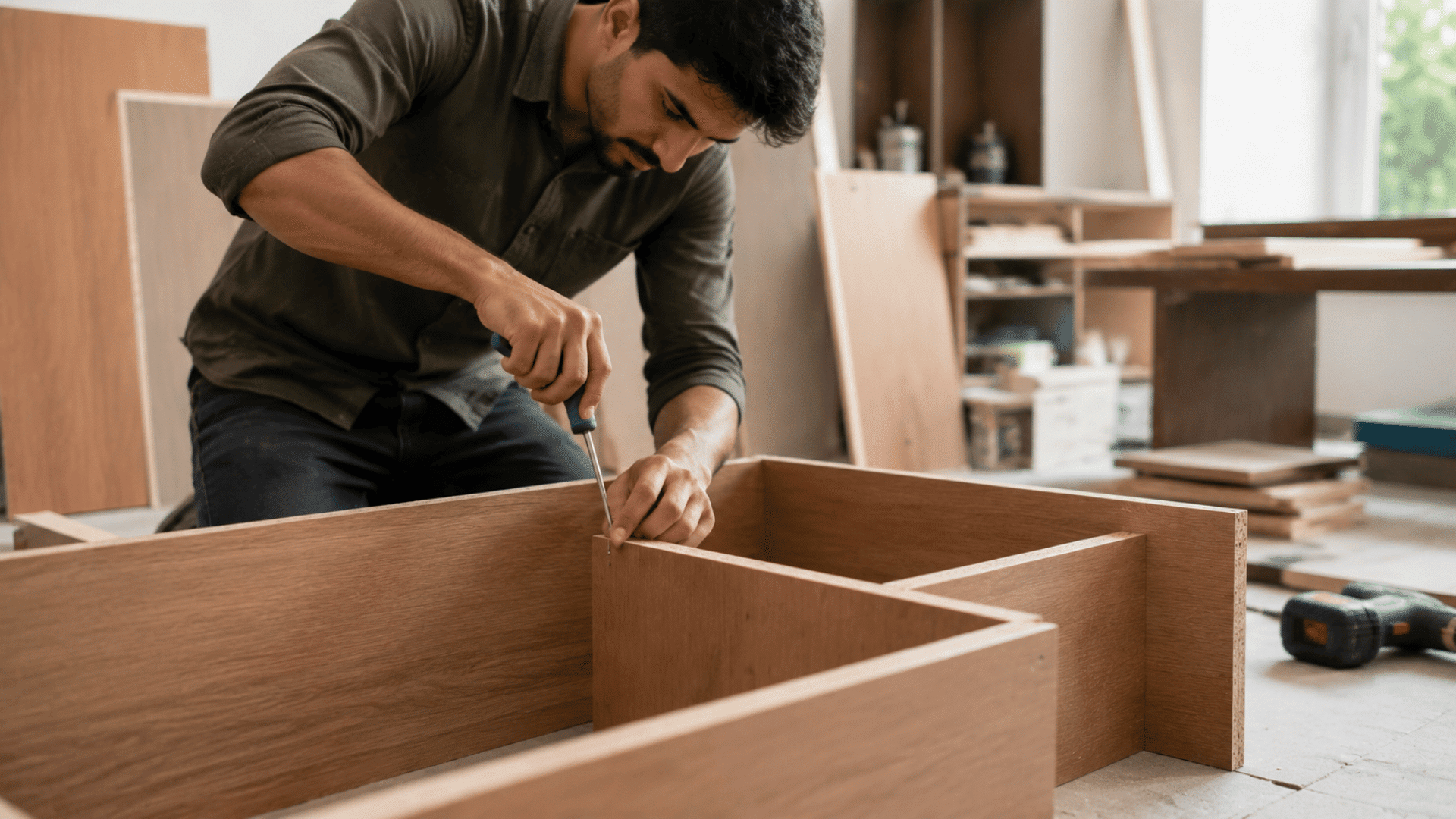
If you have been shopping for furniture, flooring, cabinets, or other home materials, you have probably seen engineered wood mentioned several times.
I noticed that many people choose engineered wood because it often costs less than solid wood and comes in many styles. Still, it is not perfect for every home project or budget.
In this article, I will explain what engineered wood is and how it is made. You will also learn about its main benefits, common drawbacks, and the most popular ways people use it around the home.
I will compare it to solid wood, discuss durability and moisture resistance, and help you understand where it works best.
By the end, you should have a better idea of whether engineered wood is the right choice for your needs.
What Is Engineered Wood?
Engineered wood is a type of wood product made by joining wood pieces, fibers, or layers together using heat, pressure, and strong glue.
Unlike solid wood, it is designed to be more stable and affordable for everyday use. Common types of engineered wood include plywood, MDF, particle board, and OSB.
People often use engineered wood for furniture, cabinets, flooring, shelves, and home building projects.
One reason it is popular is that it can better withstand changes in temperature and humidity than some solid wood products.
It is also available in many sizes and finishes, making it useful for a range of styles and budgets.
However, some types may not last as long when exposed to excessive water or severe damage. Overall, engineered wood is a practical choice for many homes and projects.
How Engineered Wood Is Made?
Engineered wood is made through a controlled process that improves its strength, durability, and overall consistency.
- Collecting Materials: Manufacturers gather wood fibers, sawdust, veneers, wood strands, and leftover wood pieces from trees or lumber factories.
- Cleaning and Drying: The wood materials are carefully cleaned and dried to remove dirt and reduce moisture, improving durability.
- Adding Adhesives: Strong glues and resins are mixed with the materials to securely hold the wood layers and particles together.
- Arranging the Layers: Wood fibers, veneers, or particles are arranged into layers or patterns based on the engineered wood type.
- Applying Heat and Pressure: Machines use high heat and heavy pressure to compress materials into strong, smooth, and solid wood boards.
- Improving Strength and Consistency: The controlled process creates boards with even strength, stable shapes, and smoother surfaces than natural wood.
- Cutting and Finishing: Finished boards are trimmed, sanded, and prepared for furniture, flooring, cabinets, and other construction or home projects.
Things to Consider Before Buying Engineered Wood
Before buying engineered wood, consider several factors to ensure it fits your project, budget, and long-term needs.
| Factor | What to Consider | Why It Matters |
| Budget | Compare prices of engineered wood types and grades. | Ensures you choose a product that fits your budget without sacrificing quality. |
| Indoor or Outdoor Use | Check if the wood is suitable for indoor or outdoor conditions. | Some engineered wood types may warp or get damaged in high-moisture areas. |
| Moisture Exposure | Consider areas prone to humidity or water exposure. | Choosing moisture-resistant boards prevents swelling, warping, or damage over time. |
| Weight Capacity | Evaluate how much weight the wood needs to support. | Ensures shelves, furniture, or structural components are safe and durable. |
| Appearance Preferences | Look at color, finish, and surface texture. | Helps match your home décor and desired aesthetic. |
| Installation & Maintenance | Consider ease of installation and cleaning requirements. | Simplifies DIY projects and reduces long-term maintenance effort. |
| Longevity | Check expected lifespan and refinishing options. | Ensures the wood lasts for your intended use without frequent replacement. |
Advantages of Using Engineered Wood
Engineered wood comes with several benefits that make it a popular choice for furniture, flooring, cabinets, and home projects.
1. Better Resistance to Warping and Cracking
One of the biggest benefits of engineered wood is its ability to withstand changes in temperature and humidity better than many solid-wood products.
Natural wood can expand, shrink, crack, or bend when the weather changes, especially in humid areas.
Engineered wood is made in layers under controlled pressure, which helps it stay more stable over time.
This makes it a good choice for flooring, furniture, cabinets, and other indoor projects where long-term shape and durability matter.
2. More Affordable than Solid Wood
Engineered wood is usually more affordable than solid hardwood, which makes it a popular option for many homeowners and builders.
Since manufacturers use wood fibers, particles, or thin wood layers during production, the overall cost is often lower.
I saw this material being used in a hotel room, and it looked stylish and premium even after years of use.
This allows people to create stylish furniture, flooring, and cabinets without spending as much money as they would on natural hardwood.
3. Available in Many Sizes and Finishes
Another advantage of engineered wood is the wide variety of sizes, colors, finishes, and thicknesses available in the market.
This makes it easier to match different home styles, furniture designs, and construction needs.
Some products are designed to look like natural hardwood, while others have smooth surfaces for painting or laminating.
Because of these choices, engineered wood can be used for cabinets, shelves, flooring, wall panels, and many other indoor projects around the home.
4. Eco-Friendly Use of Wood Materials
Engineered wood is often considered a more eco-friendly option because manufacturers use recycled wood fibers, sawdust, and leftover wood materials during production.
This helps reduce waste and allows more parts of a tree to be used instead of thrown away.
Some engineered wood products also reduce the need to cut large numbers of hardwood trees.
For homeowners who want more environmentally friendly materials for furniture or construction, engineered wood can be a practical and responsible choice.
5. Strong and Durable for Daily Use
Many engineered wood products are designed to be strong enough for regular daily use in homes and offices.
They are commonly used for furniture, flooring, cabinets, desks, and shelves because they can handle normal weight and activity well.
My uncle used this material for his kitchen cabinets, and it worked really well in humid conditions.
Some types, like plywood and LVL, are even used in construction because of their strength and stability.
When properly maintained, engineered wood can last for many years, making it a dependable option for both decorative and functional purposes.
6. Easier Installation and Maintenance
Engineered wood is often easier to install and maintain than many solid wood products.
Many boards are available in standard sizes, making cutting and fitting simpler for home projects or construction work.
Some flooring products also come with click-lock systems for faster installation. In addition, engineered wood usually requires simple cleaning with basic household products.
With regular care, such as keeping surfaces dry and clean, many engineered wood products can stay in good condition for a long time.
Key Disadvantages of Engineered Wood
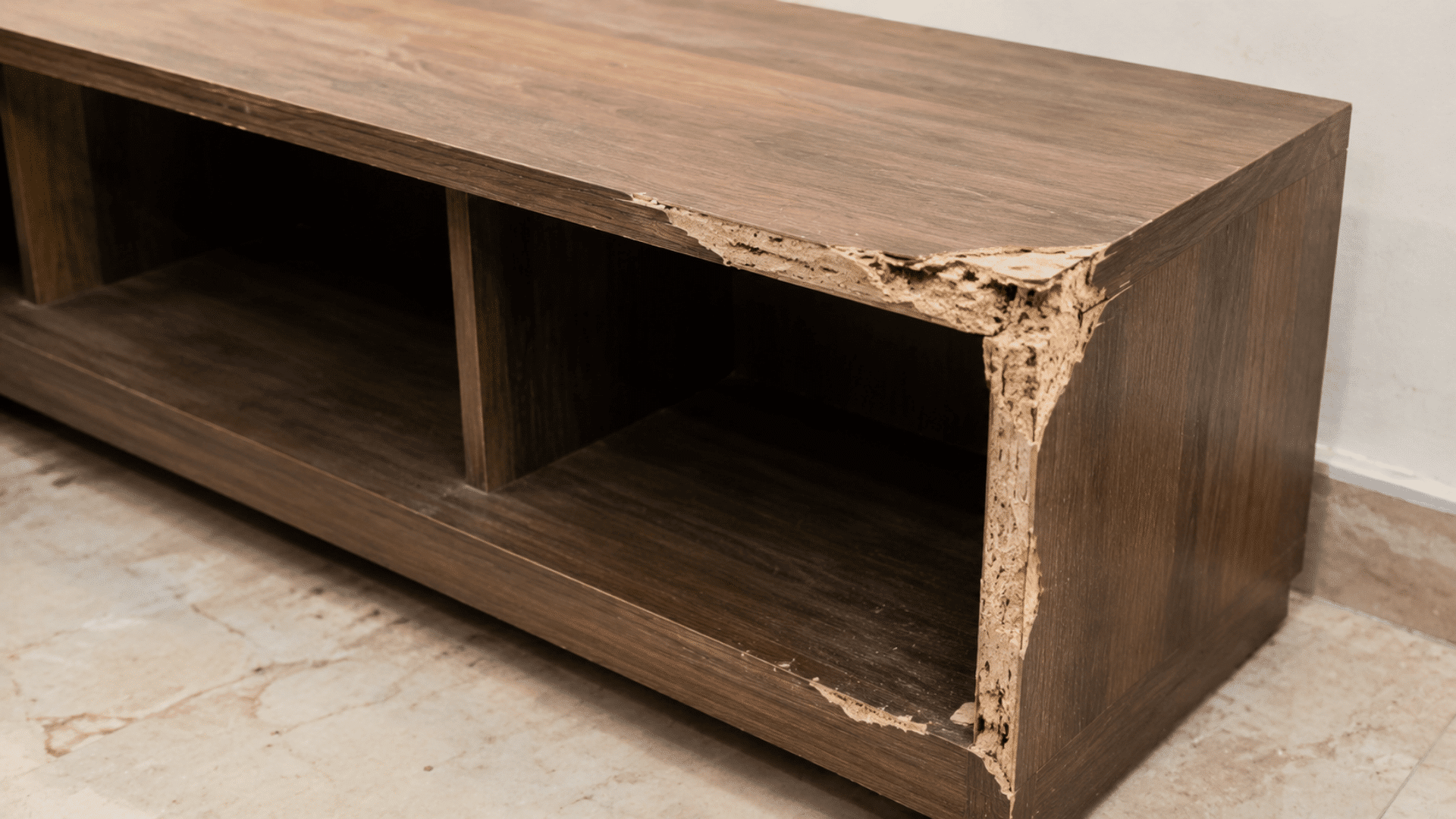
While engineered wood offers many benefits, it also has drawbacks you should consider before choosing it for furniture, flooring, or home projects.
1. Can Be Damaged by Excess Moisture
One of the main disadvantages of engineered wood is its sensitivity to water and humidity. Prolonged exposure to moisture can cause the boards to swell, weaken, or lose their original shape.
This makes some types unsuitable for bathrooms, outdoor areas, or high-humidity environments.
While certain engineered wood products are treated to resist moisture, lower-quality boards can easily warp or peel when wet, reducing their lifespan and structural reliability.
2. Some Types Have Lower Lifespan
Not all engineered wood products last as long as solid wood.
Lower-quality boards, especially those made from particleboard or thin veneers, may wear out more quickly under normal use.
Over time, furniture, cabinets, or flooring made from these types can lose strength, develop cracks, or start sagging.
Choosing higher-grade engineered wood can improve durability, but it generally cannot match the lifespan of hardwood for long-term use.
3. May Contain Chemical Adhesives
Engineered wood often relies on adhesives and resins to hold its layers together. Some of these adhesives may release mild chemical odors, particularly when the boards are new.
This can be a concern for people sensitive to fumes or for indoor spaces that require better air quality.
I noticed that lower-quality materials can start peeling or lose their finish over time.
Although many manufacturers now use low-VOC or formaldehyde-free adhesives, it is important to check product specifications before installation to ensure safety and comfort.
4. Surface Can Chip or Scratch
Even though engineered wood is generally strong, its surface can still chip, scratch, or dent from daily wear and tear.
Heavy furniture, sharp objects, or pets can damage the top layer, especially on lower-grade boards.
Unlike solid wood, these scratches may be more visible and harder to repair.
Careful use, protective pads, or surface treatments can reduce damage, but some risk of chipping or scratching always remains.
5. Limited Refinishing Options
Many engineered wood products cannot be sanded or refinished multiple times like solid hardwood.
Once the top veneer or surface layer is worn or damaged, it may be difficult to restore. This limits the long-term flexibility for repairs or aesthetic updates.
My neighbor installed a low-quality version in their office, and it began swelling after repeated exposure to moisture.
Flooring and furniture made from thin engineered wood layers may require replacement rather than refinishing. Choosing thicker veneers can help, but refinishing is generally more limited compared to natural hardwood.
Engineered Wood vs Solid Wood: Key Difference
Engineered wood and solid wood have different properties, costs, and uses. Understanding these differences can help you choose the best material for your home or project.
| Feature | Engineered Wood | Solid Wood |
| Material | Made from wood layers, fibers, or particles bonded with adhesives. | Natural wood is cut directly from trees. |
| Strength & Durability | Stable and resistant to warping; some types are strong enough for daily use. | Very strong and durable; can last decades if maintained. |
| Moisture Resistance | Better resistance to humidity changes, but some types can swell with water. | Can warp, crack, or shrink with temperature and humidity changes. |
| Cost | Usually more affordable due to the use of recycled wood and layers. | More expensive; prices depend on hardwood type and quality. |
| Appearance | Available in many finishes, veneers, and colors, it can mimic the look of hardwood. | Natural grain and color; can be sanded and refinished multiple times. |
| Installation | Easier to install; often lighter and available in standard sizes. | Heavier; may require more effort and tools to install. |
| Lifespan | Moderate; depends on quality and maintenance; limited refinishing. | Long-lasting; can be refinished multiple times for extended life. |
| Environmental Impact | Uses recycled wood and reduces waste. | Requires more solid wood; cutting large trees can impact forests. |
Best Uses for Engineered Wood in Homes
Engineered wood is versatile and can be used in many areas of the home. Here are some of the most common and practical applications:
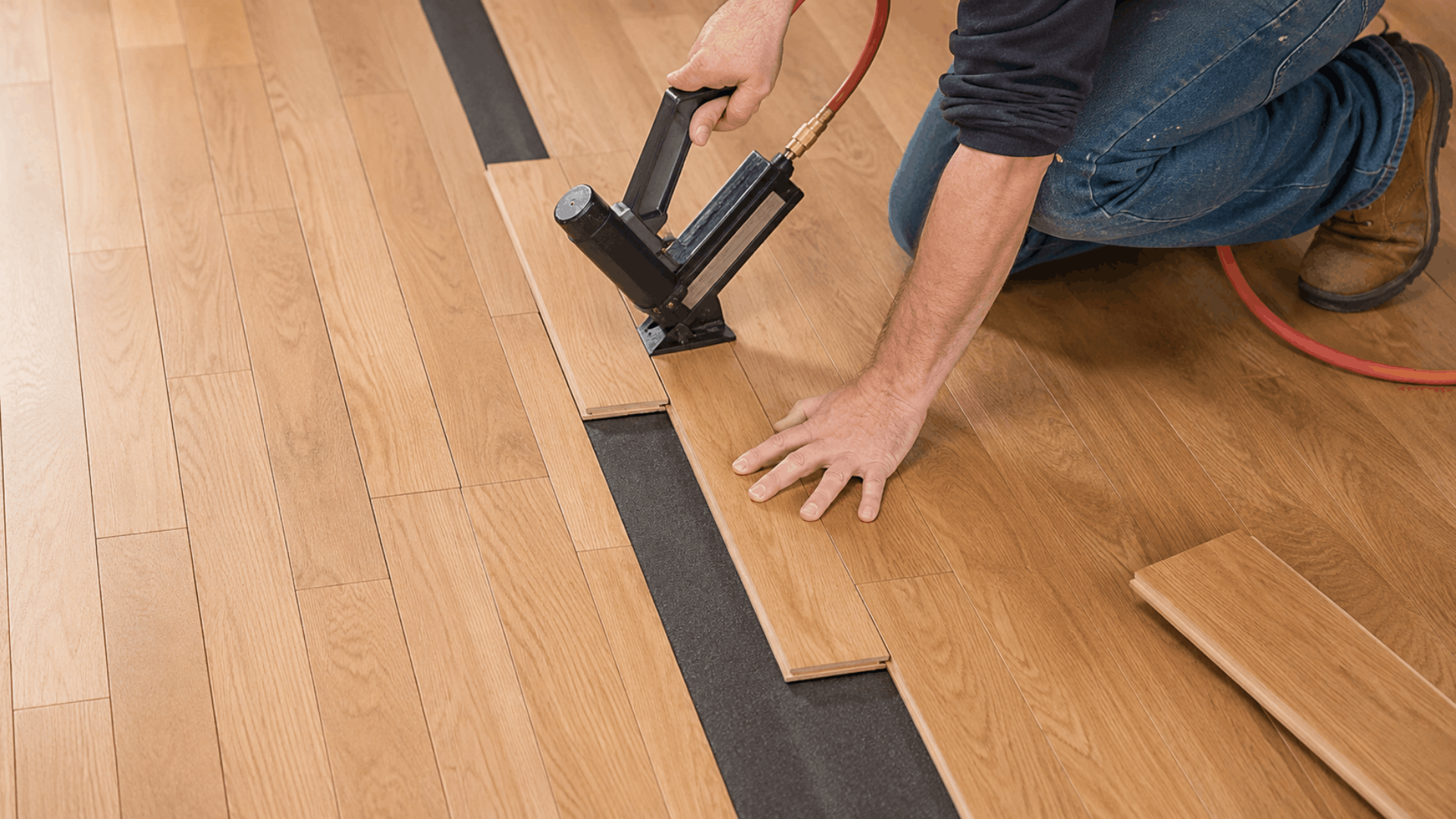
- Flooring: Engineered wood is often used for floors because it looks like hardwood while resisting warping in humid conditions.
- Cabinets and Furniture: It is ideal for cabinets, tables, and other furniture due to its strength, smooth surface, and affordable cost.
- Wall Panels: Engineered wood panels can add warmth and style to walls while being easier to install than solid wood panels.
- Shelving and Storage: Shelves, closets, and storage units often use engineered wood because it can support heavy loads while remaining lightweight.
- Roofing and Structural Support: Certain engineered wood products, such as LVL and plywood, are strong enough for beams, roofing, and other structural applications.
Is Engineered Wood Good for Furniture?
Engineered wood can be a good option for making furniture, especially if you want something strong, affordable, and stylish.
It usually costs less than solid wood, so you can get tables, shelves, cabinets, or desks without spending too much money.
It is also more stable in places where the air is humid or the temperature changes, which helps prevent cracking or warping over time.
The smooth surface makes it easy to paint, stain, or veneer.
However, it doesn’t last as long as high-quality solid wood and can be harder to fix if damaged.
Still, for everyday furniture in bedrooms, living rooms, or offices, engineered wood is practical, attractive, and cost-effective.
Alternative Options to Engineered Wood
There are several alternatives to engineered wood available for furniture, flooring, and interiors. These materials offer different benefits in durability, cost, appearance, and moisture resistance.
| Material | Description | Key Benefits | Best Used For |
|---|---|---|---|
| Solid Hardwood | Natural wood cut directly from trees | Very strong, durable, can be sanded and refinished multiple times | Flooring, premium furniture, doors |
| Laminate Wood | Printed wood-like layer pressed onto a core board | Affordable, easy to install, scratch-resistant | Budget flooring, low-cost furniture |
| Bamboo | Fast-growing natural grass processed into boards | Eco-friendly, strong, stylish appearance | Flooring, cabinets, furniture |
| Vinyl Wood Planks | Synthetic flooring material with a wood appearance | Waterproof, easy to clean, moisture-resistant | Kitchens, bathrooms, basements |
| Solid Ply / Marine Plywood | High-grade plywood with strong moisture resistance | Durable, stronger than standard plywood, moisture-resistant | Structural work, kitchen cabinets, heavy-duty furniture |
| MDF (Medium Density Fiberboard) | Engineered board made from wood fibers and resin | Smooth surface, cost-effective, easy to paint | Interior furniture, cabinets, decorative panels |
| PVC Boards | Plastic-based boards used as wood alternatives | Waterproof, termite-proof, low maintenance | Bathroom cabinets, modular kitchens, and outdoor furniture |
Tips to Maintain Engineered Wood
Proper care is essential to keep engineered wood looking great and lasting longer.
- Keep It Dry: Avoid exposing engineered wood to water or high humidity, as moisture can cause swelling, warping, or long-term damage.
- Use Protective Pads: Place felt pads under furniture legs to prevent scratches, dents, or scuffs on flooring and other wood surfaces.
- Avoid Direct Sunlight: Prolonged exposure to sunlight can fade or discolor the surface. Use curtains or blinds to protect the wood.
- Handle Repairs Carefully: Minor scratches can be treated with wood polish or touch-up markers. Avoid sanding thin veneers, which can damage the finish.
- Cleaning Tips: Regularly dust and wipe surfaces with a soft cloth or microfiber mop. Avoid harsh chemicals that can damage the finish.
- Preventing Scratches and Swelling: Use felt pads under furniture, avoid dragging heavy objects, and keep the wood away from water or high humidity.
Conclusion
In the end, choosing the right wood for your home or furniture comes down to understanding your needs, budget, and the environment where it will be used.
Engineered wood offers many benefits, such as affordability, stability, and versatility, making it a practical choice for floors, cabinets, furniture, and more.
At the same time, it’s important to remember its limitations, such as its sensitivity to moisture and limited refinishing options.
By weighing the advantages and disadvantages, you can make a smart decision that fits your space and lifestyle.
I’d love to hear if you’ve used engineered wood in your home or furniture projects. Share your experiences, tips, or lessons in the comments below, and let’s help each other make informed choices!
Frequently Asked Questions
Is Engineered Wood Waterproof?
Engineered wood is not fully waterproof. Some types resist moisture better, but prolonged exposure to water can cause swelling or damage.
Which Is Better: Plywood or MDF?
Plywood is stronger and more moisture-resistant, while MDF is smoother and easier to paint. Choose based on strength needs and finish preference.
Can Engineered Wood Be Painted?
Yes, engineered wood can be painted, especially MDF or smooth veneers, using proper primers and paint for a lasting finish.