

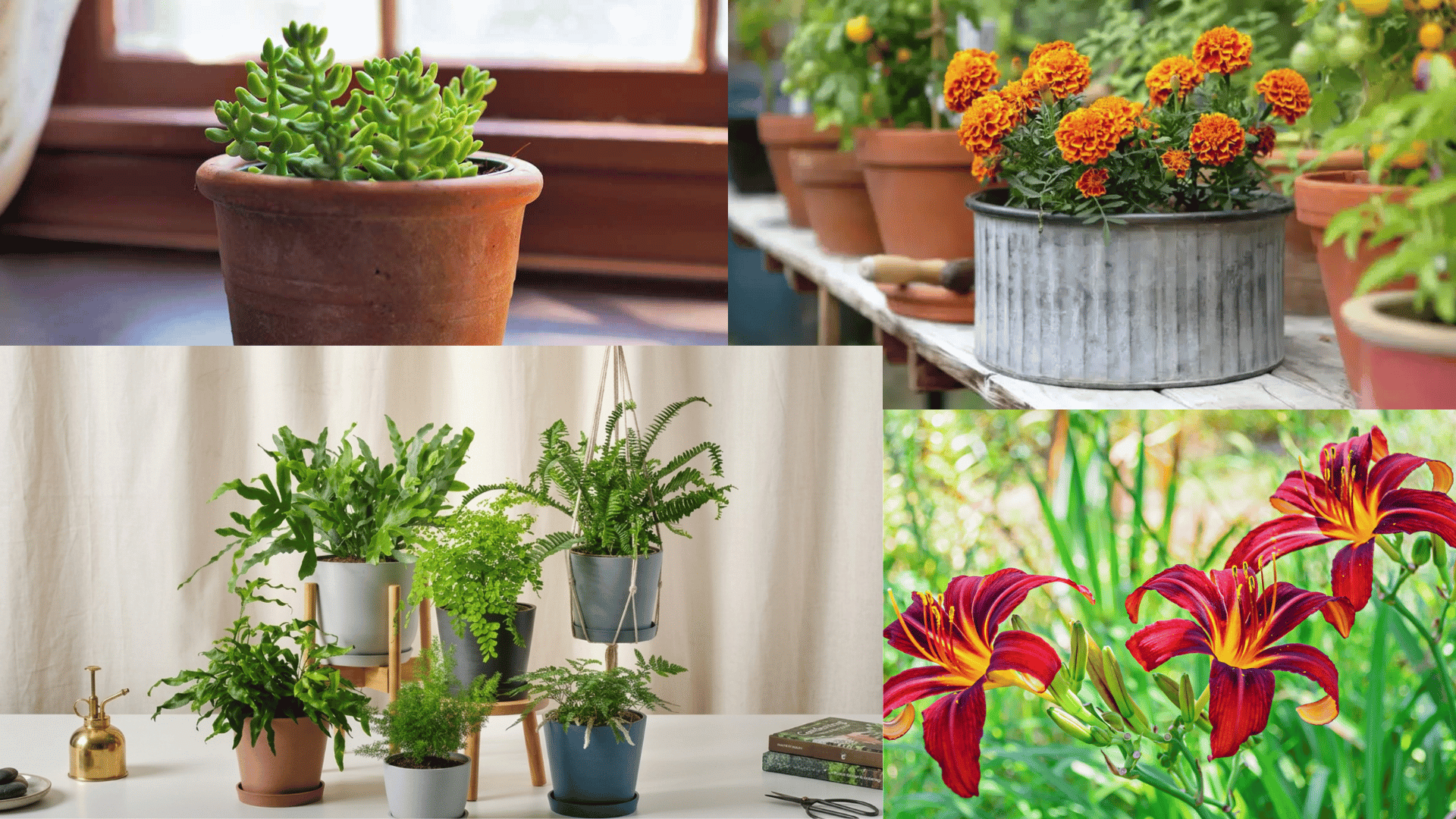
Gardening doesn’t have to take up all your time or feel like hard work. With the right approach, it can be simple, relaxing, and enjoyable.
Low-maintenance outdoor plants need less water, pruning, and care while keeping your garden green and fresh.
These plants are perfect for busy lifestyles, allowing you to enjoy a beautiful outdoor space without constant effort.
I remember switching to low-maintenance plants in my own garden and noticing how much easier it became to manage everything without stress.
Instead of spending hours on upkeep, you can focus on enjoying the space you’ve created.
These plants are perfect for beginners or anyone who wants a healthy garden with less work.
Benefits of Choosing Low-Maintenance Outdoor Plants
These plants offer both convenience and long-term value. They make gardening simple without sacrificing beauty.
- Time-Saving Advantage: Requires less daily care, making gardening easier to maintain.
- Cost-Effective Choice: Fewer resources, like water and fertilizers, are needed over time.
- Easy to Manage: Need minimal pruning and attention, making them ideal for beginners.
- Drought Tolerance: Many can survive with less water, especially in hot conditions.
- Long-Lasting Growth: Stay healthy for longer periods without frequent replacements.
Best Low-Maintenance Outdoor Plants for Beginners
Starting with the right plants makes gardening stress-free. Beginner-friendly options grow easily with minimal effort.
1. Succulents
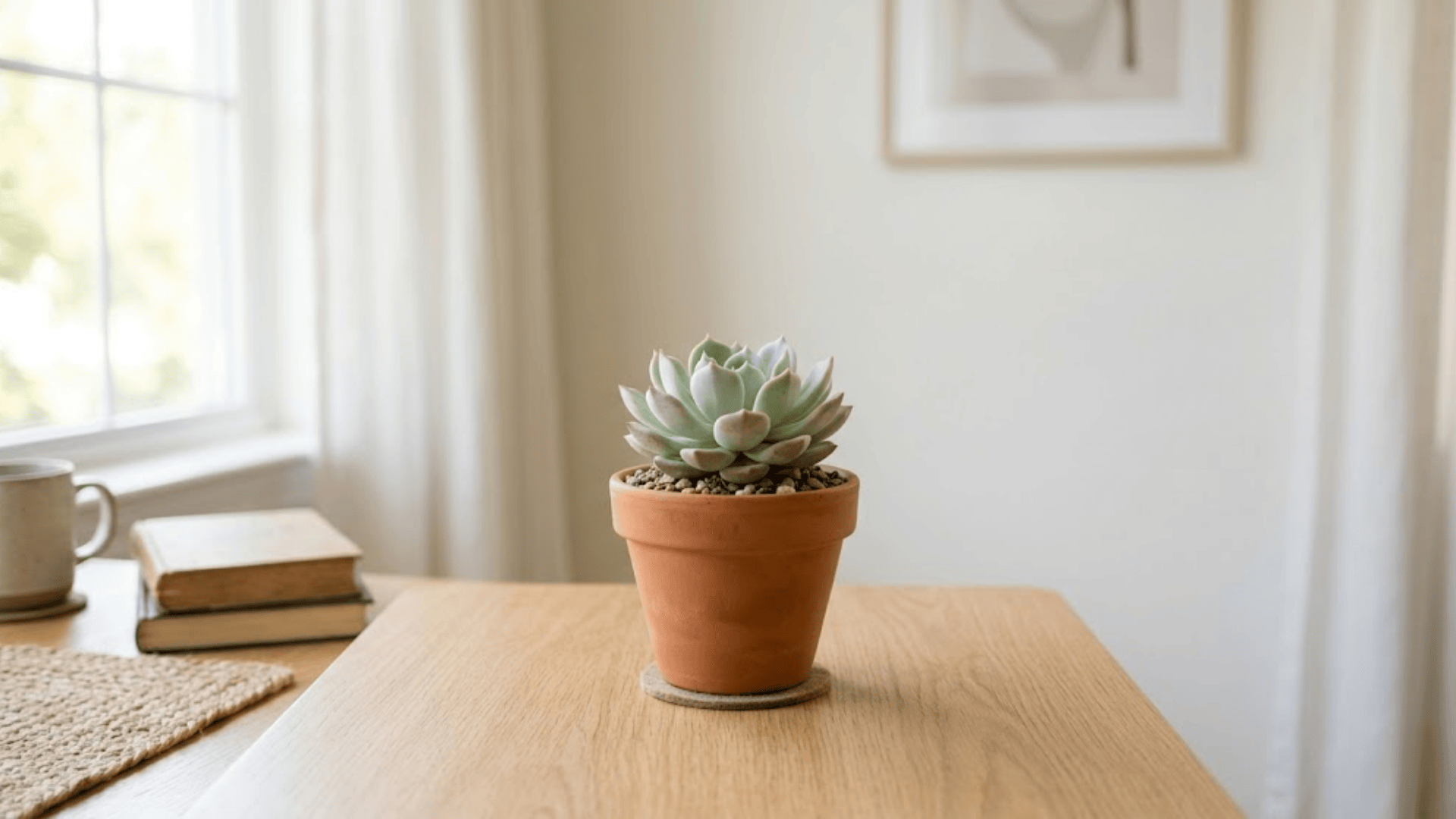
Succulents are one of the easiest plants to grow outdoors. They store water in their leaves, which means they don’t need frequent watering.
- Hardiness zones: 3–11, depending on variety (sedums and hens-and-chicks handle colder zones; echeveria prefers zones 9–11).
- Watering: Every 2–3 weeks during the growing season; reduce to monthly in winter.
- Size: Varies widely, ground-cover varieties stay under 6 inches; upright types can reach 12–18 inches.
- Pet safety: Many succulents, including echeveria, are non-toxic. Aloe vera is an exception and is toxic to dogs and cats.
- Best companions: Pair with lavender or ornamental grasses for contrast in texture and height.
They also come in many shapes and colors, adding visual interest to your garden. With minimal care, succulents can stay healthy for a long time, making them a reliable and low-effort choice.
2. Lavender
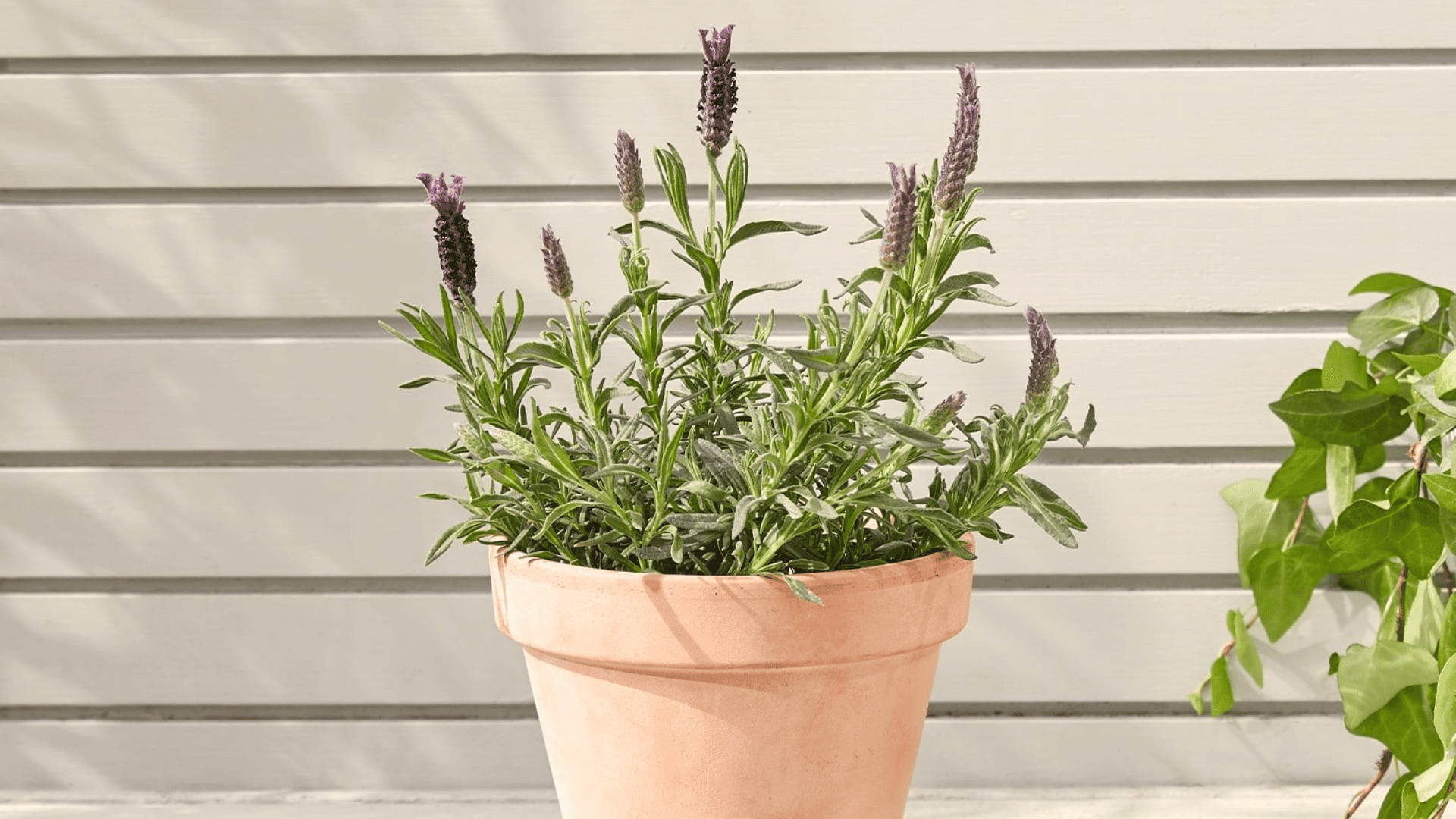
Lavender is a low-maintenance plant known for its fragrance and soft purple flowers.
This plant is also naturally resistant to pests, making it easier to care for. Lavender adds both beauty and a pleasant scent to your outdoor space.
- Hardiness zones: 5–9.
- Watering: Once established, lavender is extremely drought-tolerant and may only need supplemental watering during extended dry spells.
- Size: Typically grows 1–3 feet tall and wide.
- Soil tip: Lavender prefers poor, sandy, or alkaline soil. Rich or clay-heavy soil leads to root rot. I learned this the hard way during a university project where we planted lavender in unamended clay beds.
- Best companions: Rosemary, sedum, or Russian sage. All share the same preference for dry, lean soil.
With basic trimming and good sunlight, it can grow strong without much effort, making it a great choice for beginners.
3. Snake Plant
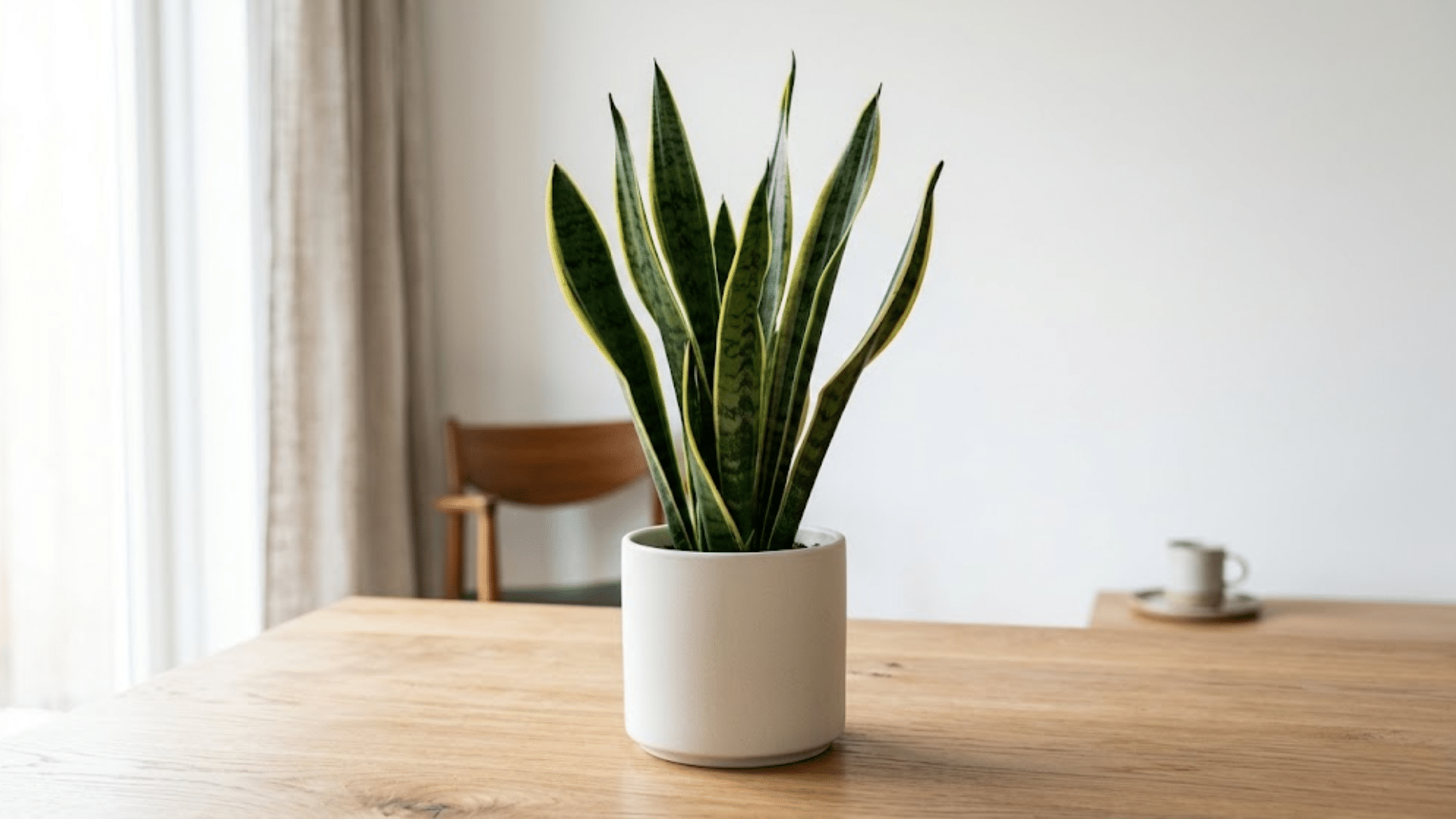
Snake plants are strong and adaptable, making them a great option for beginners. They can grow in both sunlight and partial shade and require very little watering.
- Hardiness zones: Best outdoors in zones 9–11. In colder zones, grow in containers and bring indoors before the first frost.
- Watering: Every 2–6 weeks, depending on the season. Overwatering is the main risk; always let the soil dry out completely between waterings.
- Size: 2–4 feet tall outdoors.
- Pet safety: Toxic to dogs and cats if ingested. Keep away from ground level in homes with pets.
- Container note: Snake plants do well in containers outdoors in summer. Use a terracotta pot for better moisture regulation.
These plants are known for their ability to survive tough conditions, including irregular care.
4. Aloe Vera
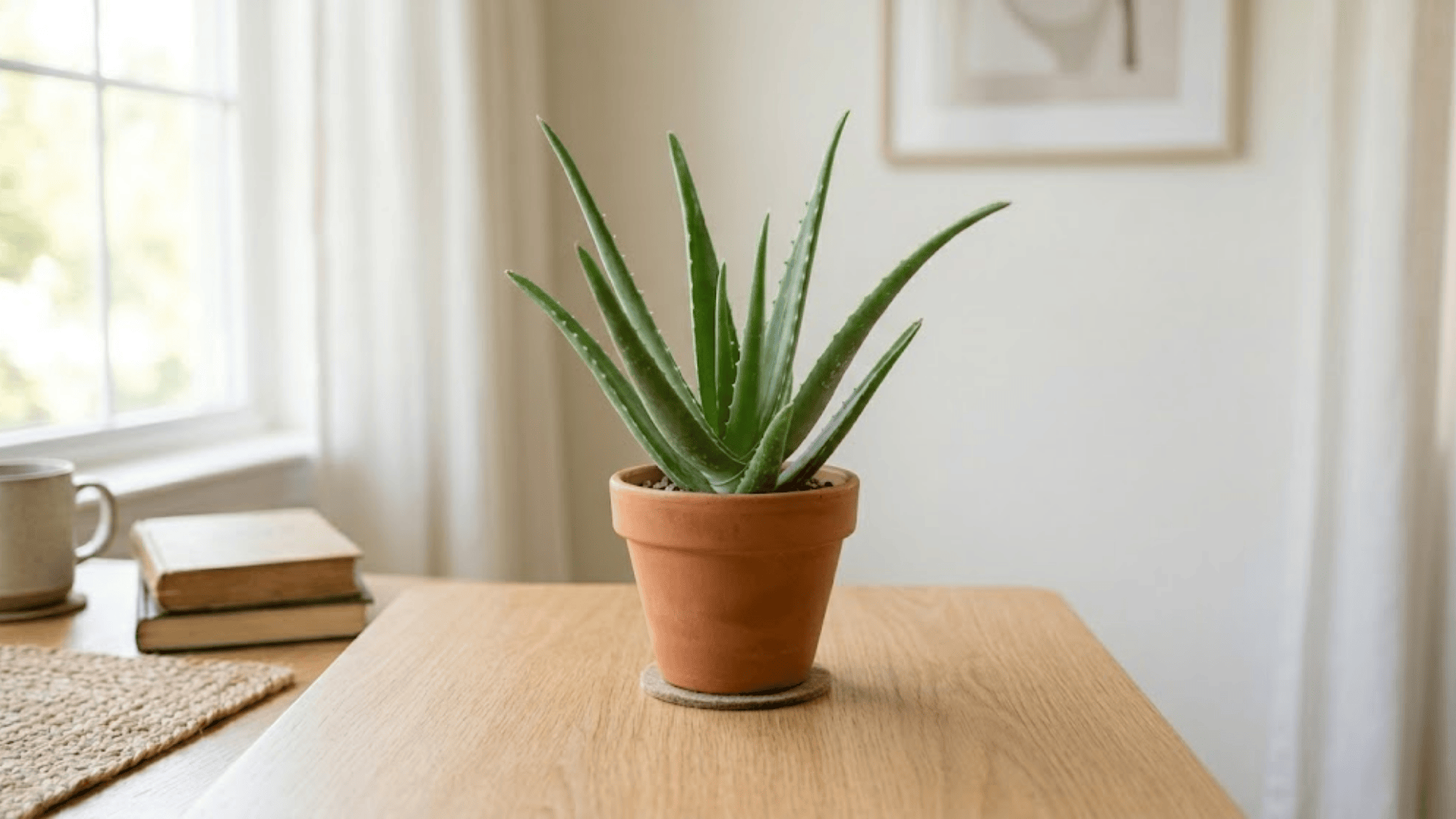
Aloe vera is a simple and useful plant that is easy to grow outdoors. Aloe vera grows well in well-drained soil and doesn’t need much attention once established.
- Hardiness zones: Zones 9–11 for outdoor year-round growing. In colder climates, use containers and move indoors when temperatures drop below 40°F.
- Watering: Every 2–3 weeks during the growing season.
- Size: 12–24 inches tall, spreads up to 24 inches wide
- Pet safety: Toxic to dogs and cats. Not suitable for gardens with free-roaming pets.
- Practical use: The gel from mature leaves can be applied directly to minor burns and skin irritation. I keep an aloe plant near my outdoor kitchen for this reason.
Its benefits and low care needs make it a great choice for beginners who want both function and beauty.
5. Marigolds
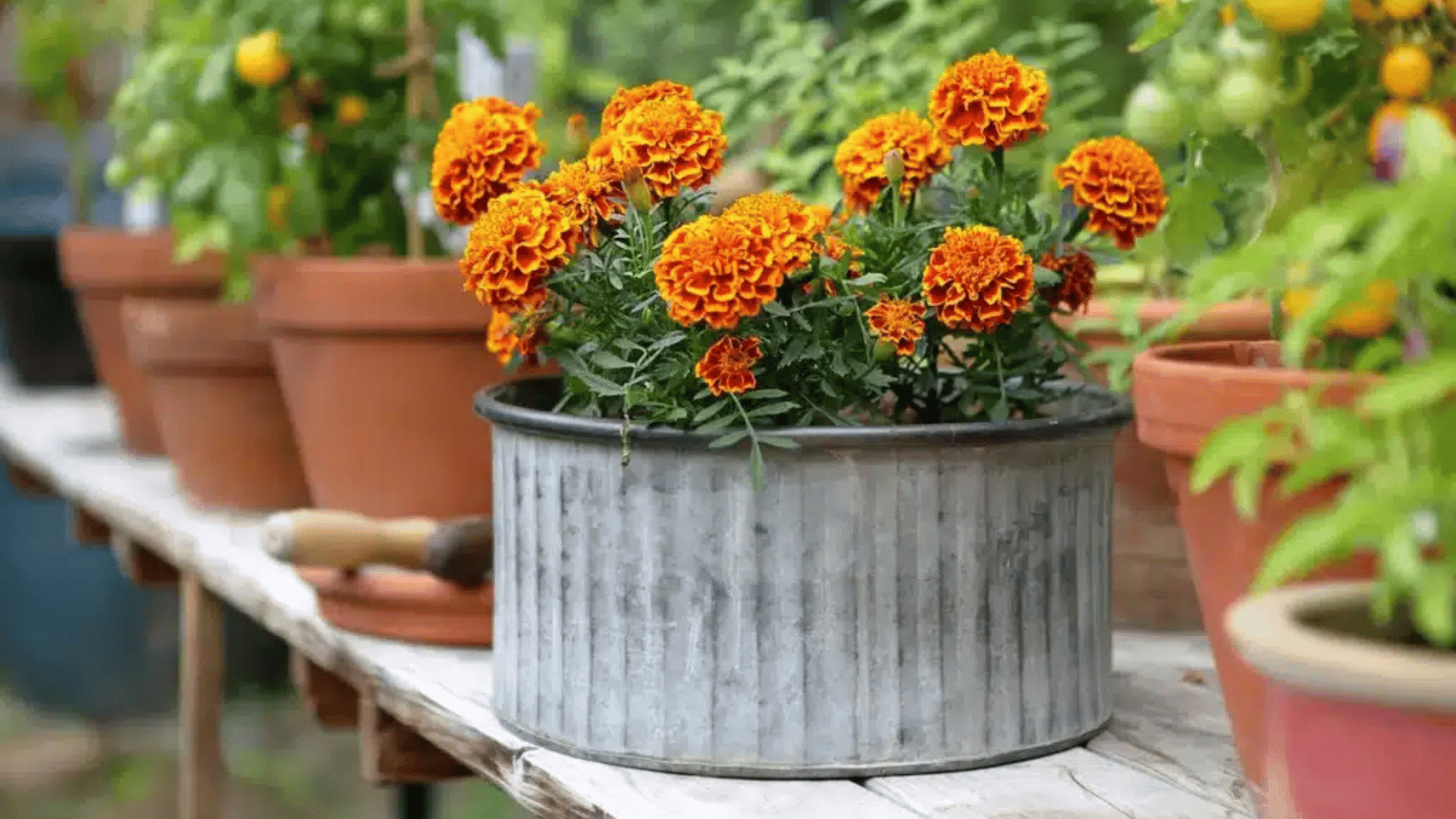
Marigolds are bright, cheerful flowers that are very easy to grow, making them perfect for beginners.
These plants are also known for their natural ability to repel certain pests, which helps protect nearby plants in your garden.
- Hardiness zones: Grown as annuals in all zones; perform best in zones 2–11.
- Watering: Once or twice per week; they prefer to dry out slightly between waterings.
- Size: Dwarf varieties stay around 6 inches; tall varieties can reach 3 feet.
- Pet safety: Mildly toxic to cats and dogs if eaten in large quantities. Generally considered low-risk.
Marigolds bloom for long periods, adding vibrant color and life to outdoor spaces.
6. ZZ Plant
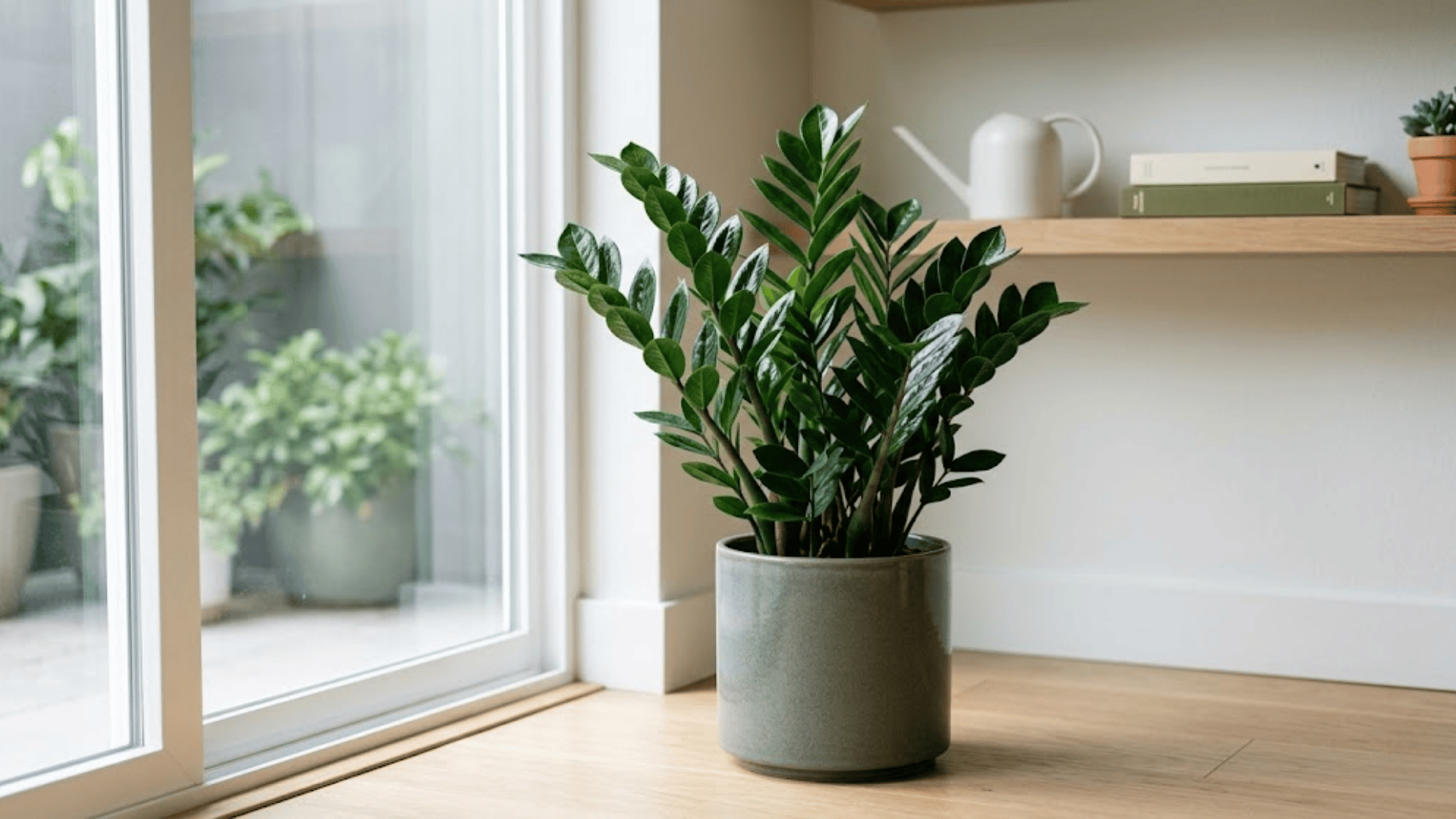
The ZZ plant is known for its ability to survive with very little care. It requires minimal watering and can tolerate both low light and bright conditions.
- Hardiness zones: Outdoor year-round in zones 9–10. Elsewhere, use as a container plant and bring indoors in winter.
- Watering: Every 2–3 weeks in summer; once a month or less in winter.
- Size: Typically 2–4 feet tall with a similar spread.
- Pet safety: Toxic to dogs and cats. All parts of the ZZ plant contain calcium oxalate crystals. Keep out of reach of animals.
Beginners often choose the ZZ plant because it is hard to damage and can stay healthy even with limited attention, making it a reliable option.
7. Hostas
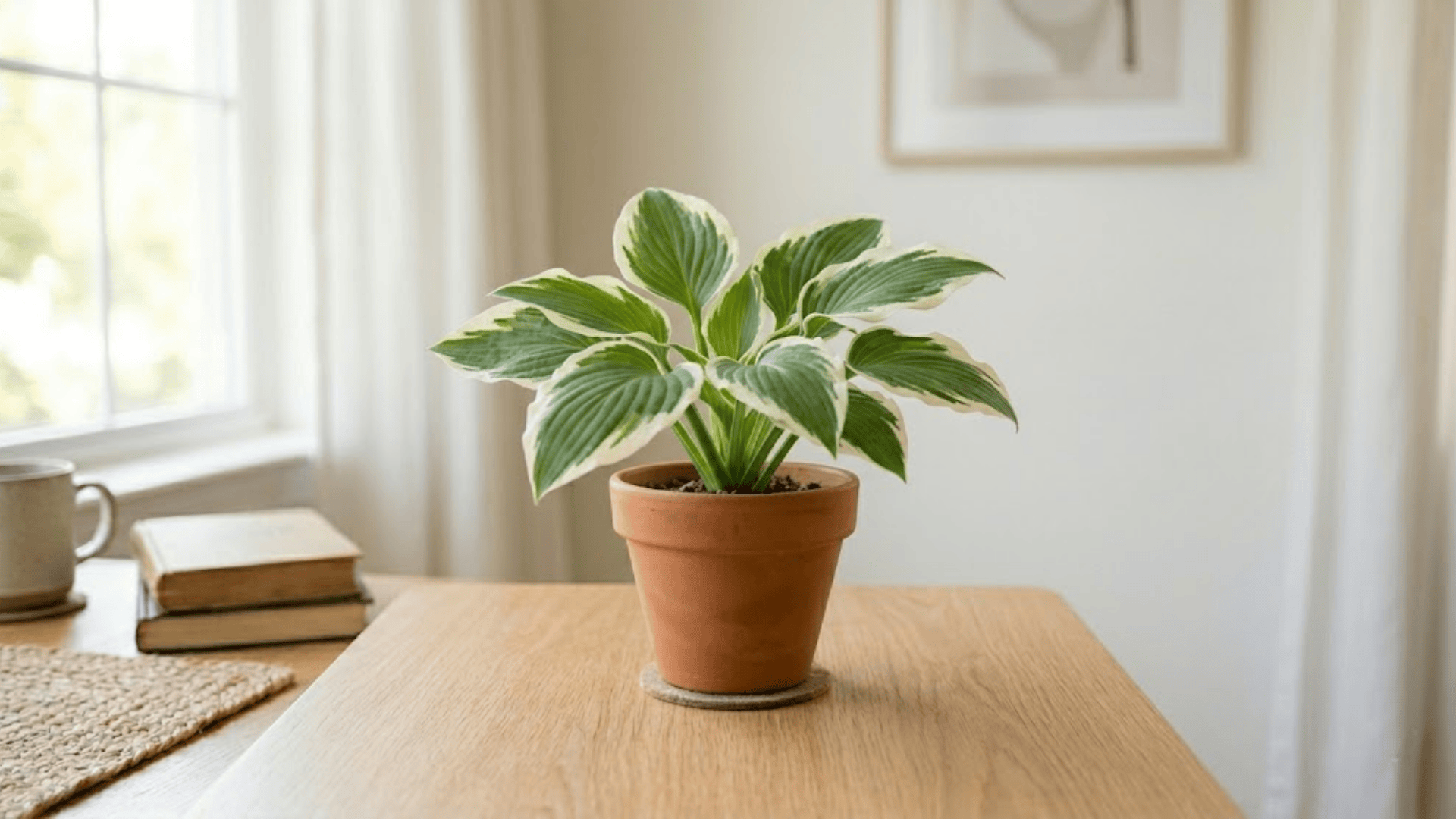
Hostas are excellent for shaded outdoor areas and are very easy to care for. They have large, decorative leaves that add texture and beauty to gardens.
- Hardiness zones: 3–9, one of the most cold-hardy options on this list.
- Watering: Moderate; keep soil consistently moist but not waterlogged. Hostas prefer cooler, shadier conditions.
- Size: Varies; miniature hostas stay under 6 inches; large varieties can spread 4–5 feet wide.
Their low-maintenance nature and ability to thrive in shade make them a great choice for beginners who want a simple yet attractive garden setup.
8. Daylilies
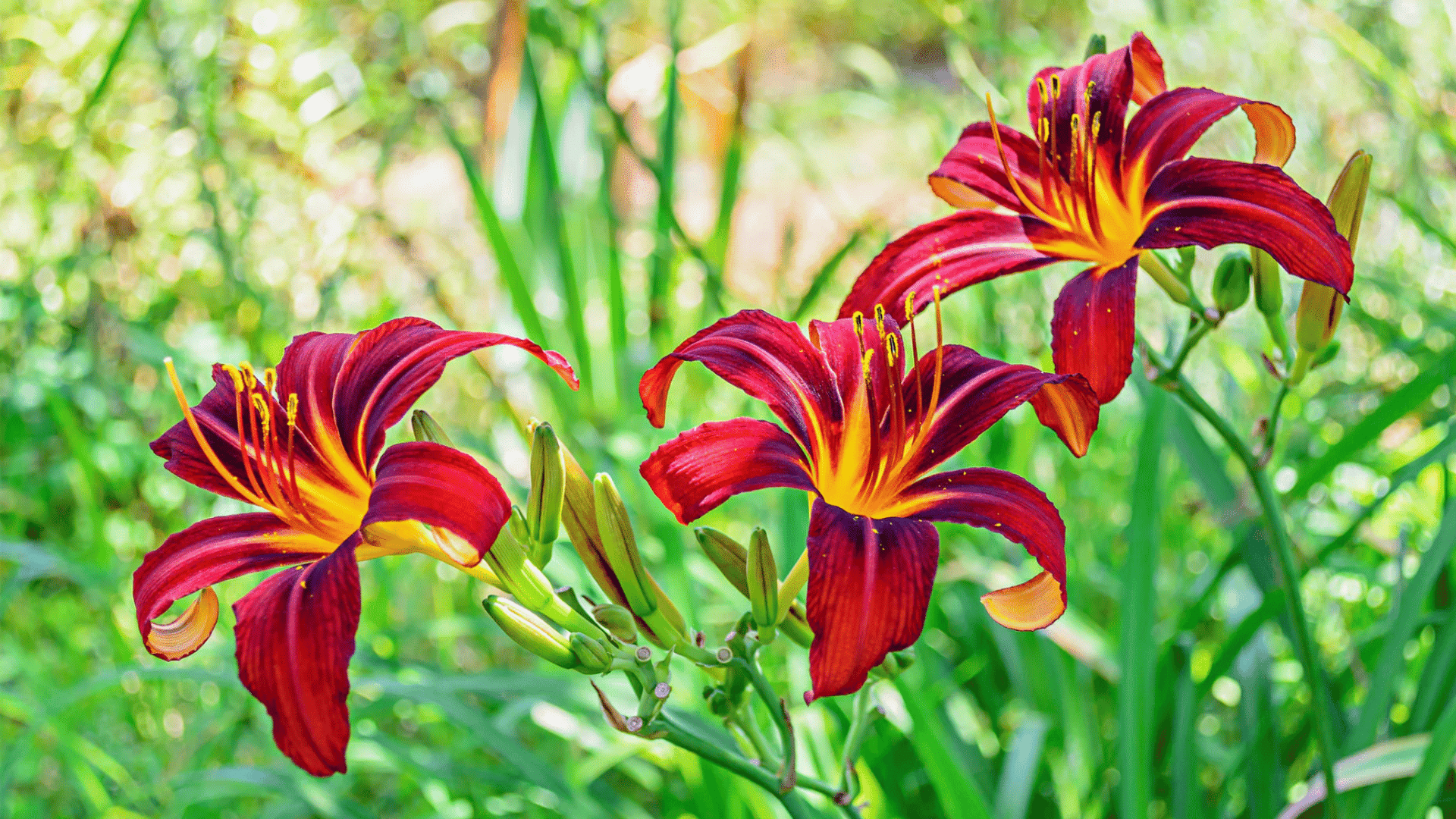
Daylilies are strong and reliable plants that can grow in a variety of conditions. They require minimal care once established and can tolerate both sun and partial shade.
- Hardiness zones: 3–9.
- Watering: Minimal once established. During flowering, moderate watering improves bloom quality.
- Size: Most varieties grow 1–4 feet tall.
- Dividing: Every 3–4 years, divide clumps in early spring or fall. A single plant can spread into a 3-foot clump over time. Dividing keeps blooms vigorous and gives you free plants to fill other spots in the garden.
- Pet safety: Highly toxic to cats. Even small ingestions can cause kidney failure in cats. Not recommended for gardens with cats that go outdoors.
These plants produce colorful flowers that bloom repeatedly, adding charm to any garden. Daylilies are also resistant to pests and diseases, making them easy to manage.
9. Ferns
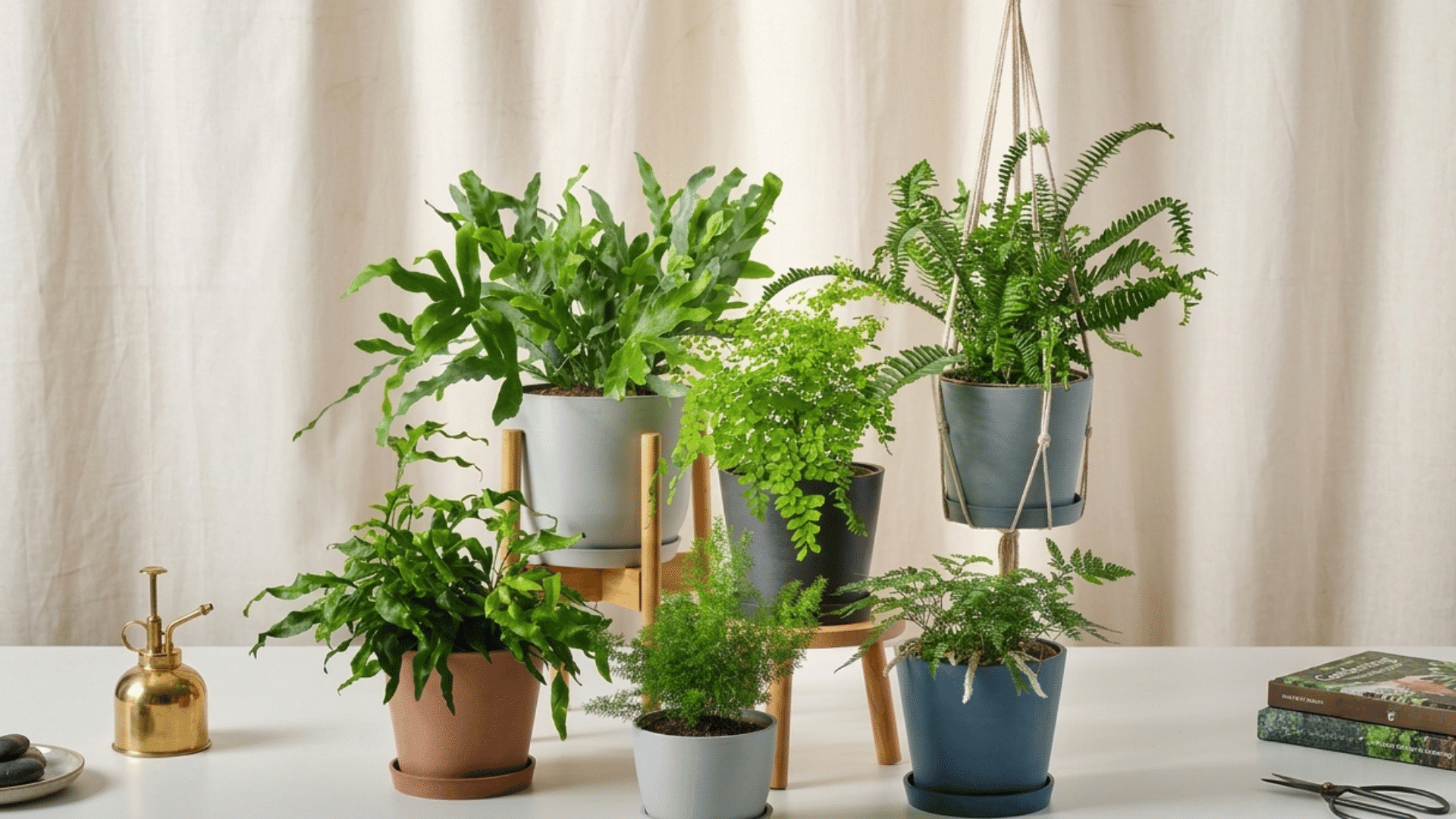
Ferns are ideal for shaded outdoor areas and are known for their soft, green leaves.
- Hardiness zones: Varies by species. Autumn fern (zones 5–9) and ostrich fern (zones 3–7) are two of the most reliable options.
- Watering: Keep soil lightly moist; resistant to prolonged drought
- Size: Most outdoor fern varieties grow 1–3 feet tall and spread gradually over time.
Ferns add a natural and calming look to any garden space, which is great for filling empty areas and creating a lush environment.
10. Boxwood
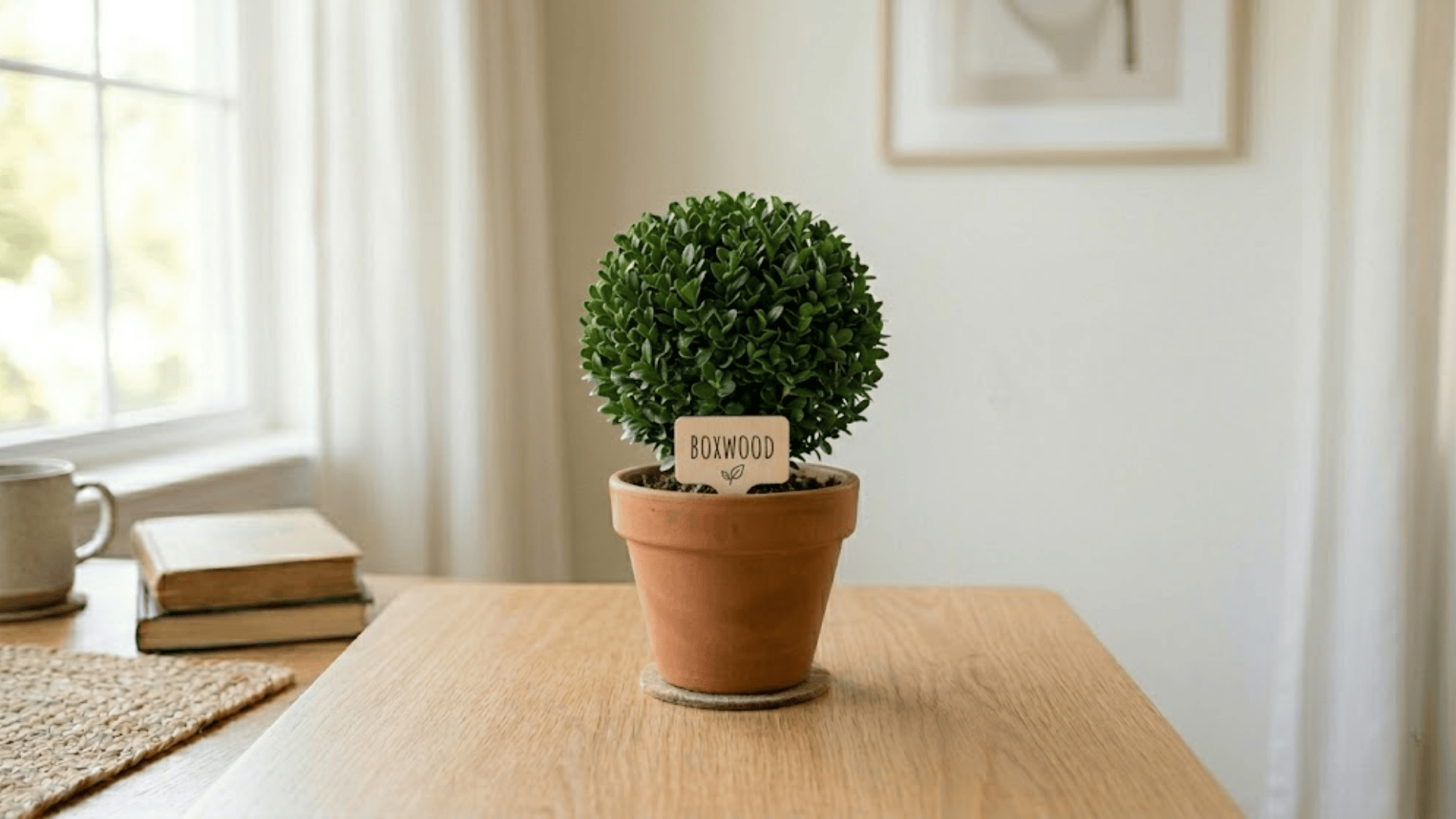
Boxwood is a popular plant for creating neat and structured outdoor designs, especially in formal gardens.
It is slow-growing, requiring less frequent pruning compared to many other plants.
- Hardiness zones: 4–9, depending on variety. ‘Winter Gem’ and ‘Green Mountain’ are especially hardy and widely available.
- Watering: Regular watering during the first year to establish roots; drought-tolerant once established.
- Size: Most varieties grow 2–5 feet tall.
With basic care like occasional trimming and watering, beginners can easily maintain boxwood while keeping their outdoor space looking clean and organized.
11. Sedum
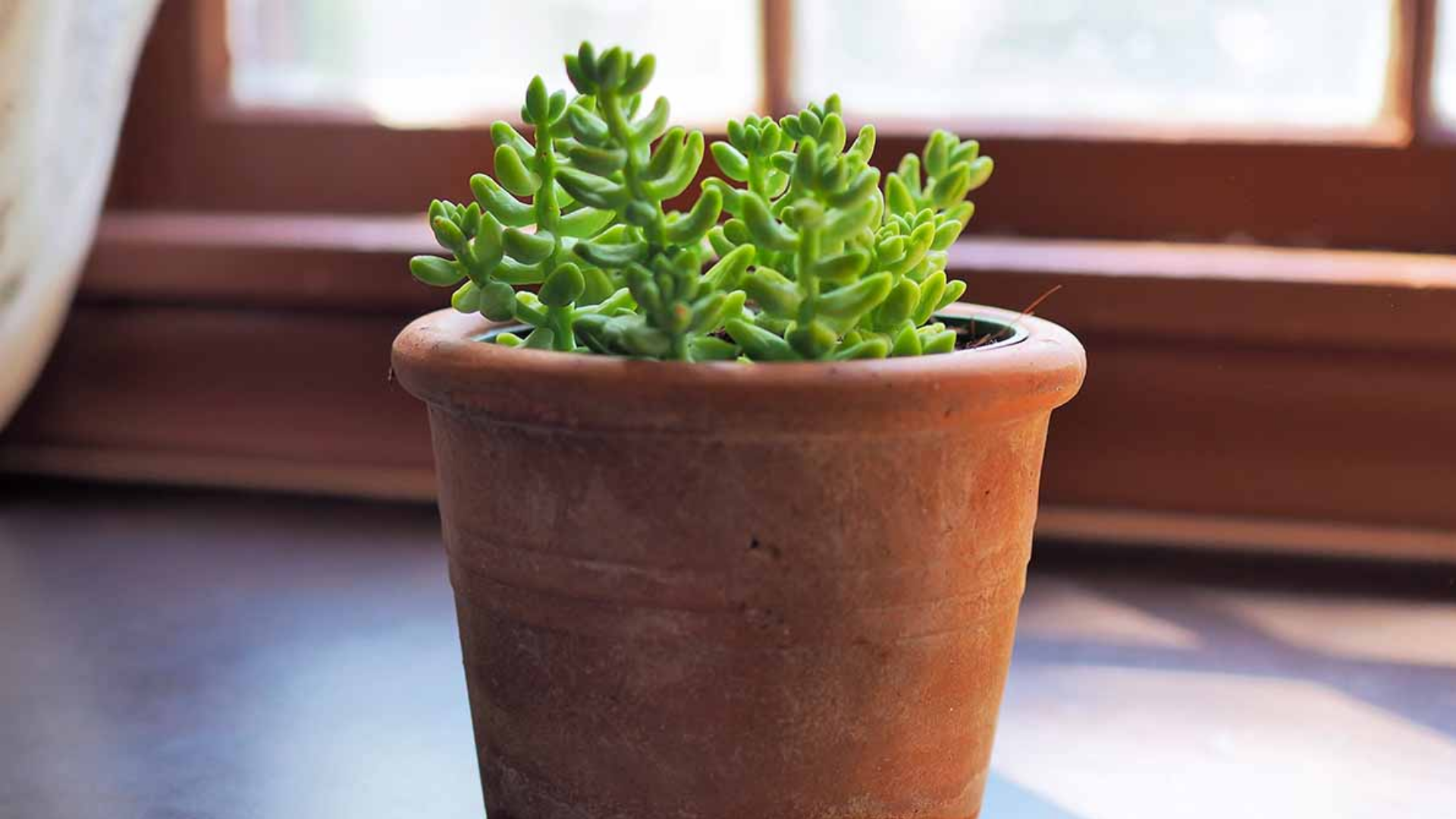
Sedum is a hardy, low-maintenance succulent plant ideal for beginners and outdoor gardens.
- Hardiness zones: 3–9, depending on variety. Popular options include ‘Autumn Joy’ and ‘Dragon’s Blood.’
- Watering: Minimal, its succulent leaves store moisture.
- Size: Ground-cover varieties stay low (2–4 inches); upright types like ‘Autumn Joy’ reach 18–24 inches.
It is drought-tolerant, pest-resistant, and can grow in poor soil conditions, making it perfect for rock gardens, borders, and containers with very little care needed.
12. Russian Sage
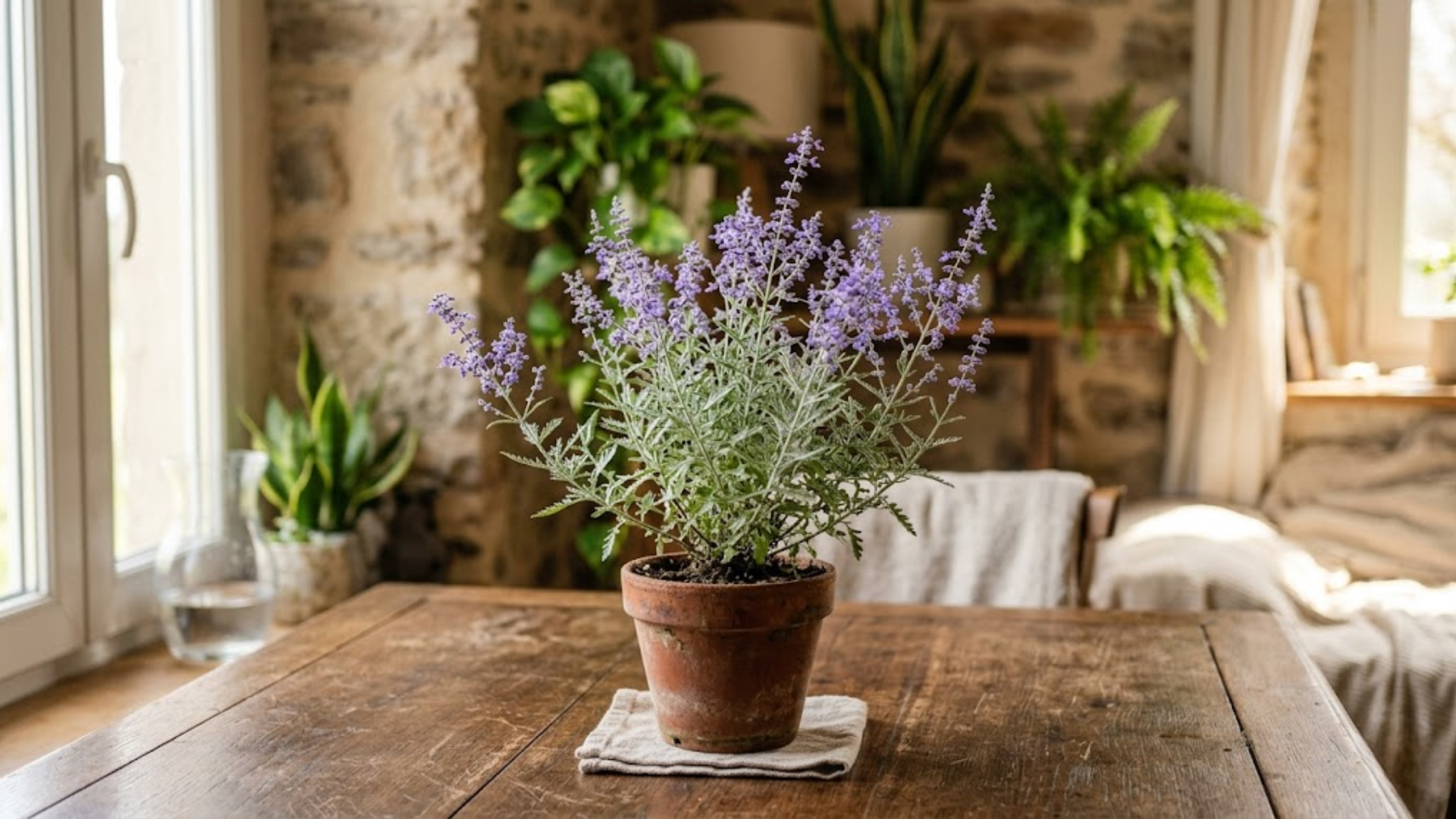
Russian sage is a tall, airy perennial with silvery-blue flower spikes that bloom from midsummer well into fall, one of the longest bloom windows on this list.
It grows well in full sun and actually performs better in poor, dry soil than in rich, fertile ground.
- Hardiness zones: 4–9.
- Watering: Minimal once established; water regularly only during the first growing season to build roots.
- Size: Grows 3–5 feet tall with a 2–3 foot spread.
13. Ornamental Grasses
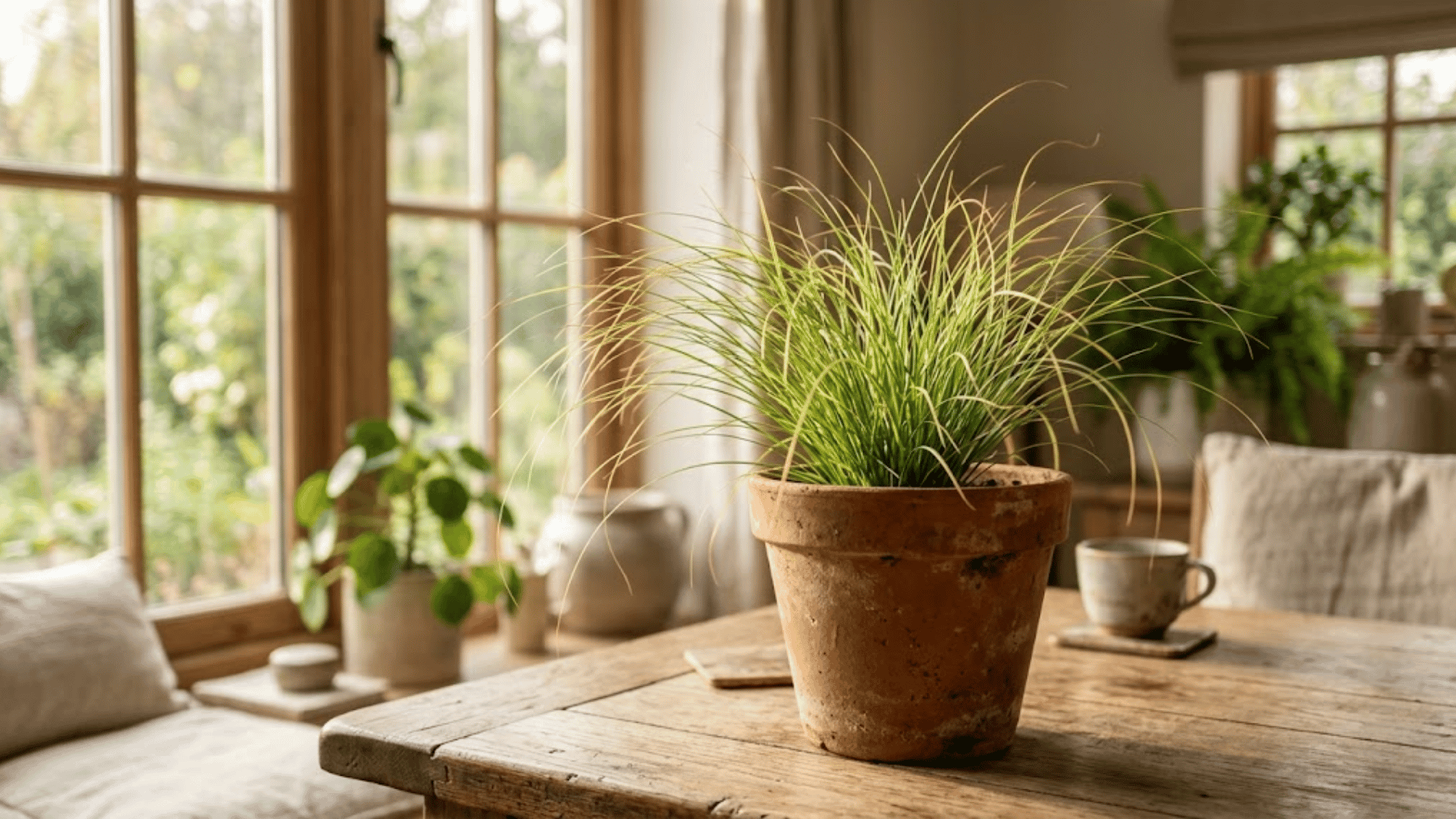
Ornamental grasses are one of the most underrated low-maintenance choices; they provide year-round structure, movement, and visual texture with almost no intervention.
- Hardiness zones: 4–9, depending on variety.
- Watering: Minimal once established; drought-tolerant through summer.
- Size: Most mid-sized varieties grow 2–5 feet tall.
Varieties like feather reed grass (Calamagrostis’ Karl Foerster’) and blue oat grass stay tidy throughout the season and look striking even in winter when left standing. providing habitat for birds before the spring cutback.
14. Coneflower (Echinacea)
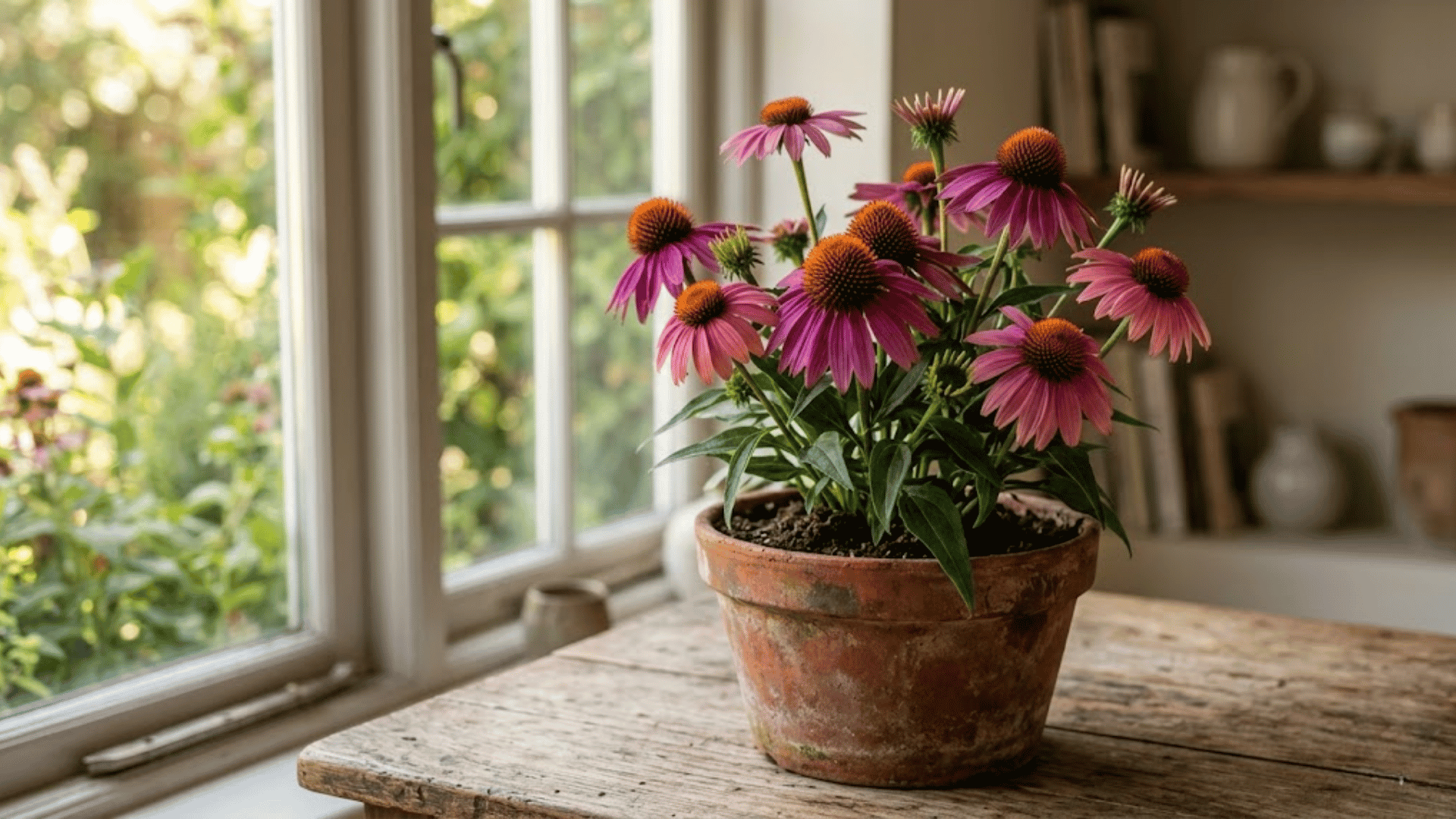
Coneflower is a North American native, which means it’s already adapted to a wide range of US climates, soils, and rainfall patterns, no babying required.
It blooms reliably every summer in shades of purple, pink, white, and orange, attracting bees and butterflies throughout the season.
- Hardiness zones: 3–9.
- Watering: Drought-tolerant once established; water during the first season to build a strong root system.
- Size: Typically 2–4 feet tall with a 1–2 foot spread.
Quick Seasonal Maintenance Overview
One thing most plant articles skip is what you actually need to do, and when. Here’s a simple seasonal framework for the plants on this list:
| Season | Tasks |
|---|---|
| Spring | Trim grasses & sedum. Divide hostas/daylilies. Water succulents & lavender more. |
| Summer | Water new plants regularly. Deadhead marigolds. Check ferns for drought stress. |
| Fall | Reduce watering. Bring ZZ, snake plant & aloe indoors before frost. |
| Winter | Perennials go dormant (no watering). Leave grass stalks; cut in late winter. |
How to Pick the Perfect Low-Maintenance Outdoor Plants?
Choosing the right plants ensures better growth and less work. It’s important to match plants with your environment.
- Consider Climate and Sunlight: Pick plants that suit your local weather and sunlight conditions.
- Check Water Needs: Choose plants that match your watering availability. If you travel or have irregular schedules, prioritize drought-tolerant varieties like sedum and lavender.
- Understand Soil Type: Select plants suited to your soil type, sandy, clay, or mixed. Lavender, Russian sage, and agave actually prefer poor or sandy soil.
- Look for Native Plants: Native species are adapted to your local conditions and typically need significantly less water, fertilizer, and pest intervention than non-native alternatives.
- Choose the Right Size: Always check mature height and spread. A plant that regularly outgrows its space isn’t low-maintenance for that location, regardless of how tough it is.
Tips to Care for Low-Maintenance Outdoor Plants
Even easy plants need basic care to stay healthy. Simple habits can keep your garden looking its best.
| Tip | What to Do | Why It Helps |
|---|---|---|
| Water Smartly | Water only when the soil feels dry | Prevents root rot and overwatering |
| Use Good Soil | Choose nutrient-rich, well-draining soil | Supports healthy plant growth |
| Ensure Drainage | Use pots or soil with proper drainage | Avoids water buildup in roots |
| Provide Sunlight | Place plants based on light needs | Helps plants grow strong and healthy |
| Remove Dead Leaves | Clean, dry, or damaged leaves regularly | Prevents pests and improves growth |
Container vs. In-Ground: What Changes?
Several plants on this list, including snake plants, ZZ plants, aloe vera, and succulents, do well in both containers and in-ground beds, but their care needs shift depending on which you choose.
Container plants dry out significantly faster than in-ground plants, so watering frequency roughly doubles.
They also need fresh potting mix every two to three years as nutrients deplete.
On the upside, containers give you full control over drainage and allow you to move frost-sensitive plants indoors when temperatures drop.
If your climate sits on the edge of a plant’s hardiness zone, container planting is the practical choice.
For in-ground planting, proper soil preparation before planting, loosening compacted soil, and incorporating grit for drainage where needed, reduces the need for intervention later.
I always spend more time on soil prep than on plant selection. The right soil makes almost any plant lower maintenance.
Common Mistakes to Avoid
Avoiding small mistakes can make a big difference. Proper care ensures long-term plant health.
- Overwatering: The number one killer of low-maintenance plants, especially succulents, lavender, and ZZ plants. More plants die from overwatering than from drought.
- Ignoring Sunlight Needs: Placing plants in the wrong light conditions can lead to weak or unhealthy growth.
- Using Poor Drainage: Low-maintenance doesn’t mean indestructible. Waterlogged roots will rot even the toughest succulent. Drainage is non-negotiable.
- Planting Too Close Together: Always space based on mature spread. Crowding reduces airflow, increases disease risk, and means you’ll be pruning far more than you planned.
- Skipping Regular Cleaning: Dead leaves and debris can attract pests and harm plant health.
Conclusion
Low-maintenance outdoor plants make gardening simple, practical, and enjoyable for anyone. With the right plant choices, you can create a beautiful outdoor space without spending hours on daily care.
A common mistake in low-maintenance gardening is choosing plants for looks instead of suitability.
A plant that looks stunning in a nursery but doesn’t suit your zone, soil, or sun exposure will create more work, not less.
I noticed that once I switched to easy-care plants, maintaining my garden became far less stressful and much more enjoyable. Instead of constant upkeep, it felt more like relaxing in a space I actually liked.
If you want a garden that fits your lifestyle, start by choosing plants that match your time and effort.
Frequently Asked Questions
What Is the Best Outdoor Plant for Lazy People?
Succulents, snake plants, and lavender are great choices because they need little care and still grow well.
What Plant Can Go without Water for a Week?
Succulents, cacti, and ZZ plants can easily go a week or more without water due to their water-storing leaves.
Which Plants on This List are Safe for Pets?
Some are safe, like marigolds, while others, like hostas, aloe vera, and ZZ plants, can be harmful.
Can Low-Maintenance Plants Survive in Containers?
Yes. Succulents, ZZ plants, snake plants, and aloe vera grow well in containers. Use well-draining soil and pots with drainage holes. Check the soil often, as container plants dry out faster.
Do Low-Maintenance Plants Still Need Fertilizing?
Most low-maintenance plants need little fertilizer. Some grow best in poor soil, while others only need one spring feeding.