

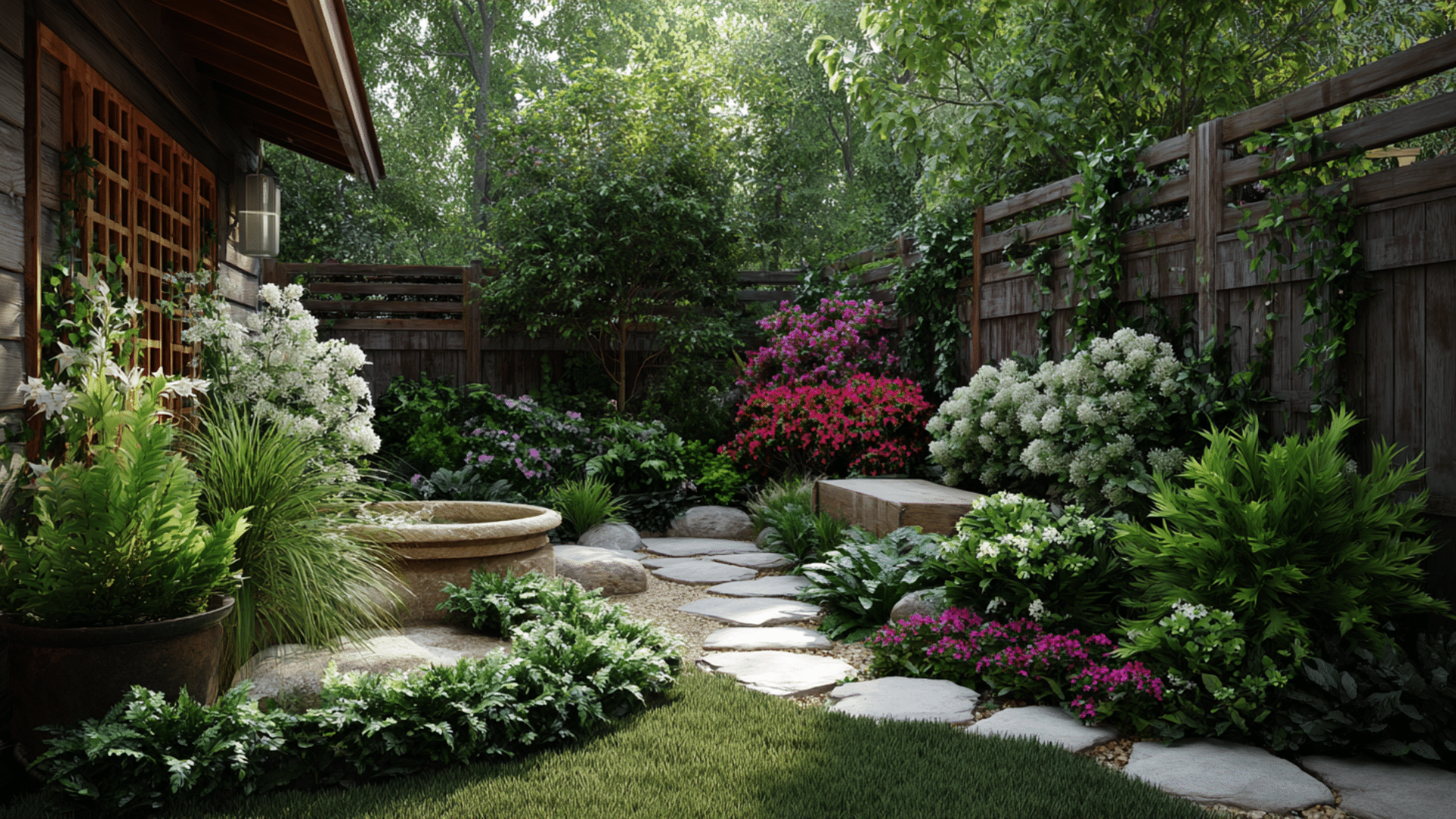
Starting a garden may feel like a big task at first, but it becomes simple once you break it into small steps. A garden can give you fresh vegetables, colorful flowers, and a relaxing outdoor space.
Even if you have never planted anything before, you can still grow healthy plants with the right plan.
Beyond plants, a garden helps you to save money on vegetables and herbs and eat fresher food, along with allowing you to spend more time outside and reducing stress.
This guide will walk you through everything you need to know, from picking the right spot to caring for your plants after they grow.
What Do You Need to Start a Garden?
A few basic supplies can make gardening much easier and help plants grow well from the start. Most beginner gardens require only simple, easy-to-find, affordable materials.
- Seeds or Starter Plants: Choose plants that match your climate, available space, and gardening goals. Beginners often find starter plants easier because they already have some growth.
- Gardening Tools: Basic tools like a hand trowel, gloves, rake, pruning scissors, and a watering can are enough for most beginner gardening tasks.
- Mulch: Mulch helps retain soil moisture, control weeds, and regulate soil temperature. Common options include straw, wood chips, and shredded leaves.
- Raised Beds or Containers (Optional): Raised beds and containers work well for small spaces or areas with poor soil. They also make gardening easier to manage for beginners.
- Fertilizer: Plants may need additional nutrients during the growing season. Organic fertilizers and balanced plant food can support healthy growth when used correctly.
- Garden Labels: Labels help identify different plants, especially when growing several vegetables, herbs, or flowers in the same area.
How to Start a Garden?
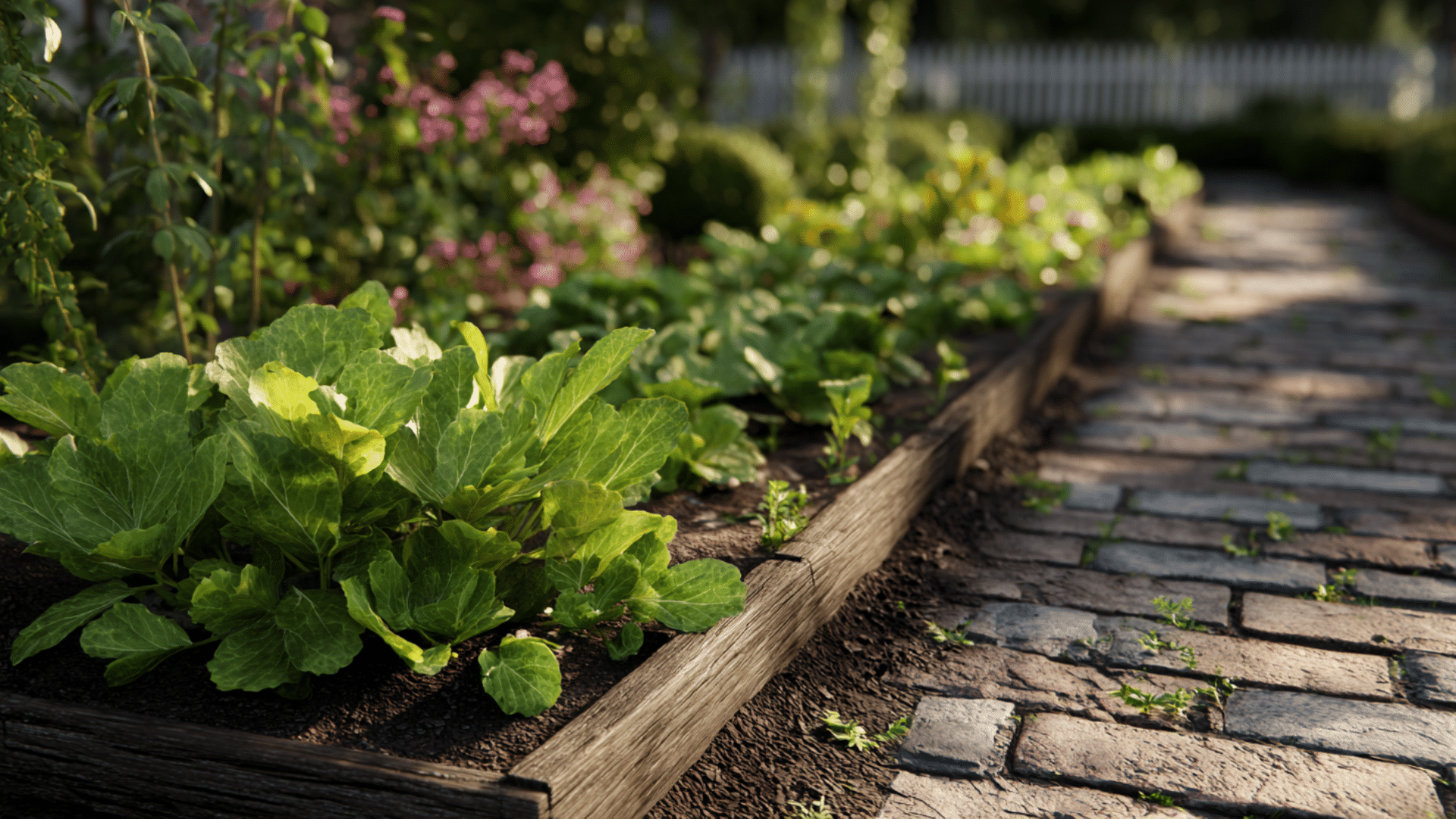
From selecting the ideal type of garden to choosing the right location and preparing your soil efficiently, here are 20 important steps for starting a home garden.
1. Select the Ideal Type of Garden
Choose a vegetable garden if you want fresh food like tomatoes, lettuce, peppers, or carrots. This is best for beginners, families, and people who cook often.
Alternatively, opt for a flower garden that adds attractive color and attracts butterflies and bees. It serves as an ideal option for decoration, pollinator support, and a relaxing outdoor space.
You can also select a herb garden or a container garden, as herbs are easy to grow and work well in small spaces.
The Container gardens use pots instead of garden beds and work best for apartments, small patios, and limited space.
2. Choose the Right Location for Gardening
The location of your garden plays a huge role in plant growth. Most vegetables and flowers need at least 6 to 8 hours of direct sunlight every day.
Without enough light, plants may grow weak and produce fewer flowers or vegetables.
Walk around your yard and watch which areas get the most sun during the day. Try to avoid spots near large trees or walls that block sunlight.
Good drainage is also important. Water should not stay in one place after rain. Wet soil can rot roots and damage plants. Choose an area where water drains properly and air moves freely.
3. Test and Efficiently Prepare Your Soil
You must check the soil quality, as it must feel loose, drain well, be able to hold some moisture, and contain organic matter.
Healthy soil gives plants nutrients, water, and support. Before planting, check your soil condition by touching and digging into it. Good soil feels soft and crumbly, not too sticky or too sandy.
Clay soil holds too much water, while sandy soil dries quickly.
You can also test soil pH using a simple garden test kit. Most plants grow best in slightly acidic to neutral soil. Testing helps you understand what your soil needs before planting.
4. Make Sure to Pick Easy Plants for Beginners and Start Small
Many beginners get excited and plant too much at once. A large garden can quickly become difficult to manage. Starting small helps you learn gardening basics without feeling overwhelmed.
A small raised bed, a few containers, or a tiny backyard patch is enough for beginners. You can focus on caring for a few healthy plants instead of struggling with too many.
Once you gain confidence and experience, you can slowly expand your garden in future seasons.
5. Choose Between Seeds or Starter Plants
Seeds are affordable and give you many plant choices. However, they take longer to grow and require extra care in the early stages.
Starter plants are already partially grown and easier for beginners. They save time and reduce the chance of failed germination.
Many gardeners use starter plants for tomatoes, peppers, and herbs.
However, if you want a simple start, combine both methods. Use starter plants for difficult crops and seeds for easy-growing vegetables like carrots or beans.
6. Gain Knowledge About Your Planting Season
Every plant grows best during a certain season. Cool-season plants like lettuce, peas, and spinach prefer lower temperatures.
Warm-season plants like tomatoes and peppers need warmer weather. Garden centers, local farmers, and weather websites can help you understand the best planting schedule for your area.
Planting at the wrong time can slow growth or kill plants completely. Check your local frost dates and growing zone before planting.
7. Effectively Plan Your Garden Layout
A good garden layout helps plants grow better and makes maintenance easier. You can place taller plants at the back so they do not block sunlight from shorter plants.
Also, leave enough space between plants because crowded plants compete for nutrients and airflow. Poor spacing can also increase disease problems.
You should also keep watering paths and walking areas in mind. A neat layout makes gardening simpler and makes plants easier to reach.
8. Gather Basic Gardening Tools
You do not need expensive equipment to start gardening. A few simple tools can handle most beginner tasks.
These basic tools primarily include a hand trowel for digging, garden gloves for protection, a watering can or hose, a rake for leveling soil, and pruning scissors for trimming plants.
Good tools make gardening more comfortable and help you work faster. Clean your tools regularly to keep them in good condition.
9. Ensure that You Have Removed Weeds and Grass
Weeds steal nutrients, water, and sunlight from garden plants. Before planting, clear all weeds, grass, and unwanted plants from the area.
Pull weeds out from the roots so they do not grow back quickly. You can use a shovel or garden fork for stubborn weeds.
Starting with clean soil gives your plants a healthier growing environment and lowers future maintenance work.
10. Add Compost or Organic Matter
The compost improves soil structure and adds important nutrients. It helps sandy soil hold water and loosens heavy clay soil.
You must add organic matter to your plants, including compost, aged manure, dry leaves, and grass clippings.
I also recommend mixing compost into the top layer of soil before planting. Healthy soil supports strong roots and improves plant growth naturally.
11. Add Raised Beds for Better Growing
Raised beds are helpful if your yard has poor soil or drainage problems. They allow you to control soil quality more easily.
These beds also warm up faster during spring and reduce weed growth. Many beginners find them easier to maintain because the soil stays loose and organized.
You can build raised beds using wood, bricks, or metal frames, depending on your budget and style
12. You are Required to Plant at the Right Depth
Each seed and plant has a recommended planting depth. Seeds planted too deeply may struggle to sprout, while shallow planting can dry them out.
I suggest always reading seed packets or plant labels carefully.
Beyond this, ensure to gently cover seeds with soil and avoid pressing too hard. Proper planting depth will assist the roots in growing correctly and improve germination success.
13. Keep Plants Watered the Right Way
Watering is one of the most important gardening tasks. Young plants need steady moisture to grow healthy roots.
Deep watering works better than light surface watering because it encourages roots to grow deeper into the soil.
Early morning is usually the best time to water because the sun helps dry leaves during the day. Also, avoid overwatering, as soggy soil tends to cause root rot and disease problems.
14. Add Mulch Around Plants
Mulch is a protective layer placed on top of the soil. It helps keep moisture in the ground and lowers weed growth.
These common mulch materials include straw, wooden chips, shredded leaves, and grass clippings. It also helps in keeping the soil temperatures stable during hot or cold weather.
You must spread it evenly around plants, but leave space around stems to prevent rot.
15. Stop Pests from Damaging Plants
As pests like insects, birds, and rabbits may damage plants, you must check your garden regularly for holes in leaves, weak stems, or chewed vegetables.
These common garden pests consist of aphids, slugs, and caterpillars. Keeping plants healthy and clean also lowers pest problems naturally
In addition, simple pest control methods include garden netting, natural sprays, hand-picking insects, and planting pest-repelling flowers.
16. Give Plants Nutrients as Needed
Plants use nutrients from the soil as they grow. Over time, some plants may need extra feeding. Organic fertilizers, compost tea, and balanced plant food can help improve growth.
Different plants need different nutrients, so avoid adding too much fertilizer.
Too much feeding can burn roots and damage plants instead of helping them.
After some time, the soil may not have enough nutrients left to support healthy growth. This is why feeding plants becomes important during the growing season.
17. Know the Basics of Healthy Plants
Basic plant care is one of the most important parts of gardening. Even healthy plants need regular attention to keep growing properly.
When you understand the basic needs of your plants, it becomes easier to prevent problems and keep your garden healthy throughout the season.
The first part of plant care is checking plants regularly. Spend a few minutes every day looking at leaves, stems, flowers, and soil.
Early signs of problems are much easier to fix than major damage later. A quick daily check can help you spot pests, dry soil, yellow leaves, or disease before they spread.
18. Mitigate the Risk of Plant Diseases
Plant diseases can weaken or kill plants if they are not handled early. Common signs of disease include yellow leaves, brown spots, mold, wilting, or slow growth.
One of the best ways to prevent diseases is to keep plants healthy from the beginning. Healthy plants are naturally stronger and better able to resist problems.
Use clean soil, healthy seeds, and disease-free plants. Also, space plants properly so air can flow around them.
Also, you should remove damaged or infected leaves quickly. Diseased plant material should not stay in the garden because infections can spread to healthy plants.
19. Don’t Forget to Harvest at the Right Time
Harvesting at the right time is important for flavor, texture, and overall plant health. Fruits, vegetables, herbs, and flowers all have their best picking stage.
Waiting too long can make produce tough, bitter, or overripe. Check your garden often once plants begin producing.
Many beginner gardeners leave vegetables on the plant too long because they think bigger always means better. However, oversized vegetables often lose quality.
Herbs should usually be harvested before flowering for a stronger flavor. Regular harvesting also helps many plants continue producing
20. Keep Trying New Gardening Ideas
Gardening is a learning process, and trying new ideas helps you gain experience and improve your skills over time.
Every garden season brings new opportunities to test different plants, layouts, tools, and growing methods. Not every new idea will work perfectly, and that is completely normal.
Once you become comfortable with basic gardening, you can experiment with new vegetables, flowers, or herbs.
Trying different plant varieties helps you learn what grows best in your climate and soil conditions.
What Type of Garden Is Best for Beginners?
The right choice often depends on your available space, budget, and the amount of time you can spend on maintenance. Some options are easier to manage and provide quicker results for first-time gardeners.
| Garden Type | Best For | Advantages | Difficulty Level |
|---|---|---|---|
| Vegetable Garden | Growing fresh food at home | Produces vegetables for daily use and helps reduce grocery costs | Easy |
| Herb Garden | Small spaces and beginner gardeners | Herbs grow quickly, need little space, and are useful for cooking | Very Easy |
| Container Garden | Apartments, balconies, and patios | Requires minimal space and allows better control over soil and watering | Very Easy |
| Raised Bed Garden | Areas with poor soil or drainage | Improves soil quality, reduces weeds, and makes maintenance easier | Easy |
| Flower Garden | Adding color and attracting pollinators | Creates an attractive outdoor space and supports bees and butterflies | Easy |
| Mixed Garden | Growing vegetables, herbs, and flowers together | Provides variety and makes better use of available space | Moderate |
| In-Ground Garden | Larger backyards with healthy soil | Offers more growing space and lower setup costs | Easy to Moderate |
| Vertical Garden | Small yards and limited outdoor areas | Saves space by growing plants upward using trellises or supports | Moderate |
What are the Beginner Gardening Mistakes to Avoid?
Beginners often make the mistake of beginning with a large garden space or forgetting to water at the right time. Beyond these, the primary gardening mistakes include:
- You are starting with a Big Garden Space: One of the biggest beginner mistakes is planting too much at once, as too many plants can become stressful for beginners.
- Choosing the Wrong Garden Location: Plants need proper sunlight and drainage to grow, as most vegetables need 6–8 hours of sunlight, and plants without enough sun grow weak.
- Overwatering or Underwatering Plants: Too much water can damage roots, while underwatering can also harm plants, as dry soil slows growth, and leaves may wilt or curl.
- Planting Too Close Together: Crowded plants compete for nutrients, water, and sunlight. Poor spacing also reduces airflow, and crowded plants spread diseases faster.
- Forgetting to Remove Weeds: Weeds spread quickly if ignored, and they attract pests and insects. Beyond this, heavy weed growth weakens garden plants.
- Ignoring to Provide Plant Support: Some plants need support as they grow taller or heavier, such as Tomato stems, which may break without cages, and limbing plants without trellises.
How Much Does It Cost to Start a Garden?
As beginners often tend to search for how to start a garden and the total cost required, you can simply refer to the table below, consisting of important gardening items with an estimated range.
| Gardening Item | Benefits | Estimated Cost Range | Tips To Save Expenses |
| Seeds | Seeds are the cheapest way to grow vegetables, herbs, and flowers | $2–$5 per packet | Buy beginner-friendly seeds like lettuce, beans, or marigolds |
| Starter Plants | Starter plants are easier for beginners because they already have early growth | $3–$10 per plant | Start with 2–3 plants instead of buying many at once |
| Garden Soil | Good soil gives plants nutrients and supports root growth | $10–$40 per bag | Mix garden soil with homemade compost to save money |
| Compost | Compost improves soil quality and helps plants grow healthier | $5–$30 | Use kitchen scraps and dry leaves to make compost at home |
| Mulch | Mulch keeps soil moist and helps control weeds | $10–$30 | Use grass clippings or dry leaves as free mulch |
| Basic tools | Assists in trimming plants and removing dead growth, along with making gardening more comfortable. | $30–$70 | Clean blades regularly to make them last longer, and opt for natural pest sprays that are often cheaper and safer |
What Are the Best Plants for Beginner Gardeners?
Some plants are easier to grow because they need less care and can handle small mistakes. Starting with beginner-friendly plants helps build confidence and improves your chances of success.
- Tomatoes: One of the most popular garden vegetables, tomatoes grow well in sunny locations and can produce a large harvest throughout the season.
- Lettuce: Lettuce grows quickly and is easy to plant from seed. It is a good choice for beginners who want fast results.
- Zucchini: A single plant can provide a large harvest. Zucchini grows quickly and is suitable for most beginner gardens.
- Basil: This herb grows well in containers and garden beds. It requires regular watering and plenty of sunlight.
- Mint: Mint is very easy to grow and spreads quickly. It is often best planted in a container to keep it under control.
- Marigolds: These colorful flowers are simple to grow and can help attract pollinators while discouraging some garden pests.
- Pansies: These flowers grow well in cooler weather and provide long-lasting color with basic care.
- Spinach: Spinach grows quickly and performs well in cooler temperatures. It is a great option for spring and fall gardens.
- Peppers: Pepper plants are easy to maintain once established and grow well in warm, sunny conditions.
- Cucumbers: Cucumbers grow rapidly and produce plenty of vegetables when given enough sunlight, water, and support.
Conclusion
Starting a garden may seem difficult in the beginning, but it becomes much easier once you take it one step at a time. You do not need a huge backyard, expensive tools, or years of experience to grow healthy plants.
Small daily tasks like watering, checking for weeds, and watching plant growth can make a big difference.
A simple garden with a few vegetables, herbs, or flowers is enough to help you learn the basics and build confidence over time.
The most important part is choosing the right location, preparing healthy soil, and giving your plants regular care.
Even if a few plants do not grow perfectly, every season teaches you something new. Gardening is a skill that improves with practice.
Frequently Asked Questions
How Much Sunlight Does a Garden Need?
Most vegetables, herbs, and flowers need plenty of sunlight to grow healthy and strong. In general, a garden should receive at least 6 to 8 hours of direct sunlight every day.
Should Beginners Use Seeds or Starter Plants?
Beginners can use either seeds or starter plants, but starter plants are usually easier for first-time gardeners. Since they are already established, they often grow faster and need less early care.
How Often Is Watering Required for the Garden?
Most gardens need deep watering once or twice a week, but the exact amount depends on weather, soil type, and the season. The goal is to keep the soil moist without making it too wet.
What Is the Ideal Month to Start Gardening?
This depends on your climate and growing zone. However, spring is the most common time to begin because temperatures become warmer and plants can grow safely outdoors.