

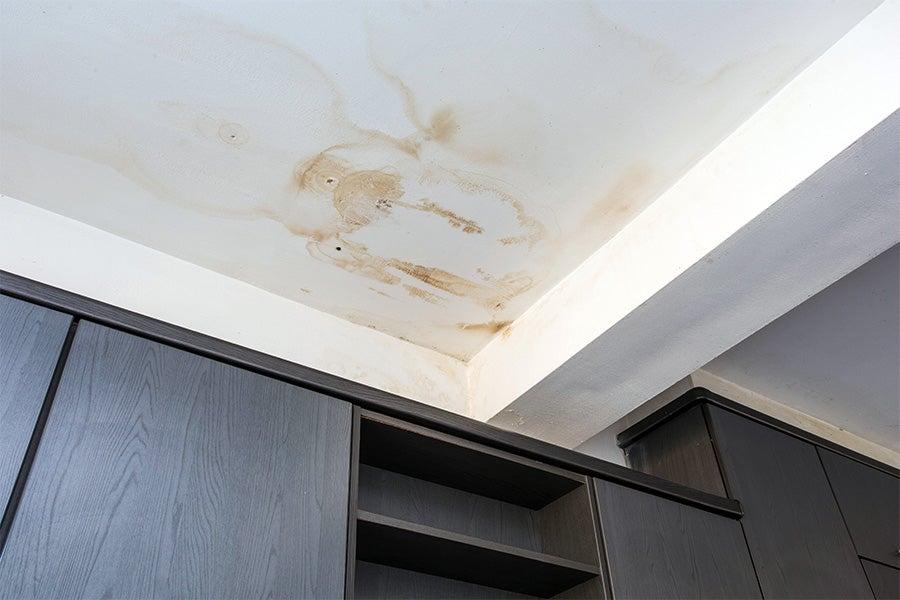
A hidden water leak is one of the most common — and costly — problems homeowners face. Unlike a dripping tap or a burst pipe, hidden leaks often go unnoticed for weeks or even months, quietly causing damage behind walls, under floors, or in ceilings.
By the time visible signs appear, the issue may already be serious.
The good news? There are clear warning signs you can look for early. In this guide, we’ll walk you through how to detect a hidden water leak before it gets worse and what to do next.
Why Hidden Leaks Are So Dangerous
Hidden leaks don’t just waste water—they can lead to:
- Structural damage to walls, floors, and foundations
- Mold and mildew growth
- Increased utility bills
- Damage to insulation and electrical systems.
The longer a leak goes undetected, the more expensive it becomes to repair.
1. Unexplained Increase in Your Water Bill
One of the earliest and most reliable signs of a hidden leak is a sudden spike in your water bill.
If your usage habits haven’t changed but your bill has increased significantly, water may be escaping somewhere in your system.
What to do:
- Compare recent bills to previous months
- Look for gradual increases over time
- Investigate further if something doesn’t add up.
2. Check Your Water Meter
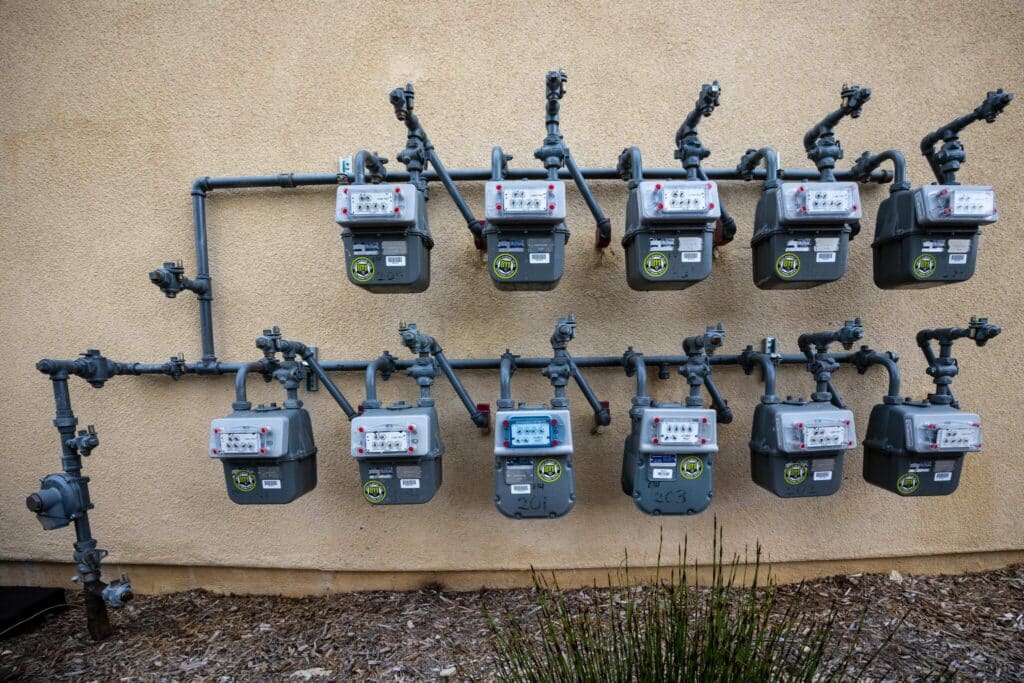
Your water meter can help confirm whether you have a leak.
How to test:
- Turn off all water-using appliances and taps in your home
- Take a reading from your water meter
- Wait 1–2 hours without using any water
- Check the meter again.
If the reading has changed, there’s likely a leak somewhere in your system.
3. Damp Patches or Discoloration
Water doesn’t stay hidden forever — it often leaves subtle visual clues.
Look for:
- Damp or soft spots on walls or ceilings
- Yellow, brown, or dark stains
- Peeling paint or bubbling wallpaper.
These signs often indicate water accumulating behind surfaces.
4. Musty or Damp Smells
A persistent musty smell — especially in areas like bathrooms, kitchens, or basements — can signal hidden moisture.
Even if you can’t see visible damage, trapped moisture creates the perfect environment for mold and mildew.
If a room smells damp but looks dry, it’s worth investigating further.
5. Mold or Mildew Growth
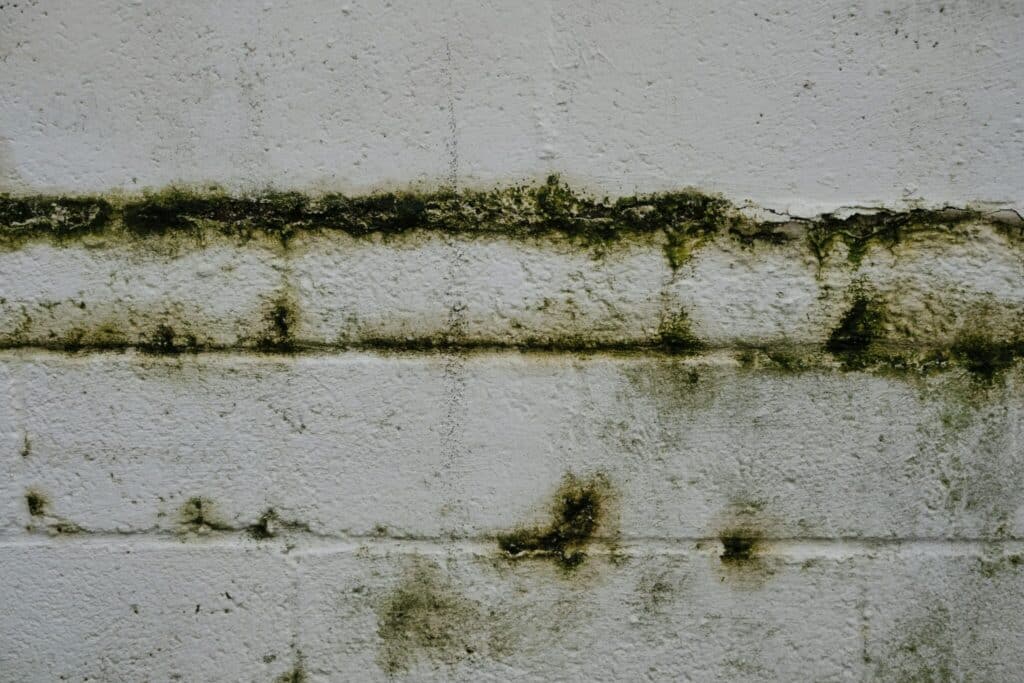
Mold thrives in moist environments, and hidden leaks provide ideal conditions.
Watch for:
- Black, green, or white spots on walls or ceilings
- Mold growth in unusual areas
- Recurring mildew despite cleaning.
Mold isn’t just unsightly — it can also pose health risks if left untreated.
6. Reduced Water Pressure
If your taps or shower suddenly lose pressure, a leak could be diverting water away from where it’s supposed to go.
While low pressure can have other causes, it’s worth considering a leak, especially if it happens alongside other symptoms.
7. Sounds of Running Water
If you hear water running when all taps are off, it’s a strong sign that something isn’t right.
Listen for:
- Dripping or trickling sounds inside the walls
- Water movement when the house is quiet.
These subtle noises can help pinpoint the location of a hidden leak.
8. Warped Floors or Unexpected Cracks
Water can weaken materials over time.
Signs include:
- Warped or buckling flooring
- Cracks in walls or ceilings
- Soft or spongy areas underfoot.
These issues often indicate long-term moisture exposure.
9. Leaks Around Fixtures and Appliances

Not all hidden leaks are deep inside walls — some start in plain sight but go unnoticed.
Check regularly around:
- Sinks and toilets
- Washing machines and dishwashers
- Water heaters.
Even a slow drip can lead to bigger problems over time.
What to Do If You Suspect a Hidden Leak
If you’ve noticed one or more of these signs, don’t wait.
Start by:
- Turning off your water supply if the leak seems severe
- Inspecting visible pipes and fixtures
- Documenting any damage.
For accurate detection and repair, it’s best to contact a professional. A qualified technician can use specialized tools — such as moisture meters and leak-detection equipment — to locate the issue without unnecessary damage.
For reliable help in the New Jersey area, consider contacting Service Professionals Plumbing Repair to diagnose and resolve the problem quickly.
How to Prevent Hidden Water Leaks
While not all leaks are avoidable, you can reduce the risk with regular maintenance:
- Inspect pipes and fittings periodically
- Replace worn seals and hoses
- Monitor your water bill monthly
- Install water leak detectors in high-risk areas
- Schedule routine plumbing inspections.
Prevention is always more cost-effective than repair.
FAQs
How serious is a hidden water leak?
Very serious — hidden leaks can cause structural damage and mold growth if left untreated.
Can a small leak fix itself?
No. Even minor leaks tend to worsen over time.
How much does leak detection cost?
Costs vary, but early detection is far cheaper than repairing extensive damage.
Are leak detection devices worth it?
Yes, smart leak detectors can alert you early and prevent major issues.
How long can a hidden water leak go unnoticed?
Hidden leaks can go undetected for weeks or even months, especially if they’re behind walls or under floors. During that time, they can cause significant damage without obvious signs.
Where do hidden water leaks most commonly occur?
Common locations include behind walls, under sinks, beneath flooring, around toilets, and near appliances like washing machines and water heaters.
Will homeowners’ insurance cover hidden water leaks?
In many cases, insurance may cover sudden or accidental damage caused by leaks—but not issues resulting from long-term neglect or lack of maintenance. It’s best to check your specific policy.
Can a hidden leak affect my home’s foundation?
Yes. Over time, water can weaken soil and structural materials, potentially leading to cracks or shifts in your home’s foundation if the leak is severe or prolonged.
Final Thoughts
Hidden water leaks are easy to overlook, but the damage they cause can be significant.
By staying alert to early warning signs and acting quickly, you can protect your home, avoid costly repairs, and keep your plumbing system running smoothly.