

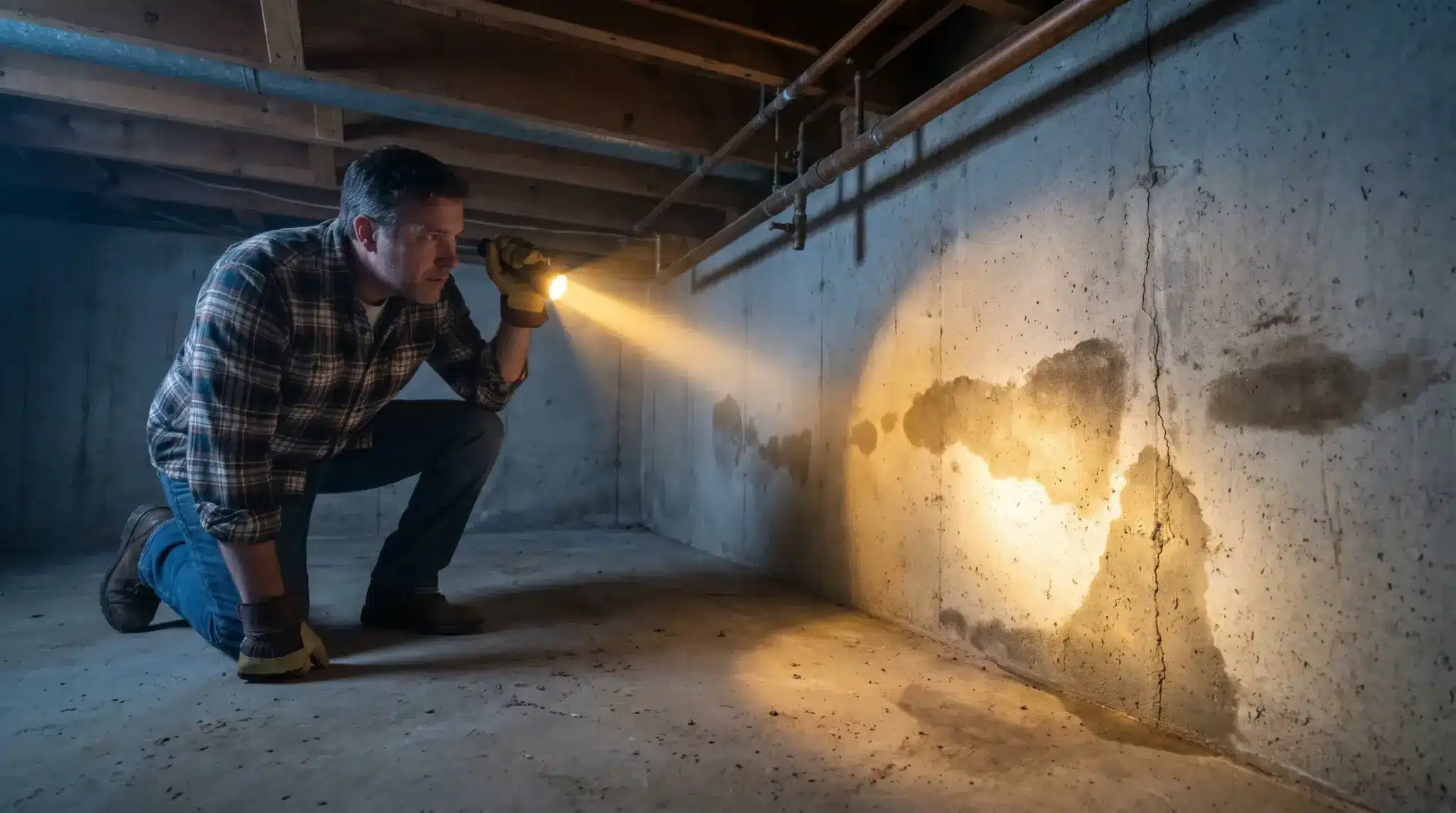
Home Maintenance Checklist: Don’t Forget Your Basement
When it comes to home maintenance, most of us focus on what we can see. Kitchens get updated, living rooms get refreshed, and curb appeal gets plenty of attention. But one of the most important areas of your home often gets overlooked entirely: the basement.
Even if your basement is unfinished or used mainly for storage, it plays a critical role in protecting your home’s structure. Small issues down there can quietly turn into major problems if they are not addressed early.
Adding your basement to your regular home maintenance routine can help you avoid costly repairs and keep your home safe, dry, and comfortable year-round.
Why Basement Maintenance Matters
Your basement sits at the lowest point of your home, which means it naturally collects moisture from the surrounding soil. It is also where your foundation is most exposed to pressure from groundwater, temperature changes, and shifting soil.
Without regular checks, you might miss early warning signs like:
- Damp walls or floors
- Musty odors
- Small foundation cracks
- Minor leaks during heavy rain
Catching these issues early is the difference between a quick fix and a major repair project.
Your Basement Maintenance Checklist
A simple seasonal checklist can go a long way in protecting your home. Here are the key areas to focus on.
1. Check for Moisture and Damp Spots
Start with a quick visual inspection. Walk around your basement and look for any signs of moisture.
Pay attention to:
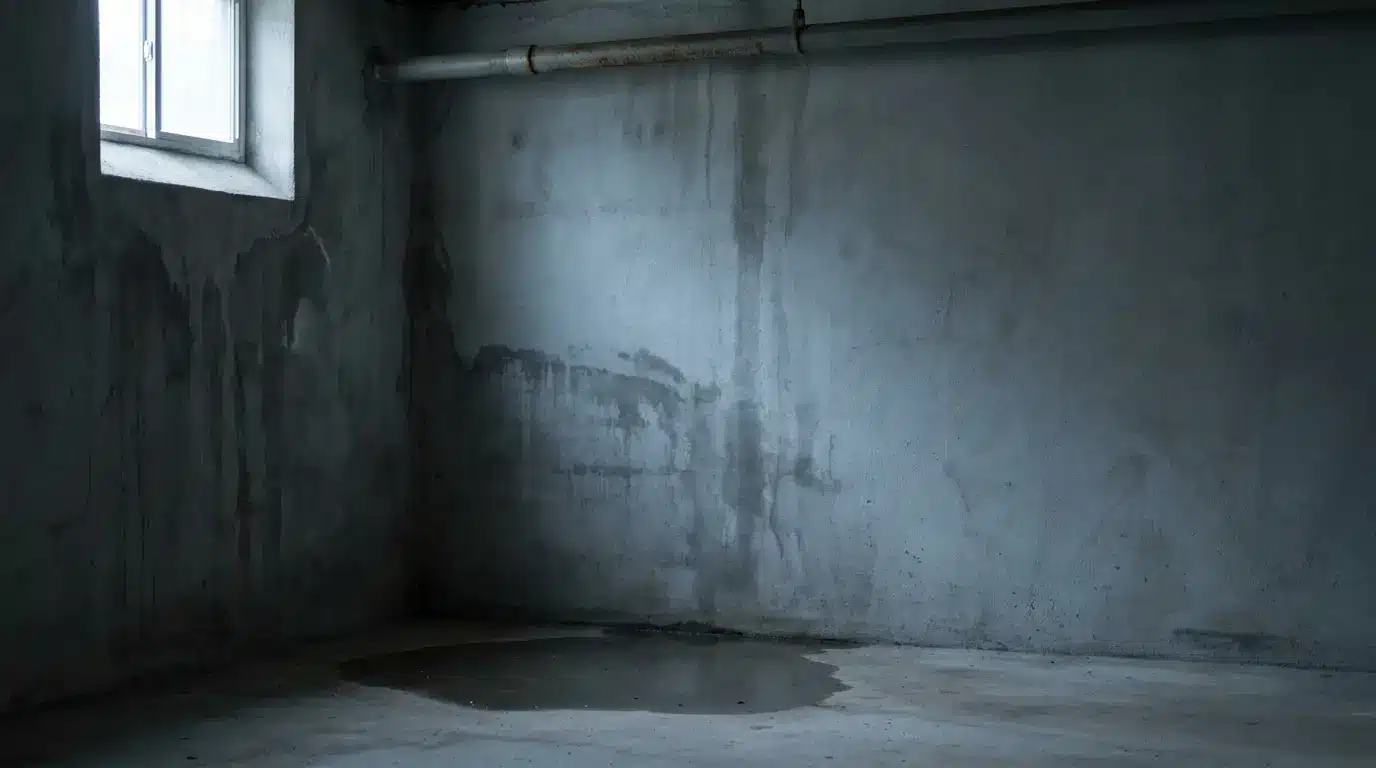
- Dark spots on walls or floors
- Water stains or discoloration
- Condensation on pipes or windows
- Musty or earthy smells
Even minor dampness can indicate a larger issue developing behind the scenes.
2. Inspect Foundation Walls for Cracks
Small cracks in your foundation are common, but they should never be ignored. Over time, these cracks can widen and allow water to seep in.
Look for:
- Hairline cracks along walls
- Horizontal cracks, which may indicate pressure
- Gaps around pipes or utility entries
If you notice new or expanding cracks, it is worth keeping an eye on them or having them evaluated.
3. Test Your Sump Pump
If your home has a sump pump, it is one of your first lines of defense against flooding.
To make sure it is working properly:
- Pour a bucket of water into the sump pit
- Confirm that the pump activates
- Check that water is being discharged away from your home
A sump pump that fails during a storm can quickly lead to significant water damage.
4. Clean and Check Gutters and Downspouts
It might seem like an exterior task, but your gutters play a major role in keeping your basement dry.
Make sure to:
- Remove leaves and debris regularly
- Check for clogs or sagging sections
- Extend downspouts at least 6 feet from your foundation
Proper drainage outside your home reduces the amount of water pressing against your basement walls.
5. Evaluate Grading Around Your Home
Take a look at the ground surrounding your house. Ideally, the soil should slope away from your foundation.
If water pools near your home after rain, it increases the risk of basement leaks. Adding soil or regrading the area can help direct water away.
6. Inspect Basement Windows and Window Wells
Basement windows are common entry points for water if they are not properly maintained.
Check for:
- Cracks or gaps around window frames
- Standing water in window wells
- Missing or damaged window well covers
Installing covers and ensuring proper drainage can prevent water from building up during storms.
7. Monitor Humidity Levels
Basements tend to hold more moisture than the rest of the house, even without visible leaks.
High humidity can lead to:
- Mold and mildew growth
- Warped materials
- Musty odors
Using a dehumidifier can help keep humidity levels in check and protect your space.
8. Look for Signs of Mold or Mildew
Mold often starts in hidden or damp areas and spreads quickly if conditions allow.
Common signs include:
- Black, green, or white spots on surfaces
- A persistent musty smell
- Allergy-like symptoms when spending time in the basement
Addressing moisture issues is key to preventing mold from returning.
Seasonal Basement Maintenance Tips
Different times of year bring different risks. Adjusting your maintenance routine with the seasons can help you stay ahead of problems.
Spring:
Melting snow and heavy rain can increase groundwater levels. This is a great time to check for leaks and test your sump pump.
Summer:
Humidity tends to rise, so focus on ventilation and dehumidification.
Fall:
Clear gutters and prepare your home for increased rainfall.
Winter:
Watch for condensation on pipes and walls, especially during temperature swings.
When to Call a Professional
While many maintenance tasks can be handled on your own, some situations call for expert help.
If you notice:
- Recurring water intrusion
- Large or widening foundation cracks
- Persistent dampness despite your efforts
- Flooding during storms
It may be time to bring in a professional.
A company like ACM Basement Waterproofing can identify the root cause of the issue and recommend long-term solutions to keep your basement dry and protected.
A Little Prevention Goes a Long Way
Your basement might not be the most visible part of your home, but it is one of the most important. Regular maintenance does not take much time, but it can save you from major headaches down the road.
By adding these simple checks to your routine, you can catch problems early, protect your foundation, and create a healthier environment throughout your home.
Whether your basement is finished or still a work in progress, keeping it dry and well-maintained ensures that it remains a reliable and valuable part of your space for years to come.