

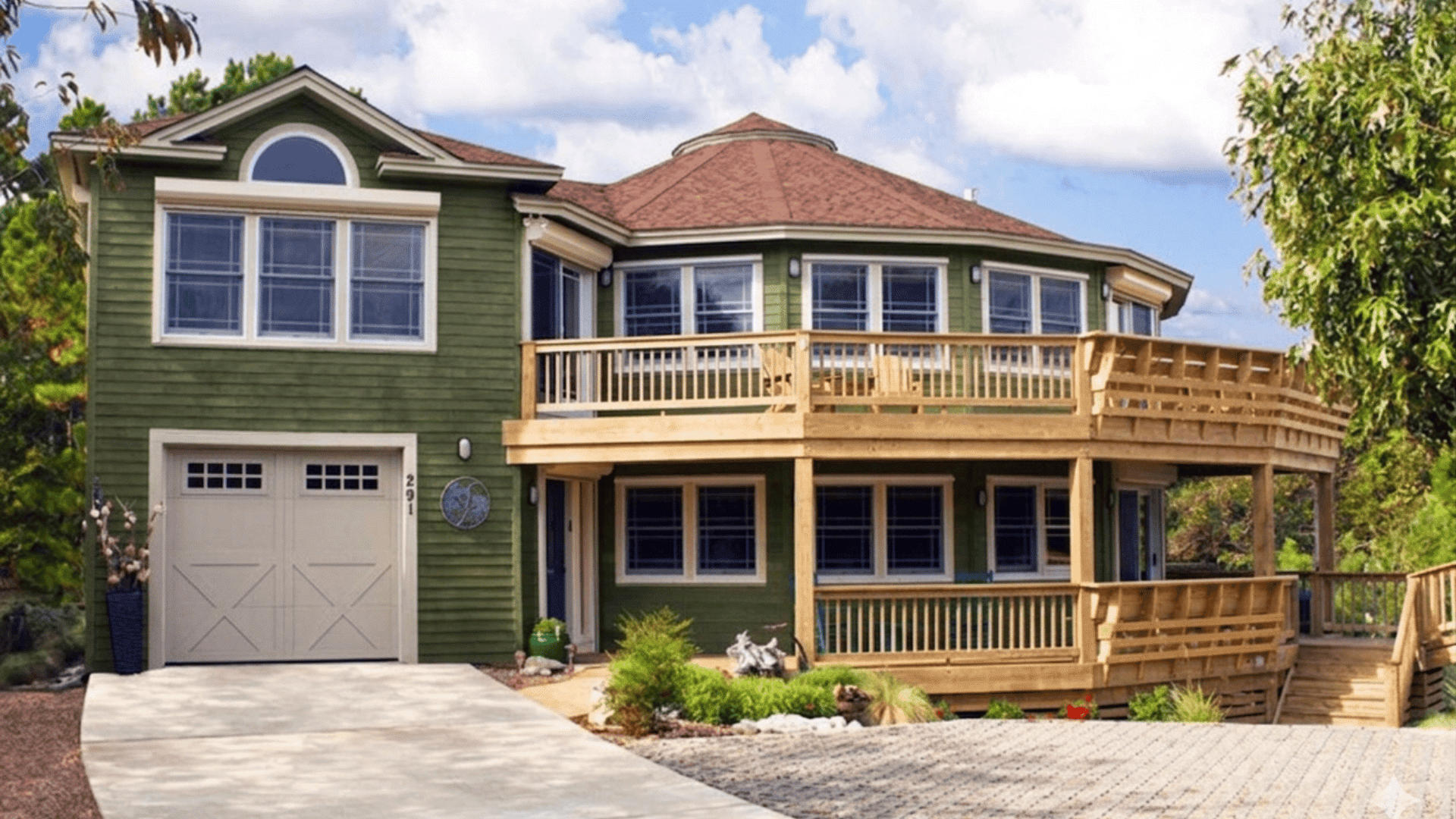
Hurricanes can cause major damage, especially in coastal areas. Strong winds, heavy rain, and flying debris can quickly destroy weak homes.
That’s why many homeowners now look for safer building options. A hurricane-proof house is built to withstand extreme weather and minimize damage.
While no home is completely safe, the right design and materials can improve protection.
In this guide, you will learn how these homes are built, what features matter most, and simple ways to increase safety.
Whether you plan to build a new home or upgrade an existing one, this guide will help you make smart decisions and keep your home stronger during storms.
What Is a Hurricane-Proof House?
A hurricane-proof house is a home designed to handle strong winds, heavy rain, and flying debris during powerful storms.
While no house can be fully “proof” against hurricanes, these homes are built to resist damage as much as possible.
They use strong materials, such as concrete or reinforced steel, and include features like impact-resistant windows, secure roofing, and solid foundations.
The goal is to keep the structure stable and protect the people inside.
These homes also follow strict building codes, especially in hurricane-prone areas like Florida and the Gulf Coast.
By combining smart design with durable materials, a hurricane-resistant house can greatly reduce the risk of severe damage during extreme weather.
Key Features of a Hurricane-Resistant Home
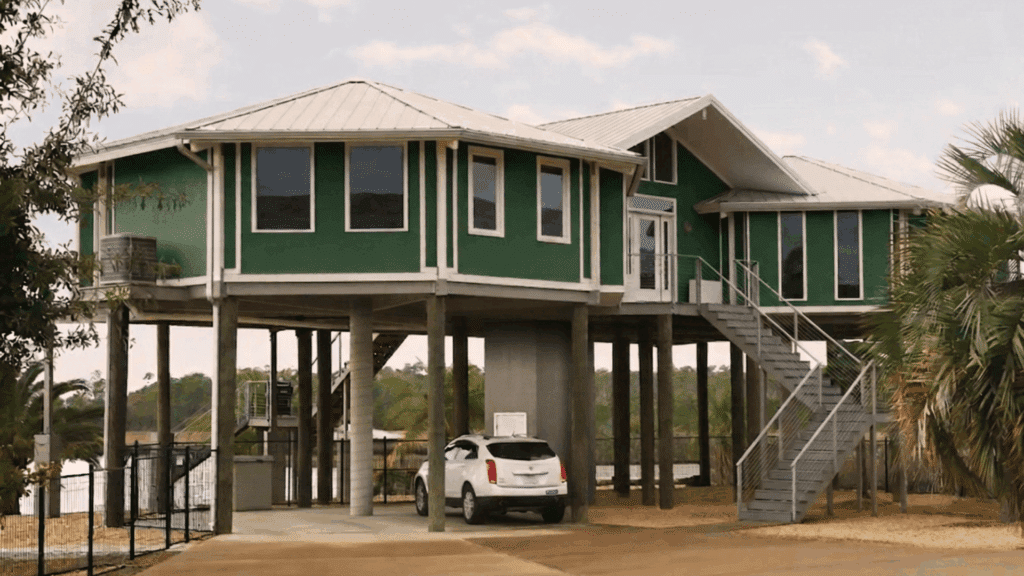
A hurricane-resistant home uses strong design and materials to handle extreme weather. Each feature works together to reduce damage and improve safety during storms.
1. Strong Foundation and Elevation
A solid foundation is key to hurricane-resistant homes, with many raised above ground to minimize flood damage.
Elevated structures, such as those on stilts or piers, allow water to pass underneath without harming the main living space.
Concrete foundations are commonly used because they are strong and long-lasting. Proper anchoring also helps keep the home stable during high winds.
Without a strong base, even well-built homes can fail during hurricanes. Elevation combined with a secure foundation greatly improves the overall safety and durability of the structure.
2. Reinforced Roofing System
The roof is often the first part of a home to get damaged during a hurricane. A reinforced roofing system helps prevent this.
Hip roofs are a popular choice because their sloped design reduces wind pressure.
Metal roofs are also strong and less likely to be torn off compared to traditional shingles. Roofs should be securely attached to the walls using hurricane straps or clips.
Connectors secure the roof during strong winds, while proper sealing prevents water from entering.
A well-built roof can make a big difference in protecting the entire structure.
3. Impact-Resistant Windows and Doors
Windows and doors are weak points in any home during a hurricane. Impact-resistant glass is designed to withstand flying debris without breaking easily.
These windows have multiple layers that hold together even when cracked.
Strong doors, especially reinforced entry doors, also help prevent wind and water from entering the home.
If windows or doors fail, pressure can build inside and lift the roof off. Installing storm shutters is another good option for added protection.
Using high-quality materials for openings helps keep the home sealed and reduces the risk of major damage.
4. Structural Reinforcement with Straps and Ties
Hurricane straps and ties are small but very important parts of a storm-resistant home. These metal connectors link the roof, walls, and foundation together.
This creates a strong, unified structure that can better handle high winds.
Without these connections, different parts of the home can separate during a storm. Reinforcement helps prevent uplift, which is when strong winds try to pull the roof off.
These systems are required in many building codes in hurricane-prone areas.
Adding proper reinforcement during construction or upgrades greatly increases the strength and stability of the entire home.
5. Durable Building Materials
Using strong and durable materials is key to building a hurricane-resistant home.
Materials like reinforced concrete, steel, and insulated concrete forms (ICFs) are much stronger than traditional wood.
These materials withstand high winds and flying debris, with concrete walls less likely to crack or collapse during storms.
Durable materials also last longer and need fewer repairs over time. Choosing the right materials not only improves safety but also adds long-term value to the home.
When combined with proper design, these materials help create a structure that can better withstand harsh hurricane conditions.
Best Materials for Hurricane-Proof Houses
Choosing the right materials is one of the most important steps in building a hurricane-proof house. Strong materials help the structure handle high winds, heavy rain, and flying debris.
Reinforced concrete is one of the best options because it is very strong and does not crack or break easily.
Steel is also widely used for framing since it adds extra strength and stability.
Insulated concrete forms (ICFs) are popular as they provide both durability and energy efficiency.
Impact-resistant glass is used for windows to prevent breakage during storms. Compared to traditional wood, these materials last longer and require less repair.
Using high-quality materials greatly improves the safety and performance of a home during hurricanes.
Smart Design Ideas that Improve Storm Resistance
Good design can make a home safer during hurricanes. Small changes in shape and layout can reduce damage and improve strength.
- Aerodynamic Home Shape: Round or hip-shaped homes allow wind to flow around the structure instead of hitting flat walls directly. This reduces pressure and lowers the risk of damage during strong storms.
- Minimal Roof Overhangs: Shorter roof edges prevent wind from getting under the roof and lifting it. This simple design choice helps keep the roof secure during high winds.
- Elevated Floor Plans: Raising the home above ground level protects it from flooding. This is especially helpful in coastal and low-lying areas.
- Proper Drainage System: Good drainage directs water away from the house. It helps prevent flooding around the foundation and reduces long-term damage.
- Strategic Landscaping: Planting trees and barriers at a safe distance can reduce wind impact and protect the home from flying debris.
How to Build a Hurricane-Proof House?
Building a hurricane-resistant home requires careful planning and the right construction methods. Each step plays an important role in keeping the structure strong and safe during extreme storms.
1. Choose the Right Building Materials
When building a hurricane-resistant home, it’s essential to choose materials that can withstand extreme winds and weather.
Reinforced concrete, steel, and impact-resistant windows are some of the best materials for durability.
These materials offer protection against high winds, rain, and flying debris, minimizing structural damage during a storm.
Make sure the materials are strong, resilient, and able to handle the specific weather risks of your area. Selecting durable materials is the first step to ensuring your home’s safety.
2. Elevate Your Home
Raising your home above the ground level is a key feature of hurricane-resistant homes. Elevation helps to prevent flooding and water damage caused by storm surges.
Elevated foundations, such as piers or stilts, ensure that the house remains above rising waters, especially in flood-prone areas.
This design also helps reduce the chances of foundation damage, which can be costly to repair.
Ensure that your home’s foundation is designed to withstand flooding while maintaining stability during strong winds.
3. Strengthen the Roof
The roof is one of the most vulnerable parts of a house during a hurricane. To ensure your home remains secure, it’s crucial to reinforce the roof with durable materials and proper connectors.
Use impact-resistant shingles, metal roofs, or concrete roofing systems.
Additionally, install hurricane clips or straps to secure the roof to the walls, preventing it from being lifted off during high winds.
Proper sealing around the roof’s edges also prevents water from seeping in and causing damage inside the home.
4. Install Impact-Resistant Windows and Doors
Windows and doors are weak points in hurricane-proof homes. To protect these areas, install impact-resistant windows and reinforced doors.
These windows are designed to resist shattering during high winds and flying debris.
Impact-rated glass can prevent storm debris from entering the home and causing significant damage.
Additionally, ensure that doors are made of solid, reinforced materials and are properly sealed. This will enhance the overall security and storm resistance of your house.
5. Secure the Foundation
A strong foundation is essential for maintaining the integrity of the home during a hurricane.
The foundation must be able to withstand the combined forces of high winds and flooding. A concrete slab or reinforced concrete foundation is one of the best options.
In coastal areas, it’s often necessary to use pilings or pier foundations to elevate the home and reduce the risk of flood damage.
Make sure your foundation is built to endure and protect your home’s structure.
6. Use Hurricane Shutters
Hurricane shutters are an effective way to protect windows and doors from flying debris and severe winds.
These shutters can be installed before a storm to provide an extra layer of defense for your home. There are different types of shutters available, such as accordion, roll-down, or storm panels.
Choose the one that best fits your needs and budget.
Installing these shutters will ensure that your windows are protected and will help prevent interior damage during a hurricane.
7. Add Storm-Resistant Landscaping
Landscaping plays a significant role in hurricane protection. Strong trees and plants should be trimmed or removed to prevent them from causing damage to your home during strong winds.
Planting storm-resistant shrubs, trees, or ground cover can help reduce the risk of flying debris.
Additionally, create windbreaks to reduce wind speed and protect the home’s foundation.
Properly designed landscaping can significantly improve the hurricane resistance of your home while providing aesthetic value.
Cost of Building a Hurricane-Resistant Home
Building a hurricane-resistant home can be more expensive than a standard home. The cost depends on factors like location, materials, and design.
Reinforced concrete, steel framing, and impact-resistant windows are some of the materials used to make a home stronger.
These materials tend to cost more than regular wood or standard glass.
Elevating the house to protect it from flooding also adds to the cost. On average, homeowners can expect to spend 10% to 20% more than they would for a typical house.
However, the extra cost can pay off in the long run, especially if you live in an area prone to hurricanes.
Insurance savings and fewer repairs after storms can help make up for the initial investment.
Hurricane-Proof House vs Normal House
A hurricane-proof house is built to handle extreme weather, while a normal house focuses on basic comfort and standard safety. The differences lie in strength, materials, and storm protection features.
| Feature | Hurricane-Proof House | Normal House |
|---|---|---|
| Structure Strength | Reinforced with strong connections and supports | Standard framing with basic support |
| Materials Used | Concrete, steel, impact-resistant glass | Wood, standard glass, basic materials |
| Roof Design | Secured with straps, often hip or metal roof | Standard roof, less wind-resistant |
| Windows & Doors | Impact-resistant or protected with shutters | Regular windows and doors |
| Foundation | Elevated or specially designed for floods | Standard ground-level foundation |
| Storm Protection | Built to reduce wind and water damage | Limited protection against storms |
Extra Safety Features to Add
Adding extra safety features can further protect your home during hurricanes. These additions improve security and help reduce damage during extreme weather.
- Safe Room: A reinforced room built to protect occupants during severe storms. It is designed to withstand strong winds and flying debris, offering a secure space inside the home.
- Backup Power System: Generators or solar backup systems keep essential appliances running during power outages. This ensures access to lights, communication, and basic needs after a storm.
- Flood Barriers: These barriers help prevent water from entering the home. They are especially useful in flood-prone areas and protect doors and lower walls.
- Sump Pump System: A sump pump removes excess water from basements or low areas. It helps reduce flooding and water damage inside the home.
- Reinforced Garage Doors: Strong garage doors prevent wind from entering and causing pressure buildup. This helps protect the overall structure of the house.
Can You Make an Existing House Hurricane-Resistant?
Yes, you can improve the safety of an existing house by adding hurricane-resistant features. While it may not become fully hurricane-proof, upgrades can greatly reduce damage.
Start by reinforcing the roof with hurricane straps and sealing weak areas.
Replace old windows with impact-resistant ones or add storm shutters for protection.
Strengthening doors and garage openings also helps prevent wind from entering. You can improve the foundation and drainage to reduce flood risk.
These upgrades are often more affordable than rebuilding and can increase both safety and home value.
With the right changes, an older home can handle storms much better.
Common Mistakes to Avoid
Small design or construction mistakes can cause serious damage during a hurricane. Avoiding these errors can make your home much safer and more durable.
- Ignoring Local Building Codes: Skipping required codes can result in weak construction. These rules are designed to protect homes in storm-prone areas, so following them is very important.
- Weak Roof Connections: Poorly attached roofs can be lifted off by strong winds. Using proper straps and connectors helps keep the roof secure.
- Using Low-Quality Materials: Cheap materials may fail during extreme weather. Investing in strong, durable materials improves safety and long-term performance.
- Poor Drainage Planning: Without proper drainage, water can collect around the home, leading to flooding or foundation damage.
- Overlooking Windows and Doors: Weak openings allow wind and debris inside, which can lead to serious structural damage.
Conclusion
Building a hurricane-proof house is all about smart planning, strong materials, and the right design choices.
While no home can be completely safe from extreme storms, taking the right steps can greatly reduce damage and protect lives.
From a solid foundation to reinforced roofs and impact-resistant windows, each feature plays an important role. Even small upgrades can make a big difference over time.
It is also important to follow local building codes and avoid common construction mistakes.
Whether you are building a new home or improving an existing one, focusing on safety and durability is always worth it.
A well-built hurricane-resistant home not only offers peace of mind but also long-term value and protection for you and your family.
Frequently Asked Questions
What Is the Best Shape for a Hurricane-Resistant House?
Simple shapes like square or round homes handle wind better. They reduce pressure and lower the risk of structural damage.
How Much Wind Speed Can a Hurricane-Resistant Home Handle?
Most well-built homes can handle 150–200 mph winds. Strength depends on materials, design, and local building standards.
Do Hurricane-Resistant Homes Require Special Maintenance?
Yes, regular checks keep safety features working well. Inspect roofs, windows, and drainage systems before storm season.
Are Modular Homes Safe in Hurricane-Prone Areas?
Yes, if built with proper reinforcement and in accordance with the codes. Strong anchoring and materials improve their storm performance.
Can Landscaping Help Protect a Home from Hurricanes?
Yes, smart landscaping reduces wind impact and debris risk. Proper tree placement can help protect the structure.