

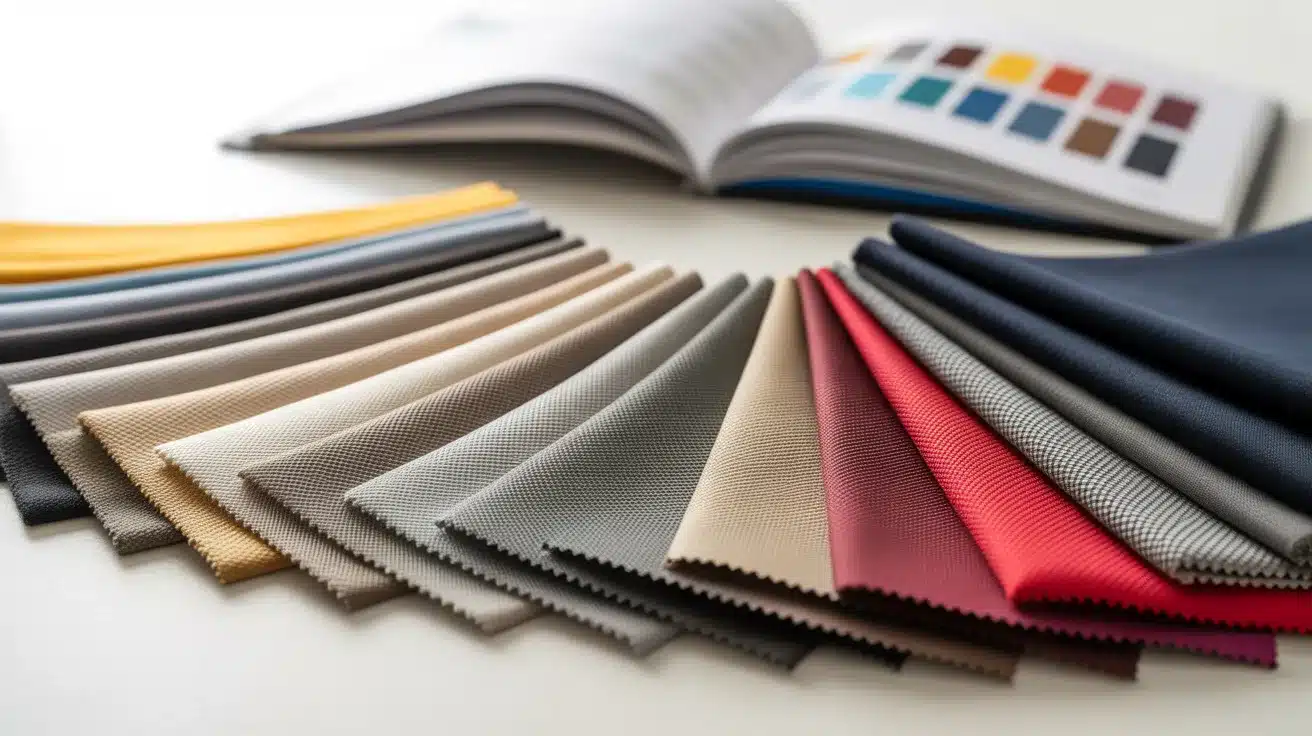
You just bought a new sofa. It looks perfect. Two days later, your dog jumps on it with muddy paws, or your kid knocks over a glass of juice. Sound familiar?
Most regular fabrics absorb stains fast and are a nightmare to clean. That is where performance fabric comes in. It is built for real life, not just for looks.
In this blog, you will learn what performance fabric is, how it works, where it is used, and whether it is actually worth your money.
What Is Performance Fabric?
Performance fabric is a type of material built to handle daily spills, stains, and heavy use without falling apart or looking worn out. It resists moisture, fading, bacteria, and general wear.
Most of these fabrics are made from synthetic fibers or treated with protective finishes that keep liquids on the surface long enough for you to wipe them away. Think of it as fabric that works as hard as you do.
How Did Performance Fabric Start?
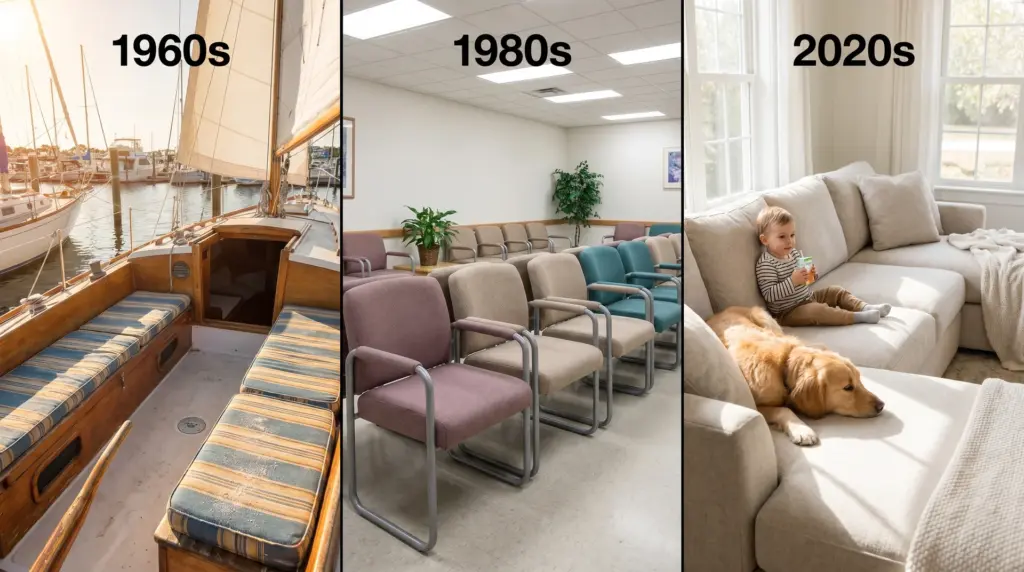
Performance fabric did not start as a home décor trend. It was first built for tough outdoor and marine conditions, where regular fabric simply could not hold up.
1960s: Sunbrella was created for marine and outdoor use, becoming one of the first widely recognized performance fabric brands.
1980s to 1990s: Brands like Crypton developed indoor performance fabrics for hospitality and healthcare spaces, focusing on stain and odor resistance.
2000s onward: Performance fabric moved into the mainstream of home furnishings as families began asking for sofas and chairs that could withstand kids and pets.
Over time, what started as a niche outdoor solution became a standard choice for furniture buyers seeking durability without sacrificing style.
How Is Performance Fabric Made?
Performance fabric is created in one of two ways. The first method applies a protective coating to the surface of the fabric after it is woven. This works well but wears off over time with repeated cleaning.
The second method, which offers longer-lasting protection, builds the resistance directly into the fiber before the fabric is even made. This is called fiber-level protection.
Many high-quality performance fabrics also use a process called solution dyeing, where color is added to the fiber during production rather than after.
This locks color deep into the fiber, making it far more resistant to fading from sunlight or from cleaning.
Key Properties That Define Performance Fabric
Performance fabric is not defined by a single feature. It is a combination of traits that make it stand out from standard upholstery. Here is what to look for:
- Stain Resistance: Liquids sit on the surface instead of soaking in right away, giving you time to blot them up.
- Water Resistance: Protects against everyday spills and, in some cases, outdoor moisture.
- Fade Resistance: Color holds strong over time, especially in solution-dyed fabrics exposed to sunlight.
- Durability: High-quality performance fabrics can withstand 50,000 double rubs or more, which is significantly higher than the industry standard of around 30,000.
- Mold and Mildew Resistance: Especially important for outdoor furniture or humid spaces.
- Antimicrobial Properties: Reduces bacteria and odor buildup, which is especially important in homes with pets or young children.
- Easy to Clean: Most stains come out with mild soap and water. No professional cleaning needed for everyday messes.
Types of Performance Fabric Fibers
Not all performance fabrics are created equal. The fiber used makes a big difference in how the fabric performs, what it resists, and how long it lasts. Here is a breakdown of the most common options.
1. Polyester
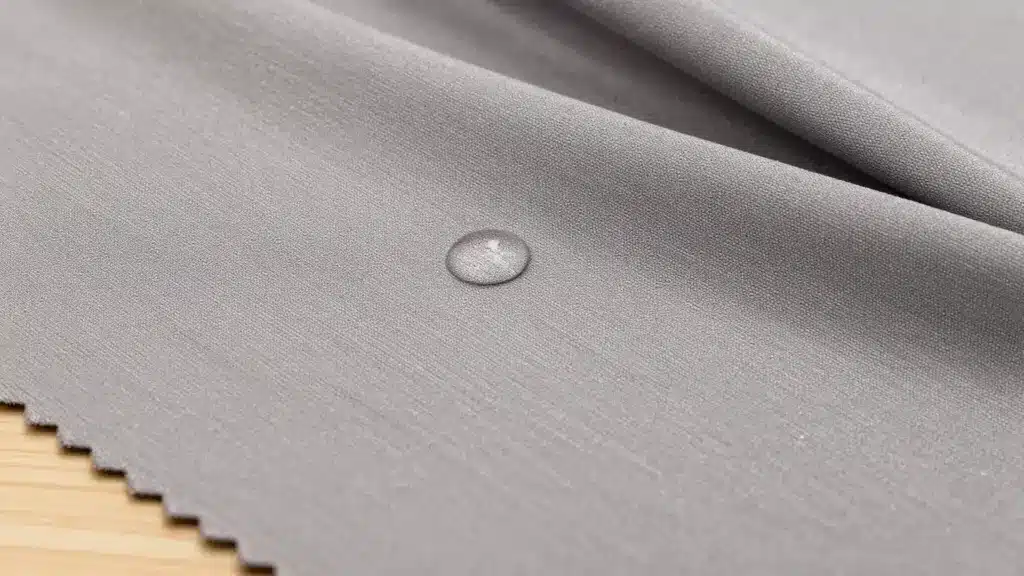
Polyester is the most widely used fiber in performance fabric. It resists fading, stretching, and shrinking, and it holds up well in high-use areas. It is easy to clean and generally affordable. The downside is that it tends to attract oily stains and can pill over time.
2. Nylon
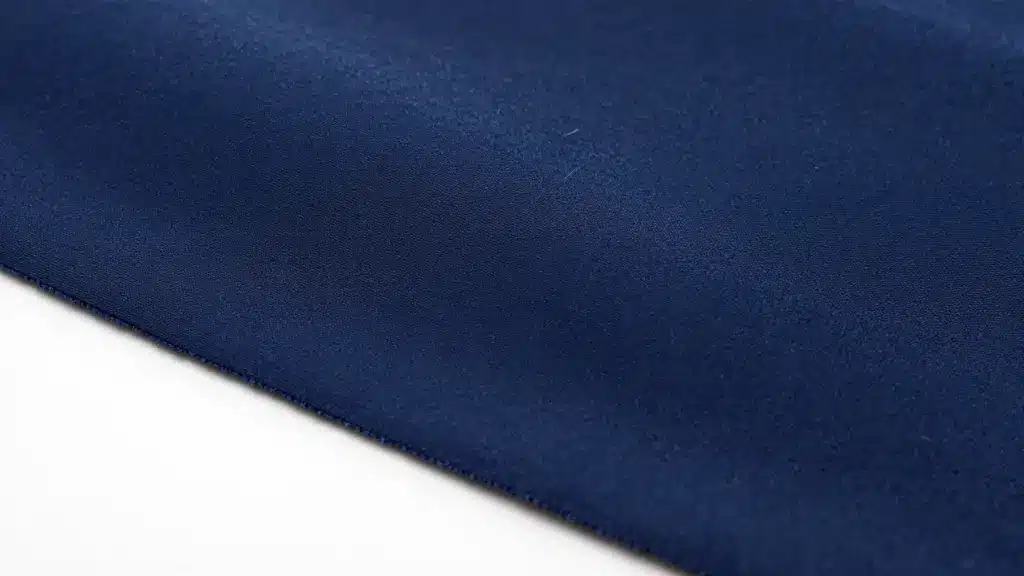
Nylon is one of the stronger options for abrasion resistance. It has a soft texture, holds color well, and resists water and stains. It is less common than polyester but is a solid pick for furniture that gets heavy daily use.
3. Olefin (Polypropylene)
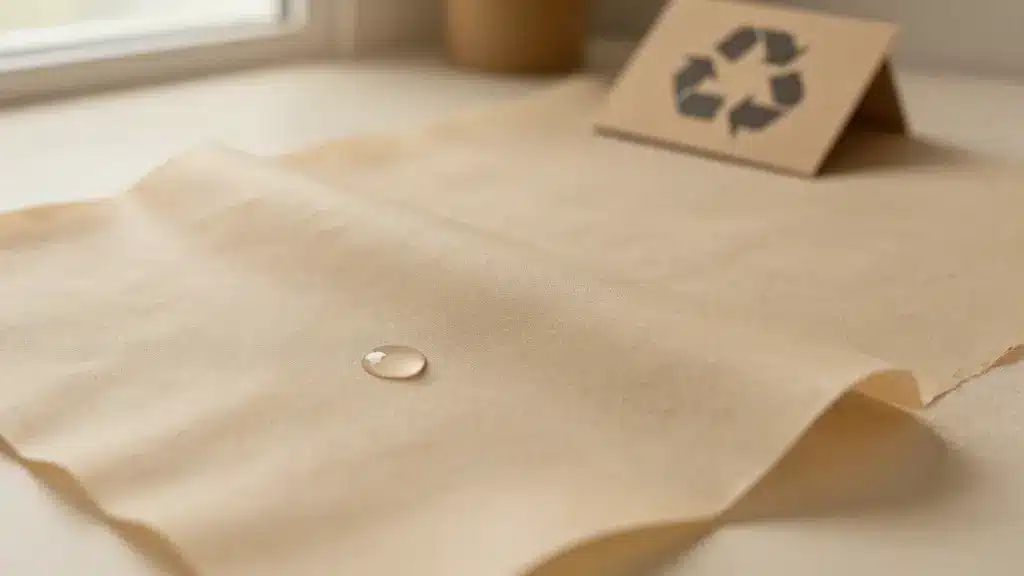
Olefin is naturally stain-resistant without the need for any chemical treatment.
It is made from polypropylene and is often upcycled from waste material, making it a good choice for buyers who prefer eco-friendlier options. It resists moisture, mildew, and fading well.
Its main weakness is that it absorbs oily stains, making it better suited to homes with infrequent greasy messes.
4. Acrylic
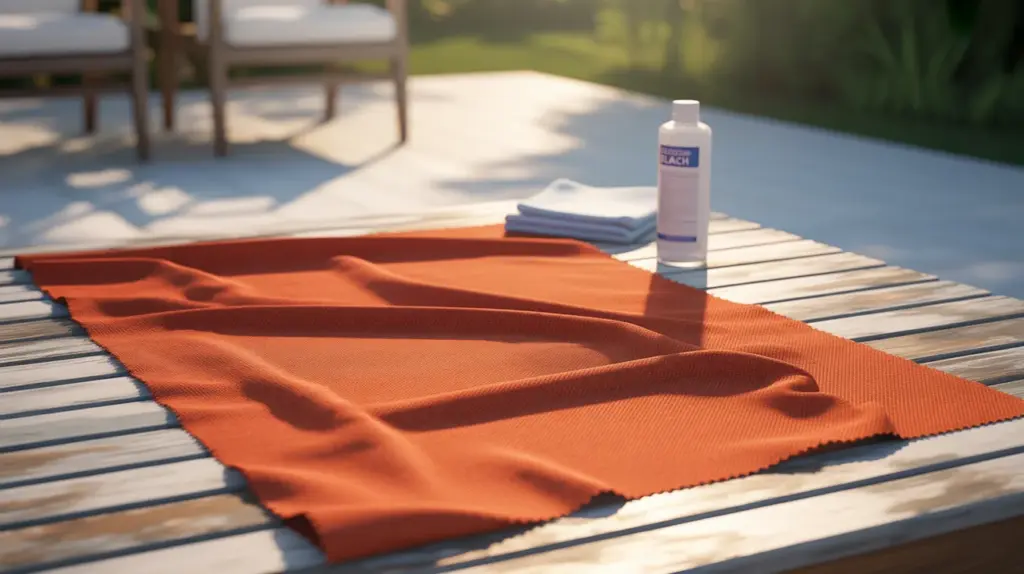
Acrylic performance fabric is typically solution-dyed, meaning color is added during fiber production. This makes it very resistant to fading, even with long exposure to sunlight.
It also resists mildew and insects. Most acrylic fabrics can be cleaned with a diluted bleach solution without damaging the color, making them a strong choice for outdoor furniture.
Performance Fabric vs. Regular Fabric: What Is the Difference?
If you have ever wondered why performance fabric costs more than standard upholstery, this comparison makes it clear. The difference is not just in how it looks. It is in how long it lasts and how easy it is to live with.
| Feature | Performance Fabric | Regular Fabric |
|---|---|---|
| Stain Resistance | High | Low to moderate |
| Cleaning Method | Mild soap and water at home | Often needs professional cleaning |
| Durability (Double Rubs) | 50,000 or more | Around 15,000 to 25,000 |
| Fade Resistance | High (especially solution dyed) | Varies by dye method |
| Mildew Resistance | Yes, in most types | No |
| Odor Resistance | Yes, in many types | No |
| Cost | Higher upfront | Lower upfront |
| Natural Look and Feel | Can mimic silk, suede, and linen | Natural or synthetic |
One thing worth knowing: performance fabric has come a long way in terms of style. You can find it in velvet, linen, chenille, and other textures that are hard to tell apart from natural materials. So choosing a function does not mean giving up on how your furniture looks.
Where Is Performance Fabric Used?
Performance fabric started outdoors and has since made its way into nearly every room of the house, and beyond. Here is where it works best.
1. Sofas and Living Room Seating
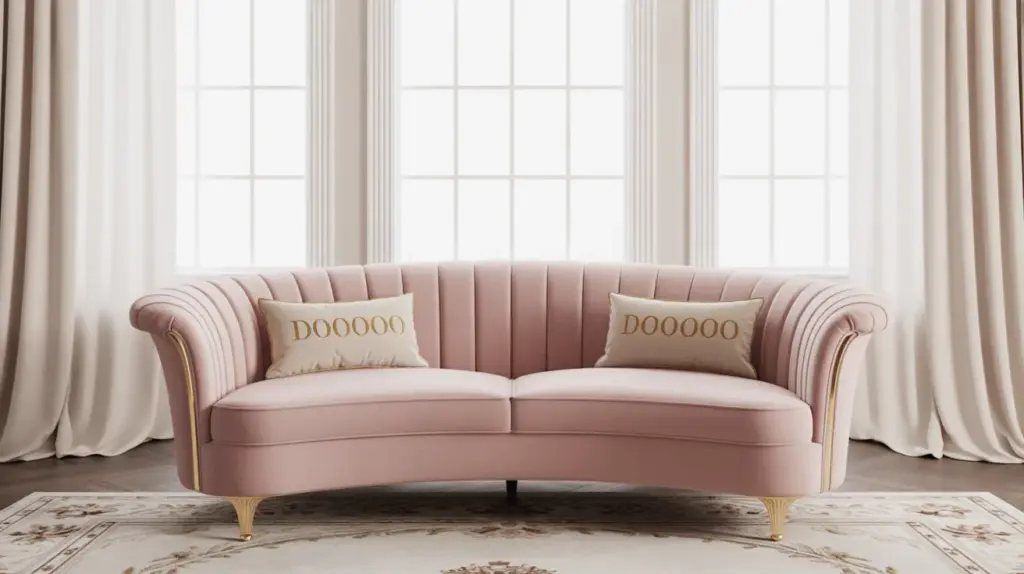
This is the most common use. Living rooms take more daily wear than almost any other space. Performance fabric holds up well to pets, spills, kids, and constant use. It is especially worth considering if you are buying a light-colored sofa.
2. Dining Chairs
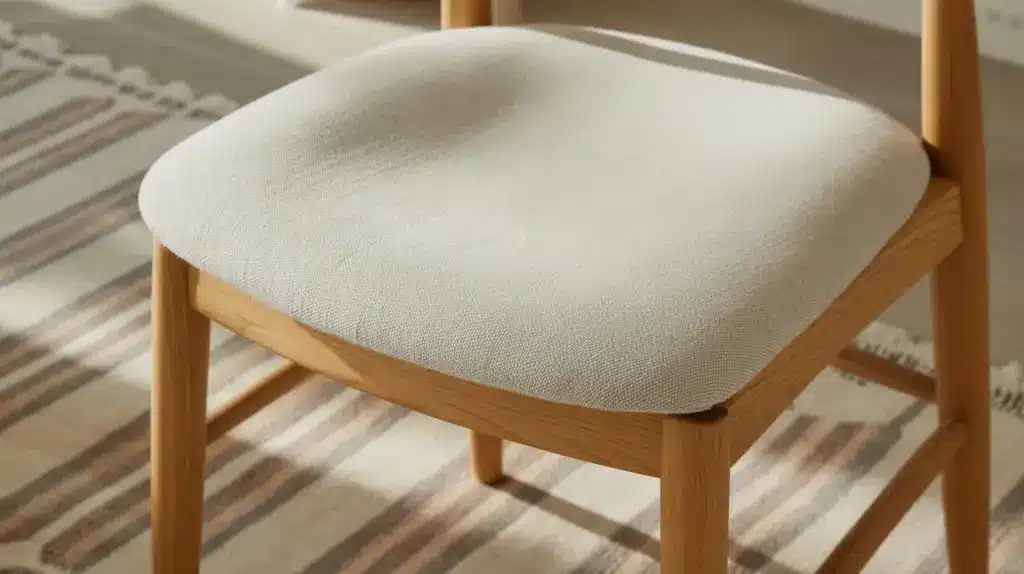
Food spills on dining chairs are practically unavoidable. Performance fabric makes cleanup fast and stress-free. If you have always wanted white or cream dining chairs but felt nervous about the mess, this is the fabric that makes that possible.
3. Bedroom Furniture
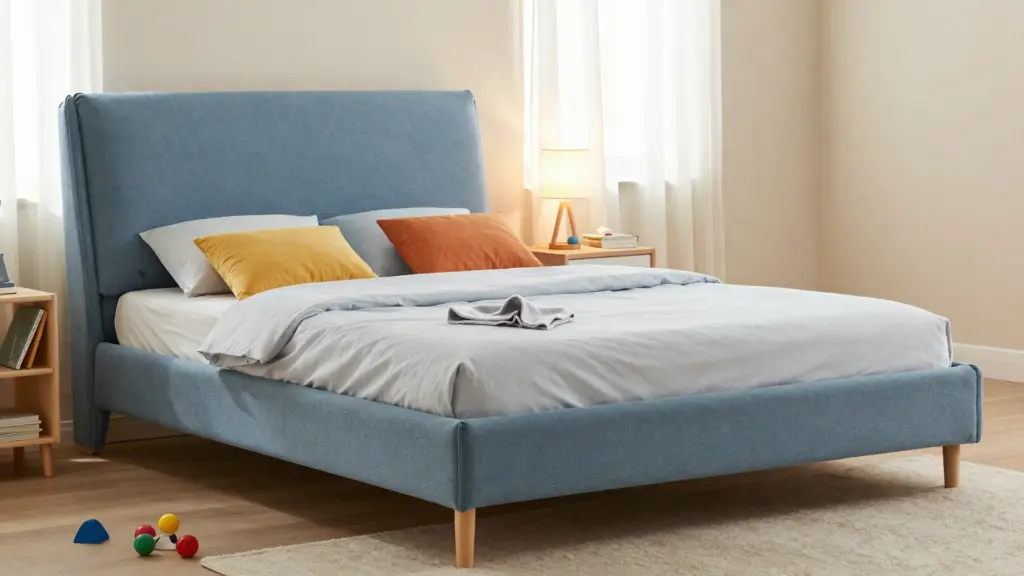
Upholstered beds, benches, and headboards are often overlooked when it comes to fabric choice. Kids’ rooms and guest rooms, in particular, benefit from performance fabric. It handles everyday contact, smudges, and light spills without showing wear quickly.
4. Outdoor Furniture
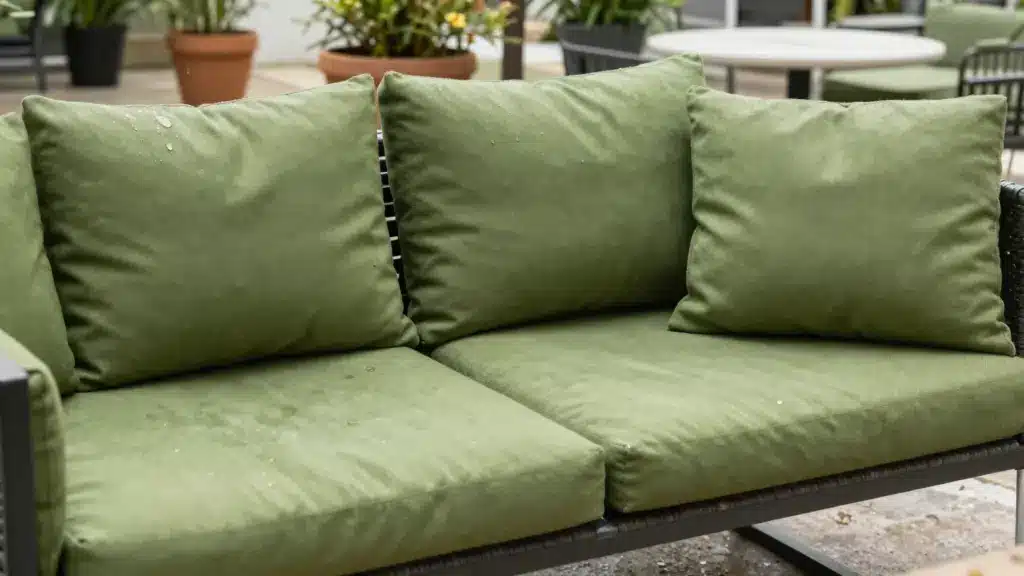
This is where performance fabric was designed to shine. UV resistance, mildew resistance, and moisture protection make it the right call for patio cushions, outdoor sofas, and poolside seating. Even so, storing outdoor cushions during heavy rain or winter months will help them last longer.
5. Activewear and Clothing
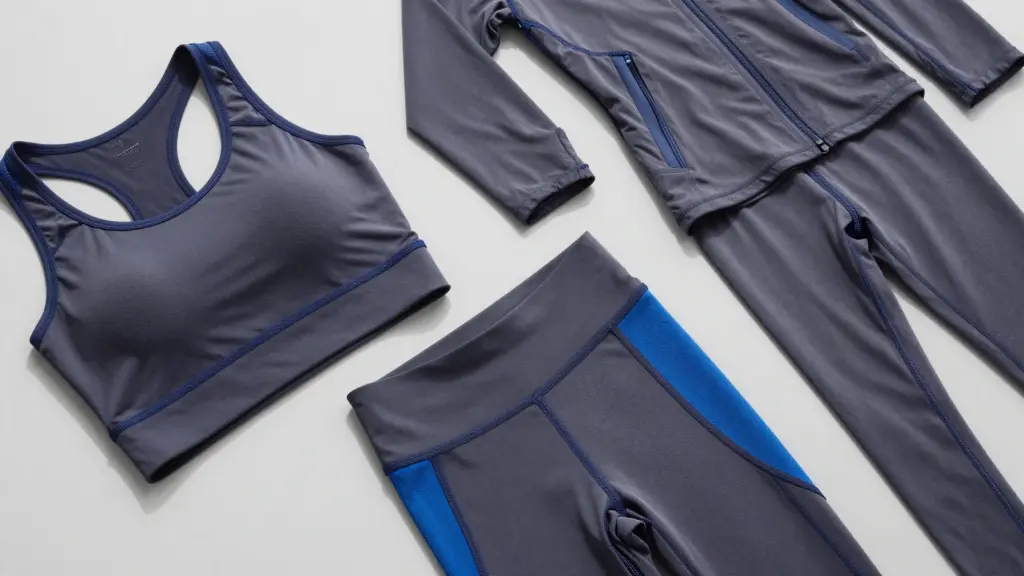
Performance fabric in clothing emphasizes different traits: moisture-wicking, stretch, and breathability. It is used in athletic gear, running clothes, outdoor jackets, and base layers.
This is a separate category from upholstery performance fabric, but it shares the same core idea of fabric that does more than just cover you.
Pros and Cons of Performance Fabric
Performance fabric is a solid choice for most households, but it is not perfect for everyone. Here is an honest look at both sides.
Pros
- Resists stains, spills, and moisture in everyday use
- Easy to clean at home without professional help
- Lasts longer than standard fabric, saving money over time
- Works well in homes with kids, pets, or frequent guests
- Available in a wide range of colors, textures, and styles
- Can look and feel like natural materials such as linen, suede, and velvet
- Many certified options are free from harsh chemicals and heavy metals
Cons
- Costs more upfront than standard upholstery fabric
- Not 100% natural, always contains some synthetic component
- Oily stains can still be tricky, especially with olefin and polyester
- Surface-coated versions gradually lose their protection with repeated washing
- Not fully waterproof in all cases, just water-resistant
How to Clean and Care for Performance Fabric?
Cleaning performance fabric is simpler than most people expect. For everyday maintenance, vacuum your furniture once a week to stop dust and crumbs from settling into the fibers.
When spills happen, blot the area immediately with a clean dry cloth. Do not rub, as that pushes the liquid deeper into the fabric.
For most stains, a mild soap mixed with lukewarm water applied with a soft cloth is all you need. Rinse the area with clean water, then blot dry and let it air dry fully.
Avoid using hard-bristle brushes, heat from dryers or hair dryers, and fabric softeners, as all of these can damage the fibers or reduce their protective qualities over time.
Wrapping It Up
Performance fabric is made for people who actually use their furniture. It handles spills, pets, kids, and daily wear better than most regular upholstery without asking much in return.
The upfront cost is higher, but for busy households, it pays off in fewer replacements, easier cleanups, and less stress overall.
If you have a hectic home or simply want furniture you do not have to treat with kid gloves, performance fabric is a smart, practical choice.
Have you tried it in your home? Drop your experience in the comments below.
Frequently Asked Questions
Is Performance Fabric Better Than Leather?
For most homes with kids and pets, yes. It is softer, handles odors better, and comes in far more colors than leather.
Is Performance Fabric the Same as Microfiber?
No. Microfiber is just one type that can fall under the performance category. Performance fabric also includes olefin, acrylic, and treated polyester.
Is 100% Polyester Considered Performance Fabric?
Not automatically. It needs to be solution dyed or treated with a stain-resistant finish to truly qualify as a performance fabric.
What Fabrics to Stay Away From?
Avoid untreated linen, raw cotton, and silk in high-use areas. They absorb spills fast, stain easily, and are hard to clean at home.