

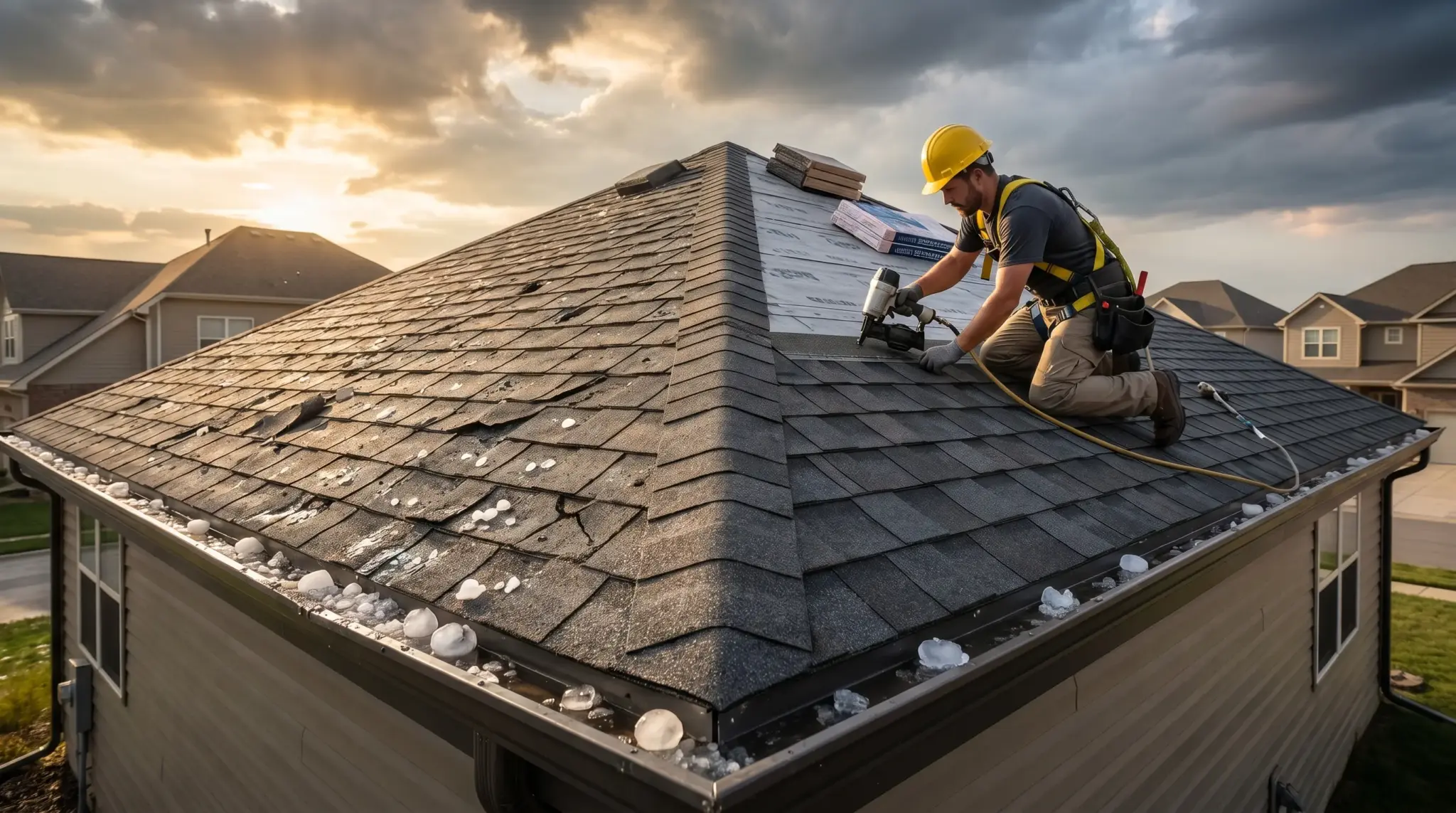
Hailstorms can cause serious damage to your roof, sometimes obvious, but often hidden beneath the surface. After a storm, homeowners are left with an important question: should the roof be repaired, or does it need a full replacement? Even more confusing is understanding what your insurance policy will actually cover. The answer depends on several factors, including the extent of the damage, your policy type, and how quickly you take action.
Many homeowners begin this process feeling overwhelmed, especially when dealing with inspections, adjusters, and paperwork. That’s why working with experienced professionals like Stinson Roofing can help you navigate both the repair decision and the insurance claim process more confidently. Understanding your options upfront can save you time, money, and unnecessary stress.
Understanding Hail Damage to Your Roof
Hail can impact your roof in different ways depending on the size of the hailstones, wind speed, and roofing materials. While large hail can cause immediate and visible destruction, smaller hail can create subtle damage that worsens over time.
Common types of hail damage include:
- Bruised or dented shingles
- Granule loss on asphalt shingles
- Cracked or split roofing materials
- Damaged flashing, vents, or gutters
Even if your roof looks fine from the ground, underlying damage may still exist.
Roof Repair vs Roof Replacement: What’s the Difference?
Before diving into insurance coverage, it’s important to understand the difference between repair and replacement.
Roof Repair
Roof repair involves fixing specific damaged areas without replacing the entire roof. This is typically recommended when:
- Damage is minor or localized
- The roof is relatively new
- Structural integrity is still intact
Repairs may include:
- Replacing a few shingles
- Fixing flashing or vents
- Sealing leaks
Roof Replacement
A full roof replacement involves removing the existing roofing system and installing a new one. This is necessary when:
- Damage is widespread
- The roof is near the end of its lifespan
- Repairs would not be cost-effective
Replacement ensures long-term protection but comes with a higher upfront cost.
What Determines Repair vs Replacement?
Insurance companies don’t automatically approve a full replacement after a hailstorm. Instead, they evaluate several key factors:
1. Extent of Damage
If damage is limited to a small area, repairs are usually approved. However, widespread damage across multiple sections may justify a replacement.
2. Roof Age
Older roofs are more likely to be replaced, especially if they were already nearing the end of their lifespan.
3. Type of Roofing Material
Some materials, like asphalt shingles, are easier to repair, while others may require full replacement if damaged.
4. Matching Issues
If repairing a section would result in mismatched shingles (color or style), some policies may cover replacement for aesthetic consistency.
5. Local Building Codes
In some areas, building codes require full replacement if damage exceeds a certain percentage of the roof.
What Does Home Insurance Typically Cover?
Most standard homeowners insurance policies cover roof damage caused by sudden events like hailstorms. However, the level of coverage depends on your specific policy.
Covered:
- Hail and storm damage
- Repairs or replacement due to covered events
- Damage to other structures (like gutters or siding)
Not Covered:
- Normal wear and tear
- Lack of maintenance
- Pre-existing damage
- Gradual deterioration
Types of Insurance Coverage
Understanding your policy type is crucial in determining how much you’ll receive.
1. Replacement Cost Value (RCV)
This type of policy covers the full cost of replacing your roof with a new one of similar quality, minus your deductible.
Example:
If your roof replacement costs $12,000 and your deductible is $1,000, insurance pays $11,000.
2. Actual Cash Value (ACV)
ACV policies factor in depreciation. This means you’ll receive less money based on the age and condition of your roof.
Example:
If your roof is older, you might only receive a portion of the replacement cost.
When Insurance Covers Repairs
Insurance will typically approve repairs when:
- Damage is minor and localized
- The roof can be restored without compromising performance
- Costs are significantly lower than replacement
This is common for newer roofs or when only a few shingles are affected.
When Insurance Covers Replacement
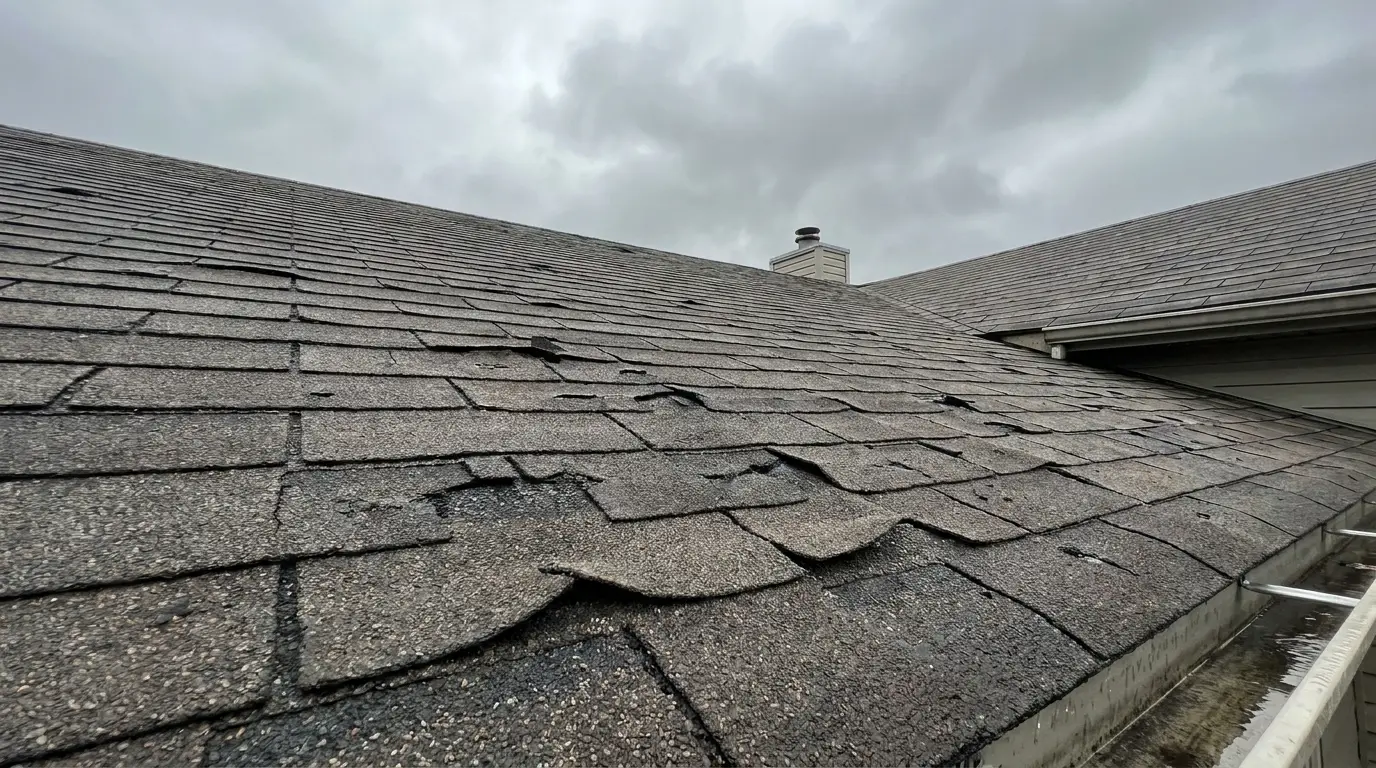
A full replacement is more likely to be approved when:
- Damage is extensive across multiple areas
- The roof’s integrity is compromised
- Repairs won’t effectively fix the problem
- Matching materials are unavailable
- Local codes require full replacement
Insurance companies aim to restore your home to its pre-damage condition not necessarily upgrade it.
Common Challenges with Insurance Claims
Filing a claim isn’t always straightforward. Homeowners often face challenges such as:
Claim Denials
If the insurer believes damage is due to wear and tear rather than hail, your claim may be denied.
Underpayment
Insurance may approve repairs when replacement is actually needed.
Delays
The claims process can take time, especially if inspections and documentation are incomplete.
How to File a Successful Claim
To improve your chances of approval, follow these steps:
1. Document the Damage
Take photos and videos immediately after the storm.
2. Schedule a Professional Inspection
A roofing expert can identify damage that may not be visible to you.
3. Review Your Policy
Understand your coverage, deductible, and limitations.
4. File Your Claim Promptly
Delays can complicate the process or lead to denial.
5. Meet with the Adjuster
Be present during the inspection to ensure nothing is overlooked.
Repair vs Replacement: Cost Comparison
Repair Costs:
- Lower upfront cost
- Faster completion
- Temporary solution in some cases
Replacement Costs:
- Higher upfront investment
- Long-term durability
- Better protection and value
👉 Key Insight:
Sometimes replacing the roof is more cost-effective than repeated repairs over time.
Why Acting Quickly Matters
Delaying action after hail damage can lead to:
- Water leaks
- Mold growth
- Structural damage
- Claim complications
Insurance companies expect homeowners to take reasonable steps to prevent further damage.
The Role of Roofing Professionals
Working with experienced contractors can make a significant difference in your outcome. They can:
- Provide detailed inspections
- Assist with documentation
- Communicate with insurance adjusters
- Ensure proper repairs or replacement
Having expert support reduces the risk of missed damage or underpaid claims.
Signs You May Need Replacement Instead of Repair
- Multiple damaged areas across the roof
- Visible granule loss on shingles
- Cracked or brittle roofing materials
- Interior leaks or water stains
- Roof nearing end of lifespan
If you notice these signs, a full replacement may be the better option.
Final Thoughts
Deciding between roof repair and replacement after hail damage isn’t always straightforward but understanding how insurance works can make the process much easier. While minor damage may only require repairs, more extensive issues often justify a full replacement, especially when long-term protection is at stake.
The key is acting quickly, documenting everything, and working with professionals who understand both roofing and insurance claims. With the right approach, you can ensure your home is properly restored without unnecessary out-of-pocket expenses.
In the end, your goal isn’t just to fix your roof it’s to protect your home, your investment, and your peace of mind.