


One of the biggest questions you may come across when renovating or upgrading a home in Australia is how to finance it without jeopardising your financial position. This decision has become more subtle than before, with property prices, inflation of construction prices and alterations to interest rates.
The positive side is that homeowners have a variety of financing options- each one is tailored to various needs, time frames, and risk-taking. By having a clear understanding of these options, you can make a decision that will help you and your project as well as your long-term financial stance.
Understand Financial Situation
Assess the situation before getting into financing. Check your earnings, current debts, credit record and savings. These factors are commonly considered by lenders in order to determine your borrowing capacity, as well as the value of your property, if it is to be included in the equation.
Understanding what you comfortably can afford will steer you towards the appropriate kind of financing and avoid overcommitment.
Personal Loans
One of the simplest methods of financing smaller home improvements is through personal loans. These are normally unsecured in that you do not have to use your property as security.
They can be organised more quickly and require less paperwork compared to other alternatives. Nevertheless, they can offer a higher rate of interest than secured loans. This trade-off can still be a good idea in case of minor renovations or fast upgrades because of the convenience and speed.
Construction and Home Renovation Loans
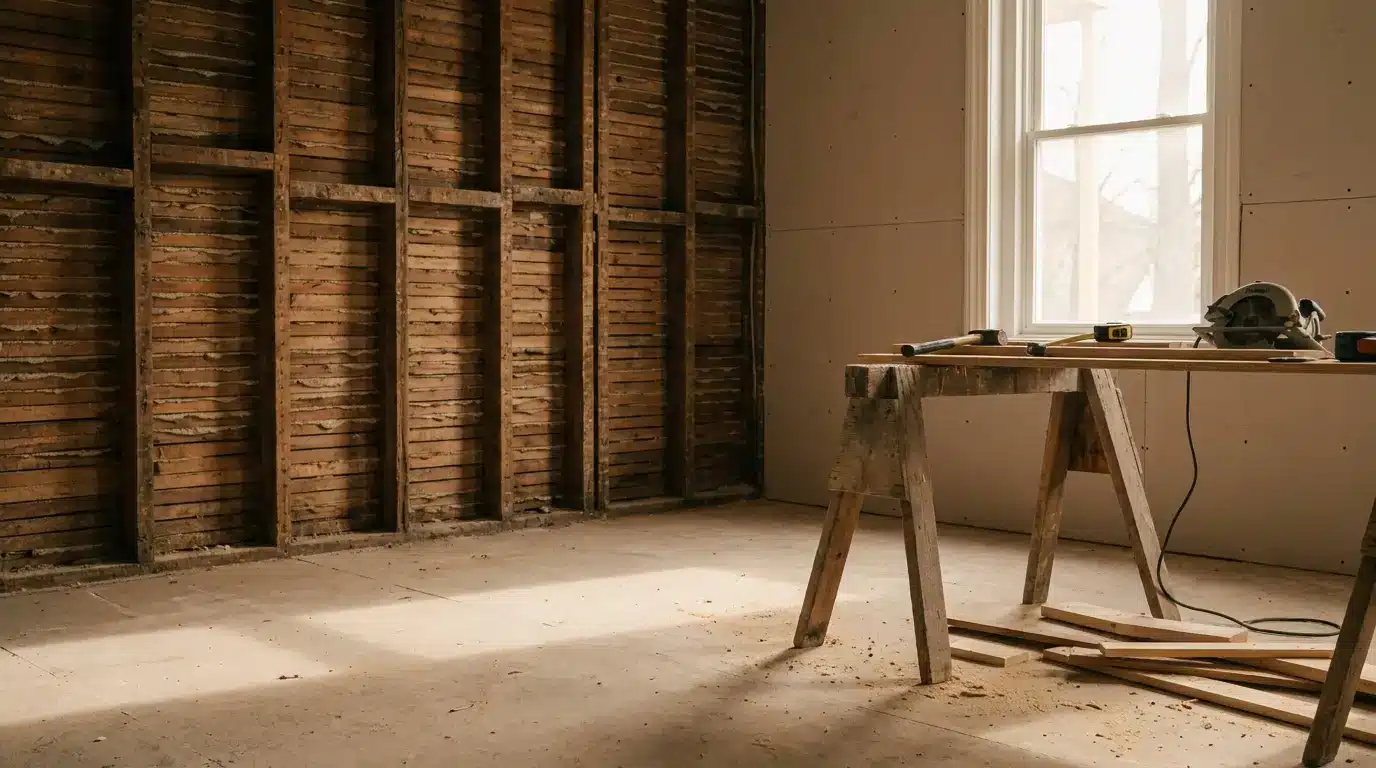
A home renovation loan is a financing option that allows homeowners to borrow money for repairs, remodelling, or upgrades. Construction loans are the most favourable for home improvement loans available now. These are differentiated to finance staged projects, especially when the structure of a building is to be changed significantly or when rebuilding is needed.
The release of funds comes in stages as work is being done, usually based on milestones by the builder. This setup helps ensure efficient use of funds and reduces the risk of wasting money in the initial stages of the project.
Home Equity Loans
You can borrow against the property in case you have equity in it. These choices are normally at a cheaper interest rate since they are collateralised by your home. They come in handy, especially when doing bigger renovations or those projects that are done over a period of time.
One of them is a line of credit that allows you to borrow money when you require it, which can assist in managing the cash flow when you are working on a project. Since your home serves as security, it is significant to be sure that you can pay back under various financial situations.
Making the Right Decision
When you compare financing options, check what lenders offer for home improvement loans. The right loan is the one that fits your financial reality, but not only your renovation goals.
- Is the repayment plan within your comfort level?
- Is it a fixed or variable interest rate, and what do you think that would do to you in the long run?
- Are there fees or conditions that might impact flexibility in the future?