

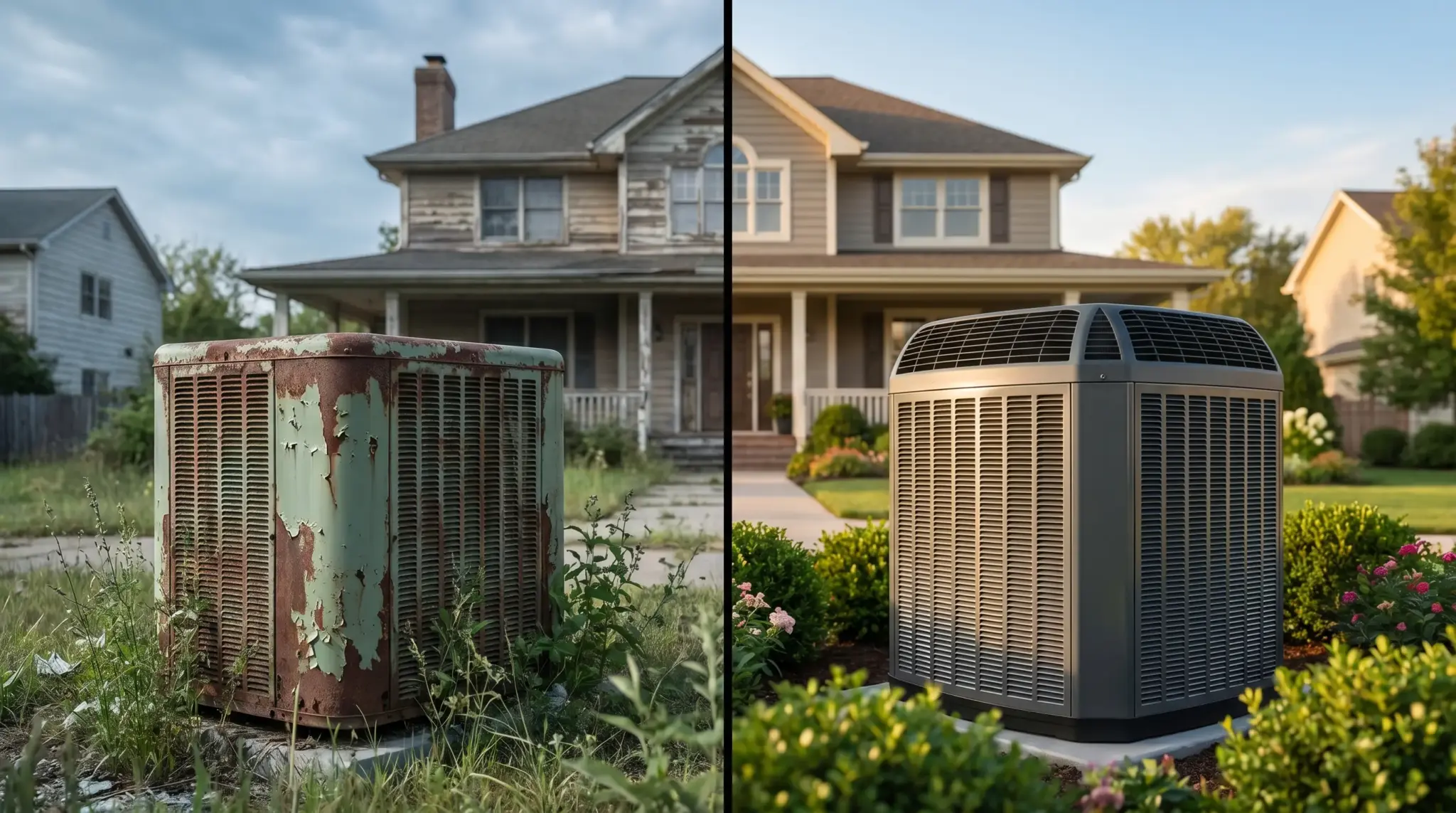
Your home’s heating and cooling system plays a critical role in maintaining comfort, energy efficiency, and indoor air quality throughout the year. Whether you’re dealing with hot summers or chilly winters, your HVAC system works behind the scenes to keep your environment livable. However, like any major home system, it won’t last forever and knowing when to upgrade can save you from rising energy costs, unexpected breakdowns, and ongoing frustration.
Many homeowners start by consulting experienced professionals like Guthrie & Sons, who can evaluate system performance and recommend whether a repair or full replacement is the smarter choice. But even before calling in the experts, there are clear signs that your system may be nearing the end of its lifespan.
Why Upgrading Matters
An outdated heating and cooling system doesn’t just affect comfort it impacts your finances, health, and overall home efficiency.
Key Benefits of Upgrading
- Lower energy bills
- Improved indoor comfort
- Better air quality
- Reduced maintenance costs
- Increased home value
Modern HVAC systems are designed to be more efficient, quieter, and environmentally friendly, making them a worthwhile investment for many homeowners.
1. Your System Is More Than 10–15 Years Old
Age is one of the most reliable indicators that it may be time for an upgrade.
Typical Lifespan
- Air conditioners: 10–15 years
- Furnaces: 15–20 years
- Heat pumps: 10–15 years
As systems age, they lose efficiency and become more prone to breakdowns. Even if your unit is still running, it may not be operating at optimal performance.
What to Consider
If your system is approaching or exceeding its expected lifespan, replacing it proactively can help you avoid sudden failures during extreme weather.
2. Rising Energy Bills
A noticeable increase in your energy bills is often a sign that your HVAC system is struggling.
Why This Happens
Over time, components wear out, forcing the system to work harder to maintain the desired temperature. This increased workload leads to higher energy consumption.
When to Take Action
If your energy bills continue to climb despite consistent usage, upgrading to a more energy-efficient system can significantly reduce costs.
3. Frequent Repairs
Occasional repairs are normal, but frequent breakdowns are a red flag.
The Cost Factor
- Repeated service calls add up quickly
- Older systems often require harder-to-find parts
- Repairs may only provide temporary fixes
The Rule of Thumb
If repair costs are approaching 50% of the cost of a new system, replacement is usually the better option.
4. Inconsistent Temperatures
Do some rooms feel too hot while others remain cold? Uneven temperatures throughout your home often indicate that your HVAC system is no longer distributing air effectively.
Possible Causes
- Aging equipment
- Poor airflow
- Ductwork issues
- System undersizing or oversizing
Upgrading to a modern system with better airflow control can restore consistent comfort across your home.
5. Strange Noises or Odors
Unusual sounds or smells coming from your system shouldn’t be ignored.
Common Warning Signs
- Banging or rattling noises
- Grinding or squealing sounds
- Musty or burning odors
These issues often point to internal damage or worn components. While some problems can be repaired, persistent issues may signal that your system is nearing failure.
6. Poor Indoor Air Quality
Your HVAC system plays a major role in maintaining air quality inside your home.
Signs of Poor Air Quality
- Increased dust accumulation
- Allergy or respiratory issues
- Excess humidity
- Stale or stuffy air
Older systems may lack modern filtration and ventilation features, making it harder to maintain clean, healthy air.
7. Excessive Humidity Problems
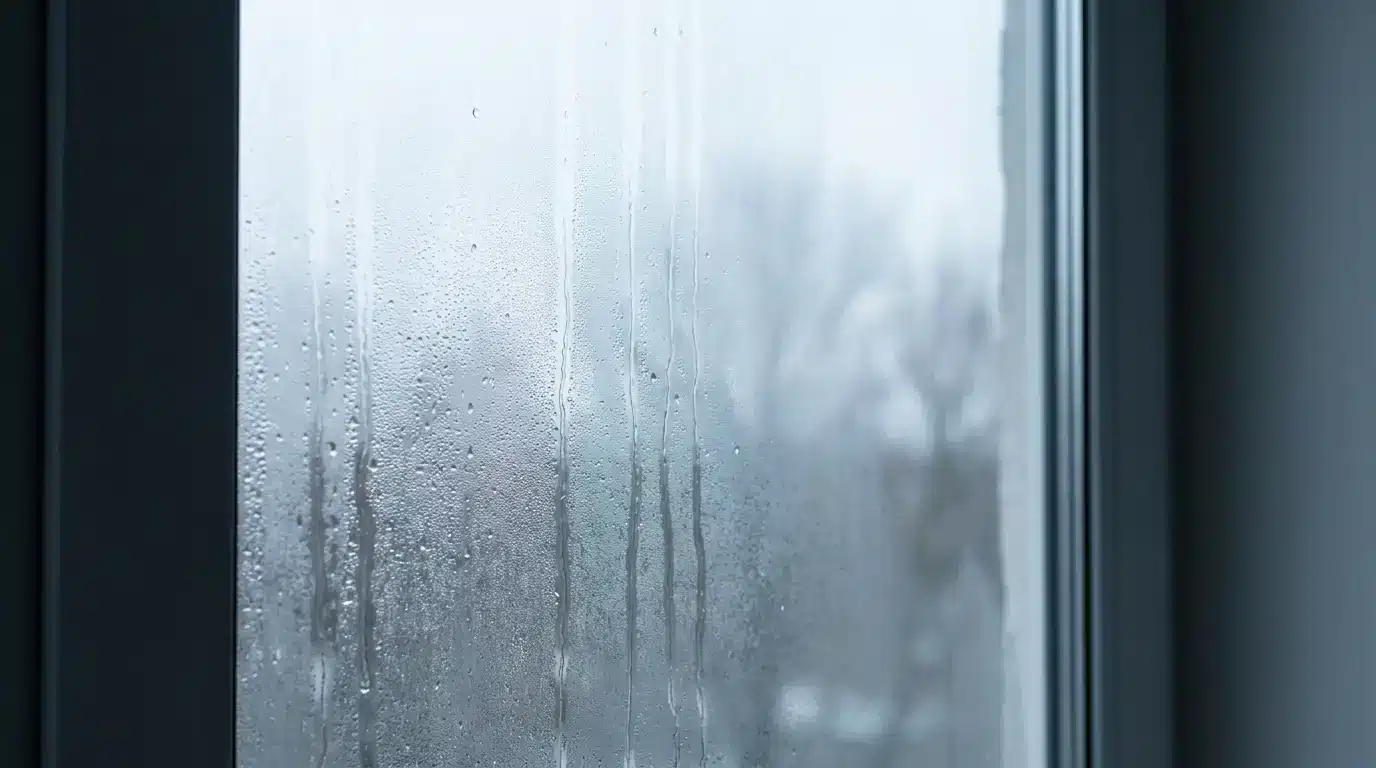
A properly functioning HVAC system helps regulate humidity levels. If your home feels damp in the summer or overly dry in the winter, your system may not be performing efficiently.
Why It Matters
- High humidity can lead to mold growth
- Low humidity can cause discomfort and health issues
Upgrading to a newer system with humidity control features can significantly improve indoor comfort.
8. Your System Uses Outdated Technology
Older HVAC systems often rely on outdated technology that is less efficient and environmentally friendly.
Examples
- Older refrigerants being phased out
- Lower efficiency ratings (SEER ratings)
- Limited smart control options
Modern systems offer advanced features such as programmable thermostats, smart home integration, and improved energy efficiency.
9. Difficulty Maintaining Desired Temperature
If your system runs constantly but still struggles to reach or maintain the desired temperature, it may be time for an upgrade.
What This Means
Your system is likely overworking to compensate for reduced efficiency, leading to higher energy use and increased wear and tear.
10. You’re Planning a Home Renovation
If you’re remodeling or expanding your home, your current HVAC system may no longer be suitable.
Considerations
- Increased square footage
- Changes in layout
- Updated insulation and windows
Upgrading your system ensures it can handle your home’s new requirements effectively.
Energy Efficiency: A Major Factor
One of the biggest advantages of upgrading your HVAC system is improved energy efficiency.
What to Look For
- High SEER (Seasonal Energy Efficiency Ratio) ratings
- ENERGY STAR-certified systems
- Variable-speed technology
These features help reduce energy consumption while maintaining consistent comfort.
Financial Benefits of Upgrading
While a new HVAC system requires an upfront investment, it often pays off over time.
Long-Term Savings
- Lower utility bills
- Fewer repair costs
- Potential rebates or tax incentives
In many cases, the savings can offset the initial cost within a few years.
Environmental Impact
Upgrading your system isn’t just good for your wallet it’s better for the environment.
Benefits Include
- Reduced energy consumption
- Lower greenhouse gas emissions
- More eco-friendly refrigerants
For environmentally conscious homeowners, upgrading is a step toward a more sustainable lifestyle.
Choosing the Right System
When it’s time to upgrade, selecting the right system is essential.
Factors to Consider
- Home size and layout
- Climate conditions
- Energy efficiency goals
- Budget
Working with professionals ensures you choose a system that meets your specific needs.
The Importance of Professional Installation
Even the best HVAC system won’t perform properly if it’s not installed correctly.
Why Professional Installation Matters
- Ensures optimal performance
- Prevents air leaks and inefficiencies
- Protects manufacturer warranties
- Extends system lifespan
Proper installation is just as important as choosing the right system.
When to Act
Timing your upgrade can make a big difference.
Best Times to Upgrade
- Before peak summer or winter seasons
- When your system starts showing multiple warning signs
- During home improvement projects
Planning ahead helps you avoid emergency replacements and allows for better decision-making.
Final Thoughts
Your heating and cooling system is one of the most important components of your home, affecting comfort, efficiency, and overall quality of life. While it may be tempting to delay upgrading, recognizing the warning signs early can save you time, money, and stress.
If your system is aging, inefficient, or requiring frequent repairs, it may be time to consider a replacement. By investing in a modern, energy-efficient HVAC system, you can enjoy improved comfort, lower energy bills, and greater peace of mind.
Ultimately, the key to making the right decision is staying informed and proactive. With the right approach and guidance from experienced professionals you can ensure your home remains comfortable and efficient for years to come.