

The family dining room is one of the most emotionally resonant spaces in the home; it serves not only the daily function of hosting three meals a day but also acts as a vital hub for family interaction, emotional bonding, and the rituals of daily life.
In this space, design transcends the mere arrangement of tables and chairs or the selection of a specific style; rather, it centers on the creation of atmosphere and the expression of a lifestyle. Through thoughtful spatial planning, the use of warm and tactile materials, and soft lighting design, the family dining room can strike a harmonious balance between utility and aesthetics, transforming every meal into a relaxing and delightful experience.
Here are some home dining room design tips for your reference.
1.Space Layout Focuses on Fluidity
The layout of a family dining area should emphasize smooth circulation, minimizing barriers and visual fragmentation. Open or semi-open plans help strengthen spatial interaction, creating a seamless connection between the dining area, kitchen, and living room, ultimately enhancing the overall living experience.
2.Color Harmony Ensures Comfort
A dining space should mainly use low-saturation neutrals or natural tones. Avoiding overly strong contrasts helps maintain visual coherence, creating a calm and comfortable dining environment.
3.Lighting Shapes the Dining Atmosphere
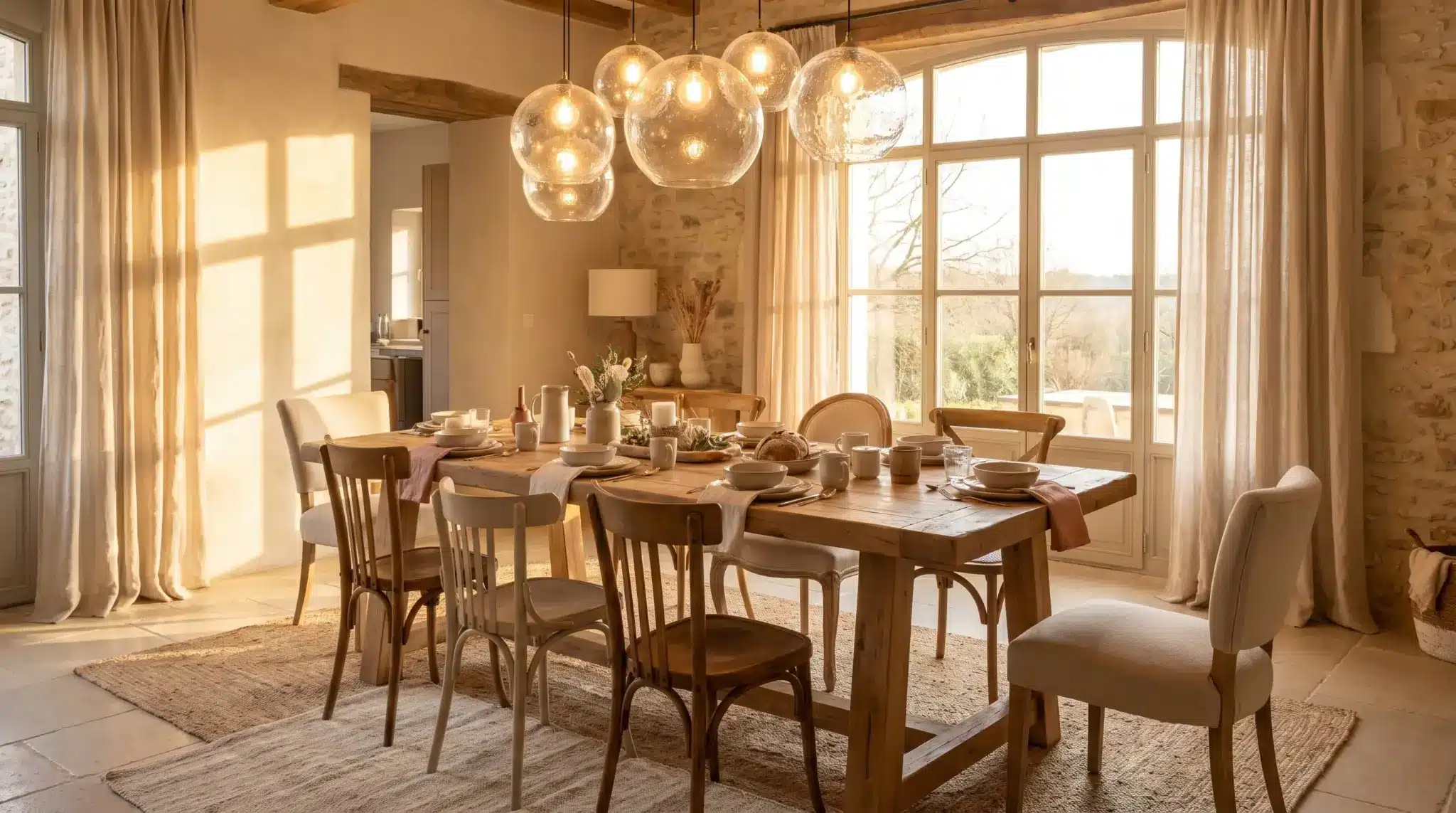
Lighting plays a key role in defining the mood of a dining area. Soft warm pendant lights are often the focal point. Combining ambient and accent lighting creates depth and a sense of ritual, making the space feel more inviting and intimate.
4.Material Selection Creates Warmth
Natural materials such as wood, fabric, and stone can enhance the warmth of a dining space. Layering different textures adds visual and tactile richness, making the dining area both refined and comfortably lived-in.
Based on EClife’s Interior design concepts, we have carefully curated 13 dining room ideas.
1.A Stylish Pendant Lamp

https://www.eclife.com/interior-design-styles/normcore~s1/modern-light-colors
“This bubble-ball pendant light significantly enhances the sense of occasion at mealtimes, making every meal feel like a grand feast,” says designer Emma Smith.
2.Rustic Style
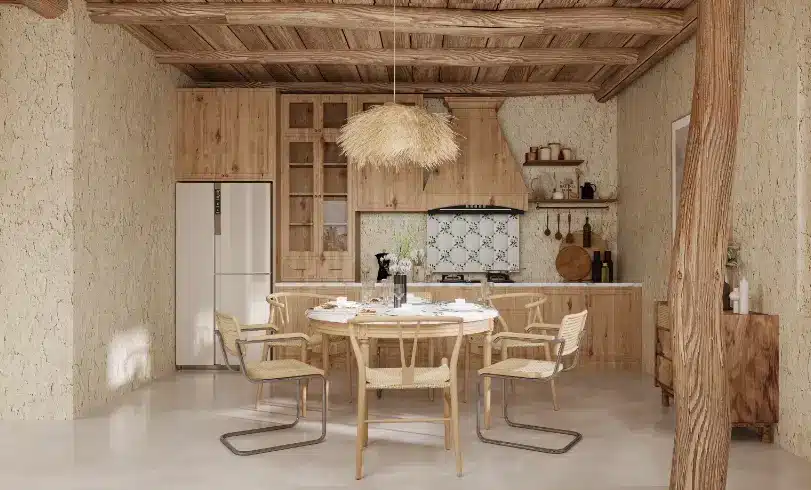
In the restaurant designed by John Smith, you can see materials in their raw, natural state. “I am particularly fond of this straw pendant lamp,” he says; “cooking and dining here feels just like being immersed in the countryside.”
3.Signature Dining Room Wall
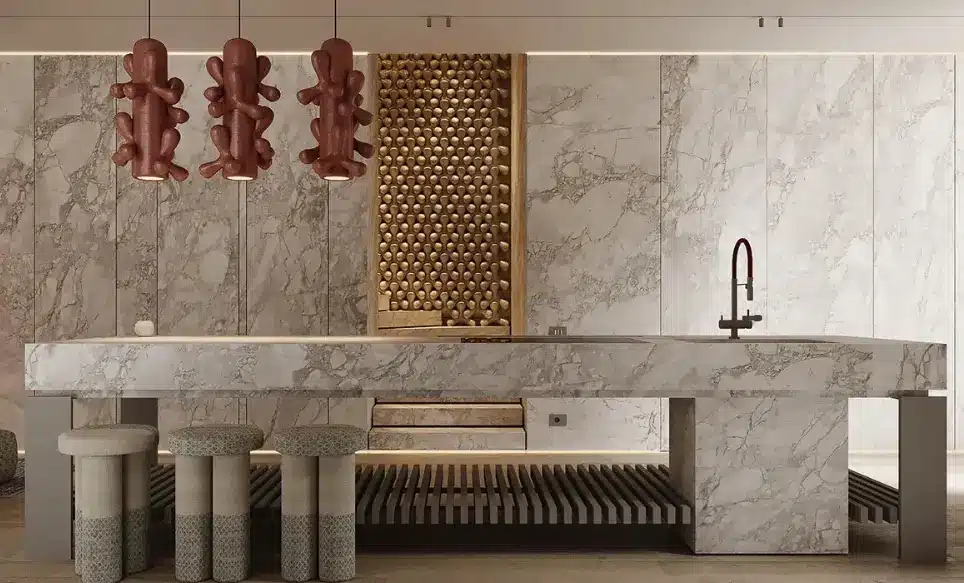
The combination of marble walls featuring distinct patterns enhances the dining room’s presence; here, the Emma Smith team selected a material identical to that of the dining table, creating a visual impression of seamless unity.
4.Seats of Diverse Designs
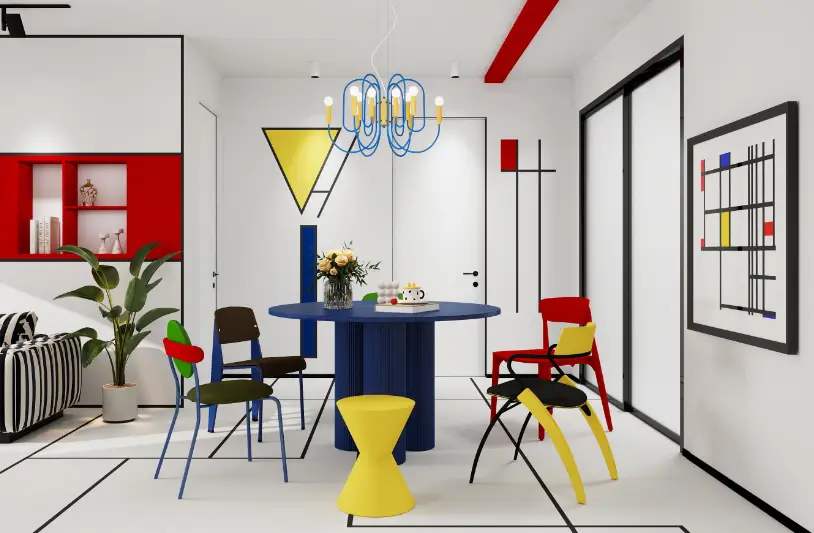
Designer John Smith drew his inspiration from geometric patterns. “These chairs, constructed from lines and geometric shapes, break the formality of the dining atmosphere, possessing a subtle sense of humor,” he remarked.
5.Vibrant Colors
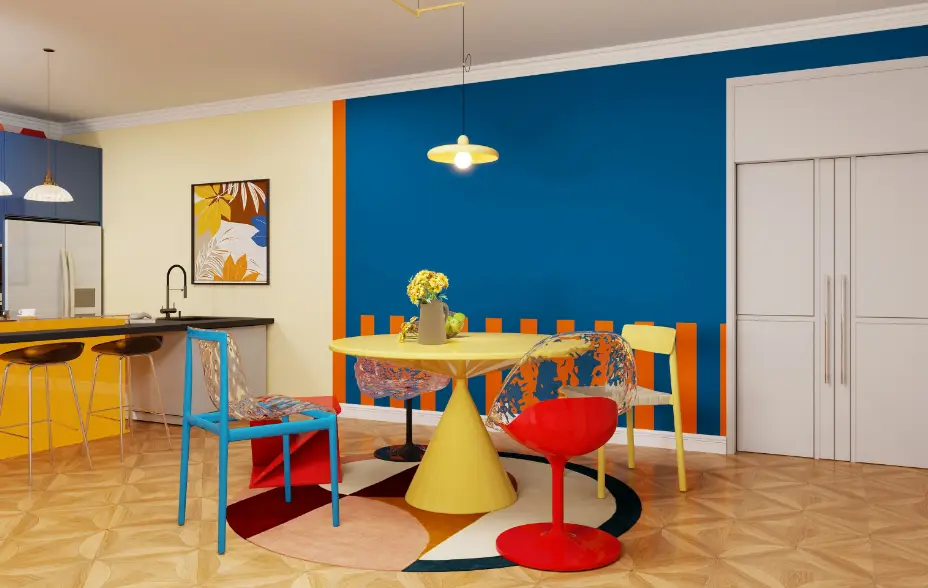
In color psychology, warm tones are believed to stimulate the appetite and foster a welcoming atmosphere; consequently, John’s design team eliminated all cool tones, aiming to ensure that the family dines with a positive mindset every time.
6.Wall Decoration

The dining area serves as a vital hub for family interaction. Here, the design team has incorporated playful decorative elements to foster a more relaxed atmosphere for conversation and lingering, thereby infusing the space with a profound sense of warmth and togetherness.
7.Sofa-style Seating
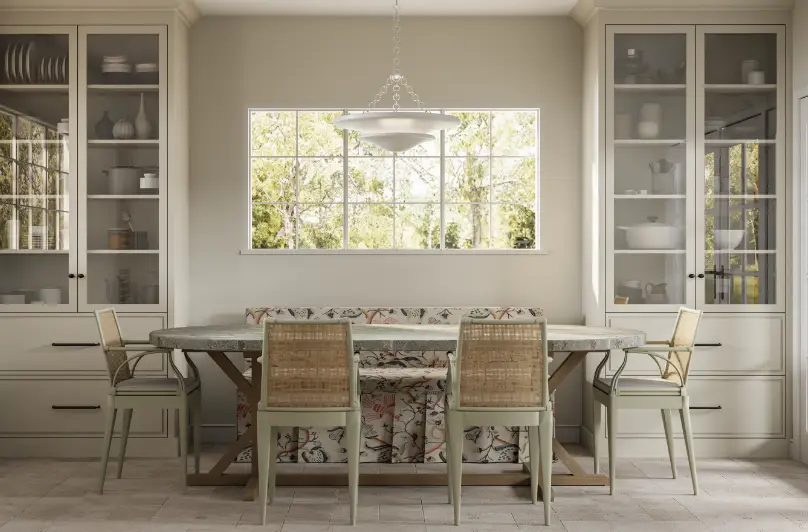
The designer of this dining room is Tan Tung, who stated: “I didn’t want the restaurant to be merely a place for eating.” This led to the design choice of replacing standard chairs with sofas—a space where you can read, chat, or take a brief rest.
8.Near the Window
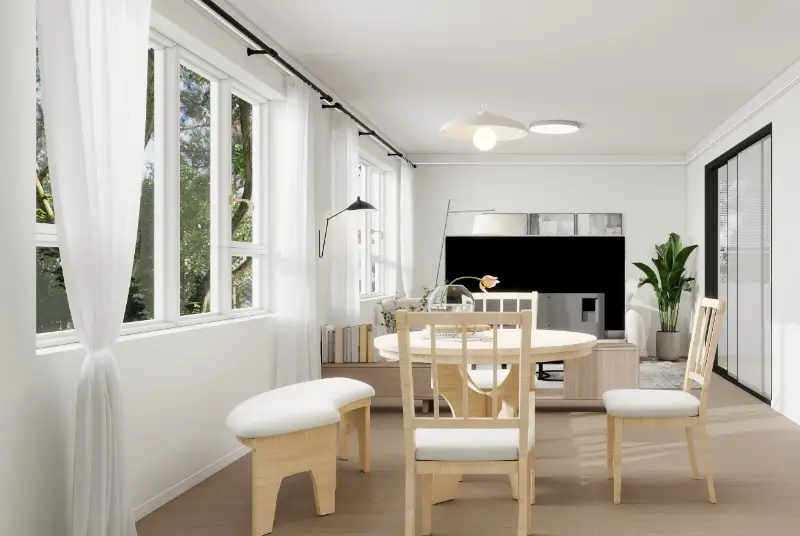
Moving your dining area closer to the window is much like your preference for a window seat when traveling—it allows you to take in the entire view outside while you dine.
9.Island Dining Area
 https://www.eclife.com/interior-design-styles/minimalist-style~s1/formal-home
If space is limited, consider using a kitchen island as your dining area. Designer Emma Smith utilized a compact “mini-island” that serves a triple purpose: functioning as a dining table, a food prep station, and a bar.
10.Table Runner
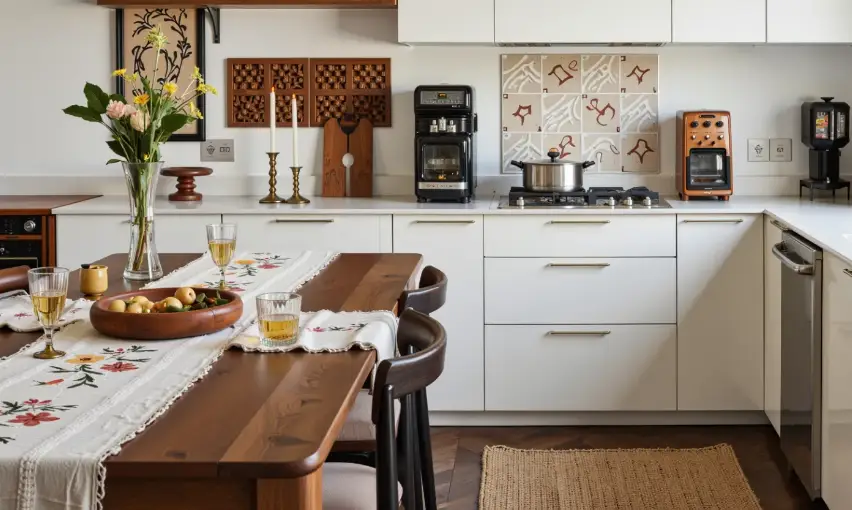
If your dining room feels monotonous, there is no simpler solution than swapping out your table runner. By regularly rotating table runners with different patterns and materials, you can effortlessly transform the style of your dining space, keeping your dining room looking fresh and new day after day.
11.Acrylic Dining Table

Transparency is a design approach that allows objects to “exist without appearing to exist.” Here, designer John Smith employs a black acrylic dining table to imbue the formerly drab dining room with a sense of lightness.
12.New Chinese Style

In the New Chinese-style residence designed by the Smith team, the dining room serves as a sanctuary for quiet contemplation. “Here,” he noted, “amidst an atmosphere of pure simplicity, you can experience the true essence of the ingredients and savor the rhythm of a slower-paced life.”
13.Natural Wood Style
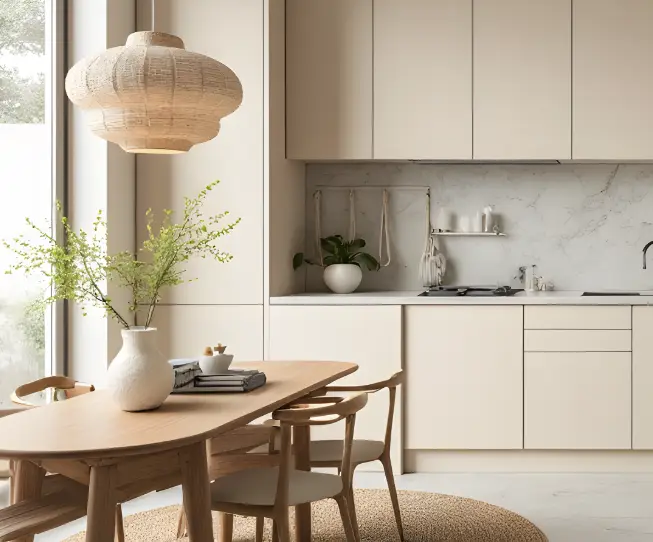
“A restaurant should be a warm place,” says the designer. “We have stripped away all traces of coldness and industrial austerity.” Here, you can experience the authentic essence of life conveyed through the natural textures of wood.
Conclusion
The essence of a family dining space lies in striking a balance between functionality and emotion. You can refer to EClife for a variety of dining room design inspirations and case studies.
By leveraging natural light and window-side layouts to enhance spatial comfort, the setting becomes more conducive to relaxed dining; meanwhile, design elements such as kitchen islands and natural wood aesthetics reinforce an atmosphere of openness and warmth, transforming the dining area into the central hub for family interaction.
In terms of expression, the interplay of materials, colors, and lighting collectively shapes the spatial mood, while carefully selected details—such as pendant lights, chairs, or a feature wall—serve to accentuate the room’s unique personality and create memorable focal points. Ultimately, a well-designed dining space is far more than merely a place to eat; it is a living space that bridges the gap between daily routine and emotional connection.