

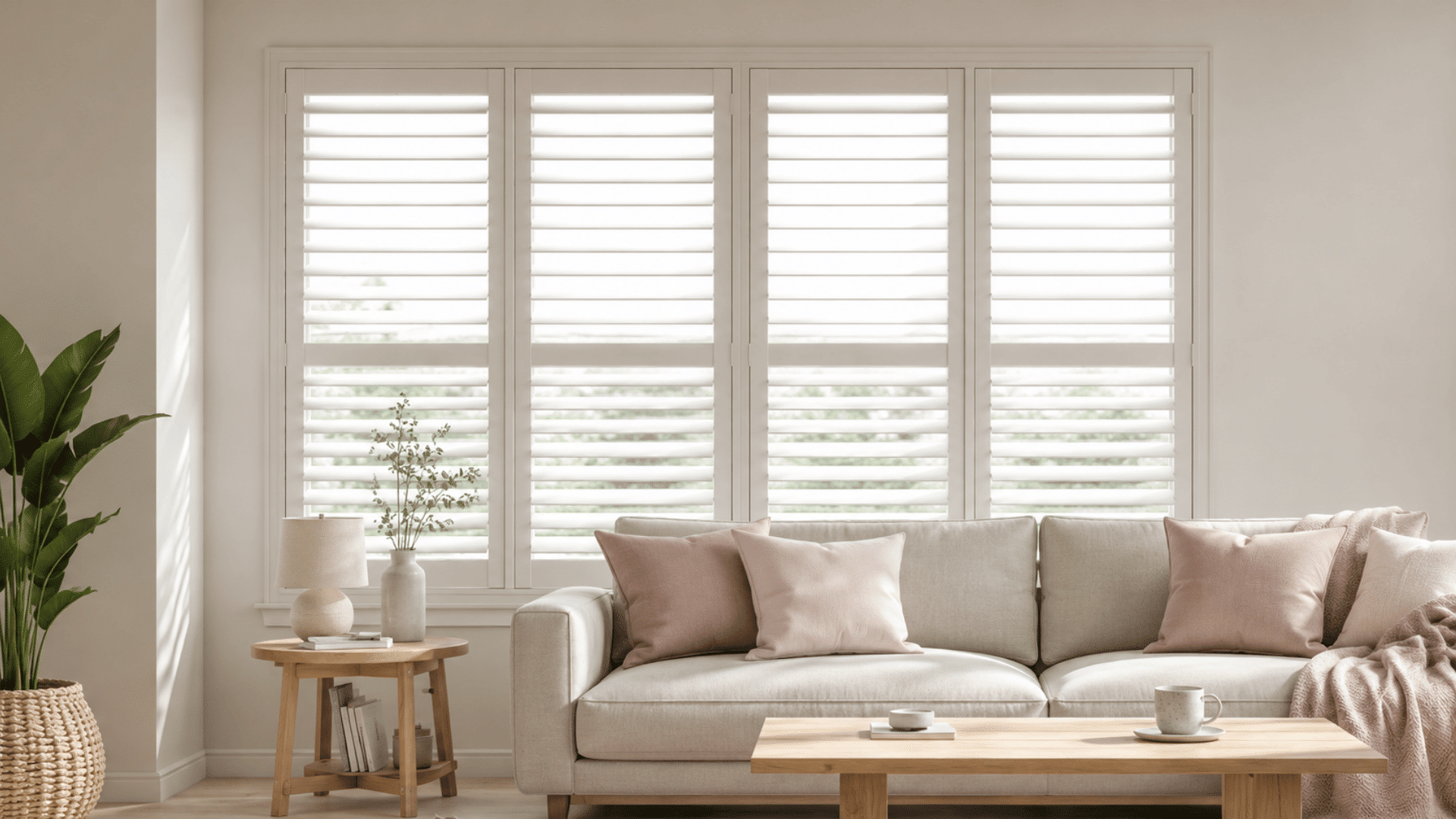
Choosing the right window shutters can make a big difference in how your home looks and functions. From improving privacy to controlling light and increasing security, shutters offer benefits that go beyond decoration.
However, with so many styles available, it can be difficult to know which option is right for your space.
In this guide, you’ll see seven popular types of shutters and explain their designs, styles, and features in simple terms.
Also, you’ll learn the differences between interior and exterior shutters, what each type is best suited for, and the advantages they offer.
If you’re updating one room or your home’s exterior, this guide will help you compare options and choose the right shutters for your style, needs, and budget.
What Are Window Shutters and Why Are They Popular?
Window shutters are solid window coverings with panels, frames, or slats that help control light, privacy, airflow, and protection.
They are popular because they add both function and style to interior and exterior windows. Unlike basic curtains or blinds, shutters feel more permanent and can suit many home designs.
Interior shutters can make a room look clean and finished while helping you manage sunlight and privacy.
Exterior shutters can boost the look and, in some cases, add protection from harsh weather.
Many homeowners also like shutters because they are durable, easy to clean, and available in materials such as wood, vinyl, composite, and aluminum.
This makes them a practical choice for different climates, budgets, and design needs.
How Do Window Shutters Work?
Window shutters use panels or adjustable slats to control light, privacy, airflow, and protection around a window.
- Light Control: Adjustable louvers let you increase, reduce, or block sunlight throughout the day without moving the entire shutter.
- Privacy Management: Shutters limit outside visibility while still allowing natural light to enter, depending on the louver position.
- Airflow Regulation: Open slats promote fresh-air circulation through windows, helping to maintain a comfortable indoor environment naturally.
- Temperature Insulation: Shutters create an additional barrier at windows, reducing heat gain in summer and heat loss in winter.
- Weather Protection: Exterior shutters help protect windows from strong winds, rain, debris, and other harsh weather conditions.
Popular Types of Shutters for Every Home
Window shutters come in a variety of styles, each offering unique features, benefits, and design appeal for different homes and needs.
1. Plantation Shutters
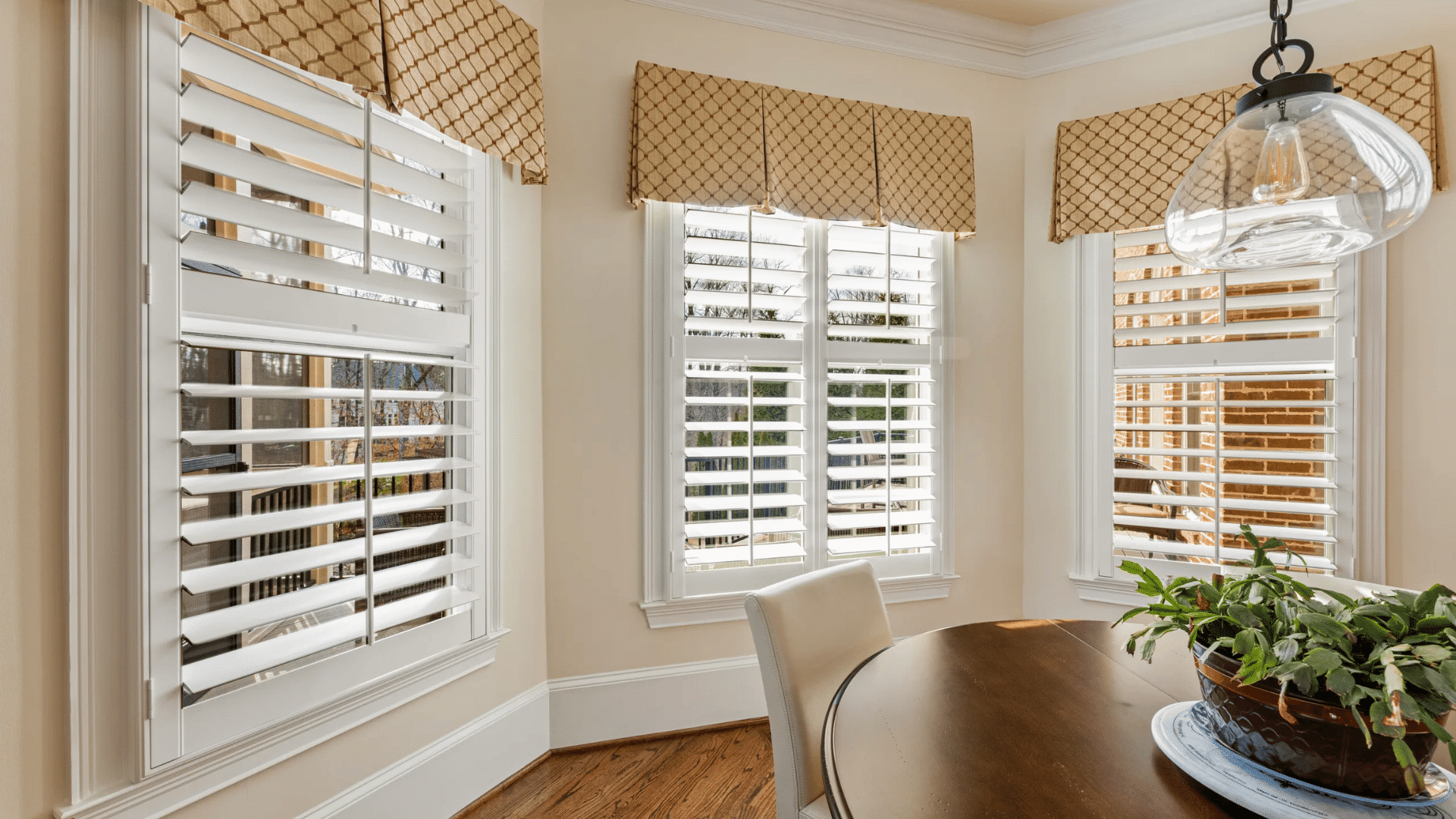
Plantation shutters are a popular window treatment known for their wide horizontal louvers and classic design.
They offer an attractive balance of style and function, helping homeowners control natural light, improve privacy, and enhance airflow.
Their versatile appearance works well with both traditional and modern interiors, making them a common choice in many homes.
- Material & Build: Made from wood, composite, or vinyl with wide adjustable slats and a sturdy frame.
- Functionality: Wide louvers allow better light control, ventilation, and privacy throughout the day.
- Maintenance: Simple to clean with regular dusting; composite and vinyl options resist moisture well.
- Best For: Living rooms, bedrooms, dining rooms, and home offices.
2. Louvered Shutters
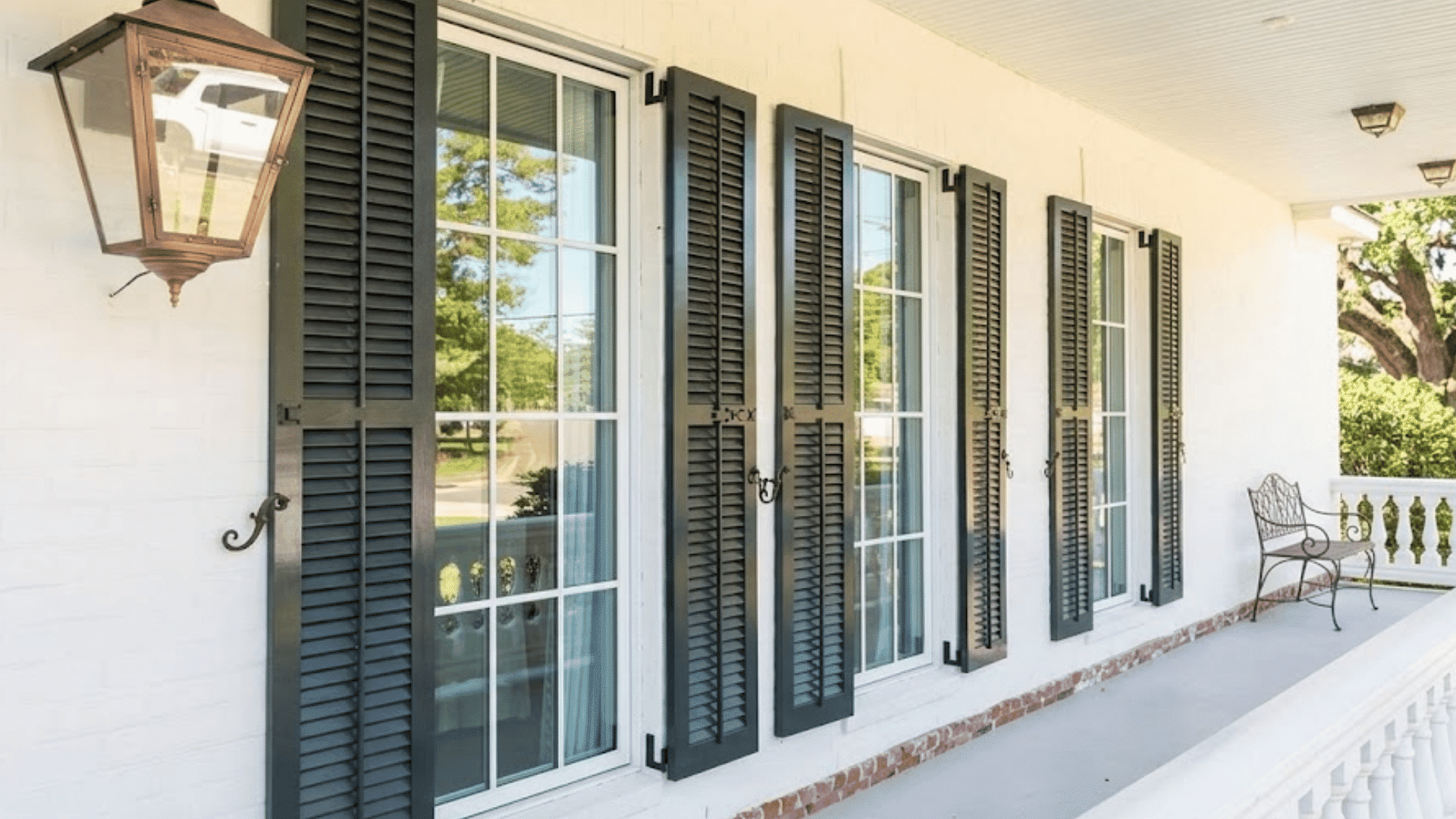
Louvered shutters are known for their horizontal slats, which create a balance between ventilation, privacy, and style.
Available in both fixed and adjustable designs, they remain a popular choice for homeowners seeking a classic look that works well on both interior and exterior windows.
Their versatile design complements a wide range of architectural styles, from traditional to modern homes.
- Material & Build: Commonly made from wood, vinyl, composite, or aluminum materials.
- Functionality: Allows airflow while helping manage sunlight and outside visibility.
- Maintenance: Requires occasional dusting and cleaning between individual slats.
- Best For: Coastal, traditional, colonial, and contemporary home designs.
3. Raised Panel Shutters
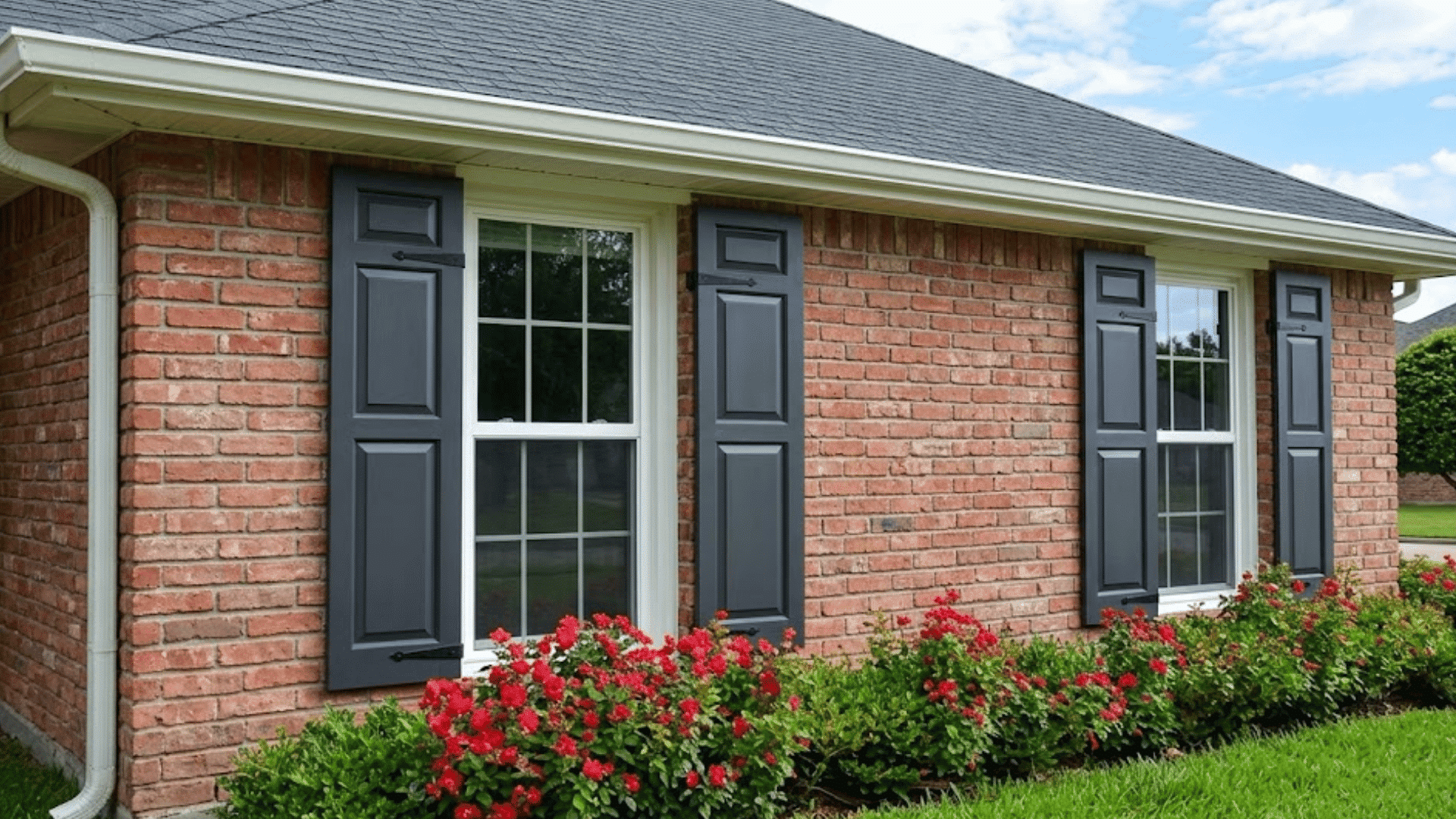
Raised-panel shutters feature solid, recessed panels that add depth and architectural character to a home’s exterior.
Their classy appearance has made them a classic choice for traditional properties, where they serve as decorative accents while complementing formal architectural styles.
I first came across this shutter style while reading a home design magazine, and its classic look immediately stood out.
- Material & Build: Typically constructed from wood, vinyl, or composite materials.
- Functionality: Primarily enhances the look.
- Maintenance: Benefits from periodic cleaning and occasional refinishing if needed.
- Best For: Colonial, Georgian, Federal, and other traditional-style homes.
4. Board and Batten Shutters
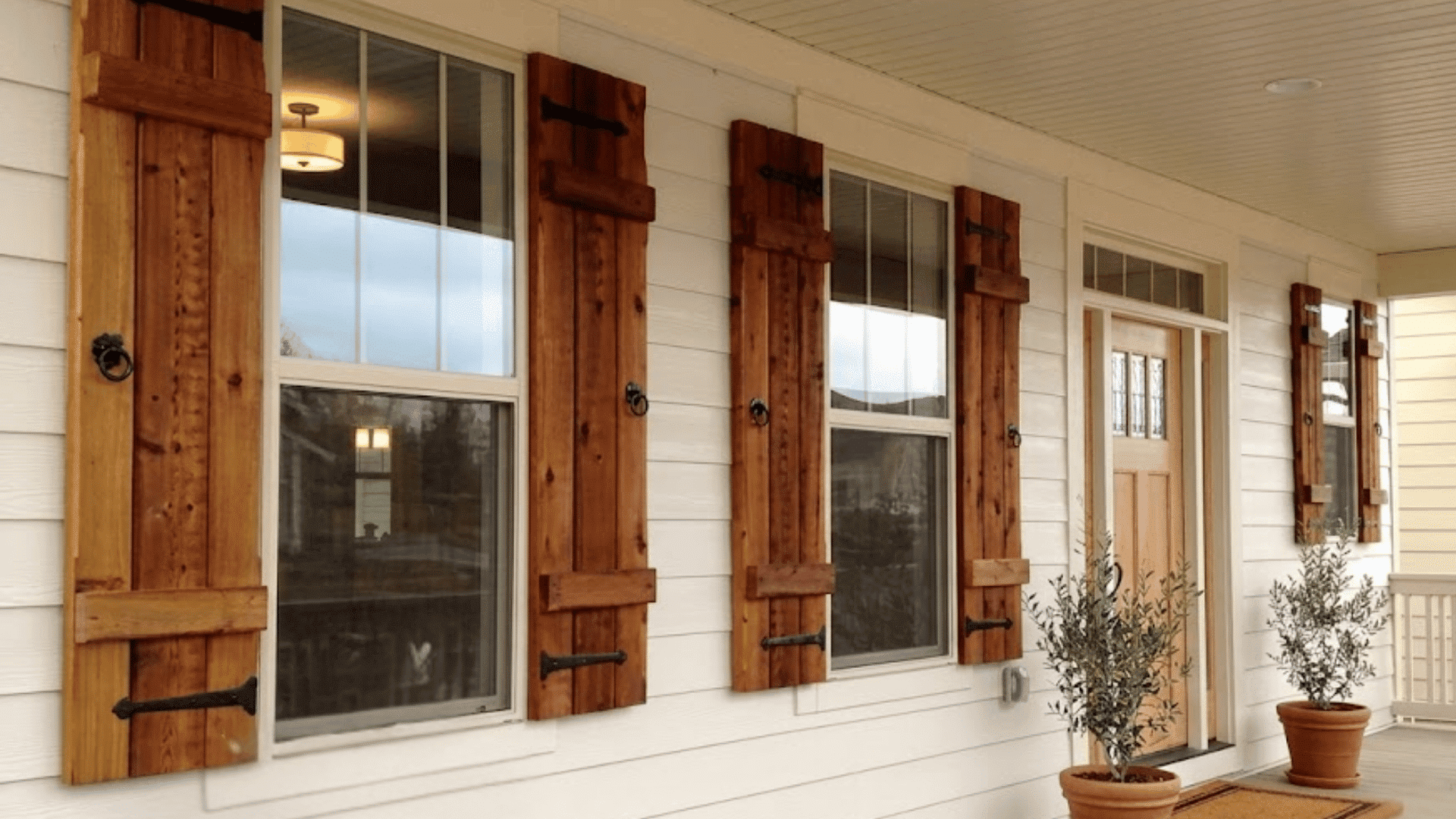
Board-and-batten shutters consist of vertical boards secured by horizontal battens, creating a simple yet distinctive appearance.
Their rustic beauty has made them especially popular for farmhouse-inspired homes, cottages, and properties that embrace a more relaxed architectural style.
They can also add texture and visual interest to an otherwise plain exterior.
- Material & Build: Wood, composite, or vinyl.
- Functionality: Decorative exterior feature.
- Maintenance: Wood may require sealing or repainting.
- Best For: Farmhouse, cottage, and barn-style homes
5. Bahama Shutters

Bahama shutters are top-hinged shutters that extend outward from windows at an angle. Their angled design helps reduce direct sunlight while still allowing fresh air to circulate.
Originally designed for tropical climates, they provide shade, privacy, and storm protection while adding a coastal look to homes.
Many homeowners also choose them for their ability to combine practical weather protection with eye-catching appearance.
- Material & Build: Usually crafted from aluminum or weather-resistant wood materials.
- Functionality: Reduces heat, improves airflow, and offers storm protection.
- Maintenance: Requires occasional cleaning and hardware inspections to ensure longevity.
- Best For: Coastal, Caribbean, Mediterranean, and tropical-style homes.
6. Aluminum Shutters
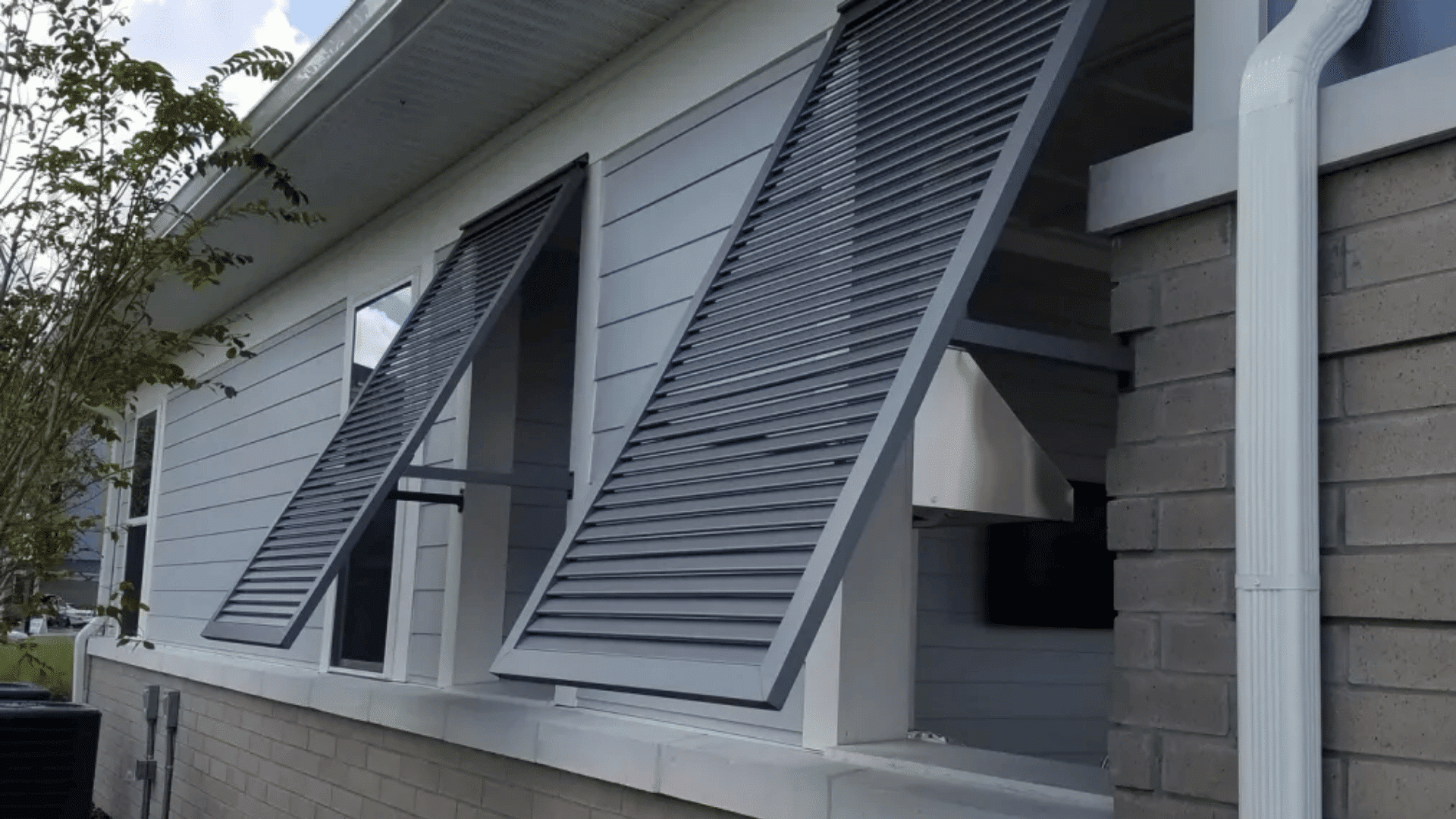
Aluminum shutters are valued for their exceptional durability and resistance to harsh weather conditions.
Unlike some traditional materials, they resist moisture, corrosion, and pests, making them a practical long-term solution for homeowners seeking low-maintenance exterior shutters.
They also maintain their appearance well over time, even in challenging outdoor environments.
- Material & Build: Made from lightweight, corrosion-resistant aluminum.
- Functionality: Provides security, durability, and weather-resistant performance.
- Maintenance: Requires minimal upkeep beyond routine cleaning and inspections.
- Best For: Coastal properties, modern homes, and hurricane-prone regions.
7. Cafe Style Shutters
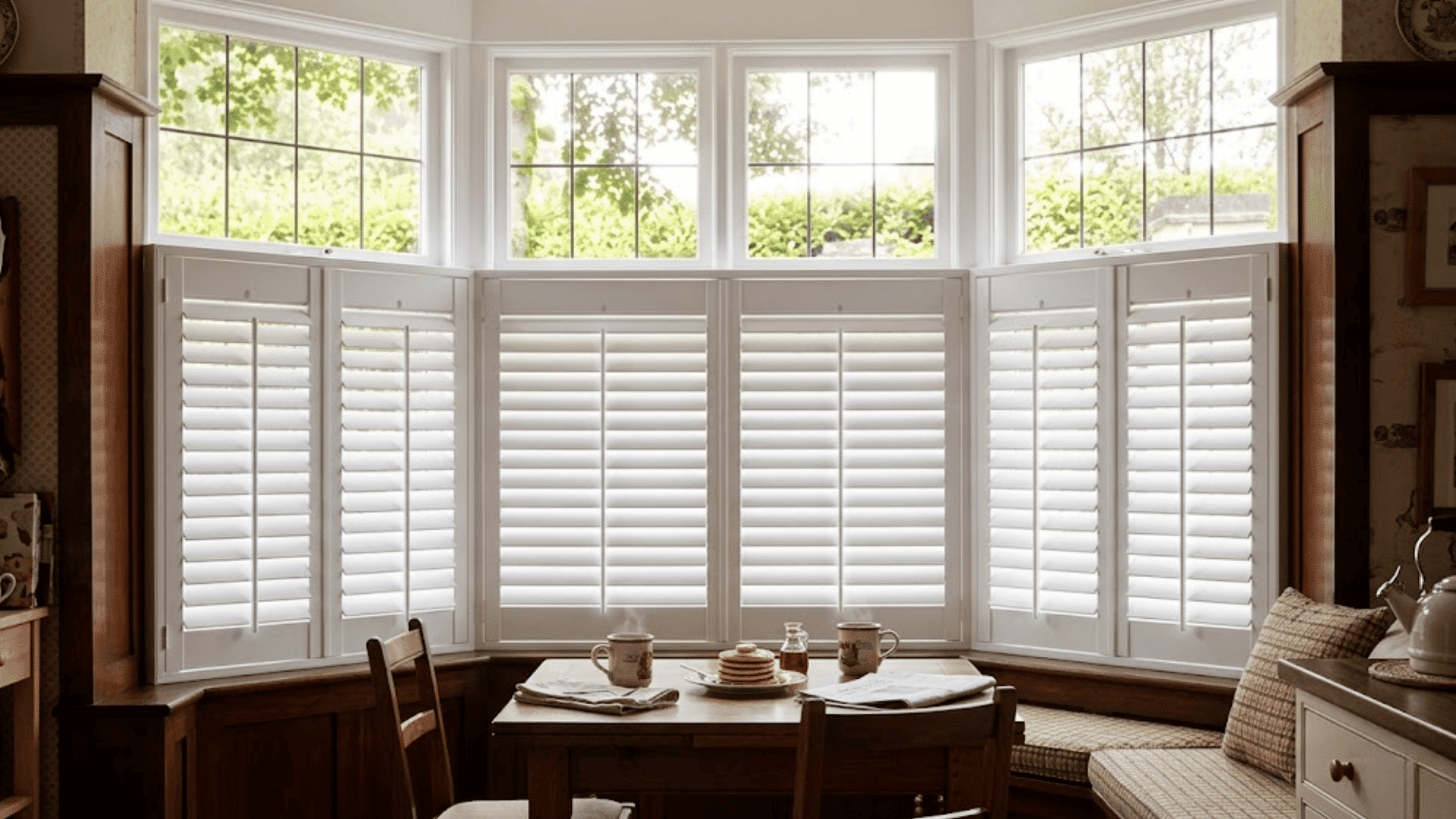
Cafe-style shutters cover only the lower portion of a window, leaving the upper section open to natural light.
This unique design provides privacy where needed while maintaining a bright and welcoming atmosphere inside the home.
I added them around my breakfast nook window, and they helped create a cozy feel without blocking the morning sunlight.
- Material & Build: Commonly produced from wood or composite shutter materials.
- Functionality: Balances privacy needs with natural daylight exposure.
- Maintenance: Easy to clean with occasional dusting and wiping.
- Best For: Kitchens, dining rooms, cafes, and street-facing windows.
8. Tier-on-Tier Shutters
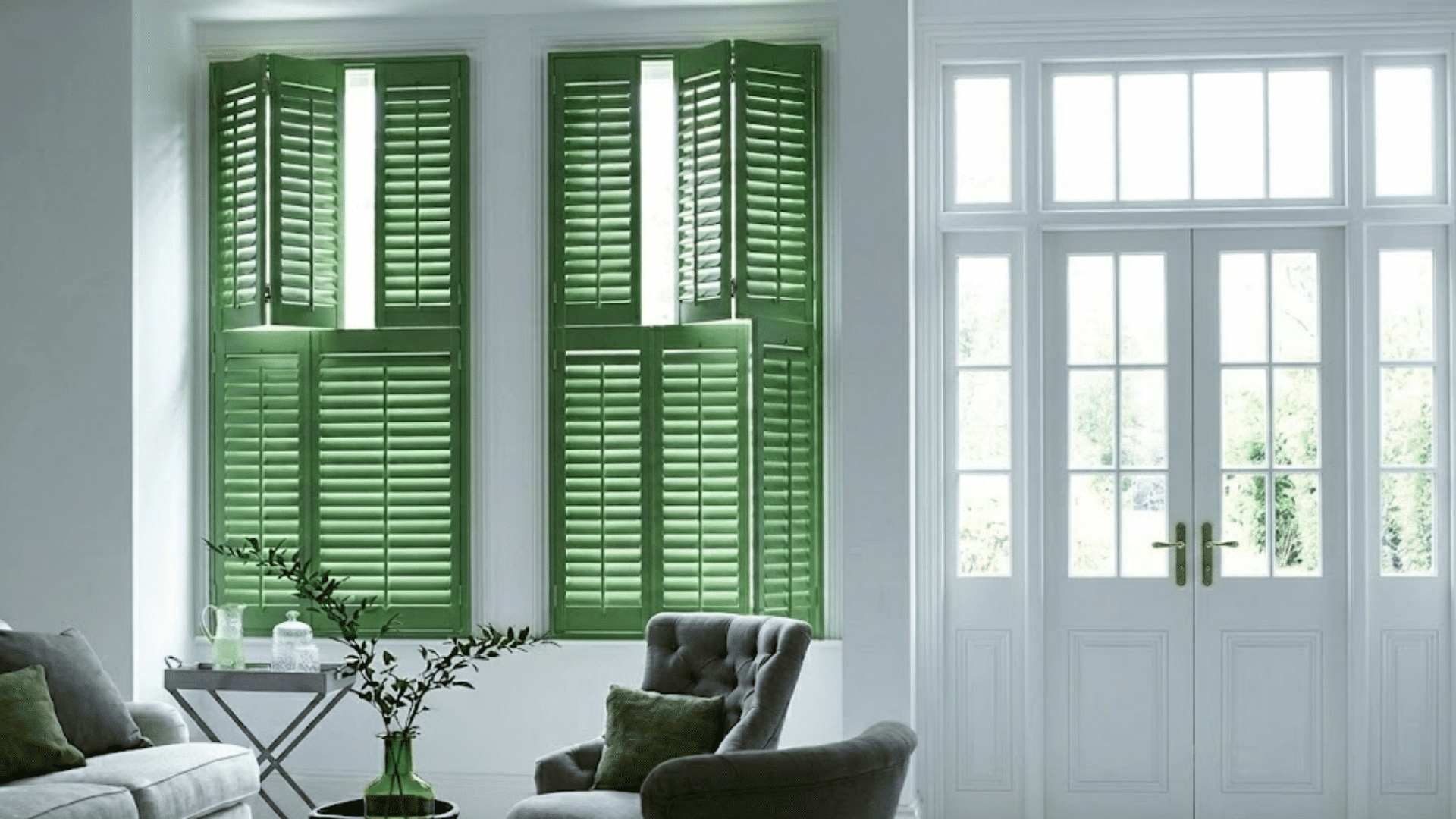
Tier-on-tier shutters feature separate top and bottom panels that can be opened and adjusted independently. This flexible design allows homeowners to control light and privacy in different parts of the window at the same time.
For example, the top panels can remain open to let in daylight while the lower panels stay closed for privacy.
Their classy appearance makes them a popular choice for both traditional and period-style homes.
- Material & Build: Available in wood, composite, and moisture-resistant materials with independently operated upper and lower panels.
- Functionality: Offers maximum flexibility for managing privacy, airflow, and natural light.
- Maintenance: Easy to maintain with regular dusting and occasional cleaning.
- Best For: Tall windows, bay windows, living rooms, bedrooms, and traditional homes.
9. Full-Height Shutters
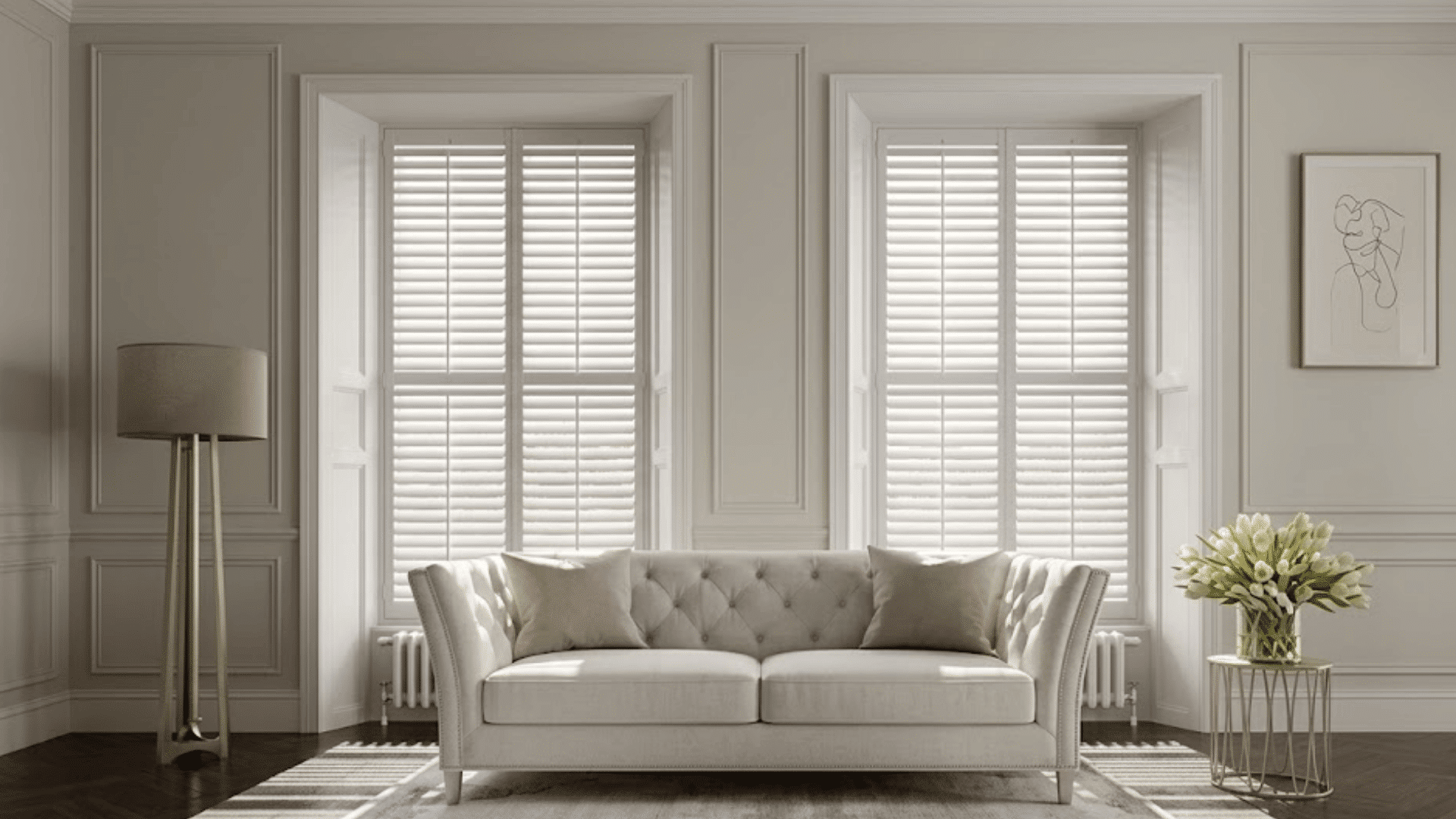
Full-height shutters cover the entire window from top to bottom, creating a clean and streamlined appearance. They are one of the most popular shutter styles because they provide excellent privacy, light control, and insulation.
Many designs include a divider rail that allows the upper and lower louvers to be adjusted separately for added flexibility.
Their simple and versatile look complements both modern and classic interiors.
- Material & Build: Made from wood, composite, vinyl, or PVC with full-window coverage.
- Functionality: Provides complete privacy, effective light control, and improved efficiency.
- Maintenance: Requires minimal upkeep with occasional dusting and wiping.
- Best For: Bedrooms, living rooms, offices, large windows, and contemporary or traditional homes.
How to Choose the Right Types of Shutters for Your Home?
The best shutter choice depends on your home’s style, functional needs, room conditions, and maintenance preferences.
| Factors to Consider | What to Choose |
| Home Style | Plantation shutters suit most homes, while board-and-batten works well for farmhouse and rustic designs. |
| Privacy Needs | Choose shutters with adjustable louvers for better privacy control. |
| Light Control | Plantation and louvered shutters offer flexible sunlight management. |
| Room Humidity | Vinyl, PVC, or composite shutters are best for bathrooms, kitchens, and laundry rooms. |
| Weather Exposure | Aluminum or composite shutters handle harsh outdoor conditions effectively. |
| Maintenance Level | Vinyl and composite shutters require less upkeep than natural wood. |
| Window Size & Shape | Custom shutters provide the best fit for large, arched, or uniquely shaped windows. |
| Budget | Vinyl and MDF are generally more affordable, while wood and aluminum are more expensive. |
| Energy Efficiency | Solid-construction interior shutters can help improve insulation. |
Which Material Works Best in High-Humidity Rooms?
Vinyl, PVC, and composite shutters work best in high-humidity rooms because they resist moisture, warping, mold growth, and swelling.
For bathrooms, kitchens, laundry rooms, and other damp spaces, moisture-resistant materials generally outperform traditional wood shutters.
High humidity can cause natural wood to absorb moisture over time, leading to expansion, cracking, or warping.
In contrast, vinyl and PVC shutters are waterproof and easy to clean, making them a practical choice for areas exposed to steam and moisture.
Composite shutters also perform well because they combine the appearance of wood with enhanced resistance to humidity and everyday wear.
For homeowners seeking long-lasting shutters with minimal maintenance, vinyl, PVC, and high-quality composite materials are often the most reliable options for humid rooms.
Common Shutter Materials and Their Features
Common shutter materials vary in durability, appearance, and maintenance needs. Understanding their features helps in selecting the most suitable option for different spaces and requirements.
- Wood Shutters: Crafted from natural timber, these shutters offer timeless beauty, excellent insulation, and customizable finishes for traditional interiors.
- Vinyl Shutters: Made from durable synthetic material, vinyl shutters resist moisture, require minimal maintenance, and suit humid environments well.
- Composite Shutters: Combining wood fibers and synthetic materials, composite shutters provide durability, moisture resistance, and a wood-like appearance.
- Aluminum Shutters: Lightweight yet strong, aluminum shutters offer excellent security, weather resistance, and long-lasting performance for outdoor applications.
- PVC Shutters: Built from polyvinyl chloride, these shutters are waterproof, affordable, easy to clean, and suitable for moisture-prone areas.
- Steel Shutters: Known for superior strength and security, steel shutters withstand harsh conditions and are commonly used in commercial settings.
- Polyresin Shutters: Engineered from advanced synthetic resin, these shutters resist warping, cracking, and moisture while maintaining an attractive finish.
Interior vs. Exterior Shutters
Interior and exterior shutters serve different purposes, from enhancing indoor privacy to improving outdoor protection and curb appeal.
| Feature | Interior Shutters | Exterior Shutters |
| Location | Installed inside windows | Mounted on the outside of windows |
| Main Purpose | Privacy, light control, insulation | Protection, security, curb appeal |
| Common Materials | Wood, composite, vinyl | Aluminum, wood, steel, PVC |
| Weather Exposure | Protected from outdoor elements | Designed to withstand weather conditions |
| Maintenance Needs | Generally lower maintenance | May require more frequent upkeep |
| Style Impact | Enhances interior decor | Improves exterior appearance and value |
Which Material Lasts the Longest?
Aluminum shutters generally last the longest, often exceeding 30 years with proper maintenance. Their resistance to rust, moisture, and weather damage makes them highly durable.
Aluminum shutters are popular because they handle harsh weather without warping, cracking, or fading.
Unlike wood, which may be susceptible to moisture and pests, or vinyl, which can become brittle over time, aluminum maintains its structural integrity for decades.
Powder-coated aluminum shutters offer extra protection against sun damage and corrosion, helping them last even longer.
While steel shutters are also highly durable, they require regular maintenance to prevent rust.
For homeowners seeking a long-term, low-maintenance solution, aluminum shutters offer the best combination of durability, performance, and value.
Shutter Maintenance Tips for Long-Term Performance
Regular maintenance helps shutters retain their appearance, functionality, and durability over the years.
- Clean Shutters Regularly: Remove dust, dirt, and debris frequently using a soft cloth or mild cleaner to prevent surface buildup.
- Inspect for Damage: Check for cracks, dents, loose components, or wear periodically to identify issues before they become costly.
- Lubricate Moving Parts: Apply a suitable lubricant to hinges, tracks, and operating mechanisms regularly to ensure smooth movement and reduce friction.
- Protect Against Moisture: Wipe away excess moisture promptly and ensure proper ventilation to minimize water-related damage and deterioration.
- Repaint or Refinish When Needed: Refresh protective coatings periodically to guard against weather exposure, fading, and material degradation.
- Tighten Loose Hardware: Secure screws, brackets, and fasteners regularly to maintain stability and prevent operational problems.
- Avoid Harsh Cleaning Products: Use non-abrasive cleaning solutions to preserve finishes and effectively prevent scratching, discoloration, or material damage.
- Schedule Professional Inspections: Arrange occasional professional assessments to detect hidden issues and ensure shutters continue performing at their best.
Common Mistakes to Avoid when Buying Shutters
A few common buying mistakes can affect the appearance, durability, and overall value of your shutters.
| Mistake | Why to Avoid It |
| Choosing Based Only on Price | Lower-cost shutters may compromise quality, durability, and long-term performance. |
| Ignoring Material Suitability | Different materials perform better in specific climates and environments. |
| Taking Incorrect Measurements | Poor measurements can result in fitting and installation problems. |
| Overlooking Maintenance Requirements | Some shutter materials require more care and upkeep than others. |
| Prioritizing Style Over Function | Attractive shutters should also meet practical and performance needs. |
| Skipping Warranty and Quality Checks | Warranty coverage and product quality indicate long-term reliability. |
Conclusion
Choosing the right shutter material is about more than just appearance. It affects durability, maintenance, energy efficiency, and long-term value.
You may like the classic look of wood, the moisture resistance of vinyl, or the strength of aluminum, but the best option is the one that fits your needs and lifestyle.
Taking time to compare options now can help you avoid costly replacements and maintenance issues later.
I hope this guide has made your decision easier and given you confidence in selecting the right shutters for your space.
Have you installed shutters before? Share your experience, tips, or questions in the comments below.
Frequently Asked Questions
What Is the Newest Trend in Window Coverings?
Smart shades, motorized blinds, natural woven materials, and layered window treatments are among the newest and most popular window covering trends.
What Window Treatments Are Outdated?
Heavy swags, ornate valances, vertical blinds in living spaces, and overly decorative layered treatments are generally considered outdated.
What Window Treatments Never Go Out of Style?
Plantation shutters, Roman shades, woven wood shades, and neutral linen curtains remain choices that complement a range of interior design styles.