

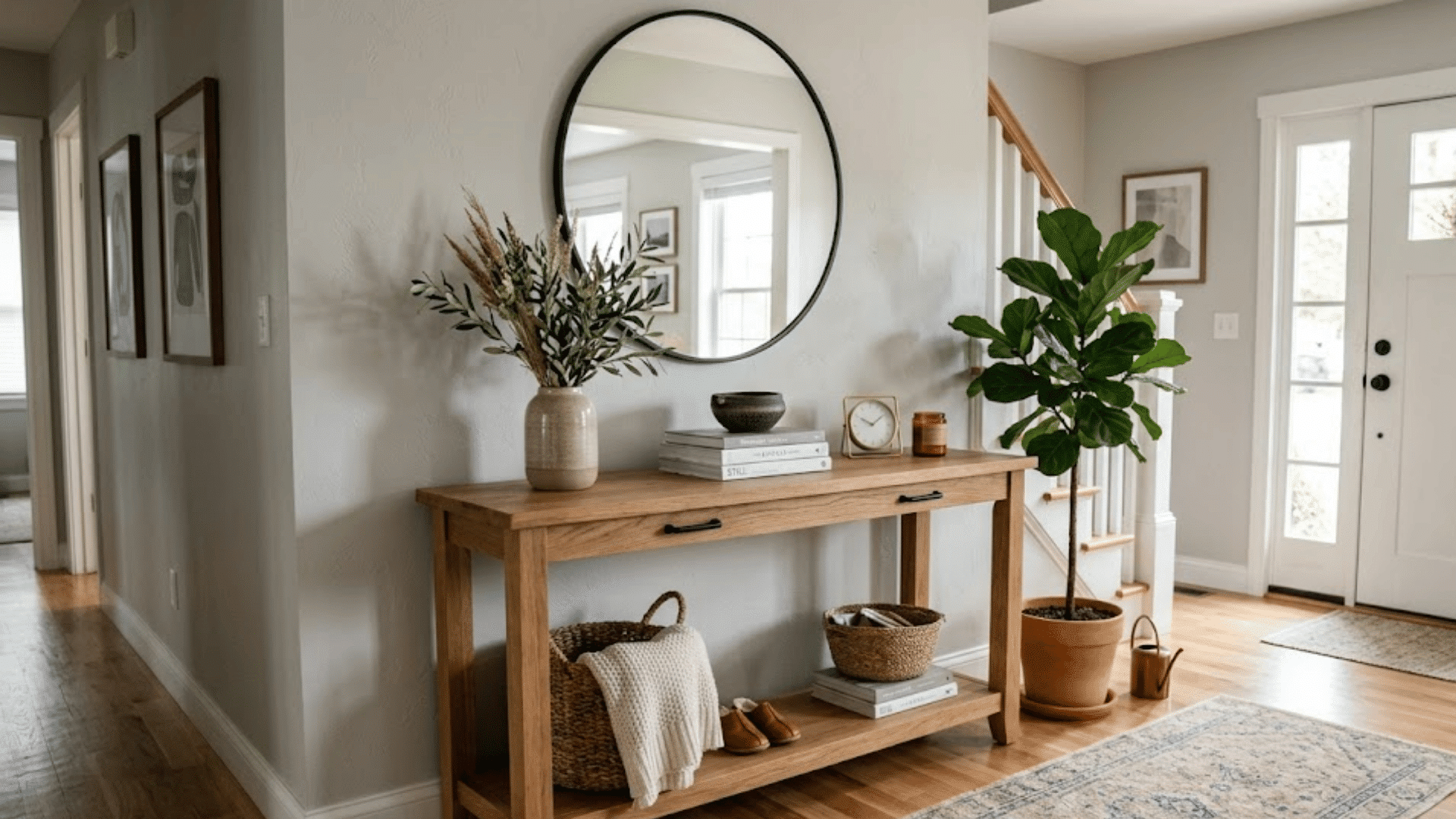
Have you ever walked into a home and noticed a narrow table placed against a wall or behind a sofa?
Many people see this piece of furniture often but are not quite sure what it is called or how to use it. If you have been wondering what a console table is, you are not alone.
I find console tables to be versatile furniture pieces that add style, storage, and function without taking up much space.
In this article, you’ll learn what a console table is, its main features, where it works best, and how to choose the right one for your space.
By the end, you will have a clear understanding of why this simple piece of furniture is so popular.
What Is a Console Table?
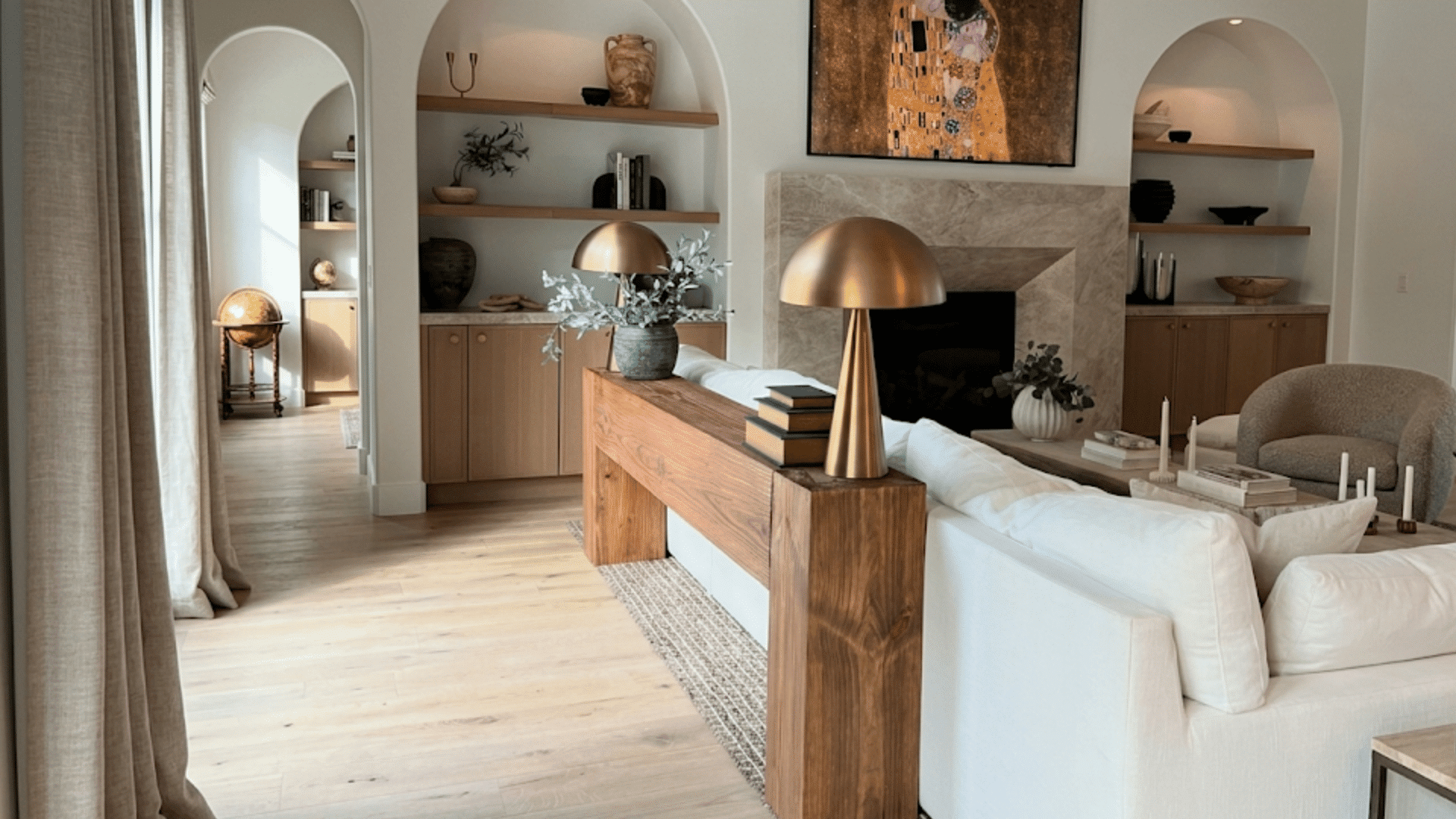
A console table is a long, narrow table placed against a wall or behind a sofa for decoration, storage, and the display of everyday items.
Console tables have a slim shape, making them great for hallways, entryways, living rooms, and small spaces.
They come in many styles, materials, and sizes, from modern metal designs to traditional wooden pieces.
People often use console tables to hold lamps, framed photos, plants, books, or decorative accents. Some models also include drawers, shelves, or cabinets for extra storage.
Because they combine style and function, console tables help make a room look more organized while adding visual interest.
Their versatility is one reason they remain a popular choice in home design.
Key Characteristics of a Console Table
Console tables share several features that make them practical and easy to fit into different areas of a home.
- Narrow Design: Built with a slim profile, allowing it to fit comfortably in hallways, entryways, and other compact spaces.
- Long Surface Area: Provides enough room for decorative items, lighting, and everyday essentials without occupying excessive floor space.
- Wall-Friendly Placement: Typically positioned against a wall or behind a sofa to maximize available room and maintain flow.
- Versatile Functionality: Can serve as a display area, storage solution, workspace, or organizational spot depending on household needs.
- Variety of Materials: Available in wood, metal, glass, stone, and mixed-material designs to match different interior styles.
- Optional Storage Features: Some models include drawers, shelves, or cabinets that help keep frequently used items organized.
- Decorative Appeal: Adds visual interest and balance to a room while complementing existing furniture and décor choices.
- Space-Saving Structure: Offers practical functionality without the larger footprint associated with dining, coffee, or work tables.
What Is the Purpose of a Console Table?
The purpose of a console table is to add function, storage, and style to narrow or unused spaces. It gives you a useful surface without taking up much room.
Most people use console tables in entryways, hallways, living rooms, dining rooms, or behind sofas.
In an entryway, it can hold keys, mail, and bags, or serve as a small tray for daily items. In a living room, it can display lamps, books, plants, or family photos.
Some console tables also come with drawers, shelves, or cabinets, which makes them helpful for extra storage.
Because of their slim shape, console tables work well where larger furniture may feel too bulky. They help organize essentials, decorate empty walls, and make a room feel more complete.
Types of Console Tables
Console tables come in several styles, each designed to suit different spaces, storage needs, and décor preferences.
- Traditional Console Table: Features classic details, rich wood finishes, and timeless designs.
- Modern Console Table: Showcases clean lines, simple shapes, and minimal decorative elements.
- Industrial Console Table: Combines metal and wood for a rugged, urban-inspired look.
- Storage Console Table: Includes drawers, shelves, or cabinets for added organization and functionality.
- Floating Console Table: Wall-mounted design that saves floor space and creates a sleek appearance.
- Mirrored Console Table: Features reflective surfaces that add brightness and visual depth to a room.
- Sofa Console Table: Designed to fit behind a sofa for display, storage, and everyday convenience.
- Entryway Console Table: Commonly placed near entrances to hold keys, bags, mail, and decorative accents.
Common Console Table Uses in the Home
Console tables fit many areas of the home thanks to their slim design, with placement depending on available space and intended use.
1. Entryway or Foyer
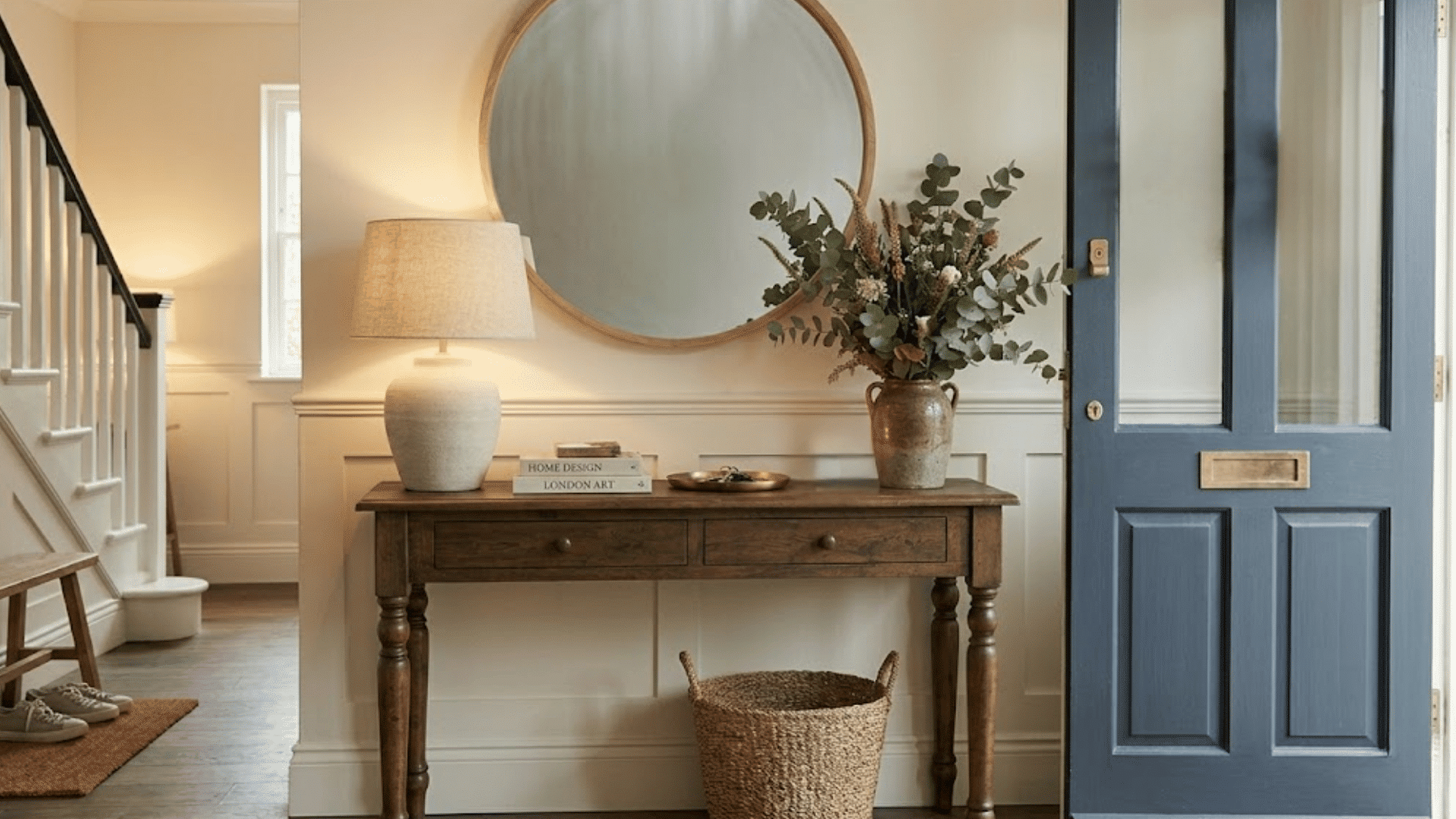
An entryway is one of the most common places for a console table. Its narrow profile fits neatly against a wall without blocking foot traffic.
Many homeowners use it to hold keys, mail, wallets, and decorative items.
A console table can also create a welcoming first impression when paired with a mirror, lamp, or artwork.
In smaller entryways, models with drawers or shelves provide useful storage while keeping everyday essentials organized and easy to access.
2. Behind a Sofa
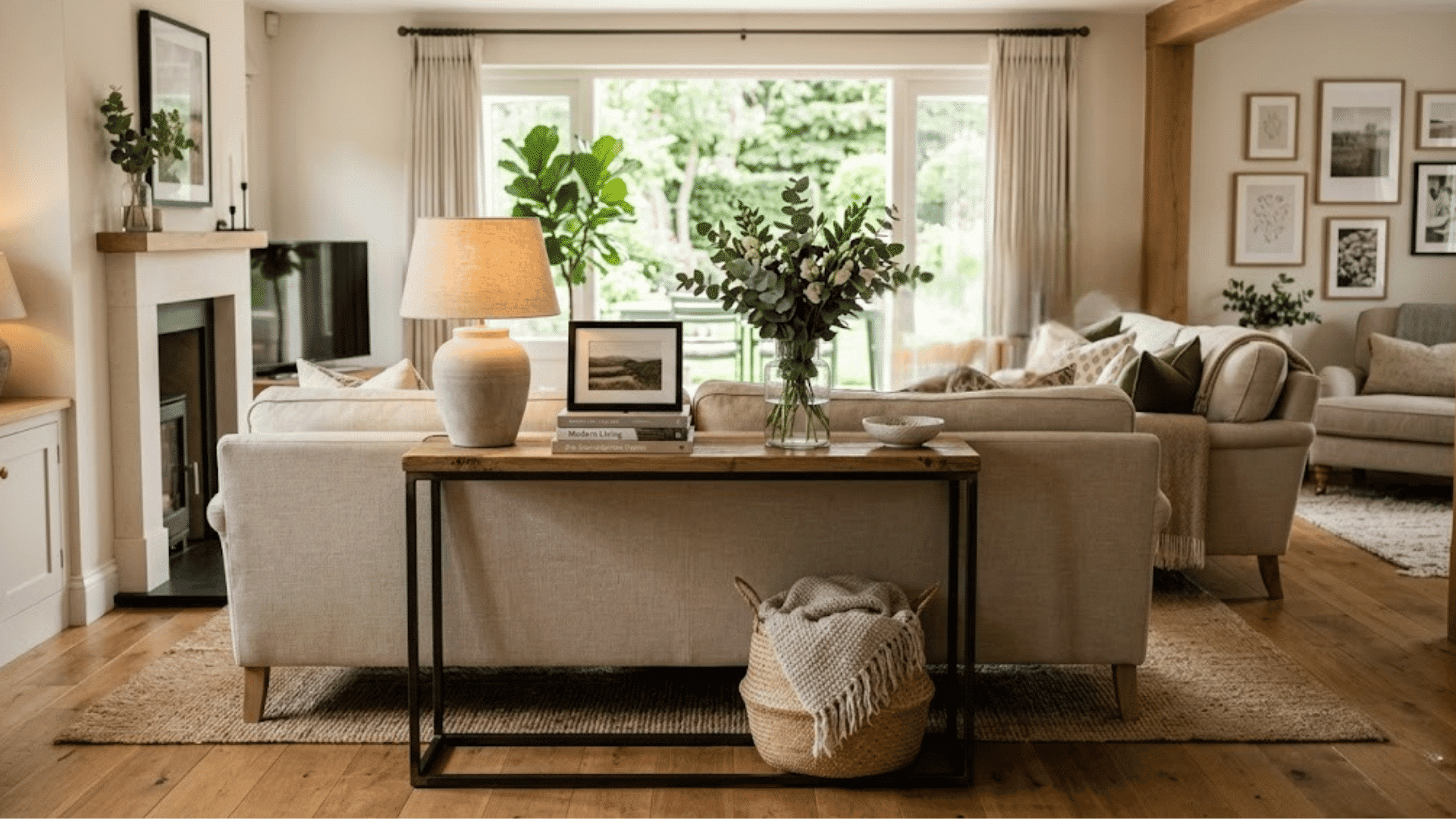
A console table placed behind a sofa helps make use of space that might otherwise remain empty.
It creates a convenient surface for lamps, books, drinks, or decorative accents while adding visual balance to the room.
In open-concept living spaces, a sofa console table can also help define separate zones.
Because it sits close to seating areas, it offers functionality without requiring additional furniture that could make the room feel crowded.
3. As a Dining Room Buffet or Serving Table
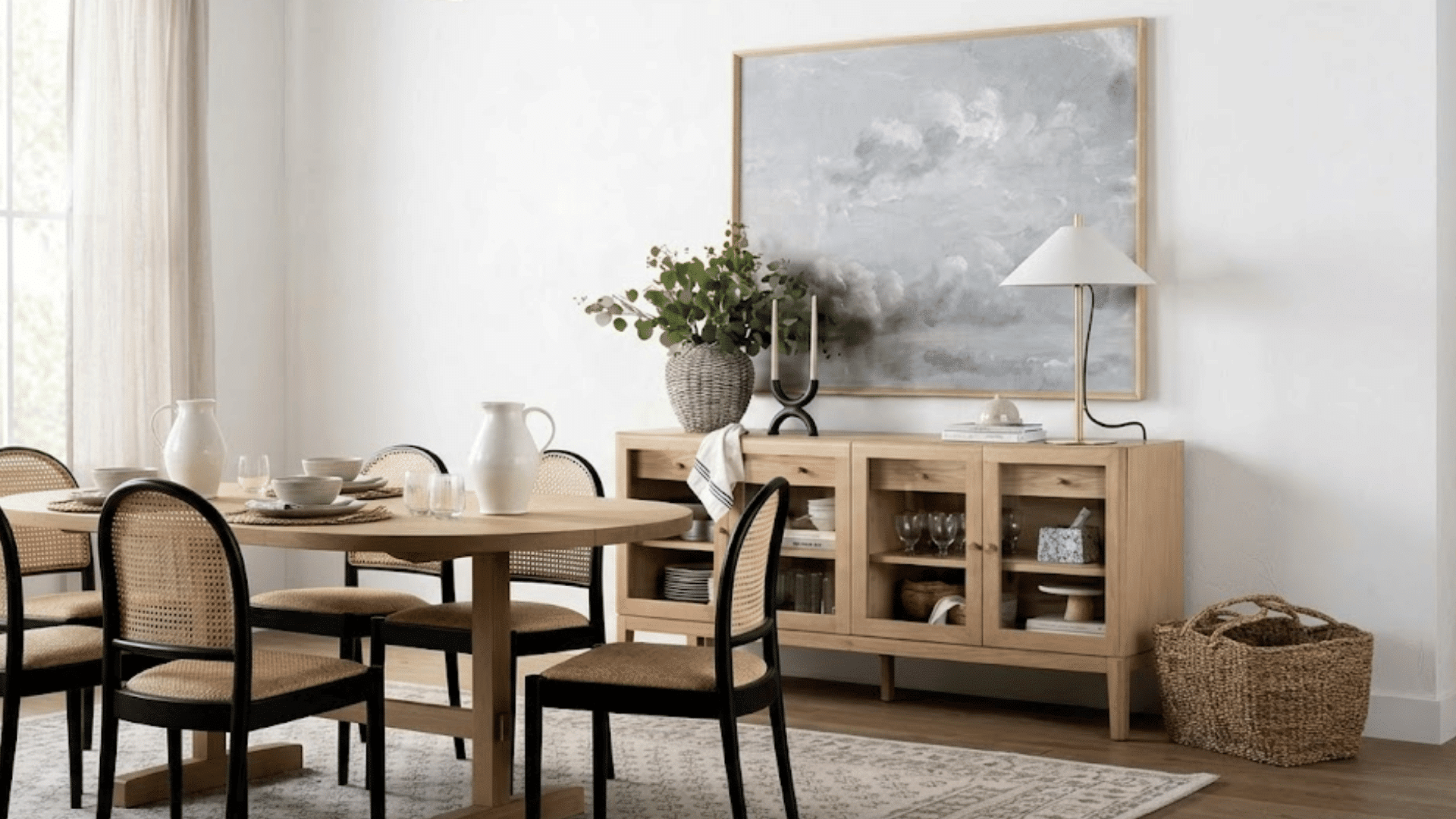
A console table can function as a serving station or display area in a dining room.
During meals or gatherings, it provides extra surface space for dishes, drinks, and serving accessories.
At other times, it can showcase decorative pieces, tableware, or family photos. Storage-equipped models are particularly useful for keeping placemats, napkins, and dining essentials nearby.
This added functionality makes console tables a practical addition to both formal and casual dining spaces.
4. In the Bedroom as a Vanity or Accent Piece
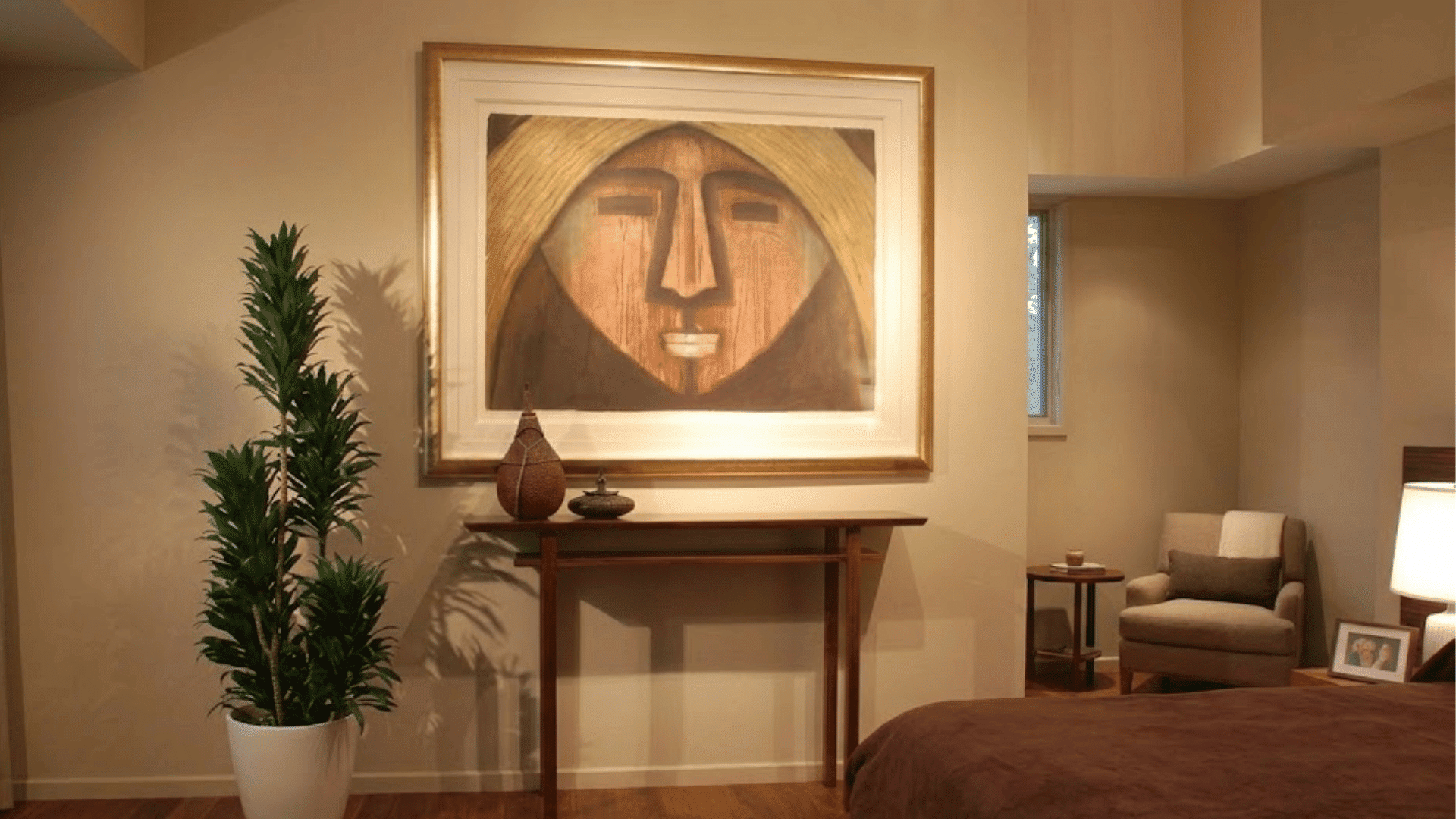
Bedrooms can also benefit from a console table, especially when floor space is limited. Some homeowners use one as a compact vanity, writing desk, or decorative display surface.
Others place it beneath a window or against an empty wall to hold lamps, books, or personal items.
A console table with drawers can provide additional storage without occupying the space of larger furniture pieces, making it a useful choice for smaller bedrooms.
5. Offices
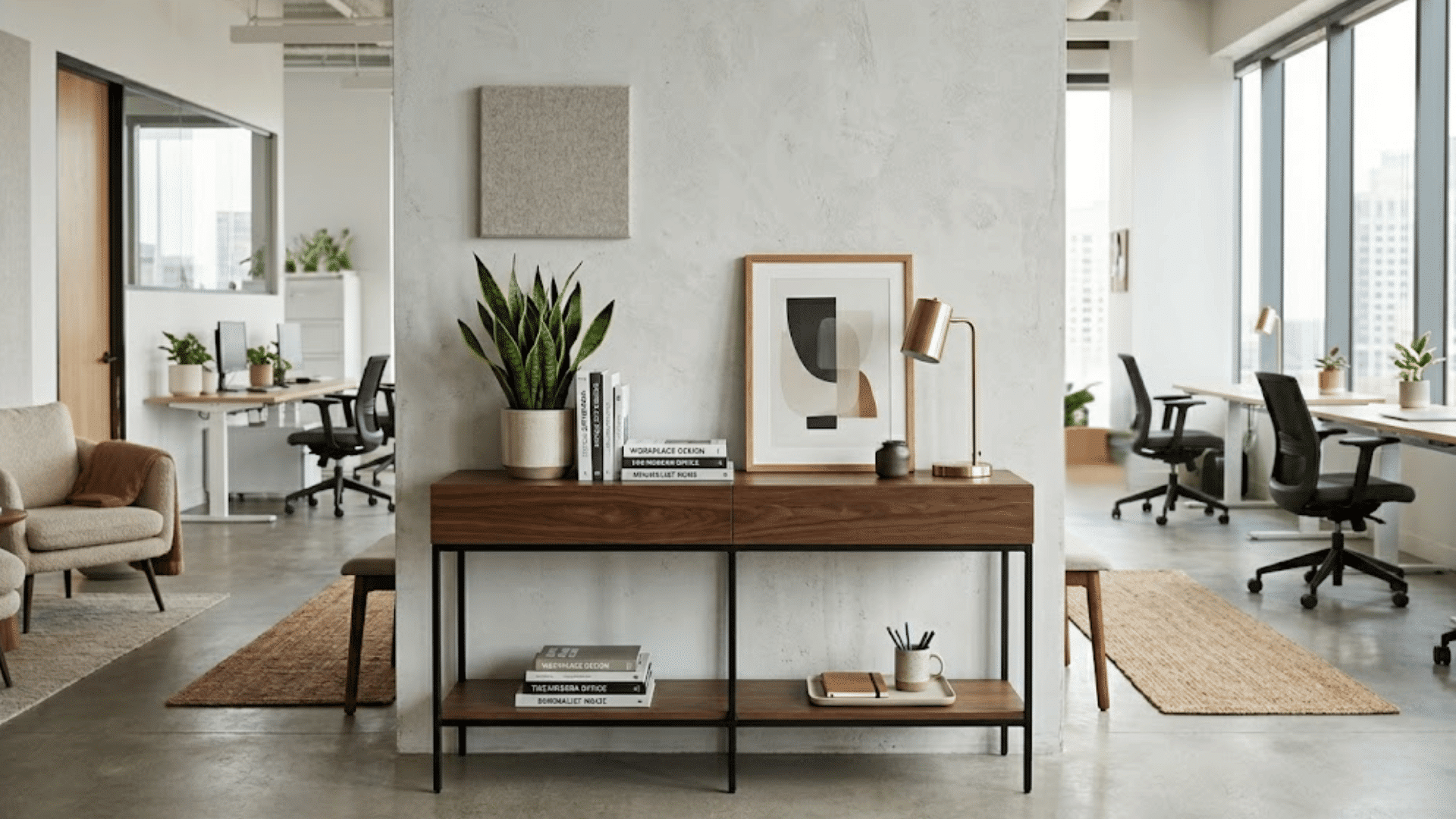
In a home office, a console table can serve as an extra workstation or organizational area. Its narrow depth makes it suitable for tight spaces where a full-sized desk may not fit comfortably.
It can hold office supplies, printers, documents, or decorative items that enhance the workspace.
Some people also use console tables as secondary work surfaces for laptops or project materials, helping keep the main desk clear and organized.
Common Materials Used in Console Tables
Console tables come in various materials, with each option affecting appearance, durability, maintenance requirements, and overall long-term performance.
| Material | Common Characteristics |
|---|---|
| Wood | Durable, classic, and suitable for traditional or modern interiors. |
| Metal | Strong, low-maintenance, and often used in industrial or contemporary designs. |
| Glass | Creates an open, airy appearance and works well in smaller spaces. |
| Engineered Wood | Budget-friendly option available in many finishes and styles. |
| Stone or Marble | Beautiful and durable, often used for luxury or high-end designs. |
| Mixed Materials | Combines materials like wood and metal for added visual interest. |
How to Style a Console Table?
A well-styled console table combines decorative and functional elements while maintaining balance, proportion, and visual interest.
- Start With a Focal Point: Place a mirror, artwork, or statement piece above the table to create visual structure and balance.
- Add a Table Lamp: Incorporate a lamp to provide lighting, add height variation, and create a warm, welcoming atmosphere in the space.
- Use Decorative Accessories: Display candles, vases, sculptures, or trays to add personality while keeping the tabletop organized and attractive.
- Incorporate Greenery: Add plants or fresh flowers to introduce natural texture, color, and visual freshness to the arrangement.
- Layer Different Heights: Combine tall, medium, and short decorative pieces to create depth and prevent the display from appearing flat.
- Include Personal Touches: Showcase framed photos, travel souvenirs, or meaningful objects that reflect your style and interests.
- Use Books as Styling Elements: Stack books to add height, texture, and an easy platform for smaller decorative accessories.
- Avoid Overcrowding the Surface: Leave some open space between objects to maintain a clean, organized, and visually appealing appearance.
Standard Console Table Dimensions
While sizes vary by design, most console tables fall within these common dimensions.
| Dimension | Typical Range |
|---|---|
| Height | 28–36 inches |
| Width (Length) | 30–72 inches |
| Depth | 10–18 inches |
| Entryway Console Table | 36–60 inches wide |
| Behind-Sofa Console Table | 60–72 inches wide |
| Narrow Hallway Console Table | 10–14 inches deep |
How to Choose the Right Console Table for Your Space?
Several factors can help determine which console table will work best in your home and fit your needs.
- Measure Available Space: Take accurate measurements before purchasing to ensure the table fits comfortably without blocking walkways or nearby furniture.
- Choose the Right Size: Select a table with proportions that match the room and surrounding furniture for a balanced appearance.
- Consider the Intended Use: whether the table will display décor, provide storage, or serve multiple functional purposes.
- Evaluate Storage Needs: Choose drawers, shelves, or cabinets if you need extra space for organizing household items neatly.
- Select a Durable Material: Consider durability, maintenance requirements, and daily use when deciding among wood, metal, glass, or stone.
- Check the Table Height: Ensure the height works well with nearby furniture and remains comfortable for everyday use.
- Think About Traffic Flow: Choose a slim design that allows people to move through the space safely and comfortably.
- Set a Realistic Budget: Compare features, materials, and construction quality to find the best value within your budget.
Console Table Vs. Other Tables
Different types of tables serve different purposes, and a console table stands out because of its narrow, space-saving design.
| Feature | Console Table | Coffee Table | Side Table | Dining Table |
|---|---|---|---|---|
| Shape | Long and narrow | Wide and low | Small and compact | Large and spacious |
| Typical Placement | Against a wall or behind a sofa | In front of the seating | Beside seating | Dining area |
| Main Purpose | Display and organization | Holding everyday items | Easy-access surface | Dining and gatherings |
| Depth | 10–18 inches | 18–36 inches | 18–30 inches | 30–48 inches |
| Space Requirement | Low | Moderate | Low | High |
| Best For | Entryways, hallways, living rooms | Living rooms | Living rooms, bedrooms | Dining rooms |
Conclusion
A console table may be small, but it can make a big difference in your home. If you place it in an entryway, hallway, living room, bedroom, or dining area, it gives you a useful surface without taking up too much space.
I like that a console table can be both practical and stylish. It can hold daily items, display favorite décor, or simply fill an empty wall.
The right one depends on your space, storage needs, and the style you already love.
Before choosing one, think about how you will use it every day. Have you used a console table in your home? Share your experience in the comments below.
Frequently Asked Questions
Why Is It Called a Console Table?
The term comes from the French word console, referring to a bracket or support attached to a wall. Early console tables were often wall-mounted.
What Is the Fancy Name for a Console Table?
A console table may also be called a foyer table, entryway table, hall table, sofa table, or accent table, depending on placement.
What Is the 2:3 Rule for Sofas?
The 2:3 rule suggests that a sofa should occupy about two-thirds of the wall length or two-thirds of a rug’s width.
What Items Make a House Look Cheap?
Clutter, mismatched furniture, poor lighting, visible cords, worn textiles, overcrowded decor, fake-looking accessories, and outdated fixtures can make a home look less polished.