

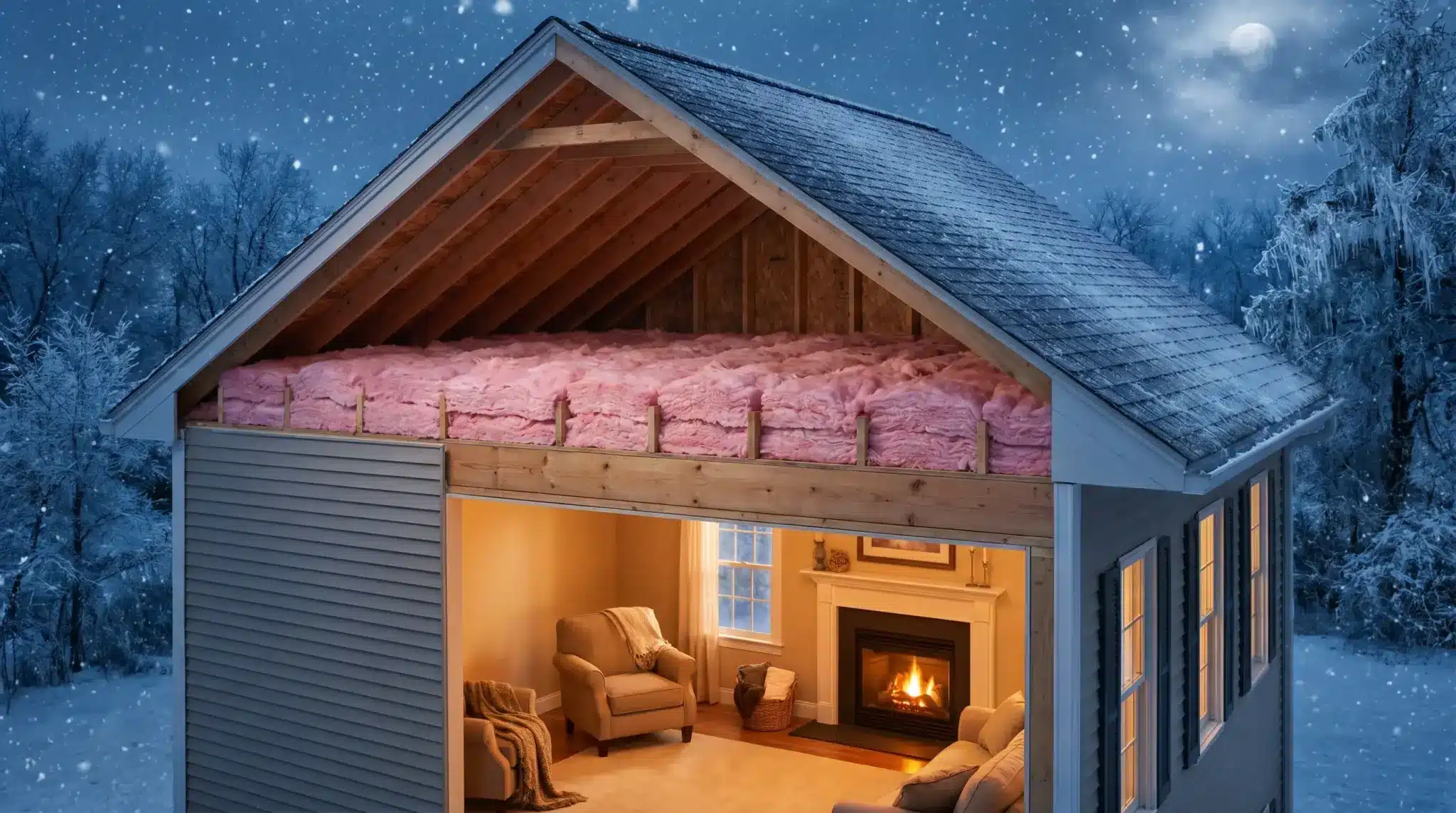
Home energy efficiency through attic insulation is a big opportunity. The attic is a critical aspect of comfort that homeowners often neglect. Insulation provides societal backup, reducing energy consumption by controlling temperature. Households can benefit from having a comfortable and dry home while lowering energy costs by performing this procedure. Therefore, learning what attic insulation has to offer helps better define its worth to any given home.
Why Insulation Matters
During the colder months, heat escapes from the upper floors if the attic is not insulated. It also prevents excess heat from entering living spaces below in warmer weather. Without insulation, the climate outside can rapidly affect the climate inside as temperatures change.
Heating and cooling systems have to work in overdrive to keep the place comfortable. Greater Workload: This results in additional energy consumption over time and subsequently higher utility bills. Exploring attic insulation for energy savings in Seattle highlights how proper insulation reduces heat loss and enhances year-round comfort.
Temperature Regulation Throughout the Year
Proper insulation in the attic helps maintain an even temperature inside, as we have talked about. It keeps rooms comfortable with less fluctuation, thanks to its ability to reduce heat transfer.
Fewer temperature variations mean more comfort in all parts of the residence. In the winter, the heating system works less often, and in the summer, the air conditioning works. Having this balance cuts back on energy consumption during the year.
Lowering Energy Bills
Well-insulated attics lead to a significant reduction in energy costs. Heated and air-conditioned homes consume less energy because they take a load off heating and cooling systems.
This increase in efficiency means lower monthly bills! Eventually, the savings over time make the cost of insulation materials and installation worth it. Improving the insulation in the attic leads to major decreases in utility payments, which many homeowners report.
Reducing Environmental Impact
Lowering energy consumption has a twofold advantage, as it is good for both the homeowner and the environment. Less energy consumed equals less fossil fuel burnt and fewer greenhouse gas emissions. Homes that are well insulated offer cleaner and healthier surroundings. This approach helps not only the individual household but also the collective effort to conserve energy and reduce energy waste.
Protecting the Home Structure
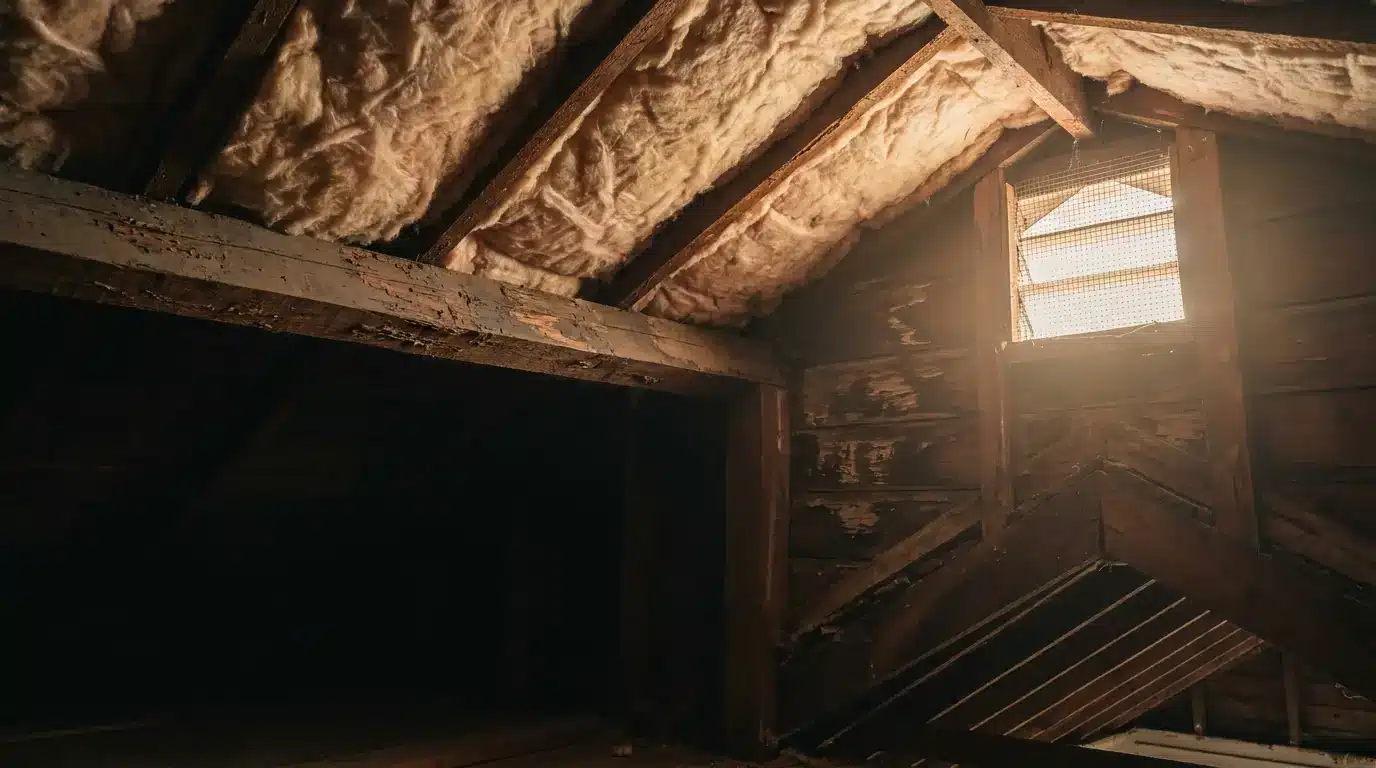
Having insulation in the attic may also protect the very building. Insulation controls moisture and temperatures, preventing condensation or mold problems. Wood rot is caused when your wood absorbs too much moisture and weakens the structure slowly but surely. If not avoided, these issues can lead to compromises in the building. Proper attic insulation can help homeowners avoid expensive repairs and extend the life of their property.
Comfort and Indoor Air Quality
Better air quality inside the homean insulated attic helps to keep air pollution out of your house. It helps to reduce drafts and seal the room, keeping the dust and outdoor pollutants away. This makes for a neater and more pleasurable environment for everyone inside. Families note fewer cold spots, drafts, and allergens, resulting in a healthier environment.
Types of Insulation Materials
There are several different materials used to insulate attics, all offering their own benefits. Fiberglass is still a relatively inexpensive and effective choice. Spray foam is sprayed and hardens into a solid, airtight barrier, providing superior thermal resistance. For environmentally friendly consumers, cellulose, a product derived from recycled paper, is a must. There are different materials that cater to various requirements as well as budget limits.
Installation Considerations
Correctly insulating a roof space is a meticulous job that ensures it provides its full benefits. Gaps or compressed areas can decrease performance and lead to energy loss. Proper installation provides full, even coverage and helps seal around air space entryways. While some homeowners might try their hand at this job, for a more long-lasting outcome, go for expert help.
Long-Term Value
Long-term benefits of attic insulation. Insulation is an investment that pays dividends in the form of energy savings for years to come. Higher comfort, fewer repairs, and better air quality all make for the ultimate quality of life. Insulation can last for decades if cared for correctly.
Conclusion
One of the best ways to improve energy efficiency in any home is to add or upgrade attic insulation. And its benefits go beyond comfort and savings: it also protects against harm to the environment and your home. Homeowners enjoy day-to-day benefits for years to come while also helping the environment through insulation investment.