

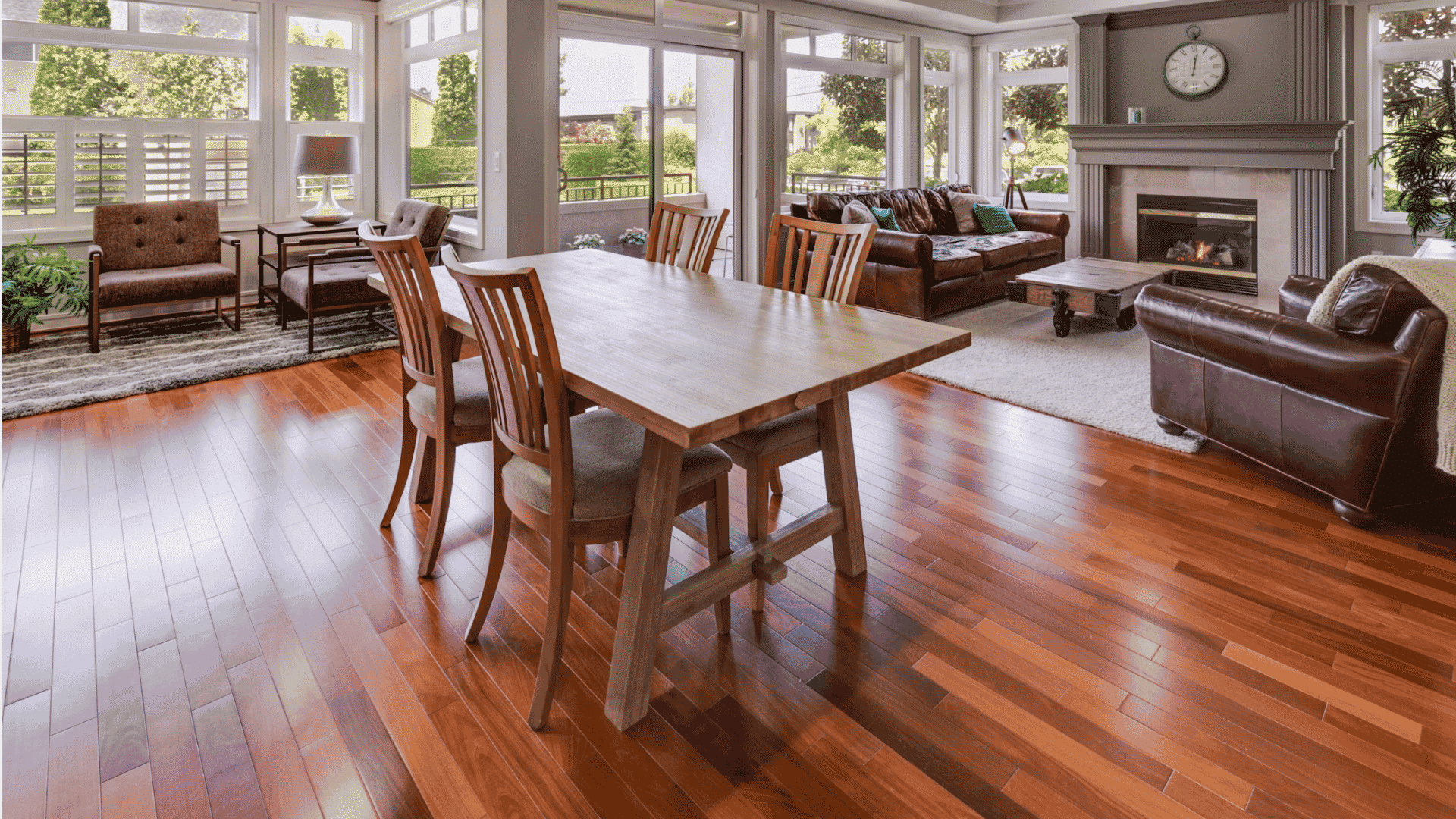
Flooring can have a big impact on the look, comfort, and value of a home, but replacing old floors often feels expensive.
Many homeowners put off the project because they assume every flooring material comes with a high price tag.
In reality, several budget-friendly options can provide an attractive finish without a large investment.
Choices such as vinyl, laminate, carpet, and painted wood floors offer different benefits for different spaces and needs.
Some focus on durability, while others stand out for easy installation or low maintenance.
This blog covers the best cheap flooring options, compares their costs and features, and helps narrow down the right choice for any room and budget.
Quick Answer: What Are the Cheapest Flooring Options?
The cheapest flooring options include sheet vinyl, peel-and-stick vinyl tiles, laminate flooring, low-cost carpet, and basic ceramic tile.
These materials are popular because they offer a good balance between affordability and functionality.
Sheet vinyl is often the least expensive choice, while laminate provides the look of hardwood at a lower cost. Peel-and-stick tiles are also budget-friendly and simple to install.
The best option depends on the room, expected foot traffic, and maintenance requirements.
How to Decode Which Floor Is Best for You?
Choosing the right flooring becomes easier when key factors such as cost, durability, maintenance, and room conditions are carefully considered.
- Budget: Compare both material and installation costs. Some flooring types may seem affordable at first but cost more to install and maintain over time.
- Durability: Consider how much daily wear the floor will face. Busy households often benefit from flooring that resists scratches, dents, and stains.
- Moisture Resistance: Areas such as bathrooms, kitchens, and basements need flooring that can withstand spills and humidity without damage.
- Maintenance Requirements: Some floors need regular sealing, polishing, or special cleaning products, while others require only simple sweeping and mopping.
- Room Usage: The best flooring for a bedroom may not work well in a high-traffic hallway or a moisture-prone bathroom.
- Style and Appearance: Choose flooring that matches the overall design of the home and complements existing furniture, wall colors, and decor.
Best Low-Cost Flooring Options Worth Considering
Affordable flooring comes in many styles, materials, and price ranges. These options can help improve the look of a space while keeping costs manageable.
1. Laminate Flooring
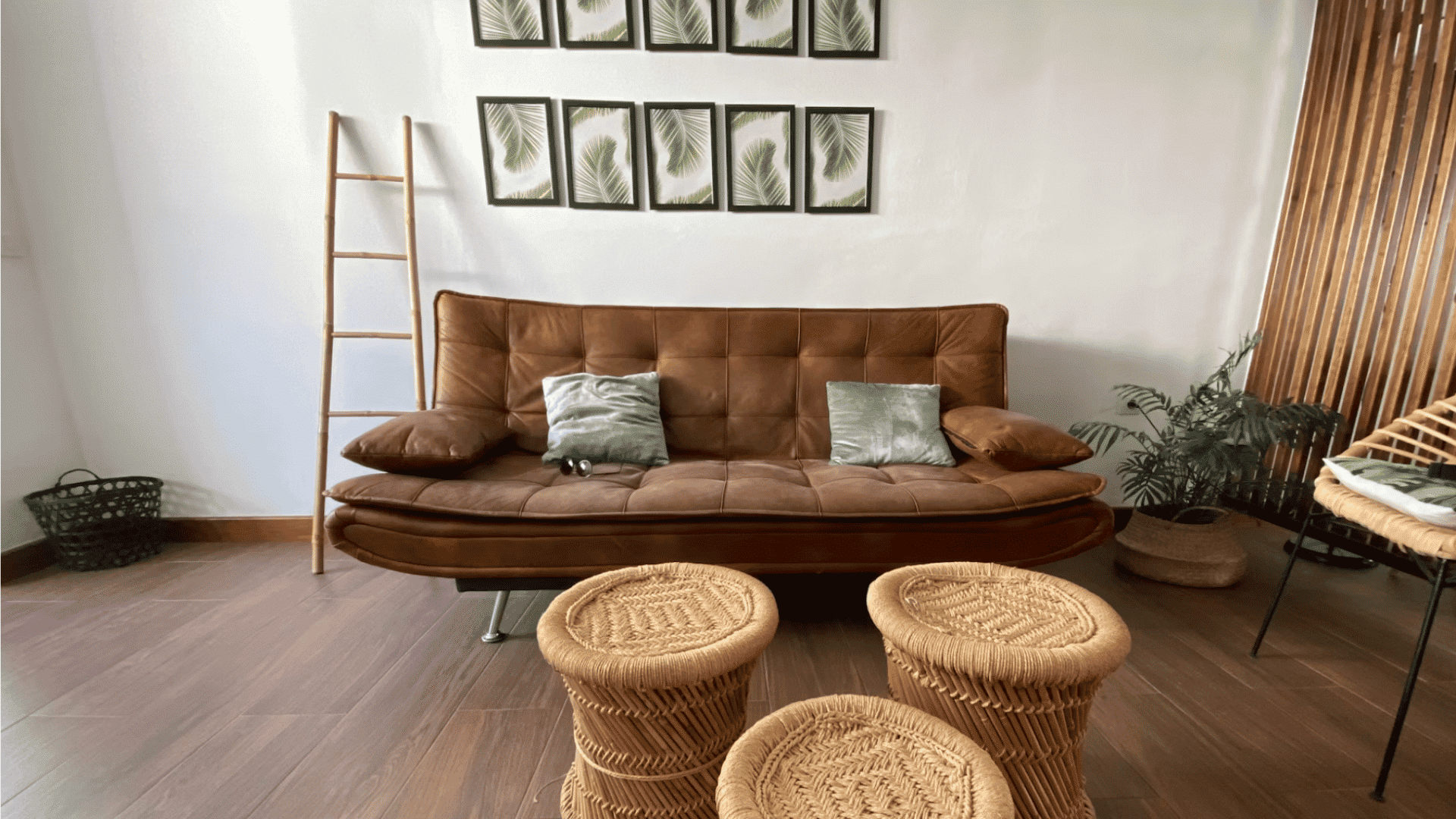
Laminate flooring gives the look of hardwood at a much lower cost. It features a protective top layer that helps resist scratches and daily wear.
Many laminate products use click-lock systems, making installation easier for homeowners looking to save on labor costs.
It is available in various plank sizes and realistic wood patterns, allowing homeowners to achieve a stylish look without overspending.
- Price: Entry-level laminate flooring typically costs between $0.70 and $0.75 per square foot, making it one of the cheapest hard flooring options.
- Pros: Scratch-resistant surface, wood-like appearance, simple installation, and a wide range of colors and styles for different interiors.
- Cons: Can swell or warp when exposed to excessive moisture and is usually harder to repair than hardwood.
- Best For: Living rooms, bedrooms, hallways, and other dry areas where durability and appearance are both important.
2. Linoleum Flooring
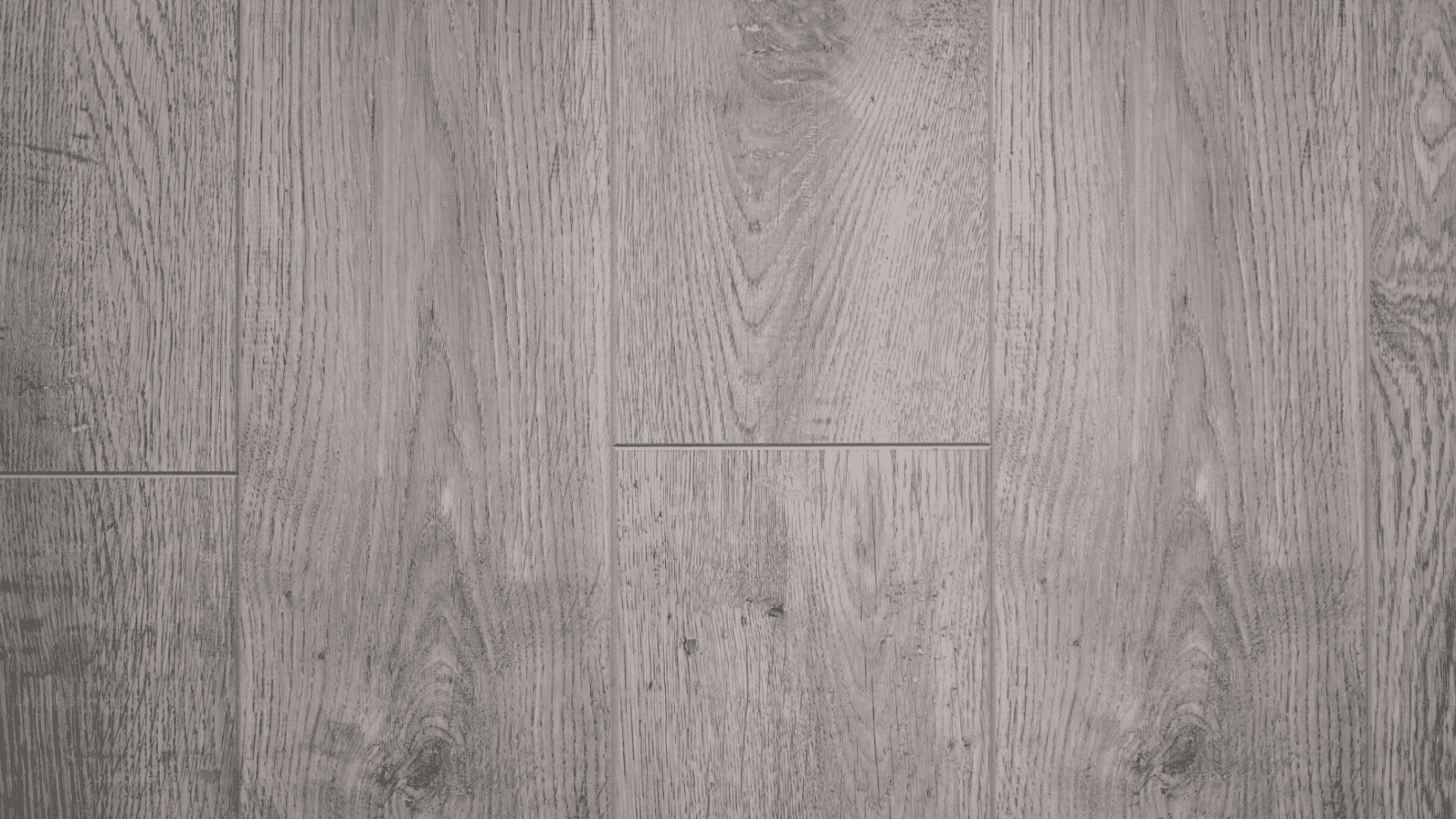
Linoleum flooring has been a reliable flooring choice for decades because of its durability and natural materials.
It is often selected by homeowners seeking an eco-friendly option that can handle daily wear while remaining affordable.
With proper care, linoleum can last for many years and maintain its appearance even in busy areas of the home.
- Price: Basic sheet linoleum usually costs between $2.00 and $3.00 per square foot, depending on thickness and design.
- Pros: Made from natural materials, long-lasting, easy to maintain, and available in many colors and patterns.
- Cons: Requires sealing in some cases and may become damaged when exposed to excessive moisture over time.
- Best For: Kitchens, mudrooms, laundry rooms, and other busy household spaces with regular foot traffic.
3. Carpet
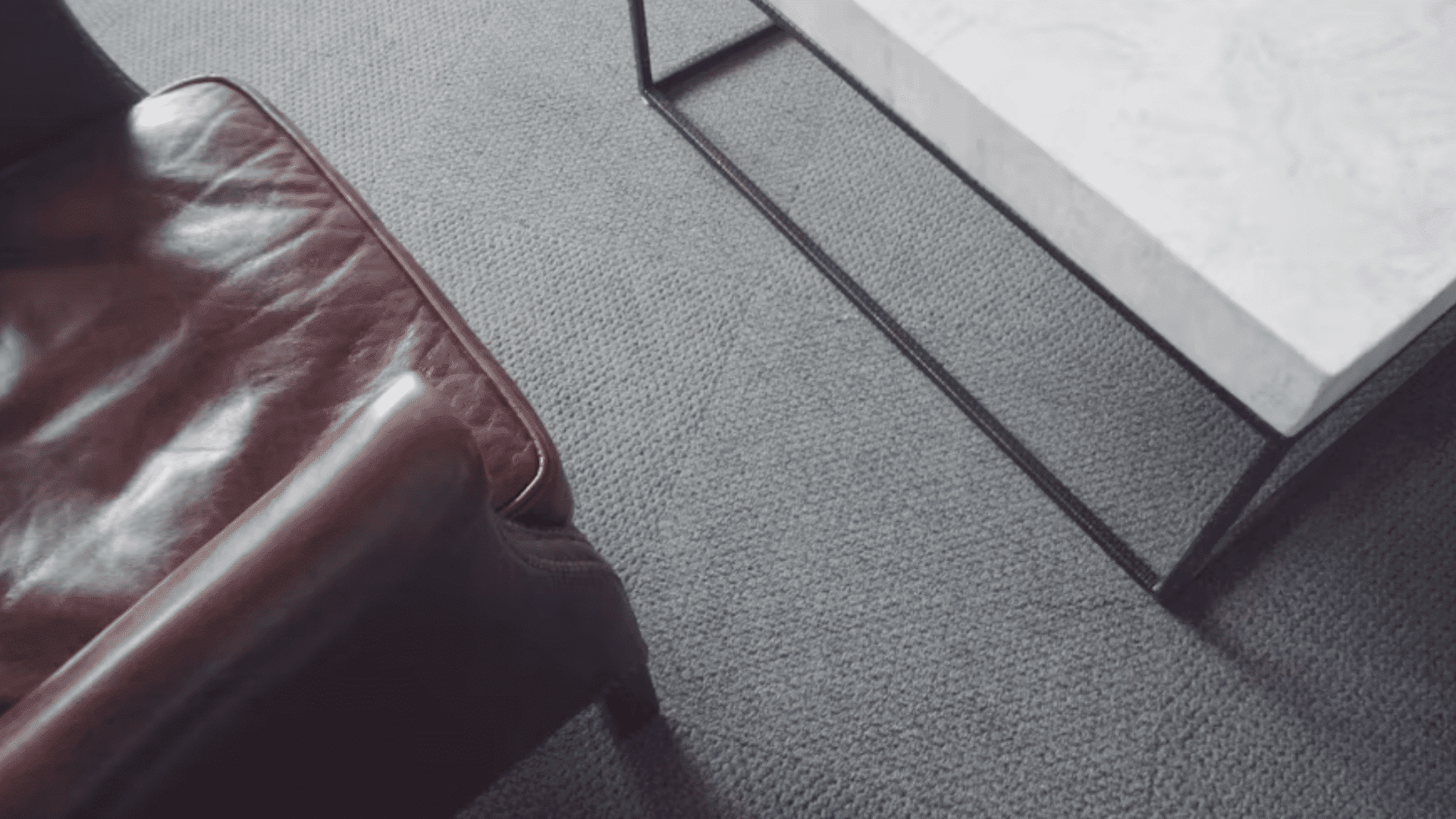
Carpet remains one of the most affordable flooring options for large rooms. It creates a warm and comfortable surface while helping reduce noise.
Many homeowners choose carpet because it feels soft underfoot and comes in countless styles.
Different pile heights and materials allow homeowners to choose a carpet that matches both comfort needs and budget goals.
- Price: Basic carpet materials generally cost between $1.00 and $2.50 per square foot before installation.
- Pros: Soft surface, noise reduction, added insulation, and a wide range of textures and colors to match different rooms.
- Cons: Can trap dust and allergens, stains easily, and requires regular cleaning to maintain its appearance.
- Best For: Bedrooms, family rooms, children’s playrooms, and spaces where comfort matters more than moisture resistance.
4. Polished Concrete
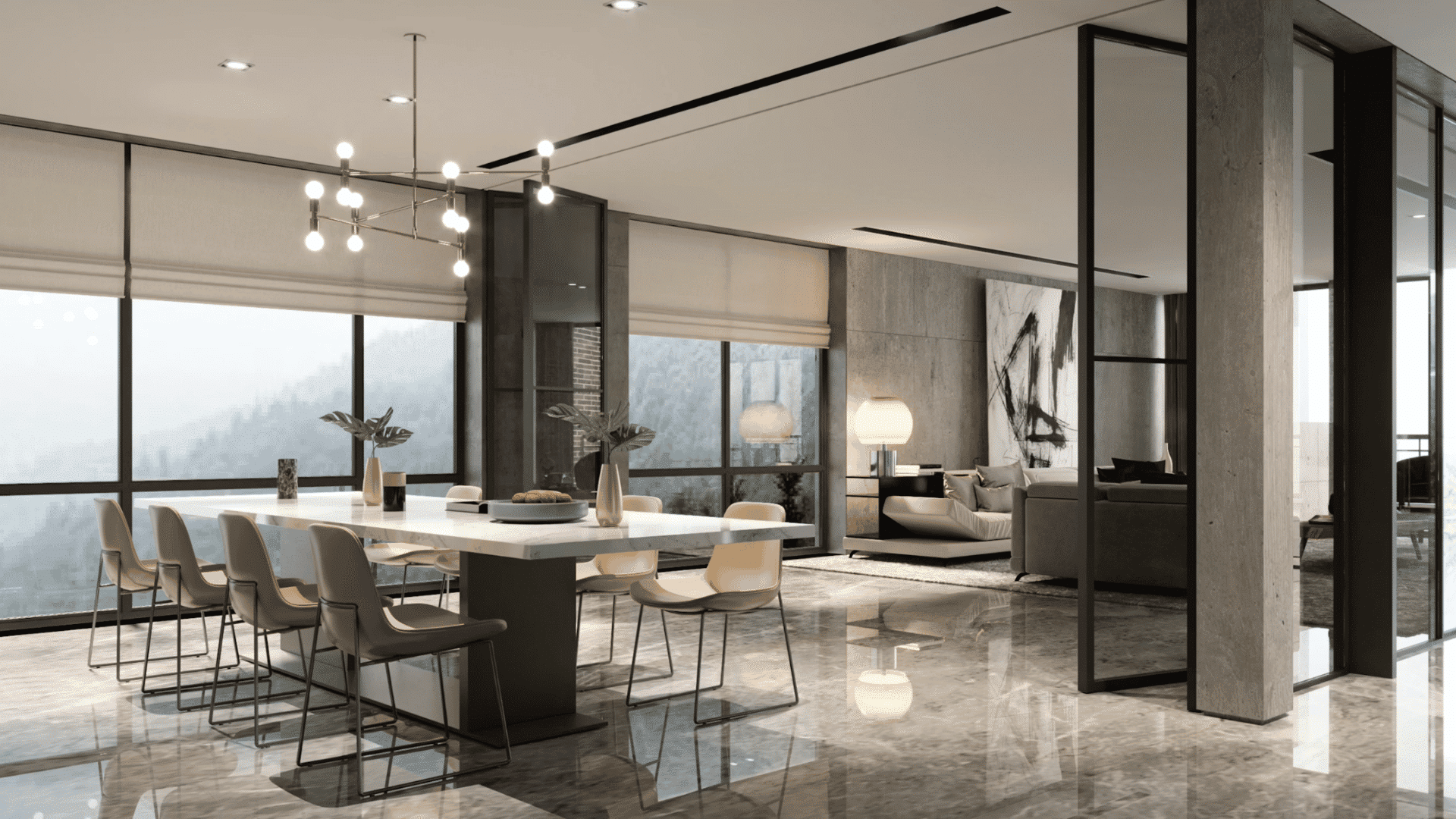
Polished concrete creates a clean and modern appearance while offering exceptional durability.
If a concrete slab already exists, polishing it can cost less than installing many new flooring materials while providing a long-lasting surface.
Its reflective finish can also help brighten rooms by improving light distribution throughout open interior spaces.
- Price: Basic polished concrete finishes usually cost between $3.00 and $4.00 per square foot.
- Pros: Extremely durable, low maintenance, easy to clean, and capable of handling heavy daily foot traffic.
- Cons: Hard surface can feel uncomfortable underfoot and may feel cold during colder seasons.
- Best For: Basements, garages, workshops, and modern homes looking for a durable flooring solution.
5. Ceramic and Porcelain Tiles
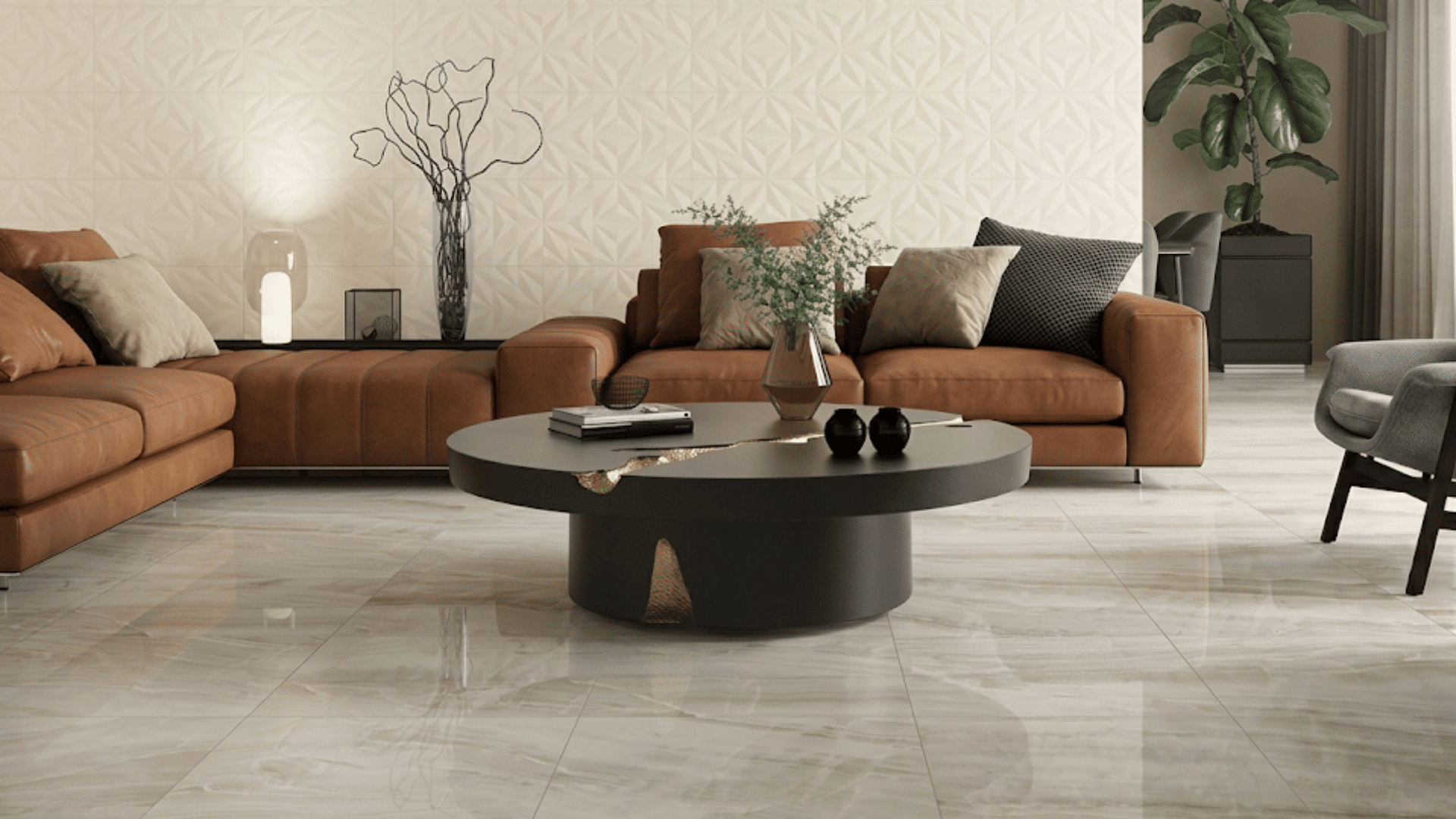
Ceramic and porcelain tiles provide strong resistance to water, stains, and wear.
Their durability and wide range of styles make them a popular flooring choice for homeowners seeking affordable and long-lasting performance.
Many tile designs closely resemble natural stone or wood, offering attractive looks without the higher material costs.
- Price: Ceramic tiles cost about $0.50–$1.00 per square foot, while porcelain ranges from $0.50–$3.00 per square foot.
- Pros: Water-resistant, durable, easy to clean, and available in many colors, patterns, and finishes.
- Cons: Hard underfoot, can feel cold, and installation often requires more time and skill.
- Best For: Bathrooms, kitchens, laundry rooms, and entryways exposed to moisture and frequent cleaning.
6. Bamboo Flooring
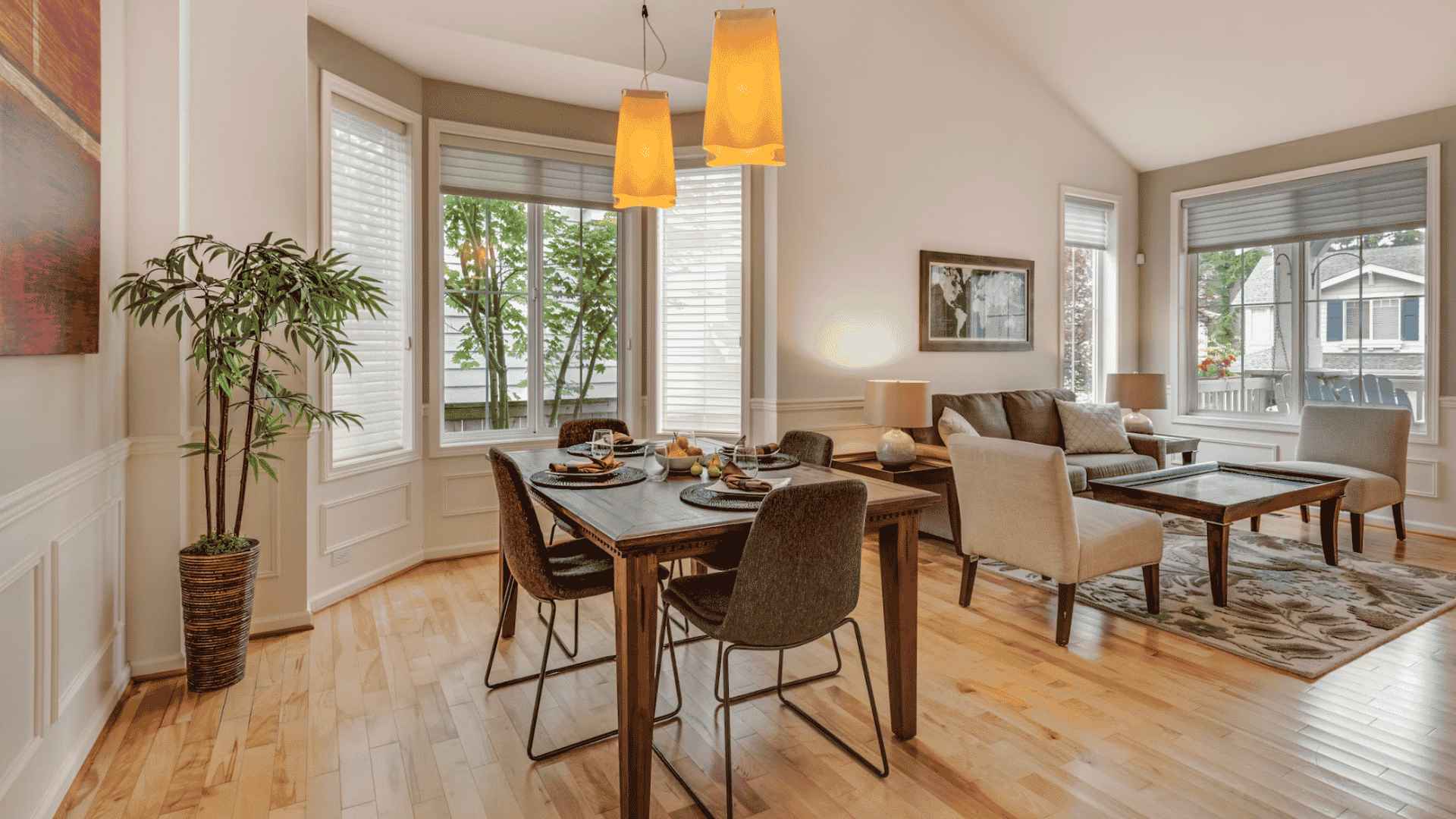
Bamboo flooring offers a hardwood-like appearance while often costing less than traditional hardwood floors.
It is made from rapidly renewable bamboo, making it a popular choice among homeowners interested in sustainable materials.
Modern manufacturing methods have improved bamboo flooring strength, making it suitable for many residential living areas.
- Price: Most economical bamboo flooring costs between $3.00 and $4.80 per square foot.
- Pros: Environmentally friendly, attractive appearance, durable surface, and available in several colors and finishes.
- Cons: Can scratch over time and may react to humidity changes if not properly maintained.
- Best For: Living rooms, dining rooms, bedrooms, and other areas where moisture exposure is limited.
7. Cork Flooring
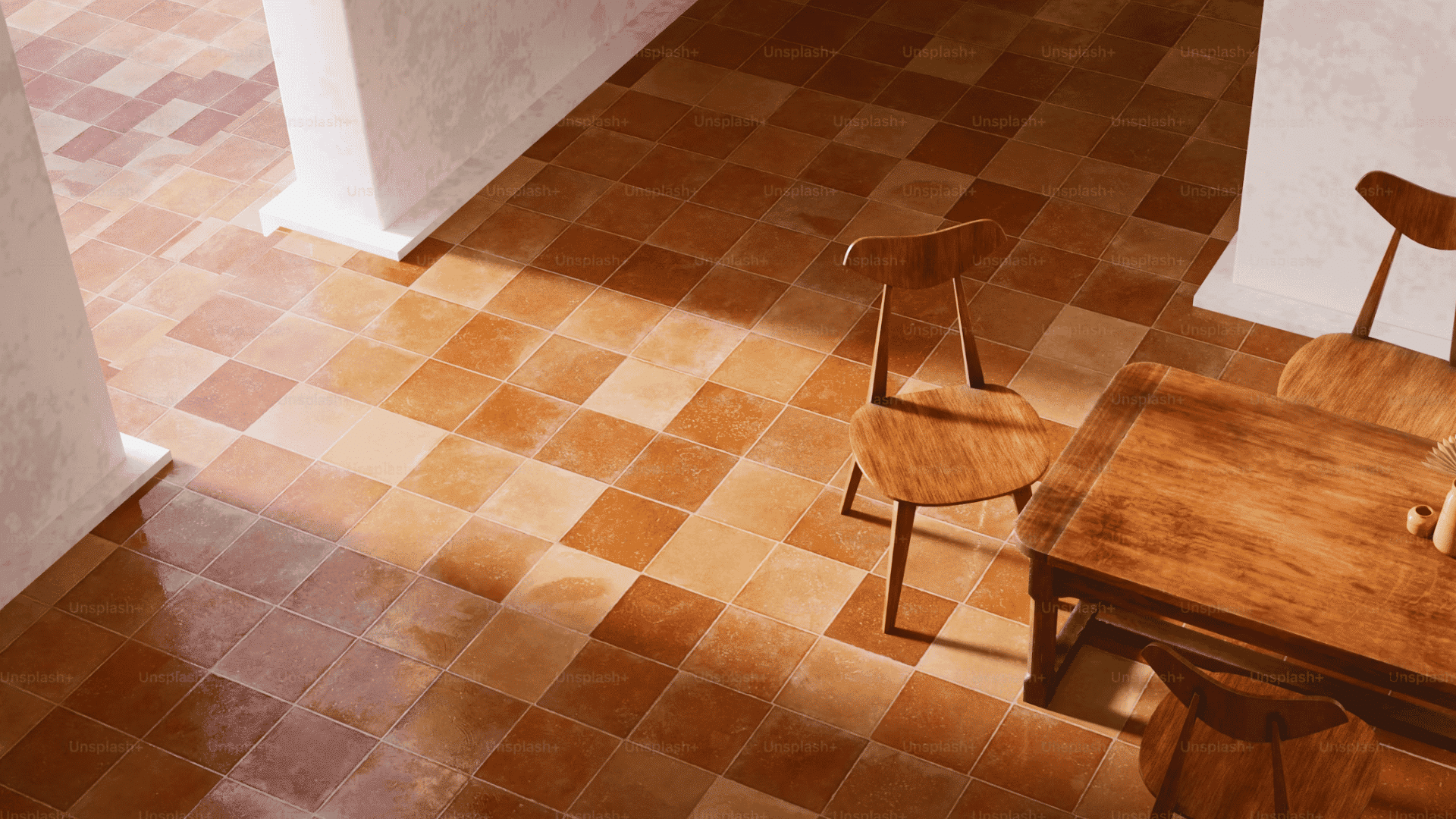
Cork flooring provides a soft and comfortable walking surface that helps reduce noise and improve insulation. Its natural cushioning makes it more comfortable than many hard flooring materials used throughout the home.
The material also helps maintain a warmer feel underfoot during colder months.
Its sound-absorbing qualities make it a popular choice for multi-level homes, apartments, and quiet workspaces where reducing everyday noise is important.
- Price: Cork flooring materials generally cost between $2.00 and $3.00 per square foot.
- Pros: Comfortable underfoot, naturally insulating, quiet, and warmer than many traditional hard flooring options.
- Cons: Can dent under heavy furniture and may suffer damage when exposed to excessive moisture.
- Best For: Bedrooms, home offices, and living spaces where comfort and noise reduction are important.
8. Reclaimed Hardwood
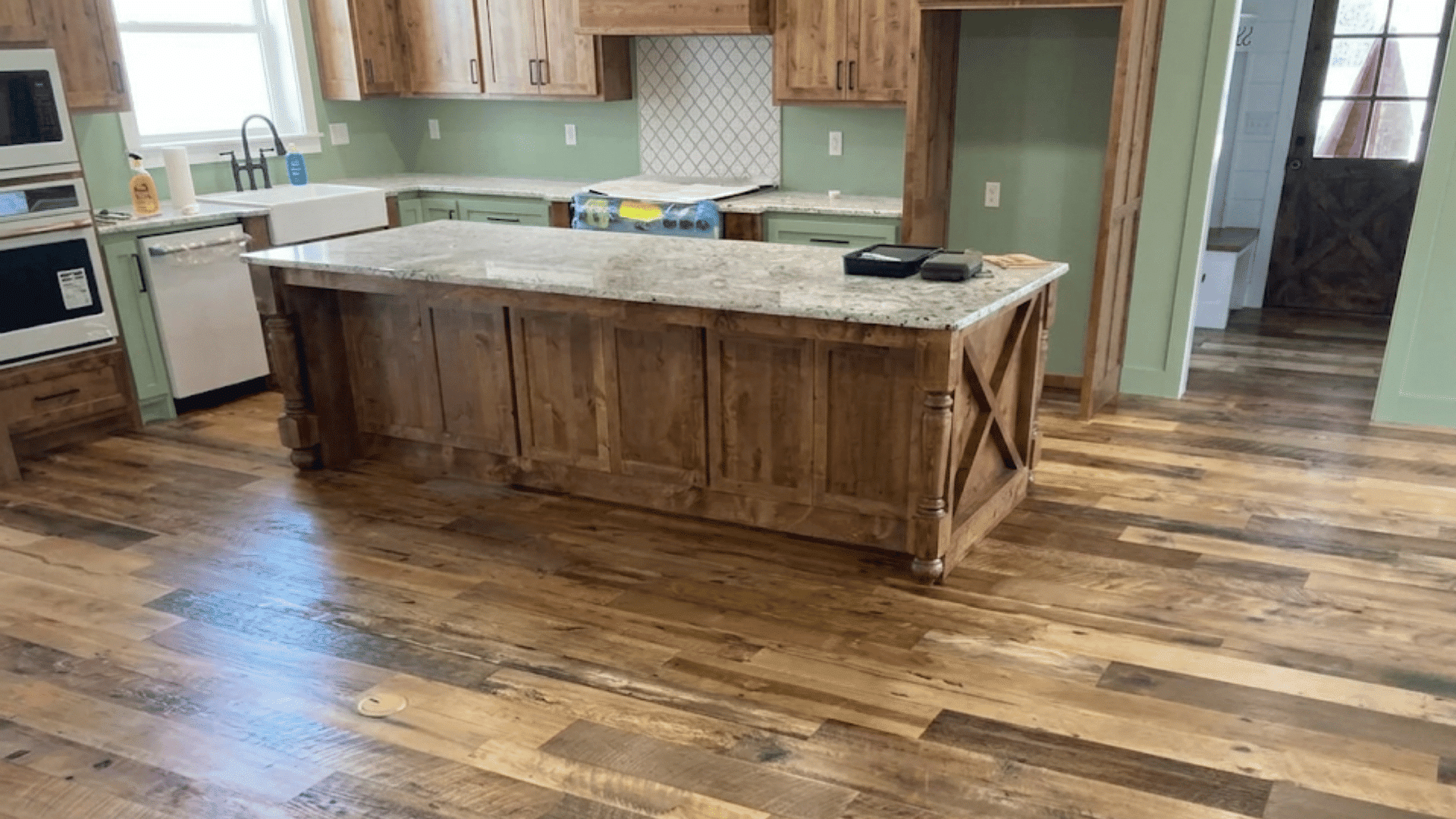
Reclaimed hardwood flooring uses salvaged wood from older buildings and structures.
It offers natural character and unique grain patterns while helping reduce demand for newly harvested wood products.
Many homeowners appreciate the aged appearance that adds personality and a sense of history to interior spaces.
- Price: Reclaimed hardwood flooring starts at approximately $6.00 per square foot and can increase based on wood type.
- Pros: Distinctive appearance, environmentally friendly, durable, and often adds value to interior spaces.
- Cons: More expensive than many budget flooring choices and may require refinishing before installation.
- Best For: Living rooms, dining rooms, and homes seeking a traditional wood floor appearance.
9. Epoxy Flooring
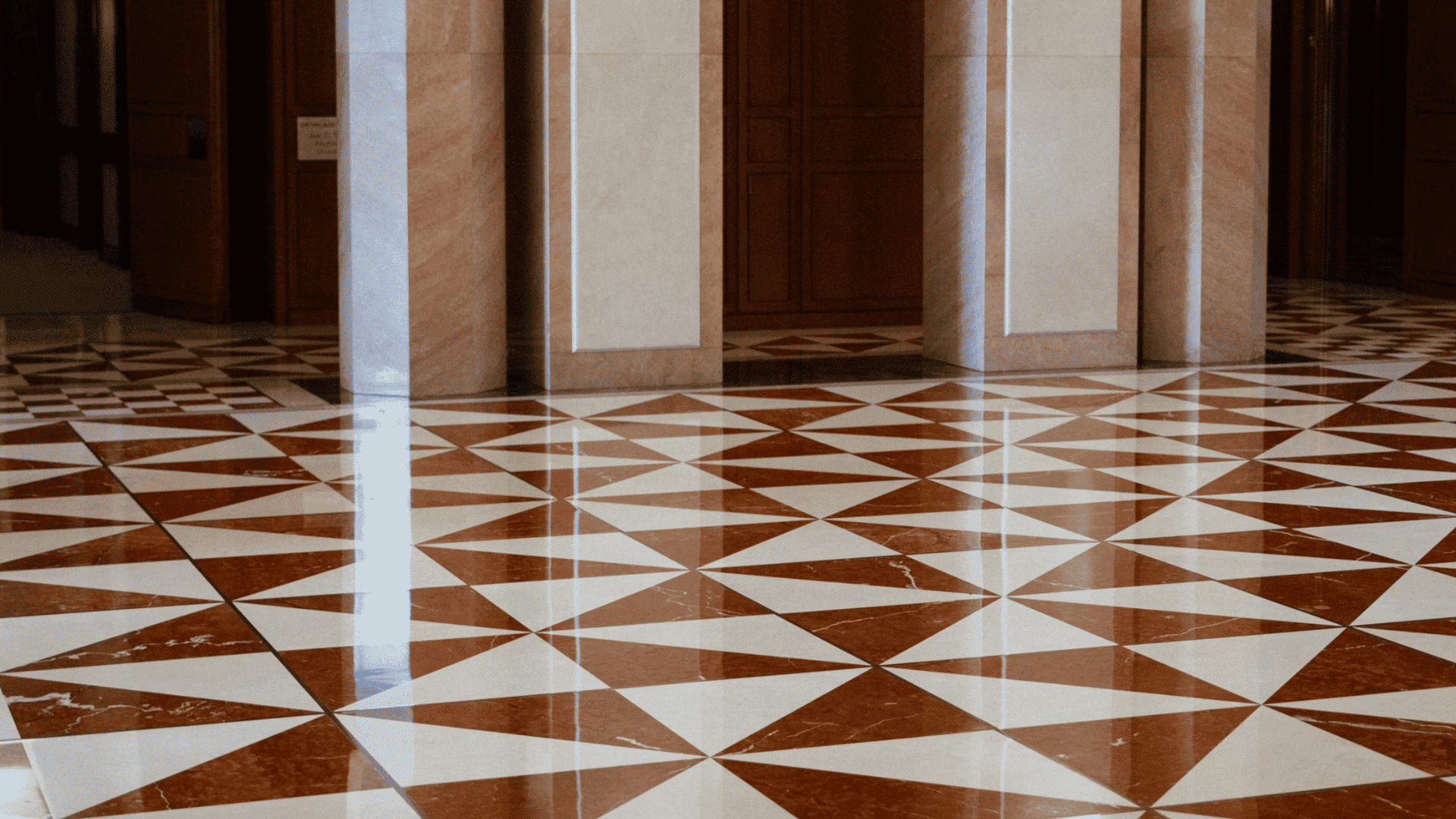
Epoxy flooring creates a protective coating over concrete surfaces, improving durability and appearance. It is widely used in utility spaces because it handles stains, moisture, and heavy use exceptionally well.
The smooth finish can also improve the overall appearance of garages and workspaces while simplifying maintenance.
- Price: Epoxy materials generally cost between $1.45 and $1.50 per square foot before installation.
- Pros: Durable surface, stain-resistant, moisture-resistant, easy to clean, and suitable for heavy-use environments.
- Cons: Requires proper surface preparation and can become slippery when wet without additives.
- Best For: Garages, basements, workshops, storage rooms, and utility areas with heavy traffic.
10. Painted Wood Floors
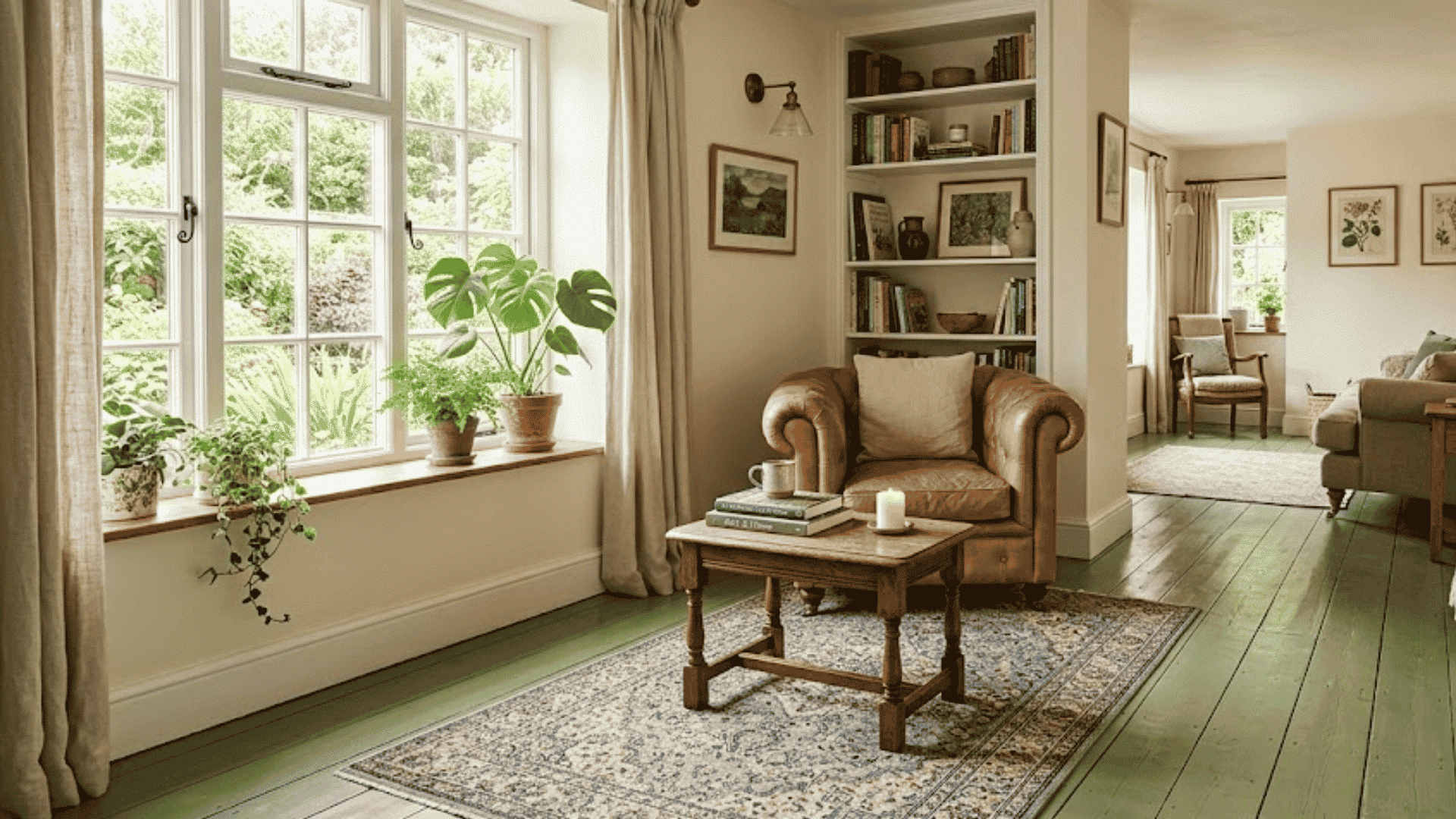
Painted wood floors offer an inexpensive way to refresh old flooring without replacing it. A fresh coat of paint can change the appearance of a room while keeping renovation costs low.
This option works especially well for older wood floors that have minor imperfections or signs of wear.
Homeowners can choose solid colors, patterns, or decorative designs to match different decorating styles.
With proper preparation and quality paint, painted wood floors can remain attractive and functional for several years before needing a refresh.
- Price: Paint and basic preparation materials usually cost between $1.00 and $2.00 per square foot.
- Pros: Very affordable, customizable, easy to update, and ideal for refreshing worn wood floors.
- Cons: Paint can chip in high-traffic areas and may require occasional touch-ups.
- Best For: Bedrooms, porches, casual living spaces, and budget-friendly home renovation projects.
11. Vinyl Flooring
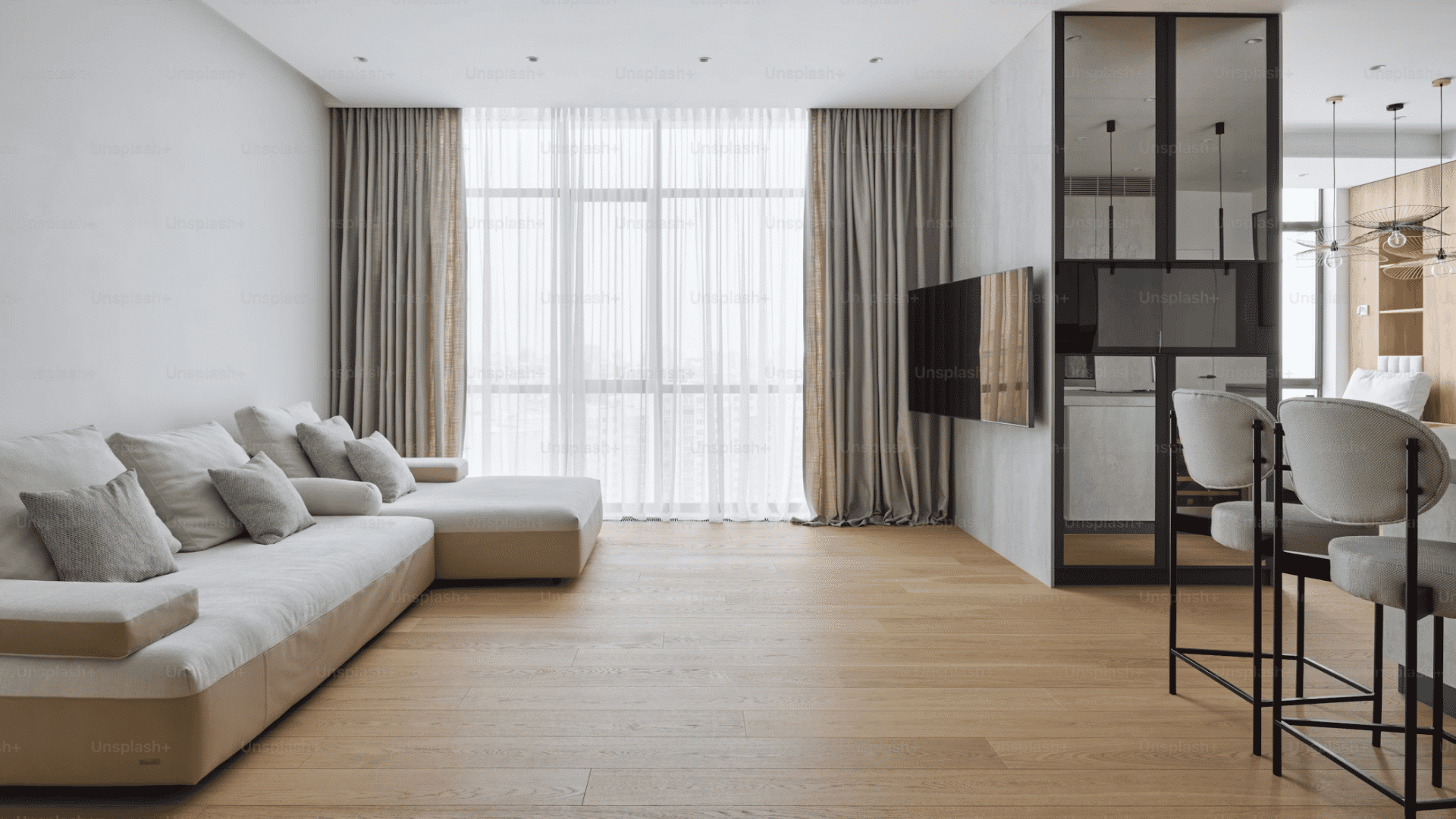
Vinyl flooring is a budget-friendly option that offers durability, water resistance, and a wide range of styles. It can mimic the appearance of wood, stone, or tile without the higher cost.
Its easy installation and low maintenance requirements make it a practical choice for homeowners looking to update floors without spending a large amount.
Many modern vinyl products include protective wear layers that improve durability and help maintain their appearance for years.
- Price: Typically costs $0.50 to $2.00 per square foot, making it one of the most affordable flooring materials.
- Pros: Water-resistant, easy to clean, available in many styles, and simple to install, making it suitable for a variety of rooms.
- Cons: Lower-quality vinyl may dent or tear over time and can be difficult to repair once damaged.
- Best For: Kitchens, bathrooms, laundry rooms, and other areas where moisture resistance and affordability are important considerations.
Where to Buy Cheap Flooring?
If you’re looking for affordable flooring, several major retailers offer plenty of budget-friendly choices.
- Home Depot carries a wide selection of vinyl, laminate, tile, and hardwood flooring, along with regular sales and clearance deals.
- Lowe’s is another popular option, offering flooring for nearly every room in the house and frequent promotions throughout the year.
- Floor & Decor is known for its large inventory of tile, laminate, vinyl, and wood flooring, making it a great place to compare styles and materials in one location.
- LL Flooring also offers a variety of flooring products for homeowners seeking quality options at competitive prices.
Before buying, compare products, check reviews, request samples when available, and watch for seasonal sales to get the best value for your flooring project.
Best Cheap Flooring Options by Room
Different rooms have different flooring needs. This quick comparison highlights affordable flooring choices based on durability, comfort, and moisture resistance.
| Room | Recommended Flooring | Why It Works |
|---|---|---|
| Kitchen | Vinyl Flooring | Affordable, water-resistant, and easy to clean. |
| Bathroom | Porcelain Tile | Handles moisture well and lasts for years. |
| Bedroom | Carpet | Soft, warm, and budget-friendly. |
| Living Room | Laminate Flooring | Gives a wood look at a lower cost. |
| Basement | Polished Concrete | Durable and works well in damp spaces. |
| Home Office | Cork Flooring | Comfortable underfoot and helps reduce noise. |
| Garage | Epoxy Flooring | Strong, stain-resistant, and easy to maintain. |
How Long Do Budget Floors Last?
In most homes, budget vinyl flooring can last 10 to 20 years, while laminate flooring often lasts 10 to 15 years.
The lifespan of budget flooring depends on the material, foot traffic, and how well you maintain it. Affordable carpet may need to be replaced after 5 to 10 years, especially in high-traffic areas.
Regular cleaning and quick repairs can help extend the life of any floor.
Using furniture pads, cleaning spills right away, and avoiding harsh cleaning products can also reduce wear.
While budget floors may not last as long as premium options, many modern products offer good durability for their price.
With proper care, budget flooring can provide a practical and attractive surface for many years without requiring a major investment.
DIY vs Professional Installation
Choosing between DIY and professional installation depends on your budget, skill level, and project requirements. DIY can reduce costs, while professional services offer expertise and faster completion.
| Factor | DIY Installation | Professional Installation |
|---|---|---|
| Cost | Lower upfront expense | Higher cost due to labor fees |
| Skill Level | Requires personal knowledge and experience | Completed by trained professionals |
| Time Required | May take longer to finish | Usually completed more quickly |
| Tools Needed | Must purchase or rent tools | Tools and equipment provided |
| Quality | Depends on your skills | More consistent and reliable results |
| Warranty | Usually no workmanship warranty | Often includes service warranties |
Common Mistakes to Avoid
Avoiding common flooring mistakes can save money, reduce repairs, and help your floor last longer. Here are key mistakes to watch for.
- Ignoring Subfloor Issues: Installing flooring over an uneven or damaged subfloor can lead to cracks, gaps, squeaks, and premature failure.
- Choosing Based Only on Price: The cheapest flooring option may wear out quickly, leading to higher replacement costs and reduced long-term value.
- Skipping Moisture Testing: Moisture problems can damage flooring materials, causing warping, mold growth, discoloration, and costly repairs in the future.
- Using the Wrong Underlayment: An incorrect underlayment can reduce comfort, increase noise, and shorten the lifespan of your flooring material.
- Poor Measurement Planning: Incorrect measurements often lead to material shortages, extra waste, project delays, and unnecessary additional expenses.
- Rushing the Installation Process: Hurrying through installation increases the chance of mistakes, uneven surfaces, and poor overall flooring performance.
- Not Allowing Material Acclimation: Flooring materials need time to adjust to room conditions to prevent expansion, contraction, or warping.
Conclusion
Budget flooring can be a smart way to improve your home without stretching your budget. Many affordable flooring options offer good durability, attractive looks, and easy upkeep.
By comparing materials and installation needs, you can choose a floor that fits your home and lasts for years.
Before making a final decision, consider the room’s traffic, moisture levels, and maintenance needs. Planning ahead can help prevent costly repairs later.
Start your flooring project by comparing options and getting quotes from local suppliers or installers.
The right choice can refresh your space, add comfort, and provide long-term value without exceeding your budget.
Frequently Asked Questions
What Is the Rule of 3 in Flooring?
The rule of 3 suggests mixing flooring planks from at least three boxes during installation. This helps create a more natural and balanced appearance.
What Questions Should Be Asked of a Flooring Contractor?
Ask about experience, licensing, warranties, project timelines, material recommendations, and total costs. Clear answers help avoid misunderstandings and unexpected expenses.
Which Is Better, Vinyl Plank or Laminate?
Vinyl plank performs better in moisture-prone areas and offers strong durability. Laminate often provides a more realistic wood appearance at a similar price.