


Choosing the right bedding is about more than matching your bedroom décor. The type of bedding you use affects comfort, warmth, maintenance, and even how your bed looks throughout the year.
If you’ve been comparing coverlets vs. quilts or wondering what a coverlet is, it’s easy to see why the terms are often confused.
While both add style and comfort, they differ in construction, thickness, insulation, and everyday use.
A coverlet is lightweight and decorative, while a quilt offers more warmth with its stitched three-layer design.
In this guide, you will learn what each bedding type is, highlight their key differences, and help you decide which one best fits your sleeping preferences and seasonal needs.
Quick Answer: What Is the Difference Between a Coverlet and a Quilt?
A coverlet is lighter and mainly decorative, while a quilt is thicker, warmer, and designed for both comfort and style.
Coverlets usually have little or no batting, giving them a thin, tailored appearance that works well in warm weather or layered bedding.
Quilts contain three stitched layers, including insulating batting, so they provide more warmth and texture. Choose a coverlet for easy care, modern styling, and hot sleepers.
Choose a quilt for cooler nights, added insulation, and year-round versatility overall.
What Is a Coverlet?

A coverlet is a lightweight bed covering designed to add both comfort and style without the bulk of heavier bedding.
Unlike quilts or comforters, it is typically woven or lightly quilted with little or no batting, making it thinner and easier to handle.
Coverlets usually cover the top of the mattress and hang slightly over the sides, creating a neat, tailored appearance.
They can be used alone during warm weather or layered beneath a duvet or comforter when extra warmth is needed.
Available in a wide range of fabrics, colors, and textures, coverlets suit both traditional and modern bedrooms. They are also easy to wash, making them a practical choice for everyday use throughout much of the year.
What Is a Quilt?
A quilt is a bed covering made by stitching together three layers: a decorative top fabric, a layer of batting for insulation, and a backing fabric.
The stitched pattern holds these layers in place while adding texture and style.
Quilts provide moderate warmth, making them suitable for many seasons without feeling as heavy as comforters.
They come in a wide range of colors, patterns, and materials, from traditional patchwork to modern designs. Many people use quilts as their main bedding or layer them with blankets during colder months.
Most quilts are also machine washable, making them easy to care for.
A well-made quilt can last for years with proper maintenance, offering a practical mix of comfort, warmth, and everyday durability.
Key Differences Between a Quilt and a Coverlet
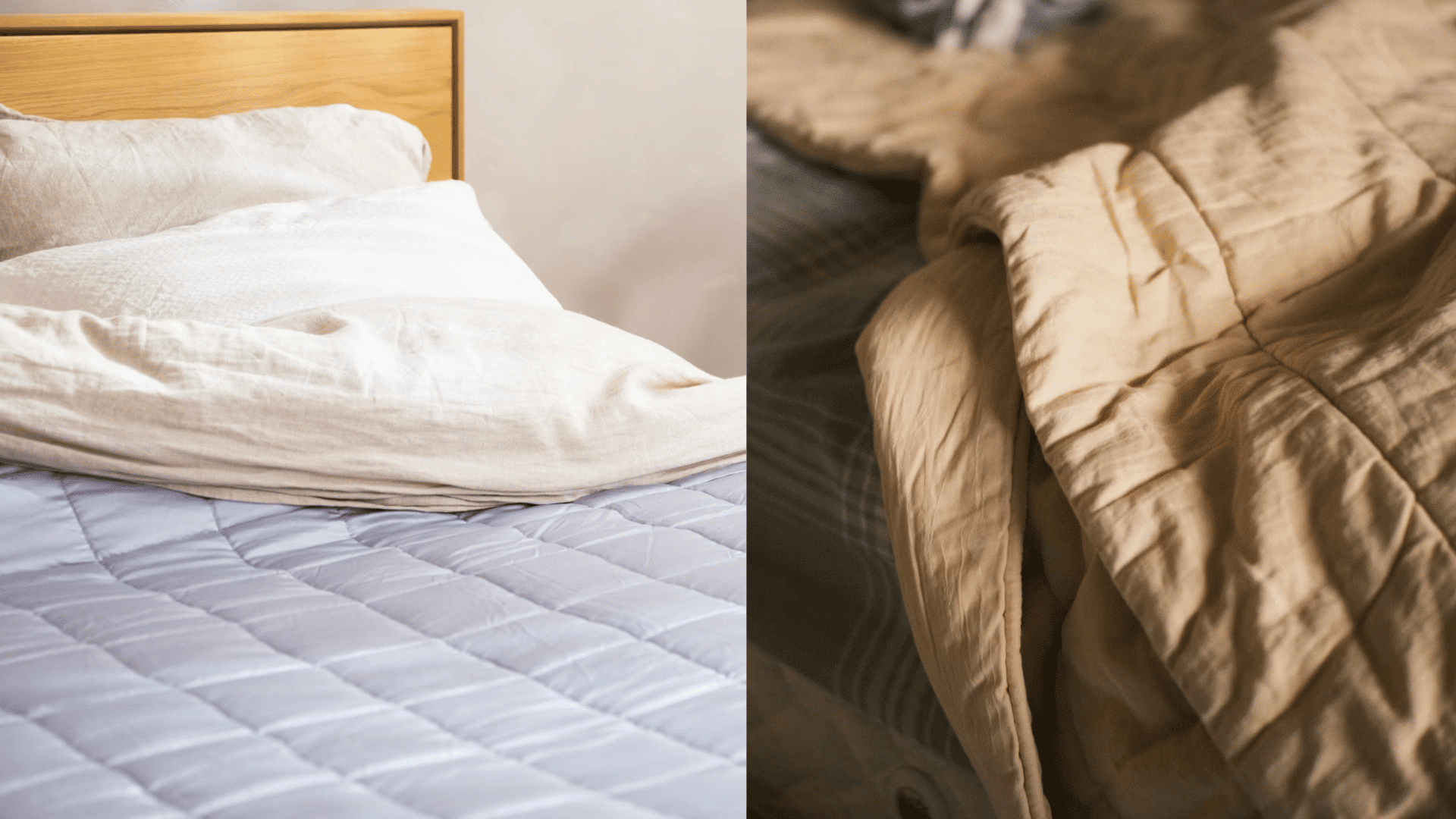
Understanding these differences helps you choose bedding that matches your comfort, climate, decorating style, and everyday sleeping preferences with confidence
1. Construction and Design
A quilt consists of three layers: a decorative top fabric, an insulating batting layer, and a backing fabric, all stitched together to keep the filling in place.
This layered construction creates a textured appearance and added comfort.
The biggest difference between a quilt and a coverlet is how they are made.
A coverlet, on the other hand, is usually woven or lightly quilted with little or no batting, resulting in a thinner, simpler bedding layer that feels less bulky.
2. Thickness and Weight
Quilts are noticeably thicker and heavier because they include a layer of batting that adds both cushioning and insulation. This extra weight creates a cozy feel without being as bulky as some comforters.
Coverlets are much thinner and lighter, making them easier to fold, store, and move around the bed.
Their slim profile gives the bed a clean, streamlined appearance while providing just enough coverage for those who prefer lightweight bedding throughout much of the year.
3. Warmth and Insulation
A quilt provides moderate warmth because its stitched batting helps trap body heat while remaining breathable.
It works well as a standalone blanket during cool nights or as an extra layer in colder weather. A coverlet offers only light insulation since it contains little or no filling.
Instead of serving as the primary source of warmth, it is better suited for warm climates, summer months, or decorative layering beneath heavier bedding when temperatures drop.
4. Primary Purpose
Although both bedding options enhance the look of a bedroom, they serve slightly different purposes.
Quilts combine decorative appeal with everyday functionality, providing both warmth and visual interest through stitched patterns and layered construction.
Coverlets are primarily designed to create a neat, finished appearance on the bed while adding a light layer of comfort.
Many people choose coverlets mainly for styling, using them alongside duvets or comforters rather than relying on them alone for warmth.
5. Size and Bed Coverage
Quilts are generally designed with a moderate overhang that extends beyond the mattress edges, giving the bed a fuller appearance while still allowing easy layering. They usually do not reach the floor like traditional bedspreads.
Coverlets are cut closer to the mattress and provide a more tailored fit with minimal side drape.
This clean, structured look makes coverlets especially popular in contemporary and minimalist bedrooms where crisp, uncluttered bedding is preferred.
6. Best Season to Use
The ideal choice depends largely on the season and your local climate. Quilts are better suited for fall, winter, and cooler regions because their insulated construction provides more warmth without excessive bulk.
Coverlets are ideal during spring, summer, and mild weather when only a lightweight layer is needed for comfortable sleep.
Many households switch between the two throughout the year, using quilts in colder months and coverlets in warmer months.
7. Layering with Other Bedding
Both quilts and coverlets work well in layered bedding, but they are typically used in different ways.
A quilt can serve as the main blanket or be combined with additional blankets and comforters during colder months for extra insulation.
A coverlet is most often layered over sheets and beneath a duvet or comforter, or folded neatly across the foot of the bed. This arrangement adds texture, depth, and a professionally styled appearance.
8. Appearance and Style
Quilts often feature decorative stitching, patchwork, embroidered details, or intricate patterns that create a classic, handcrafted appearance.
Their textured finish makes them a focal point in traditional, farmhouse, or cottage-style bedrooms.
Coverlets generally have a smoother, cleaner design with woven textures or subtle quilting that complements modern, contemporary, and minimalist interiors.
Their understated appearance makes it easy to refresh a bedroom’s style without overwhelming the overall décor.
9. Care and Maintenance
Quilts often require a little more effort to maintain because their thicker construction can make washing and drying more time-consuming.
Larger quilts may require an oversized washing machine to clean them properly without damaging the stitching. Coverlets are lighter, making them easier to machine wash, quicker to dry, and more convenient for regular cleaning.
Their low-maintenance design makes them a practical choice for busy households that frequently refresh bedding.
How to Choose Between a Coverlet and a Quilt?
Choosing the right bedding depends on your comfort preferences, climate, and how you like your bed to look and feel.
- Climate: Choose a coverlet if you live in a warm or humid climate. A quilt is better for cooler regions where extra insulation is needed.
- Sleeping Temperature: Hot sleepers often prefer a lightweight coverlet, while those who get cold at night usually sleep more comfortably under a quilt.
- Bedroom Style: Coverlets create a clean, modern, and tailored look. Quilts add texture, color, and a cozy feel that suits traditional, farmhouse, or cottage-style bedrooms.
- Layering Preferences: If you enjoy layering bedding, a coverlet works well beneath a duvet or comforter. A quilt can be used alone or layered with blankets during colder months.
- Ease of Maintenance: Coverlets are lighter, easier to machine wash, and dry faster. Quilts require a little more care because of their thicker, three-layer construction.
Coverlet vs Quilt: Key Difference at a Glance
Understanding the key differences between quilts and coverlets makes it easier to choose bedding that suits your comfort, style, and climate.
| Feature | Coverlet | Quilt |
|---|---|---|
| Construction | Woven or lightly quilted with little or no batting | Three layers: top fabric, batting, and backing stitched together |
| Thickness | Thin and lightweight | Thicker with added cushioning |
| Warmth | Light insulation for warm weather | Moderate insulation for cooler weather |
| Primary Use | Decorative layer or lightweight bedding | Everyday blanket that combines warmth and style |
| Bed Coverage | Tailored fit with minimal overhang | Moderate overhang for a fuller look |
| Best Season | Spring, summer, and mild climates | Fall, winter, and cooler climates |
| Layering | Best under a duvet or folded at the foot of the bed | Can be used alone or layered with blankets |
| Style | Clean, modern, and minimalist | Textured, classic, farmhouse, or traditional |
| Maintenance | Easy to wash and quick to dry | Heavier and may require larger washers |
| Best For | Hot sleepers and decorative bedding | Cold sleepers and year-round comfort |
Can You Use a Coverlet and Quilt Together?
Yes, a coverlet and quilt can be used together to add warmth, create layered bedding, and achieve a polished, versatile bedroom style.
Using both gives you greater flexibility throughout the year. In winter, place the quilt over the coverlet for added insulation and comfort. During summer, use the coverlet alone for lightweight coverage.
For a hotel-style bed, layer the coverlet beneath a duvet or quilt to create a crisp, structured look.
You can also fold the coverlet or quilt across the foot of the bed as a decorative accent, adding texture, color, and an inviting finished appearance without making the bed feel bulky.
Different Types of Bedding Compared
Understanding the differences between common bedding types helps you choose the right combination for comfort, warmth, style, and everyday use.
| Bedding Type | Construction | Warmth Level | Typical Use | Best For |
| Coverlet | Woven or lightly quilted with little or no batting | Light | Decorative top layer or lightweight bedding | Warm climates, summer, layering |
| Quilt | Three layers with stitched batting between the top and the backing | Moderate | Everyday blanket with decorative appeal | Year-round use and cooler nights |
| Duvet | Soft insert filled with down or synthetic fibers inside a removable cover | High | Primary warmth layer | Cold climates and maximum comfort |
| Bedspread | Single decorative fabric layer with floor-length coverage | Light to Moderate | Covers the entire bed for a traditional look | Formal or classic bedroom styles |
| Blanket | Single woven fabric layer such as cotton, fleece, or wool | Light to Moderate | Extra warmth beneath or over other bedding | Everyday layering and seasonal warmth |
| Comforter | Thick stitched shell filled with down or synthetic fibers | High | Standalone bedding without a removable cover | Cold sleepers and winter use |
Are Coverlets or Quilts More Expensive?
Generally, quilts are more expensive than coverlets because their three-layer construction, extra materials, and detailed stitching increase production costs.
Prices vary depending on the fabric, craftsmanship, brand, and bed size. Basic coverlets typically range from $30 to $100, while premium options can exceed $200.
Quilts usually start around $50 to $150, with handcrafted or designer quilts often costing $300 or more.
If you’re shopping on a budget or want a lightweight decorative layer, a coverlet is usually the more affordable choice.
However, a well-made quilt often offers better long-term value thanks to its durability, warmth, and versatility, making it a worthwhile investment for year-round use.
When Should You Replace a Coverlet or Quilt?
Replace your coverlet or quilt when damage, reduced comfort, difficult cleaning, or changing needs make it less practical for everyday use.
- Visible Wear and Tear: Frayed edges, thinning fabric, holes, and faded areas show that the bedding is becoming worn and may no longer hold up well.
- Loss of Warmth and Loft: A quilt should be replaced when its batting becomes flat, uneven, or no longer provides the warmth and cushioning it once offered.
- Permanent Stains or Lingering Odors: Stains and odors that remain after proper washing may indicate that the fabric has absorbed dirt, moisture, or body oils over time.
- Loose or Damaged Stitching: Broken seams and loose quilting stitches can allow the filling to shift, creating uneven areas and reducing the quilt’s durability.
- Changing Comfort or Lifestyle Needs: New sleeping preferences, a different climate, a larger bed, or updated décor may make your current bedding unsuitable.
- Buildup of Allergens Over Time: Bedding that continues to trigger allergy symptoms despite regular cleaning may need to be replaced to maintain a fresher sleeping environment.
Conclusion
Choosing between a coverlet and a quilt comes down to your comfort needs, local climate, and preferred bedroom style.
A coverlet is a lightweight option that works well for warm weather, decorative layering, and easy maintenance, while a quilt provides extra warmth, texture, and versatility for year-round use.
Understanding their differences in construction, insulation, and everyday use makes it easier to select the bedding that best suits your home.
If you enjoy changing your bedding with the seasons, there’s no reason you can’t use both together.
With the right choice, you can create a bed that’s comfortable, practical, and visually appealing throughout the year.
Frequently Asked Questions
What Is Another Name for a Coverlet?
A coverlet is sometimes called a bed cover, lightweight bedspread, or decorative blanket. However, these terms may differ slightly depending on style and construction.
Why Are People No Longer Using Top Sheets?
Many people skip top sheets because duvets with washable covers are easier to maintain. Fewer bedding layers also create a simpler, more modern sleeping setup.
Does a Coverlet Go Over a Comforter?
A coverlet is usually placed beneath a comforter or folded across the foot of the bed. It can also replace a comforter during warmer months.