

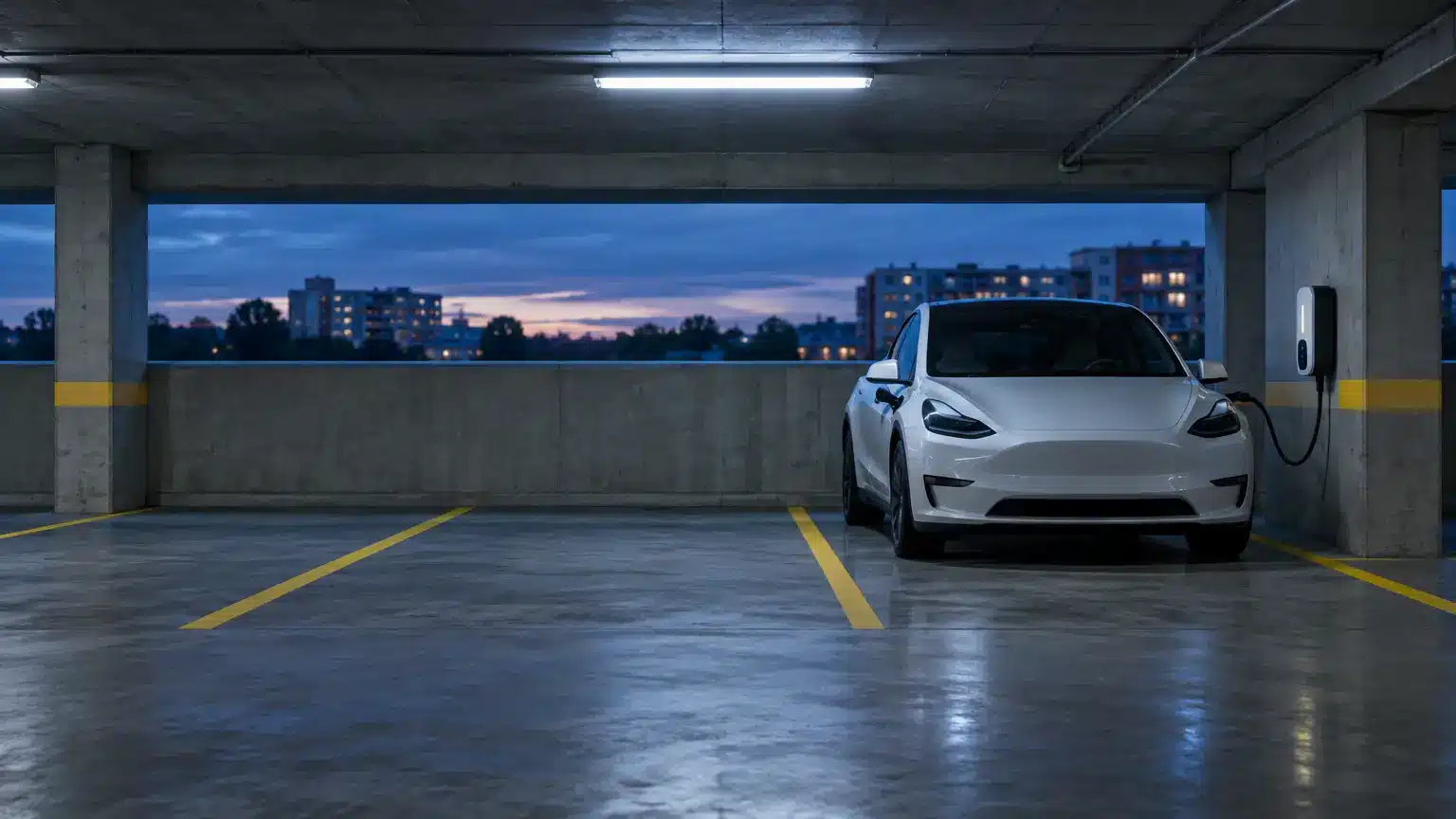
Most renters assume that once a lease says “assigned parking,” the space belongs to them. The spot is licensed, not owned, and the terms of that license are changing faster than most leases can keep up with.
Electric vehicles need power, guests need somewhere to land, and delivery drivers need thirty seconds at the curb. Every one of those needs runs through a few short paragraphs buried near the back of the rental agreement.
The parking clause used to be boilerplate. Now it’s one of the more contested pieces of the lease, and the friction is showing up in small, expensive ways for both sides.
The Problem Sits in a Clause Nobody Reads
Parking language in a standard lease was written for a world where a household had one or two gas cars and a visitor showed up for dinner on the weekend. Now, a household might run an EV that needs to plug in overnight, a second car that only drives on weekends, a rideshare account that spins up a stranger’s sedan at the curb three times a week, and a steady rotation of grocery and package deliveries.
None of that shows up in the clause. What shows up is a sentence or two about assigned spaces, a line about guest parking being available “as marked,” and a towing policy that references a company nobody has heard of. When a dispute starts, that thin paragraph is the whole rulebook. It’s why smart operators, including firms that handle residential property management, spend real time rewriting parking terms before a building fills up rather than after the first tow.
Why “Just Add More Rules” Doesn’t Fix It
The obvious response is to bolt on more language. A longer parking addendum. Tighter guest limits, a vehicle registry, and a stricter towing schedule.
On paper it feels like control. In practice, it creates three predictable problems.
- Rules that ignore the vehicle mix. A guest-parking cap of two vehicles per week made sense before ridesharing, home health aides, and same-day grocery drop-offs were routine. Cap the wrong number and you’ve criminalized normal life.
- Rules the landlord can’t enforce. Registering every plate sounds tidy until a tenant buys a new car and forgets to update the list. Enforcement that depends on a manager walking the lot twice a day quietly stops happening by month three.
- Rules that collide with the law. Towing statutes, disability accommodation requirements, and state right-to-charge laws all constrain what a lease can do. A clause that ignores them is a lawsuit waiting for a slow week.
Tenants don’t own assigned spaces, but the lease that grants them use has to spell out guest rules, fees, towing, and accessibility, or the landlord is the one exposed when something goes sideways.
What About the EV Chargers?
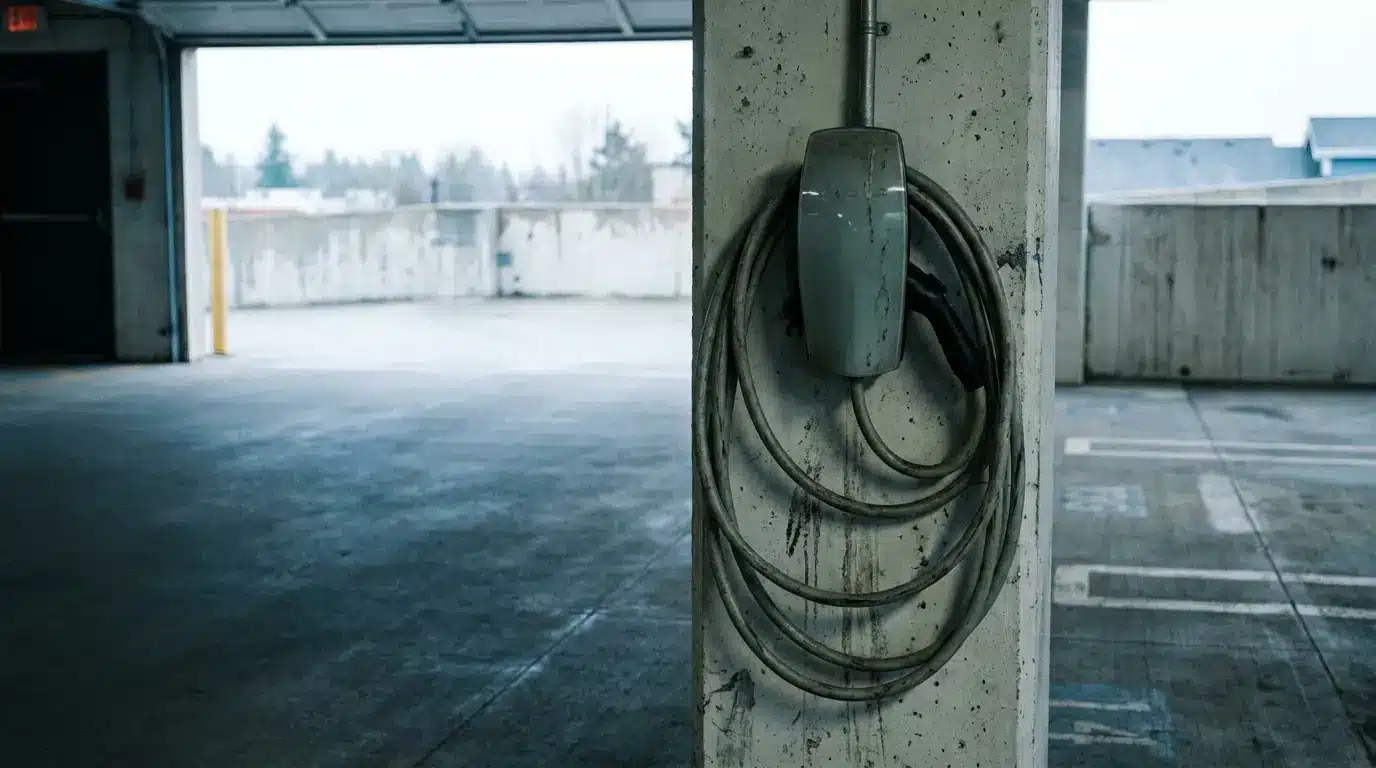
The charger question is where the parking clause stops being a nuisance and starts being a capital decision. A tenant with an EV isn’t asking for a parking preference. They’re asking for an electrical circuit, permanent conduit, and a spot they can rely on for the length of the lease.
Several states now require landlords to approve reasonable tenant requests to install a charger in a designated space, subject to code, insurance, and cost conditions. The federal AFDC summary lays out how those approvals work and who pays for what. Ignoring the trend doesn’t pause it.
Renters shopping for EV-friendly buildings notice which ones have thought this through, and which ones are pretending the question isn’t on the table.
Write the Clause for the Building You Actually Have
A parking clause that holds up does a few boring things well.
- Name the space. Assign it by number, note whether it’s exclusive or shared, and say what happens if the building has to reassign for construction or accessibility. Vague language here is where most disputes start.
- Define “guest”. Set a realistic time limit, a way to register a visitor, and a policy for rideshares and deliveries that doesn’t pretend they’re the same thing as a house guest.
- Address charging up front. Say whether tenants can install a charger, who pays for the install, who owns the fixture at move-out, and how electricity is metered. Silence on this now usually invites a fight later.
- Publish the tow rules. Name the tow company, the signage, the notice period, and the appeal path. Most jurisdictions require some version of this in writing at signing anyway.
None of this is unusual. It’s the same practice good operators already apply to pet policies and maintenance requests, applied to the piece of the property everyone uses every day. A lease that treats parking as a serious clause, not a footnote, ages well as vehicles, guests, and power draw keep changing underneath it.