

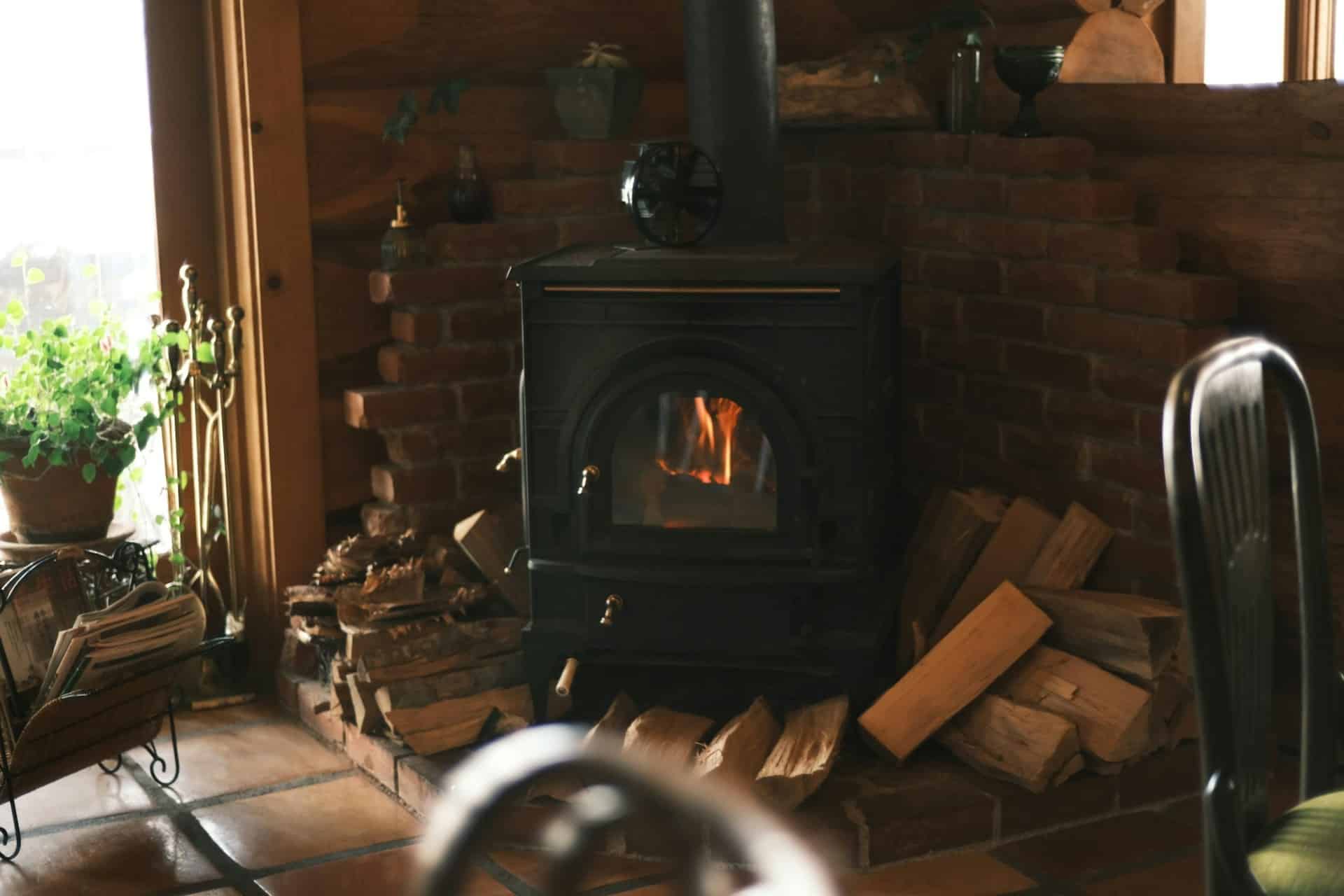
There’s something magical about gathering around a wood stove on a cold winter evening. Maybe it’s the gentle crackling sounds, the mesmerizing dance of flames behind the glass, or simply the cozy warmth that seems to radiate through your entire home. Whatever it is, wood stoves have made a serious comeback in modern home design, and honestly, I totally get why.
Beyond the obvious practical benefits like lower heating bills and reliable backup heat during power outages, a wood stove brings an element of rustic charm that no modern furnace can match. It becomes a focal point in your room, a gathering spot for family and friends, and let’s be real, there’s something deeply satisfying about heating your home with your own hands.
If you’ve been thinking about adding a wood stove to your space, you’re probably wondering about more than just how it works. You want to know how it’ll look, whether it’ll fit your style, and how complicated the whole installation process really is. Let’s walk through everything you need to know to make this project a reality.
Creating Your Wood Stove Aesthetic
Before we dive into the technical stuff, let’s talk about what really matters in home design, how your wood stove is going to look in your space. Because here’s the thing, a wood stove isn’t just a heating appliance. It’s a statement piece that can completely transform the feel of your room.
The classic look features a traditional cast iron stove in black, which pairs beautifully with farmhouse, rustic, or traditional interiors. These stoves often have ornate details, curved lines, and that timeless silhouette that instantly says “cozy cabin.” If this is your vibe, you’ll love how a black wood stove pipe completes the look, creating a cohesive vintage aesthetic from stove to ceiling.
But wood stoves aren’t just for rustic spaces anymore. Modern designs feature clean lines, large viewing windows, and sleek finishes that work perfectly in contemporary homes.
Think matte black steel with minimal ornamentation, or even stoves with soapstone or tile accents that add texture and visual interest. These contemporary models look right at home in minimalist Scandinavian-inspired spaces or modern industrial lofts.
Then there’s the whole spectrum in between, stoves with enamel finishes in colors like cream, red, or blue that add a pop of personality. Pedestal-style stoves that seem to float above the floor, creating a lighter visual footprint. Corner models that tuck neatly into unused space while still making a design statement.
The key is choosing a stove that enhances your existing style rather than fighting against it. Walk through your space and really visualize where the stove will sit.
Consider the sight lines from different angles. Think about the materials and colors already present in your room. Your wood stove should feel like it belongs, not like an afterthought that someone awkwardly squeezed into the corner.
The Foundation: Planning Your Installation
Once you’ve fallen in love with a particular stove, it’s time to think practically about installation. This is where a lot of people get intimidated, but I promise it’s more straightforward than you might think, especially once you understand the basic components.
Your wood stove installation consists of a few key elements working together. The stove itself sits on a non-combustible hearth pad, which protects your flooring from heat and any stray sparks or embers. From the stove, single-wall stove pipe extends upward to your ceiling or out to your wall.
This visible pipe can be part of your design aesthetic, which is why choosing between black pipe or stainless steel matters for the overall look.
Where that stove pipe meets your ceiling or wall, you transition to what’s called class A chimney pipe, which is insulated and designed to safely pass through combustible materials like your ceiling, attic, and roof. This chimney pipe extends up through your home and out above your roofline, where it’s topped with a cap to keep rain and debris out.
Location planning is crucial. You want your stove positioned where it can actually heat the spaces you use most. A stove tucked in a back room might look great, but it won’t do much for your main living areas. At the same time, you need to maintain proper clearances from walls, furniture, and anything else that could potentially catch fire. Most stoves require at least 36 inches of clearance, though some models with heat shields can sit closer to walls.
Think about traffic flow too. You don’t want your wood stove in a high-traffic pathway where people might accidentally bump into it or where kids or pets could get too close. Consider the visual impact from different rooms and angles. Will the stove be a pleasing focal point, or will it awkwardly block views or interfere with furniture placement?
The route your chimney takes matters both functionally and aesthetically. A straight vertical run through your ceiling is ideal for performance, it creates the best draft and requires the fewest components. But you also need to think about where that pipe will exit your roof. Will it look balanced and proportional, or will it awkwardly emerge in a weird spot that throws off your home’s exterior appearance?
Understanding the Technical Components
Let’s break down what you’re actually working with, because understanding these components helps you make better decisions and communicate more effectively with suppliers or installers.
The hearth pad creates your fire-safe foundation. This needs to be made from non-combustible materials like tile, stone, brick, or metal, and it must extend far enough in front of and to the sides of your stove to catch any embers that might escape when you open the door. Most building codes require at least 16 inches in front and 8 inches on the sides, but check your specific stove’s requirements as they can vary.
Single-wall stove pipe is what connects your stove to the transition point. It’s called single-wall because it’s literally just one layer of metal, typically steel. This pipe gets hot during operation, which is why it needs those large clearances from anything combustible.
The advantage is that it radiates heat into your room, actually contributing to your overall heating. Plus, it’s more affordable than insulated pipe, and if you choose black pipe, it creates that classic wood stove aesthetic many people love.
Class A chimney pipe is where the magic happens for safety. This insulated pipe keeps the outside surface cool enough to safely pass through your walls, ceiling, and roof while maintaining the internal heat needed for good draft. Quality matters here, better insulation means better performance, less creosote buildup, and fewer issues with draft on cold mornings.
The ceiling support box or wall thimble is where you make the transition from single-wall to Class A pipe. This component is specifically engineered to maintain proper clearances while providing structural support for the chimney pipe above it. It’s not something to improvise or skip, this is your primary safety barrier between hot pipes and the combustible materials in your home’s structure.
Up on your roof, you need proper flashing to create a watertight seal around where the pipe penetrates. This typically includes base flashing that integrates with your shingles, a storm collar that fits snug around the pipe, and sealant to ensure water can’t find its way into your home. Taking your time with this step prevents expensive water damage down the road.
Finally, you cap the whole system with a rain cap that keeps weather out while allowing smoke to vent freely. Some designs also include spark arrestors, which can be required in certain areas prone to wildfires.
Safety and Code Compliance
Before we go any further, we need to talk about safety and regulations. I know, I know, this is the less fun part, but it’s absolutely crucial. Wood stoves generate serious heat, and if not installed properly, they can present real fire hazards.
First and most important, always buy an EPA-certified wood stove. The Environmental Protection Agency maintains strict standards for wood-burning appliances to reduce emissions and ensure safe operation. According to the EPA’s guidelines for wood-burning appliances, modern certified stoves produce dramatically less smoke than older models, just 2.0 grams per hour compared to 15 to 30 grams per hour from uncertified stoves. Look for that EPA certification label on the back of any stove you’re considering.
Beyond federal regulations, check your local building codes. Many jurisdictions require permits for wood stove installations, and some have specific requirements beyond federal standards. Certain areas with air quality concerns might have restrictions on when you can burn, or might require specific types of stoves. It’s worth a call to your local building department before you buy anything.
Clearances are non-negotiable. If your stove manual says 36 inches from combustible walls, that’s a minimum based on actual fire testing, not a suggestion with built-in wiggle room. These clearances exist because materials can ignite from sustained exposure to heat, even without direct flame contact. Take them seriously.
Consider having a professional inspect your work before you fire up your stove for the first time. Many insurance companies actually require professional installation or at least professional inspection for wood-burning appliances. Even if yours doesn’t, the peace of mind is worth the relatively small cost of having an expert verify that everything is safe and up to code.
Choosing Quality Components
When it comes to buying the actual components for your installation, quality matters more than you might think. Your chimney system is literally the pathway for hot gases and smoke to safely exit your home, and cheap components can fail in ways that range from inconvenient to downright dangerous.
For reliable products and expert guidance, Flue-Pipes.com has built a solid reputation in the industry. They offer comprehensive selections of chimney components specifically designed for wood stove installations, from complete systems to individual parts for custom setups.
More importantly, they provide the kind of technical support that helps both DIY homeowners and professional installers get things right. Their expertise in product selection and installation planning can be invaluable when you’re working through the details of your specific project.
When evaluating any supplier or components, look for products from established manufacturers with proven track records. Check that everything is listed by recognized testing agencies, UL, ULC, or similar organizations. These listings mean the products have been independently tested and verified to meet safety standards.
Don’t be tempted to mix and match components from different manufacturers unless you’re certain they’re compatible. Chimney systems are engineered as complete systems, and pieces from different brands may not fit together properly even if they’re the same diameter. Gaps, poor seals, or improper connections can create safety hazards and performance issues.
The price difference between budget and quality components often comes down to hundreds of dollars, not thousands. Given that you’re installing a system that will be in your home for decades, that modest price difference is worth it for better materials, better insulation, better performance, and better safety margins.
The Installation Process: What to Expect
If you’re planning to tackle the installation yourself, understanding the general process helps you prepare and avoid surprises. If you’re hiring a professional, knowing what’s involved helps you understand what you’re paying for and what questions to ask.
The process typically starts with preparing your hearth area. If you don’t already have a non-combustible floor, you’ll need to install your hearth pad first. This might mean laying tile over cement board, installing a prefabricated metal pad, or building up a platform of brick or stone. Whatever approach you choose, make sure it extends far enough to meet code requirements.
Next comes positioning the stove itself. This seems simple but requires care. The stove needs to be level, both for proper door operation and for optimal draft. You need to verify clearances in all directions. And you want to think through how you’ll load wood, clean ash, and perform maintenance, adequate working space around the stove makes a huge difference in daily use.
Installing the stove pipe comes next. This is where orientation matters, and it’s one detail that trips up many first-timers. Stove pipe sections should be assembled with the crimped end pointing down toward the stove. This “male end down” configuration means any creosote or condensation that forms will drip back down into the stove rather than leaking out through the joints.
Each section should overlap by at least an inch and a half, and you’ll want to secure every joint with three screws evenly spaced around the pipe.
When you reach your ceiling or wall, you install the support box or thimble according to the manufacturer’s instructions. This involves cutting a hole in your ceiling or wall that’s large enough to maintain proper clearances, securing the support component to your framing, and ensuring everything is plumb and properly aligned.
From there, you assemble the Class A chimney pipe sections. These typically twist-lock together, creating secure connections that can handle thermal expansion and contraction. The pipe needs to extend at least three feet above the highest point where it passes through your roof, and at least two feet higher than anything within ten feet horizontally.
This is often called the three, two, ten rule, and it’s essential for creating adequate draft and preventing downdrafts from wind turbulence.
The roof penetration is probably the most critical step for preventing future problems. Your flashing needs to integrate properly with your existing roofing, sliding under upper shingles and over lower shingles to create a shingled effect.
The storm collar needs to fit snugly against the pipe and angle downward to direct water away. Sealant should be applied generously at all potential water entry points. Take your time here, fixing a leaky roof penetration later is expensive and frustrating.
Finally, you cap everything off and do a thorough inspection before lighting your first fire. Check that all connections are secure, verify clearances one more time, make sure your hearth pad is properly positioned, and confirm that you have working smoke and carbon monoxide detectors in your home.
Living With Your Wood Stove
Once installation is complete, there’s a learning curve to actually operating your wood stove efficiently. New wood stove owners often treat them like fireplaces, throwing in logs and opening the air wide, but modern EPA-certified stoves are designed to burn with controlled airflow for maximum efficiency and minimum emissions.
Start with good fuel. Burn only dry, seasoned wood that’s been cut, split, and dried for at least six months to a year. Wet wood produces more smoke, creates more creosote buildup, provides less heat, and makes your stove frustrating to operate. The investment in good firewood pays dividends in better performance and less maintenance.
Learn to read your fire and adjust air controls accordingly. Most stoves have a sweet spot where they burn hot and clean without wasting heat up the chimney. This typically means starting with air wide open to get a good coal bed established, then gradually closing the air down once the fire is going strong. A magnetic thermometer on your stove pipe helps you stay in the optimal temperature range.
Establish a maintenance routine from the start. Inspect your chimney at least once a year before heating season. Look for creosote buildup, which appears as a dark, tar-like coating on the inside of your pipe. Light accumulations can be brushed away, but heavy buildup requires professional cleaning and indicates you might need to adjust how you’re operating your stove.
Keep your stove clean too. Remove ash regularly, but leave a thin layer on the bottom, this bed of ash actually helps protect your firebox and provides insulation that improves combustion. Clean the glass periodically, many stoves have an air wash system that helps keep the glass clear, but you’ll still need to clean it occasionally with specialized wood stove glass cleaner.
Making It Work in Your Space
Beyond the technical aspects, think about how your wood stove will integrate into your daily life and your home’s overall design. This is where the practical meets the aesthetic, and getting it right makes all the difference.
Consider the visual balance in your room. A large stove can overwhelm a small space, while a small stove might look lost in a big, open-plan area. The hearth pad is part of your design too, this is an opportunity to use materials that complement your flooring and overall style. Stone, tile, slate, brick, or metal can all work beautifully depending on your aesthetic.
Think about decorating around your stove. What will sit on the mantel or shelf above? Will you display firewood in a decorative rack nearby? How will you store tools like your poker, brush, and shovel, and will they be functional tools or also decorative elements? These details contribute to creating a cohesive, intentional look rather than an afterthought installation.
The stove pipe itself is part of your design. Black pipe creates that classic, traditional look and radiates heat into your room. Stainless steel offers a more contemporary feel and might work better in modern spaces. Some people even paint their single-wall pipe, though you need to use proper high-temperature paint rated for this application.
Lighting matters too. Wood stoves create their own ambient glow, which is part of their charm, but think about how the area will be lit when the stove isn’t running. Good lighting showcases your stove as the focal point it deserves to be.
The Bigger Picture: Sustainable Home Heating
Adding a wood stove isn’t just about aesthetics and comfort, though those are certainly big parts of it. It’s also about taking more control over your home’s heating and reducing dependence on utility companies and fossil fuels.
Wood is a renewable resource when sourced responsibly. Trees absorb carbon dioxide as they grow, and burning wood releases roughly the same amount of CO2 that would be released if the tree decomposed naturally in the forest. When you compare this to burning fossil fuels that add new carbon to the atmosphere, wood burning can be part of a more sustainable approach to home heating.
Modern EPA-certified stoves are remarkably efficient, converting 70-80% of the energy in wood into usable heat. Compare that to older, uncertified stoves that might only achieve 40-50% efficiency, and you see why upgrading makes both environmental and economic sense.
There’s also the resilience factor. When winter storms knock out power, your wood stove keeps working. You’re not dependent on the grid, not worried about whether the utility company can keep up with peak demand, not vulnerable to supply disruptions or price spikes. There’s real peace of mind in knowing you can keep your family warm no matter what.
Bringing It All Together
Adding a wood stove to your home is a project that pays dividends in so many ways. The practical benefits of lower heating costs and backup heat are great, but honestly, those might not even be the best parts. It’s the ambiance, the gathering spot it creates, the ritual of building and tending a fire, the satisfaction of heating your home with your own hands.
The installation process might seem intimidating at first, but when you break it down into individual steps, it’s totally manageable. Start with careful planning, measuring your space and thinking through every detail before you order materials.
Invest in quality components from reputable suppliers. Follow manufacturer instructions and building codes exactly. Take your time with each step. Don’t hesitate to call in professionals for the parts you’re less confident about, or to inspect your completed work.
The result will be a beautiful, functional heating system that enhances your home’s comfort and character. Every time you light a fire and feel that warmth spreading through your space, you’ll be glad you took the time to do it right.
Whether you’re drawn to the rustic charm of a traditional cast iron stove or the sleek lines of a modern design, whether you’re heating a cozy cabin or a contemporary home, the right wood stove can transform your space. It becomes more than just a heat source, it becomes the heart of your home, the place where everyone naturally gathers on cold winter evenings.
And that’s really what home improvement is all about, creating spaces that work better and feel better, spaces that reflect your style and support your lifestyle. A wood stove does all of that and more. So if you’ve been thinking about adding one to your home, now you know what it takes to make it happen. Time to roll up those sleeves and create something truly special.