

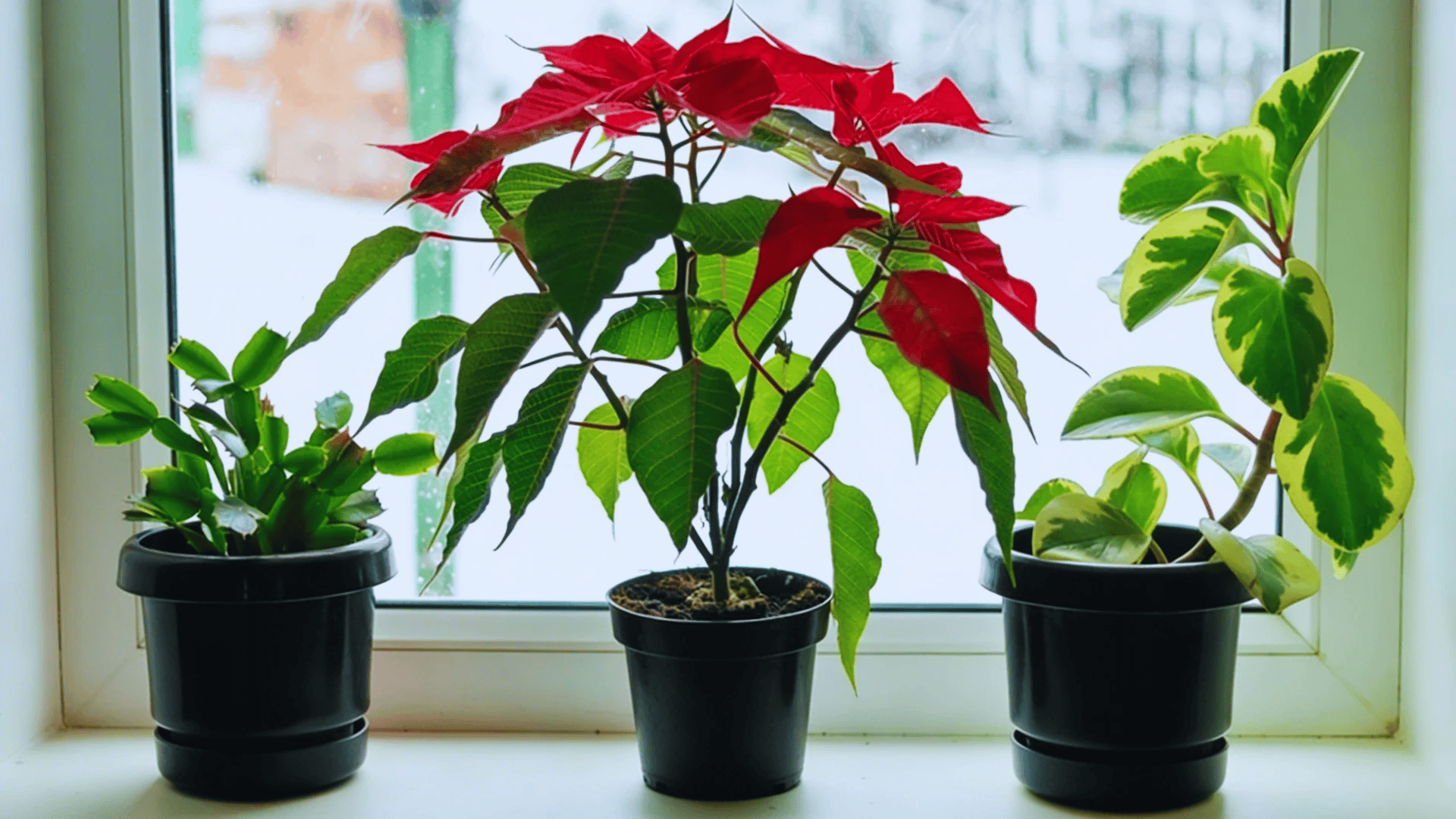
Not every home gets bright sunlight all day, and that can make plant care feel harder than it needs to be.
I’ve had the same issue in rooms that stay dim most of the time. That’s where low-light plants indoors make a big difference.
These plants can grow well, stay healthy, and even bloom with soft or indirect light. In this article, I’ll share the best indoor flowering plants that work in low light.
You’ll also find simple care tips, ways to help plants bloom more, and how to choose the right one for your space.
Everything is explained clearly, so plant care feels simple and easy to follow. If you want plants that don’t need perfect light or constant effort, this guide will help you get started.
With the right plants, low-light rooms can still look fresh.
What Are Low-Light Indoor Flowering Plants?
Low-light indoor flowering plants are plants that can grow and bloom with little sunlight.
They do not need direct sunlight from a window. Instead, they do well in rooms with soft, indirect light or even shaded corners.
These plants are a good choice for homes with limited natural light.
They can still produce flowers, even when the light is not strong. Some types bloom all year, while others flower during certain seasons. It is important to understand that low light does mean no light.
These plants still need some light to stay healthy and bloom. A nearby window, even with filtered light, is usually enough.
Most low-light flowering plants are also easy to care for.
They often need less watering and can handle indoor conditions well. This makes them a simple option for beginners or busy people.
Benefits of Growing Flowering Plants Indoors
Indoor flowering plants add life to a space and make rooms feel fresher and more active. They also bring small daily comfort by adding color and natural elements inside the home.
- Improves Mood: Bright flowers can help lift mood and reduce stress during daily routines.
- Adds Natural Color: Flowers bring soft color to rooms without requiring extra decor.
- Supports Cleaner Air: Some plants help remove light indoor pollutants and improve air quality.
- Easy to Maintain: Many flowering plants need simple care and fit well into busy schedules.
- Works in Small Spaces: These plants can thrive on shelves, tables, or window sills.
- Creates a Calm Feel: Green leaves and blooms can make indoor spaces feel more relaxed.
Best Low-Light Indoor Flowering Plants
These plants grow well in soft or indirect light and still produce flowers indoors. They are easy to manage and work well in rooms with limited sunlight.
1. African Violet
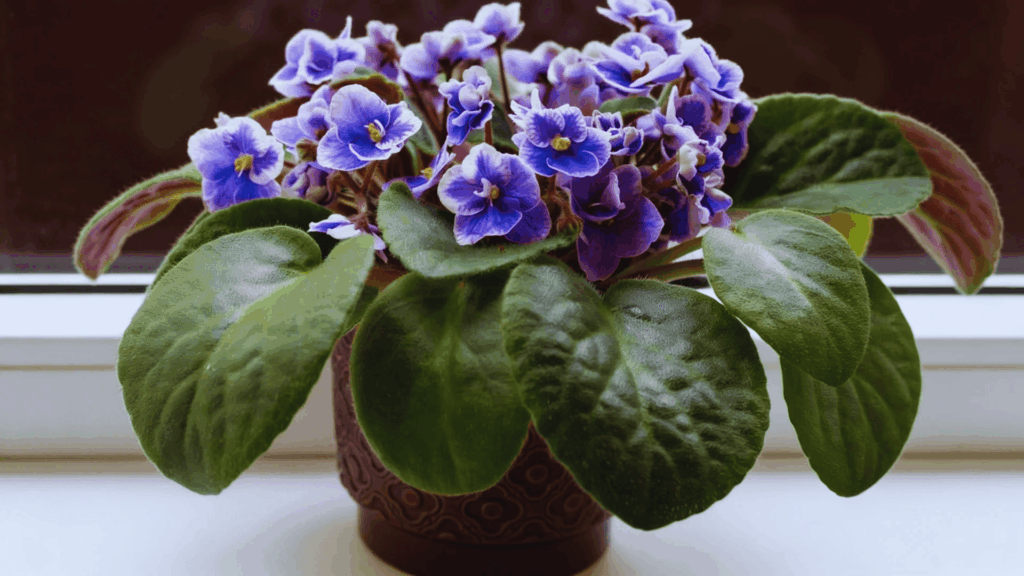
African violet is a small plant known for its soft, colorful blooms in purple, pink, and white shades.
It grows compactly, making it perfect for tables and shelves. This plant does well in bright, indirect light and can also manage in low light if placed near a window.
It prefers slightly moist soil and steady indoor conditions. Regular feeding helps it bloom more often.
With simple care and stable light, African violets can flower throughout the year, making them a reliable choice for indoor spaces.
2. Peace Lily
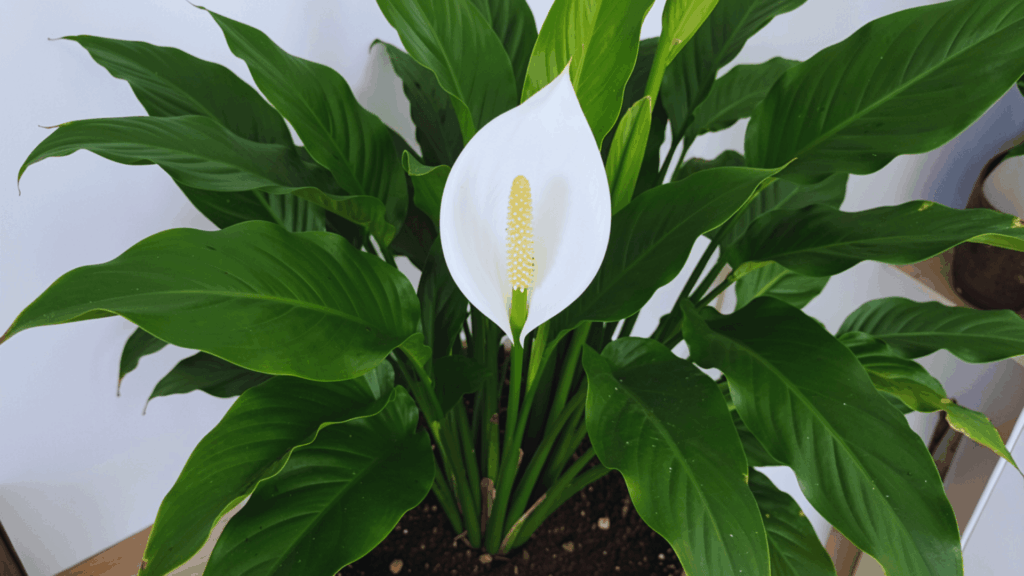
Peace lily is a popular indoor plant with dark green leaves and clean white flowers.
It grows well in low light, which makes it ideal for corners and shaded rooms. While it can survive in dim areas, it blooms more often with moderate indirect light.
The plant needs watering when the soil feels dry and prefers a steady indoor temperature.
It also helps improve indoor air quality. Peace lilies are easy to care for and give any space a fresh look with very little effort.
3. Anthurium
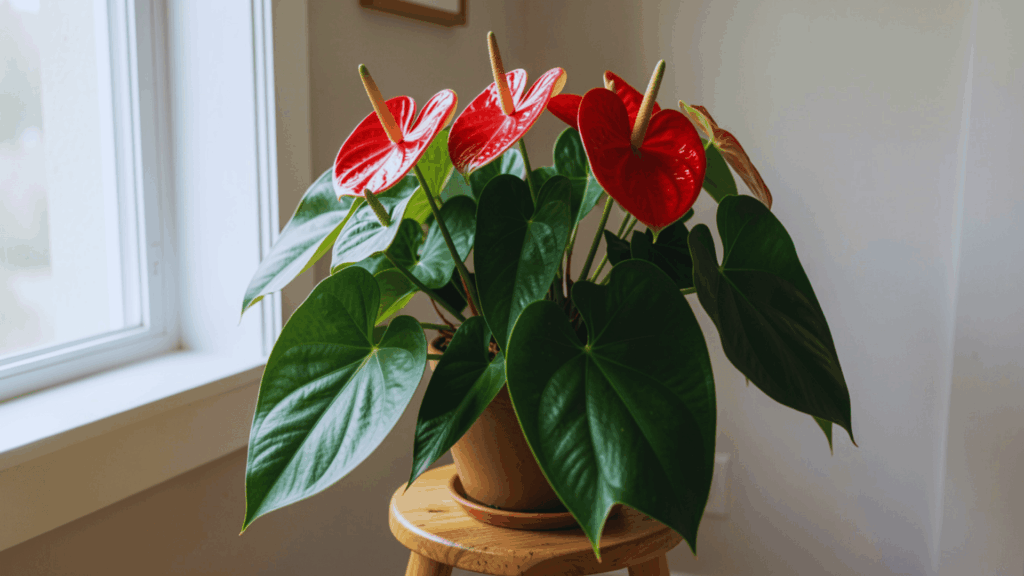
Anthurium stands out for its shiny leaves and long-lasting flowers in red, pink, white, or orange.
These flowers can stay for weeks, adding steady color indoors. It grows best in bright, indirect light but can adjust to lower light conditions.
Regular watering and good drainage are important to keep roots healthy.
The plant prefers warm indoor spaces and stable humidity. With the right balance of light and care, anthurium can bloom many times during the year, making it a strong option for indoor decoration.
4. Christmas or Holiday Cactus
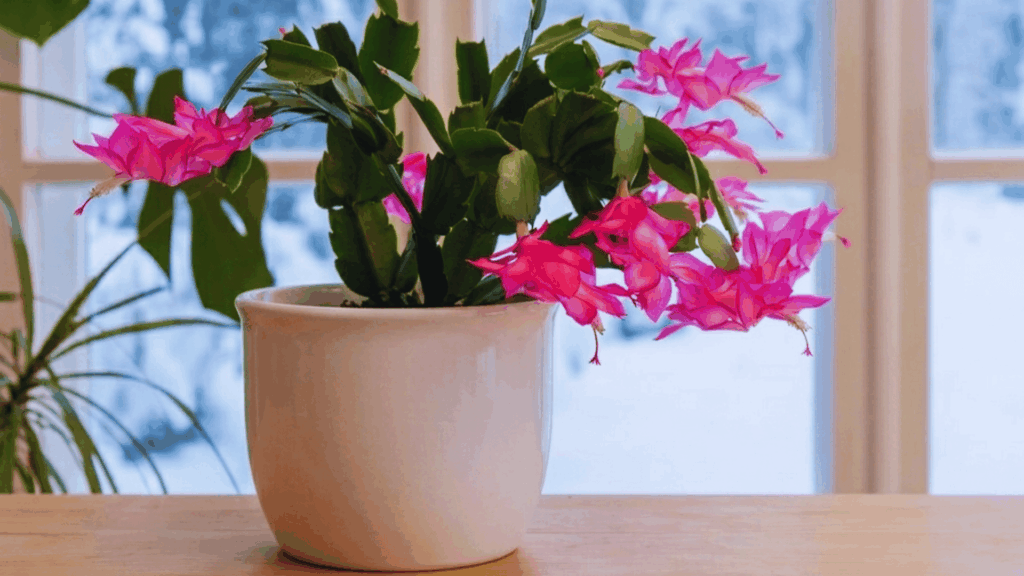
The Christmas cactus is a unique plant with flat, segmented stems and bright tubular flowers.
It usually blooms during the cooler months, adding color when most plants are not flowering. This plant does not need direct sunlight and grows well in indirect light.
It prefers slightly dry soil between watering and does best in stable indoor conditions. Cooler temperatures can help trigger blooming.
With simple care and the right light, Christmas cactus can produce flowers year after year without needing much attention.
5. Kalanchoe
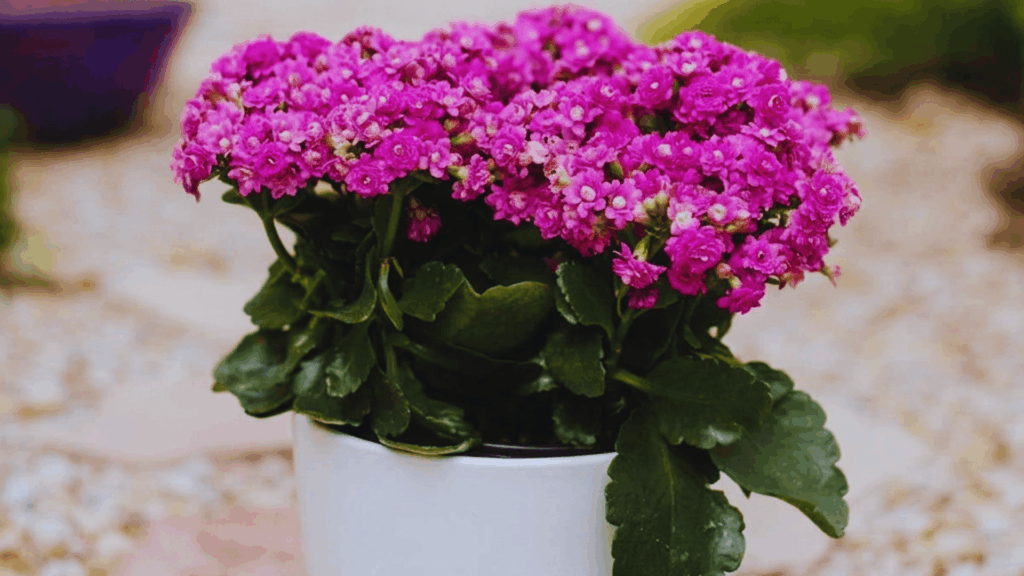
Kalanchoe is a small succulent plant known for its bright clusters of flowers in red, pink, yellow, and orange shades.
It grows well in bright, indirect light but can still manage in lower light if placed near a window. The thick leaves store water, so it does not need frequent watering.
Allow the soil to dry between watering to avoid root issues.
With basic care and enough light, kalanchoe can bloom for several weeks, making it a good choice for indoor color.
6. Bromeliads
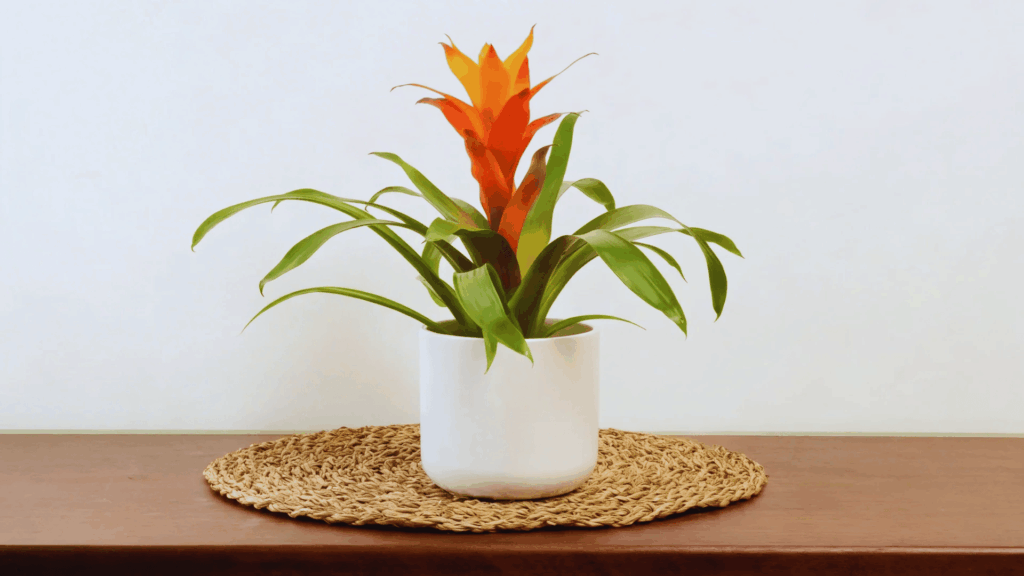
Bromeliads are known for their bold, colorful bracts that look like flowers and last for a long time.
These plants form rosettes and do well in filtered or indirect light. They can handle lower light better than many flowering plants, which makes them suitable for indoor spaces.
Water is usually added to the center cup rather than the soil. They prefer warm and humid conditions.
Bromeliads are low-maintenance and can keep their color for months, making them a strong option for indoor decoration.
7. Lipstick Plant
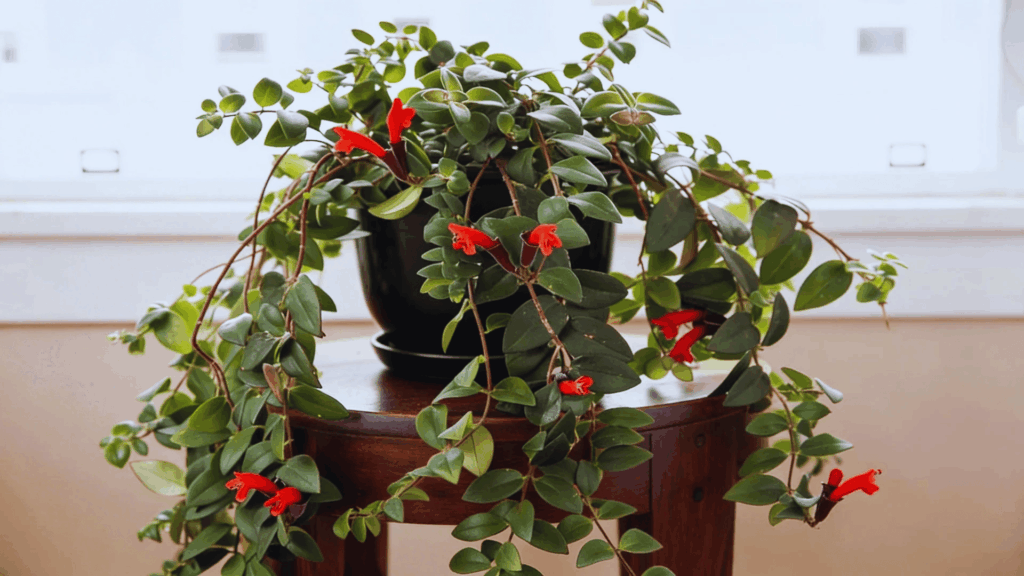
Lipstick plant is a trailing plant that produces red, tube-shaped flowers that stand out against its green leaves.
It works well in hanging baskets or shelves where the stems can fall naturally. This plant grows best in bright, indirect light but can tolerate lower light conditions indoors.
It needs moderate watering and prefers slightly moist soil, not too wet. Warm temperatures and good air flow help it grow better.
With proper care, the lipstick plant can bloom several times a year, adding color to indoor spaces.
8. Hoya or Wax Plant
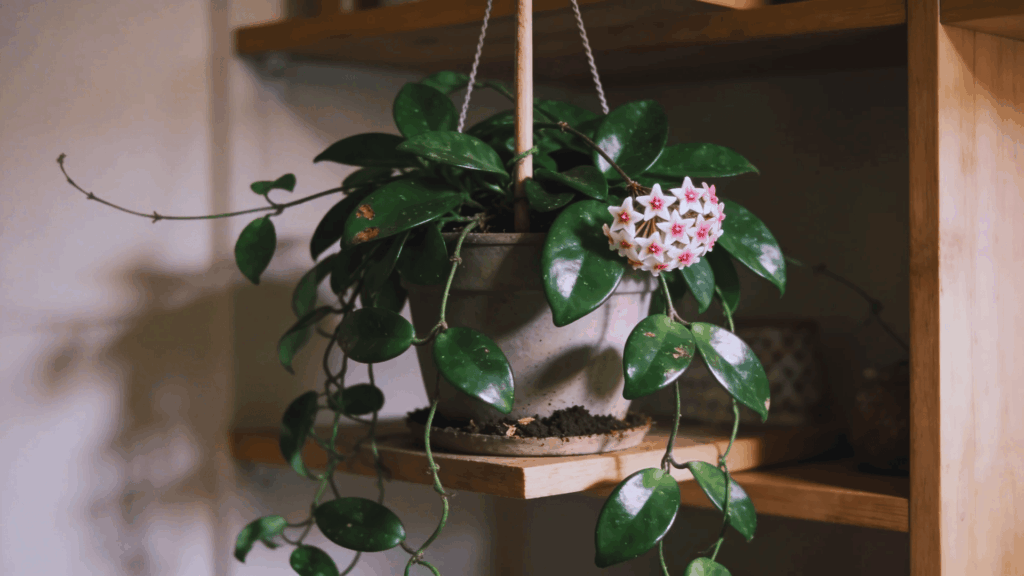
Hoya, also called wax plant, has thick, shiny leaves and produces clusters of small, star-shaped flowers.
It is a slow-growing plant that can adapt to lower light, though brighter indirect light helps it bloom more often. The plant does not need frequent watering, as its leaves hold some moisture.
It prefers well-draining soil and stable indoor conditions. Hoya can be grown in hanging pots or trained to climb.
With patience and basic care, it can produce fragrant flowers that last for a long time indoors.
9. Impatiens
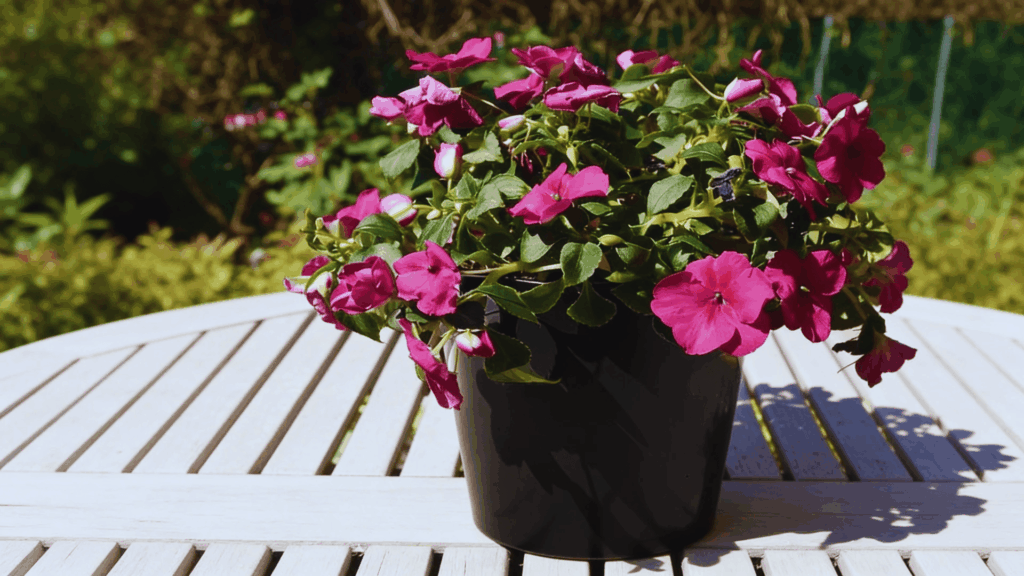
Impatiens are known for their soft, colorful flowers that bloom in shades of pink, red, white, and purple.
They are often used outdoors in shade, but some varieties also grow well indoors. These plants prefer bright, indirect light and can handle lower light if placed near a window.
The soil should stay slightly moist, as dry soil can affect blooming. They grow best in moderate indoor temperatures.
With regular watering and stable light, impatiens can often flower, making them a simple and cheerful indoor option.
10. Cyclamen
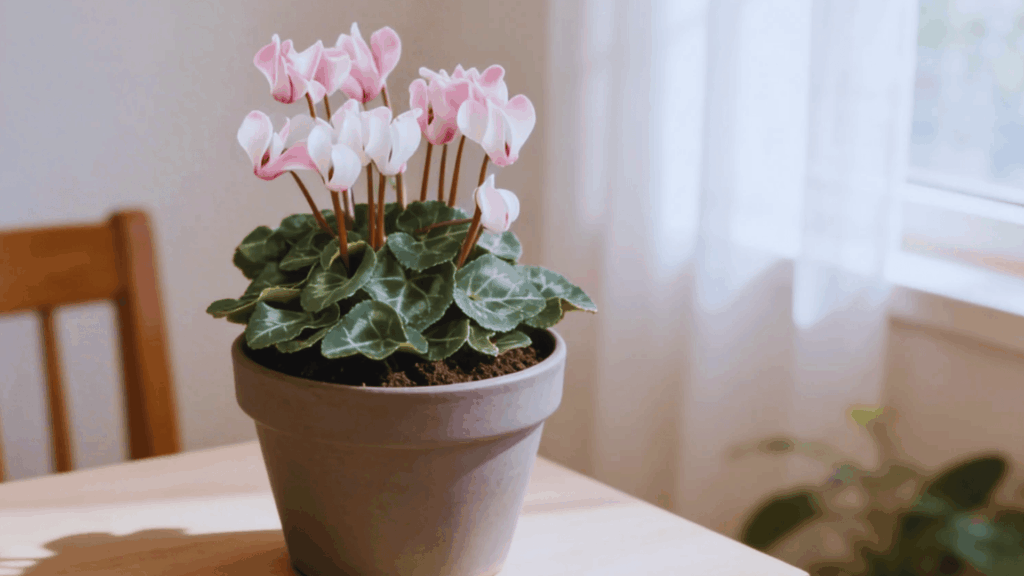
Cyclamen is a compact plant with unique, upward-facing flowers that look like small butterflies.
It blooms in cooler seasons and comes in shades of pink, red, and white. This plant prefers bright, indirect light but can manage without direct sun.
It grows best in cooler indoor temperatures and needs careful watering. Water from the base to avoid damaging the center of the plant. Cyclamen goes through a rest period after blooming.
With the right care and conditions, it can return with fresh flowers in the next growing season.
11. Begonia
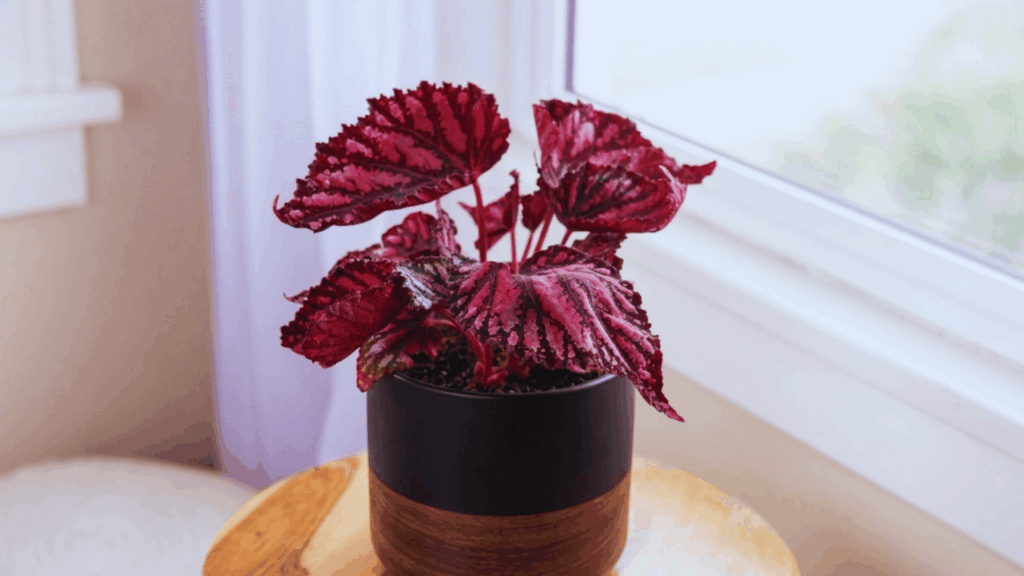
Begonias are popular for their patterned leaves, but many types also produce small clusters of flowers.
Rex and cane begonias can grow indoors with moderate to low light. They prefer bright, indirect light but can adapt to softer lighting conditions.
The soil should be kept slightly moist, but not too wet. Good air flow helps prevent leaf problems. Begonias grow best in warm indoor environments with steady humidity.
With proper care, they can bloom and add texture with their unique leaves, making them a versatile indoor plant.
12. Orchid
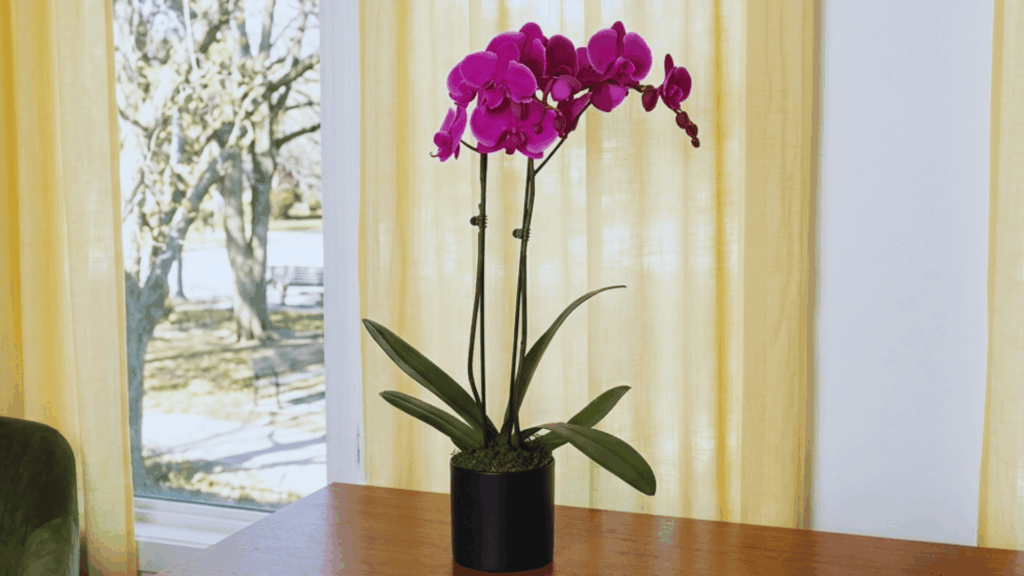
Phalaenopsis orchids are one of the easiest orchids to grow indoors. They produce long-lasting flowers in white, pink, or purple shades.
These plants grow best in bright, indirect light and can also adjust to lower light levels. They need careful watering, usually once a week, and should not sit in water.
Orchids prefer warm indoor temperatures and stable conditions. Their blooms can last for weeks or even months.
With proper care and placement, Phalaenopsis orchids can flower again, making them a reliable and long-lasting indoor plant choice.
13. Primrose
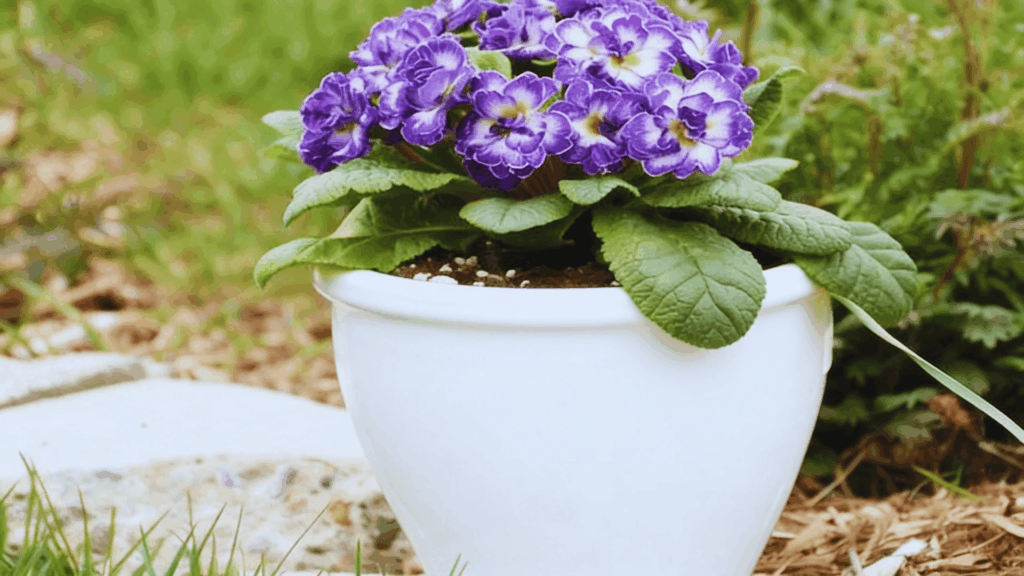
Primrose is a small indoor plant known for its bright, soft-colored flowers in shades of pink, purple, red, and white.
It grows best in cool indoor conditions and prefers bright, indirect light, but can tolerate lower light.
The soil should stay slightly moist, as dry soil can stop blooming. It does not like heat, so a cooler room helps it last longer.
With proper care and steady light, primrose can produce flowers for several weeks, making it a simple option for adding color indoors.
14. Fuchsia
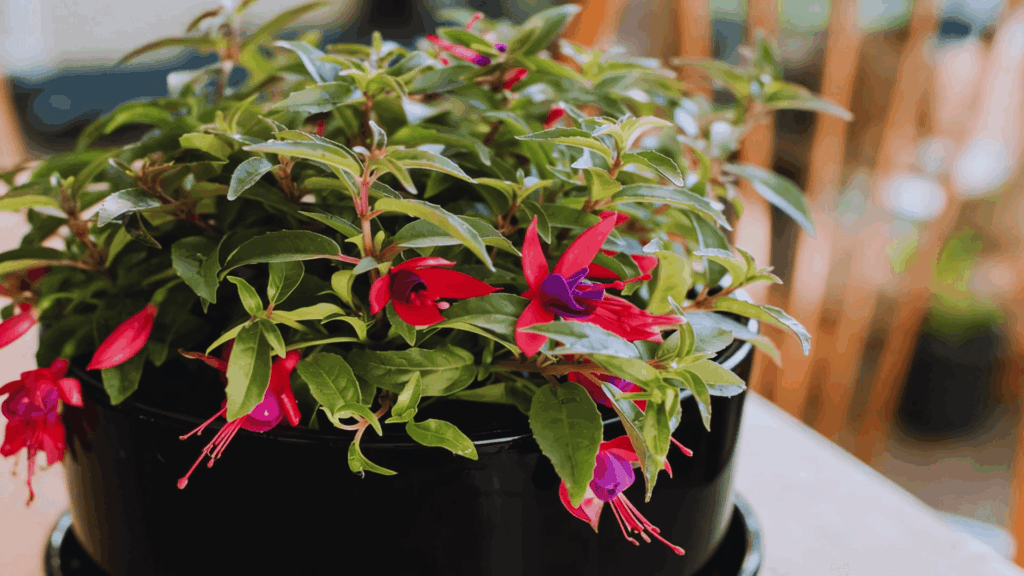
Fuchsia is a hanging or trailing plant that produces soft, drooping flowers in pink, red, purple, and white shades.
It grows well in pots indoors when placed in bright, indirect light. Direct sunlight can damage the plant, so filtered light works best. The soil should stay moist but not overly wet.
Fuchsia prefers cooler indoor temperatures and good air flow. Regular care helps it bloom for longer periods.
With the right placement and watering routine, this plant can add steady color to indoor spaces without needing strong sunlight.
15. Poinsettia
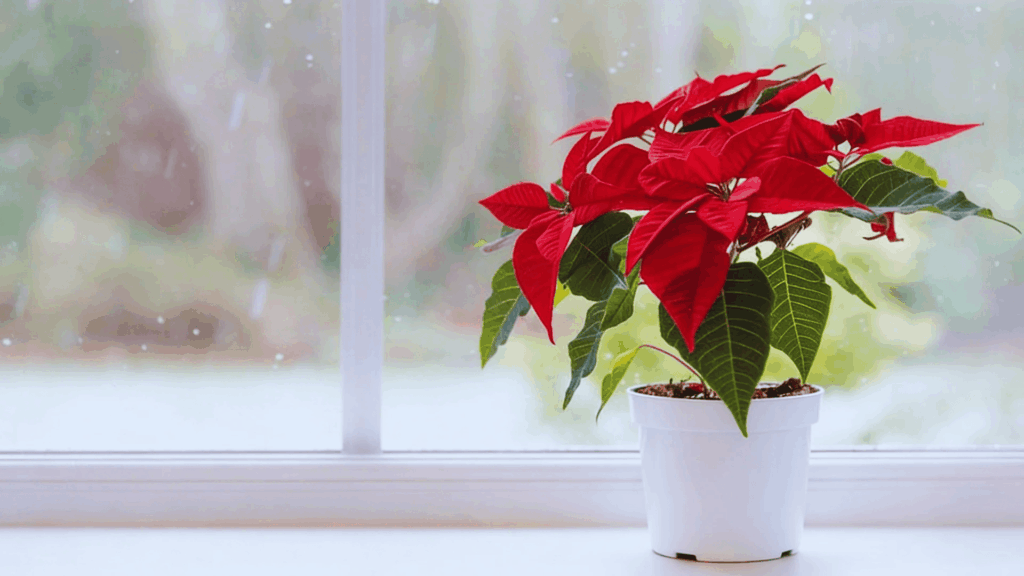
Poinsettia is widely known for its bright red, pink, or white bracts that look like flowers. It grows well indoors in bright rooms without direct sunlight.
After the holiday season, it can still be kept as a houseplant with proper care.
The plant needs light watering and should not sit in water. Stable indoor temperatures help it stay healthy.
To rebloom, it needs a period of darkness each day for several weeks. With patience and the right conditions, poinsettia can keep its color and grow well indoors.
Basic Care Tips for Indoor Flowering Plants
Good care helps plants stay healthy and continue to produce flowers. Simple routines can keep growth steady without taking too much time.
- Light Needs: Place plants where they get soft, indirect light for a few hours each day.
- Water Routine: Water when the top layer of soil feels dry, not on a fixed daily schedule.
- Soil Choice: Use well-draining soil to prevent water from sitting around the roots.
- Fertilizer Use: Feed plants lightly during growing months to support blooms and leaf growth.
- Room Temperature: Keep plants in a stable indoor temperature, away from cold drafts or heat sources.
- Air Flow: Ensure gentle air movement around plants to reduce the risk of mold or pests.
- Trim Dead Blooms: Remove old flowers so the plant can focus on new growth.
- Clean Leaves: Wipe dust from leaves so they can absorb light better.
How to Choose the Right Plant for Your Space?
Start by checking how much natural light the room gets during the day. Some spaces have soft light, while others stay dim most of the time.
Pick a plant that matches that light level so it can grow and bloom without stress.
Next, look at the available space. Small plants work well on desks, shelves, or window edges. Larger plants need floor space and should not feel crowded.
Make sure there is room for the plant to grow over time. Think about how much care can be managed each week.
Some plants need regular watering, while others can handle dry soil for longer. Choose plants with simple care needs if time is limited.
Also, check the room conditions, such as temperature and airflow.
Avoid placing plants near strong heat or cold drafts. A steady indoor setup helps plants stay healthy and bloom more often.
Conclusion
Low-light rooms don’t have to feel dull or empty. With the right plants, you can add color, life, and a fresh feel without strong sunlight.
Even a small plant can change how a space looks and feels over time.
This article shared simple plant options and easy ways to care for them so they grow well indoors.
Once the basics are clear, keeping plants healthy becomes much easier. It’s all about choosing what fits your space and routine.
Now it’s a good time to get started. Choose one plant and see how it grows in your home.
Try small steps and adjust as needed. If you’ve already grown low-light plants, share your experience in the comments below. Your tips can help others make better choices, too.