

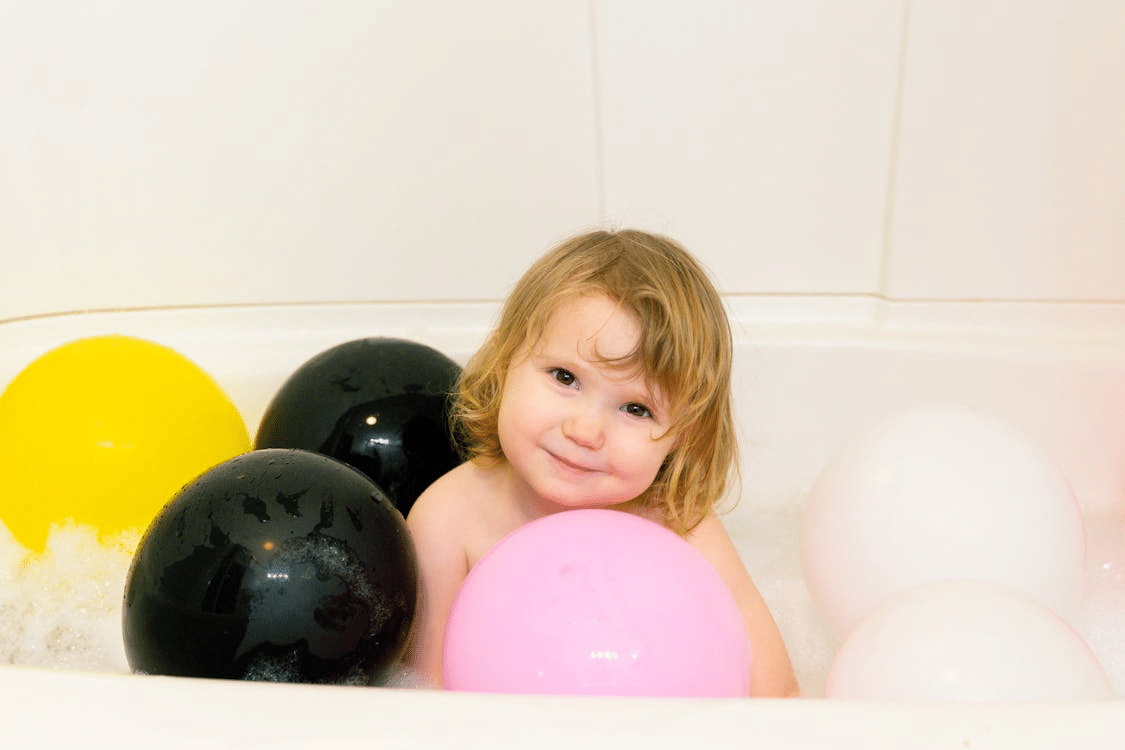
Creating a bathroom designed specifically for children means thinking beyond surface-level style choices. This space supports daily habits, early independence, and constant movement, all while needing to remain easy to clean and visually calm. A well-designed kids’ bathroom blends playful details with practical decisions that anticipate real-life use.
When form and function work together, the room becomes easier for children to navigate and simpler for adults to maintain. Thoughtful layouts, durable materials, and well-chosen accessories reduce stress during busy mornings and bedtime routines.
Color That Feels Playful Without Overwhelming
Color is often the first element people consider when designing a kids’ bathroom, yet restraint matters more than intensity. A base of neutral or softly toned surfaces creates visual breathing room while allowing brighter accents to stand out.
Pops of color can appear through towels, art, or bath mats, which are easy to update as preferences change. This approach avoids visual overload that can make small bathrooms feel chaotic.
Color zoning can subtly define areas such as the sink or bath without using physical barriers. Softer finishes tend to age better and feel calmer during daily routines. When color feels intentional, the room remains cheerful without becoming distracting.
Storage That Encourages Independence
Storage solutions work best when children can use them without constant guidance. Open shelving at reachable heights allows kids to grab towels or toiletries while learning where items belong.
Closed cabinets still have a place, particularly for products that need to stay out of reach, but balance is key. Baskets, cubbies, and labeled containers create a visual structure that supports habit-building.
Storage that feels approachable reduces clutter because items are more likely to be returned after use. Clean-lined storage contributes to a calmer atmosphere. When children participate in organizing the space, daily routines feel less rushed.
Functional Bathroom Accessories
Accessories play a quiet yet influential role in how a kid’s bathroom functions day to day. Items like towel rails, hooks, and toilet roll holders support routines while shaping how organized the space feels.
When towels are easy to reach, children are more likely to dry their hands properly and return items afterward. Many families gravitate toward streamlined options available on this site, or similar platforms, because they balance durability with a clean design that suits playful environments. Well-placed accessories reduce floor clutter and improve safety by keeping essentials off wet surfaces.
Thoughtful accessory choices encourage independence without adding visual noise. These details often make the difference between a bathroom that looks good and one that truly works.
Durable Materials Made for Messes
Kids’ bathrooms experience heavy use, which makes durability a top priority. Flooring with slip resistance helps manage splashes while maintaining a polished look. Wall finishes should handle moisture and frequent cleaning without showing wear too quickly.
Fixtures benefit from sturdy construction that withstands regular handling and occasional rough use. Choosing materials that age gracefully prevents the room from feeling dated or worn after only a few years.
Texture can add interest, yet it should never complicate maintenance. Practical material choices quietly support safety and longevity.
Scaled Fixtures That Fit Growing Users
Bathrooms designed for adults often feel awkward for children to use independently. Scaled fixtures remove unnecessary barriers and support confidence during daily tasks.
Lower sinks, reachable mirrors, or built-in step stools allow children to wash their hands without assistance. Towel placement at appropriate heights reinforces responsibility and routine. These adjustments feel subtle when thoughtfully integrated into the design.
The room still looks cohesive rather than temporary. A proper scale helps children feel comfortable and capable in their space.
Layouts That Support Smooth Routines
A functional layout simplifies movement and reduces congestion during busy times. Clear paths between sink, toilet, and bath areas allow children to move confidently through routines.
Separating wet and dry zones minimizes mess and shortens cleanup time. Designers often focus on aesthetics, yet flow determines how comfortable the room feels during daily use.
Adequate spacing around fixtures prevents bumping and frustration. When the layout aligns with natural habits, routines become smoother. The room feels supportive rather than restrictive.
Accessories That Balance Safety and Style
Finishing touches should enhance safety without sacrificing appearance. Rounded edges, secure mounting, and stable materials reduce risk during energetic moments. Consistency in finishes and shapes helps the room feel cohesive, even when colors remain playful. A carefully chosen set of accessories supports everyday use while maintaining visual calm. Thoughtful additions often include:
- Wall-mounted towel rails placed at child-friendly heights
- Non-slip bath mats that complement the color palette
- Soft-close toilet seats that reduce noise and finger pinches
- Easy-grip hardware designed for small hands
When accessories feel intentional, the bathroom appears thoughtfully designed rather than pieced together. Children respond well to spaces that feel made for them.
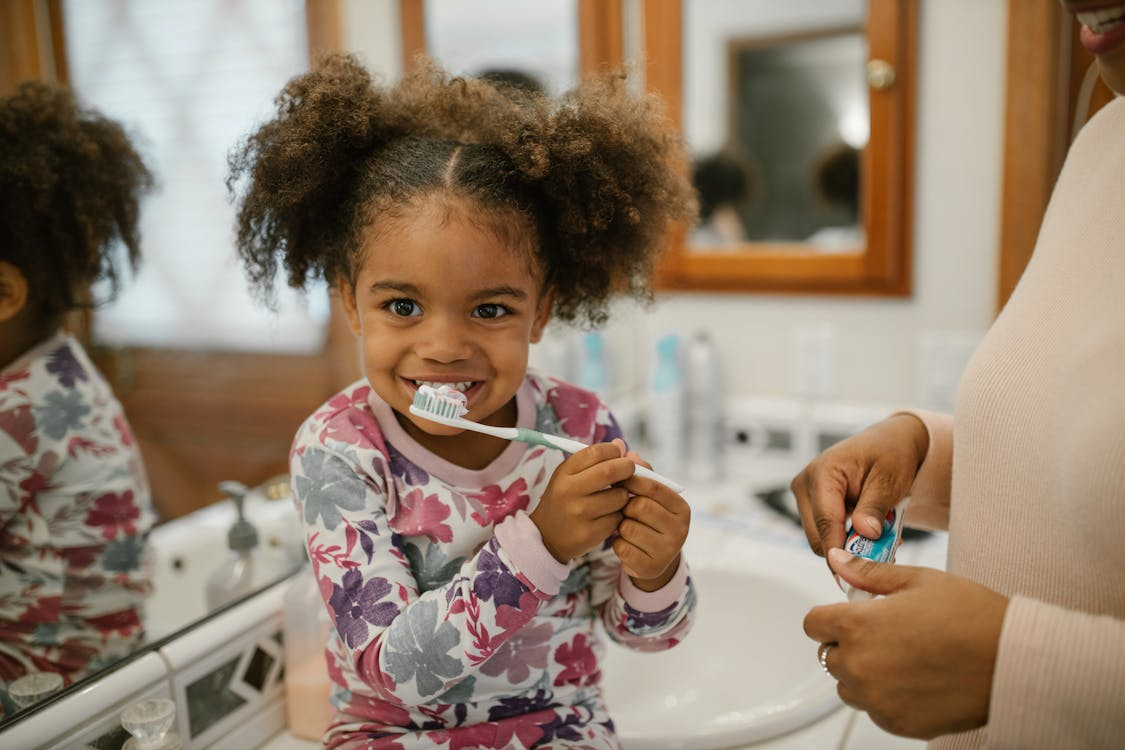
https://www.pexels.com/photo/curly-haired-girl-brushing-teeth-10566470/
A kids’ bathroom works best when fun and practicality carry equal weight. Spaces that support independence, manage mess, and adapt as children grow reduce daily friction for families. Playful color, durable materials, and functional accessories contribute to routines that feel calmer and more predictable.
Thoughtful design choices turn everyday tasks into opportunities for learning rather than negotiation. When imagination and structure coexist, the bathroom becomes a space children enjoy using. This balanced approach creates a room that serves both present needs and future growth with ease.