

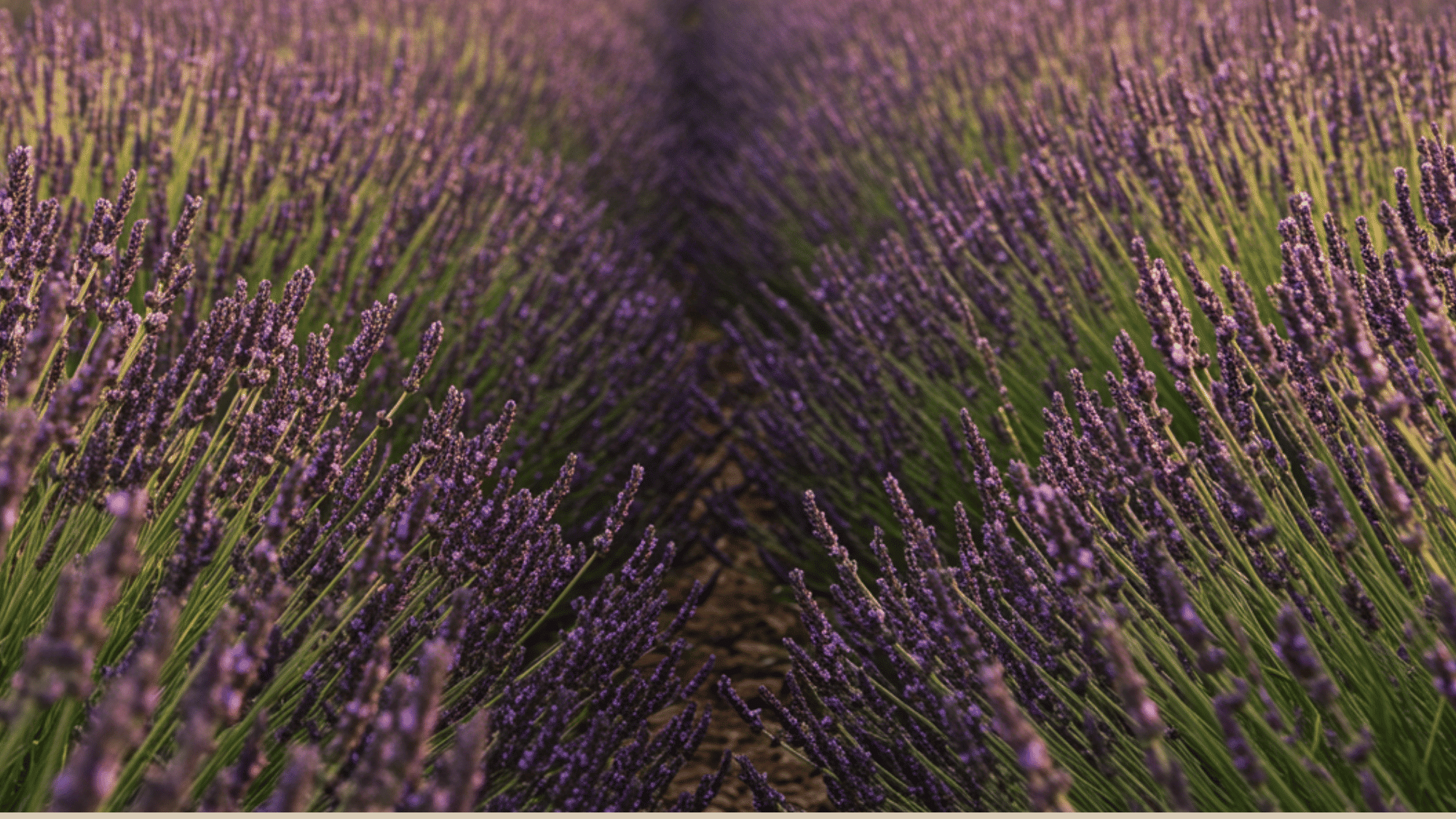
Lavender plants bring beauty and fragrance to any garden space. But many gardeners wonder about their growing habits before planting them.
Does this popular herb stay put, or does it have a mind of its own? The question matters because nobody wants their garden beds overtaken by aggressive spreaders.
Lavender’s growth pattern affects garden planning and maintenance. Understanding how it grows helps gardeners make smarter choices about placement and care.
Let’s look at what really happens when lavender settles into garden soil.
How Lavender Plants Grow Over Time
Lavender develops slowly and methodically over several years. Young plants start small but gradually expand their woody base as they mature.
Most varieties grow outward from the center, forming a rounded mound shape. The stems become thicker and more rigid with age, creating that characteristic shrubby appearance gardeners love.
Growth happens mainly above ground rather than below the soil surface. A healthy lavender plant can reach two to three feet wide, depending on the variety. This expansion takes time, though.
Patience pays off because mature plants reward gardeners with fuller blooms and stronger fragrance than younger specimens ever could.
How Much Does Lavender Spread Each Year?
Lavender spreads at a modest pace that won’t alarm most gardeners. In the first year, newly planted lavender focuses on establishing roots rather than spreading outward.
Growth picks up during the second and third years.
Expect an annual increase of 4 to 8 inches in width once the plant settles in. Some vigorous varieties might push eight inches in ideal conditions, but that’s about the maximum.
Environmental factors play a big role in growth rates. Lavender planted in full sun with well-draining soil spreads faster than those in less favorable spots.
Climate matters too, since plants in warmer regions often grow more aggressively than those in cooler areas.
By year five, most lavender plants reach their mature size and stop expanding significantly. The growth becomes minimal after that point.
Which Lavender Varieties Spread the Most?
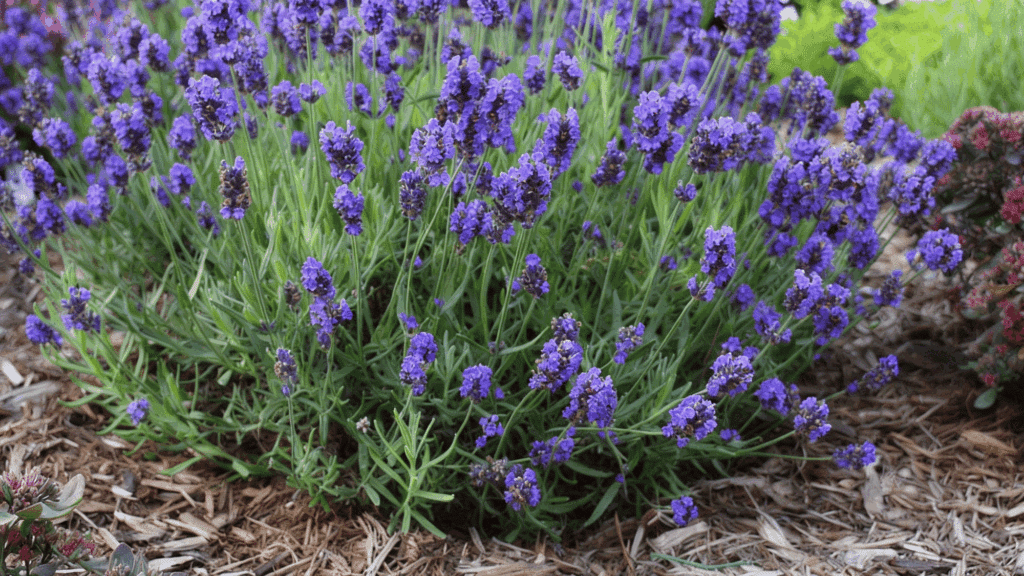
Some lavender varieties naturally grow wider and bushier than others. Choosing the right type depends on available garden space and design goals.
1. English Lavender (Lavandula angustifolia)
English lavender maintains a compact, controlled growth habit. It typically spreads 18 to 24 inches wide at maturity. This variety stays neat and tidy, making it perfect for borders and small gardens where space matters.
2. French Lavender (Lavandula dentata)
French lavender grows more vigorously than English types. It can reach three feet wide under good conditions. The plant develops a sprawling habit with longer stems that tend to flop outward, creating a looser appearance overall.
3. Spanish Lavender (Lavandula stoechas)
Spanish lavender sits somewhere in the middle. It spreads about two to three feet wide and maintains a reasonably compact shape. The distinctive-topped flowers and gray-green foliage add character without overwhelming neighboring plants in mixed beds.
4. Lavandin (Lavandula × intermedia)
Lavandin varieties spread the most aggressively. These hybrids can reach four feet wide with vigorous growth. ‘Grosso’ and ‘Provence’ cultivars grow especially large, so they need plenty of room to develop their full, billowing forms.
Does Lavender Spread by Seed?
Lavender does produce seeds after flowering, but seed spread rarely becomes a problem in gardens. The seeds need very specific conditions to germinate successfully.
Most lavender seeds that fall to the ground simply don’t sprout. They require consistent moisture and warmth, which garden conditions don’t always provide.
Even when seeds do germinate, the seedlings grow slowly and take years to become noticeable plants.
Deadheading spent flowers prevents seed formation entirely. Gardeners who trim their lavender after blooming won’t see any volunteer seedlings pop up around parent plants.
How to Control Lavender Growth in Garden Beds
Keeping lavender within bounds requires minimal effort. A few simple maintenance tasks prevent plants from becoming overgrown or encroaching on neighboring spaces.
- Prune annually after flowering: Trim back one-third of the plant’s growth to maintain shape and prevent woody, leggy stems from sprawling outward.
- Space plants properly at planting time: Leave two to three feet between lavender plants to accommodate their mature spread without crowding issues later.
- Avoid overwatering and heavy fertilizing: Excess water and nutrients encourage faster, looser growth that’s harder to control than slow, compact development.
- Trim stems that reach beyond desired boundaries: Cut back wayward branches throughout the growing season to keep the plant within its designated space.
- Divide mature plants every few years: Dig up and split older lavender clumps to refresh growth and reduce overall plant size in the garden bed.
- Remove dead or damaged wood regularly: Clear out brown, brittle stems to improve air circulation and maintain a tidy, manageable plant structure.
Is Lavender Invasive or Hard to Manage?
Lavender is neither invasive nor difficult to manage in most garden settings. It doesn’t send out runners or underground rhizomes as truly aggressive plants do.
The growth stays contained to the original planting spot. Lavender won’t pop up unexpectedly across the yard or choke out neighboring plants. Its well-behaved nature makes it a reliable choice for mixed borders and formal gardens alike.
Maintenance requirements are minimal compared to many other perennials. A yearly pruning session keeps plants looking their best.
Gardeners appreciate that lavender doesn’t demand constant attention or battle strategies. It simply grows, blooms, and behaves itself season after season without causing headaches.
The Bottom Line
Lavender earns its reputation as a garden-friendly plant. It grows predictably, stays where planted, and never becomes a nuisance.
Gardeners can confidently add it to beds without worrying about future removal projects or constant containment efforts.
The slow, steady growth habit makes planning easy. Space plants properly from the start, provide basic annual pruning, and lavender will thrive for years. No special controls or aggressive management needed.
Lavender delivers all the benefits without the headaches aggressive spreaders bring.