

I have worked on a few home projects, and one question always comes up when fixing walls or starting fresh. Should you go with drywall or plaster?
If you are planning a repair or a full remodel, this choice can affect cost, time, and the final look of your space.
It is not always easy to decide, especially if you have not dealt with walls before. In this guide on drywall vs plaster, I have shared the key differences in a simple way.
You will learn how each option is made, how strong it is, how much it costs, and where it works best.
I will also share some tips that helped me avoid common mistakes so you can pick the right one for your home.
What Is a Plaster Wall?
A plaster wall is a type of wall finish applied over a base surface with a wet mixture of materials such as lime, cement, or gypsum. This base is often made of wooden strips called lath or a solid backing.
The plaster is applied in layers and left to dry, creating a hard, smooth surface.
Plaster walls are common in older homes, especially those built before the 1950s. They are known for their strength and solid feel.
When you tap on them, they sound dense rather than hollow. These walls can last for many years if maintained well.
However, they may develop small cracks over time due to age or movement in the house. They also offer better sound control compared to many modern wall types.
What Is a Dry Wall?
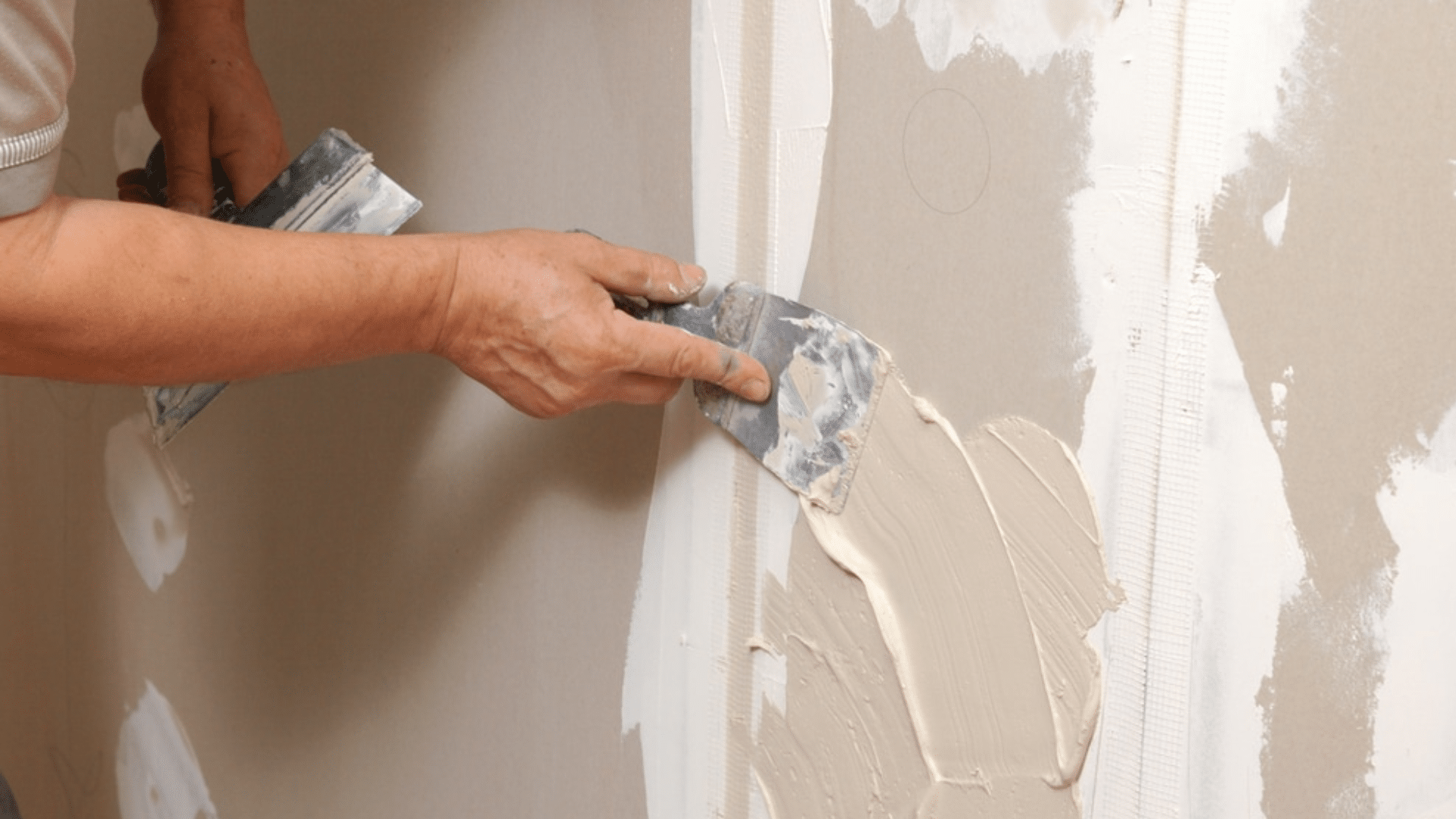
Drywall is made from large gypsum panels attached to a wooden or metal frame. These panels are also called wallboards or sheetrock.
Once installed, the joints are covered with tape and a special compound to create a smooth, even surface.
Drywall is widely used in modern homes because it is quick to install and cost-effective.
It is lighter than plaster and easier to handle during construction or repairs. When you tap on drywall, it usually sounds hollow compared to plaster.
While drywall is convenient, it is also softer and can dent or develop holes more easily.
However, repairs are simple and do not take much time. This makes drywall a practical choice for many homeowners today.
How to Identify Plaster and Drywall in Your Home?
Figuring out whether your walls are plaster or drywall is easier than it seems once you know what to check. A few simple tests can help you tell the difference without needing any tools or experience.
- Tap Test: Gently tap on the wall surface with your knuckles. Drywall usually produces a hollow sound, while plaster feels more solid and gives a dull, dense sound.
- Surface Look: Take a close look at the wall; plaster often has a slightly uneven texture or small cracks, especially in older homes, while drywall tends to appear smooth and uniform.
- Age of Home: Consider when your home was built; homes built before the 1950s are more likely to have plaster, while newer homes are more likely to use drywall.
- Pin Test: Try pressing a small pin into the wall. Drywall allows it to go in easily because its softer, whereas plaster is much harder and resists pressure.
- Thickness Check: Plaster walls are usually thicker and feel more solid, while drywall panels are thinner and more uniform in depth.
- Edge or Damage Check: If there is a chipped or damaged area, plaster often appears layered and dense on the inside, while drywall shows a chalky gypsum core.
How Plaster and Drywall Differ in Durability and Strength?
Plaster and drywall differ significantly in terms of durability and strength. Plaster is known for being very hard and solid.
Once it sets, it creates a dense surface that resists dents, scratches, and everyday wear.
This makes it a strong choice for long-term use, especially in older homes. Drywall, on the other hand, is softer and lighter.
While it works well for most modern spaces, it can get dents, holes, or damage more easily from impact.
However, this softness also makes drywall easier to repair compared to plaster.
If you want a wall that feels sturdy and long-lasting, plaster stands out. But if easy repair and flexibility matter more, drywall can still be a practical and reliable option.
How Plaster and Drywall Differ in the Installation Process?
Plaster and drywall follow very different installation methods, which affect time, cost, and effort. Plaster is applied in multiple wet layers over a base, such as lath.
Each layer needs time to dry before the next one is added.
This process takes skill and patience, making it slower and more labor-intensive. Drywall installation is much quicker and simpler.
Large gypsum boards are cut to size and attached to wall frames using screws or nails.
The seams are then taped and covered with joint compound for a smooth finish. Because of this, drywall is the preferred choice in modern construction where speed matters.
Plaster, while slower to install, is often used when a more traditional and solid finish is desired.
Pros and Cons of Plaster Vs Drywall
Plaster and drywall each have their own benefits and limitations. Understanding the differences can help you decide which one best suits your home or project.
| Feature | Plaster | Drywall |
| Durability | Very strong and long-lasting | Softer and can be dented easily |
| Finish | Smooth with a classic look | Clean and even surface |
| Installation | Time-consuming and needs skill | Quick and easy to install |
| Cost | More expensive | Budget-friendly |
| Repair | Harder to fix | Easy to patch and repair |
| Sound Insulation | Better at blocking sound | Less effective |
| Weight | Heavier material | Lighter and easier to handle |
| Flexibility | Less flexible, can crack | More flexible, less cracking |
Signs Your Wall Needs Repair or Replacement
Walls can wear out over time, whether they are plaster or drywall. Knowing the warning signs early can help you fix small issues before they turn into bigger problems.
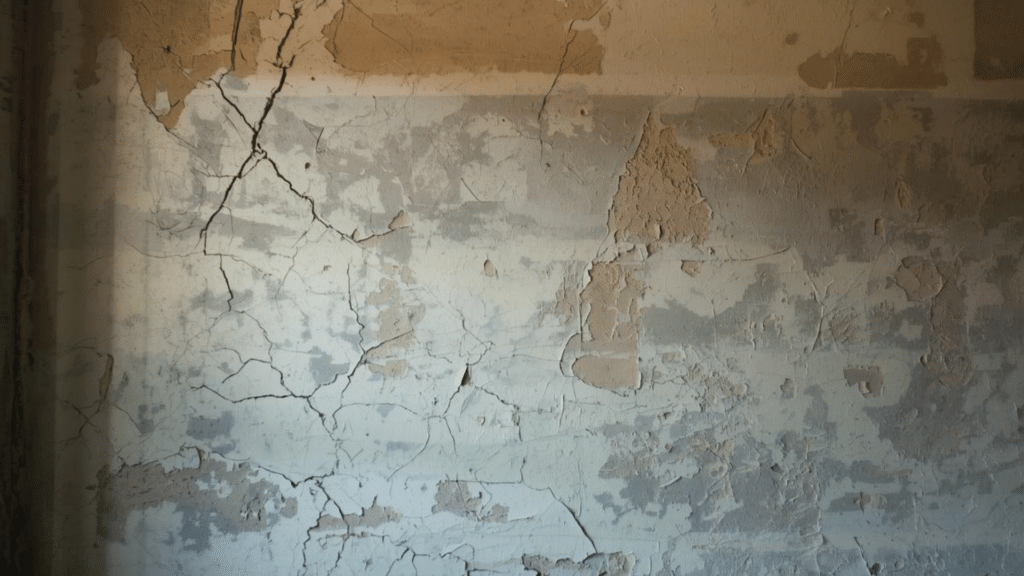
- Cracks: Cracks in the wall are slowly getting bigger or spreading across the surface.
- Holes and Dents: Visible damage is affecting both the look and strength of the wall.
- Peeling Surface: Paint is peeling, or the top layer is flaking in patches.
- Uneven Areas: The wall shows bulges or raised spots that were not there before.
- Water Damage: You notice stains, damp patches, or discoloration in certain areas.
- Soft Spots: The surface feels weak or soft when pressed gently.
- Crumbling Sections: Some parts feel loose or crumbly, or are starting to fall apart.
- Mold or Smell: There is a musty smell or visible mold near or on the wall
Can You Convert Plaster Walls to Drywall?
Yes, you can convert plaster walls to drywall, but the process depends on the condition of your existing walls.
In many cases, old plaster is removed completely, and drywall panels are installed in its place. This gives a smoother finish and makes future repairs easier.
Another option is to install drywall directly over the plaster if the surface is still stable.
This saves time and reduces mess, but it may slightly reduce room space. Before making a decision, it’s important to check for damage, such as cracks, moisture, or loose sections.
If the plaster is badly worn, full removal is usually the better choice.
Converting to drywall can make your home easier to maintain while giving it a more modern look.
Plaster vs Drywall: Which One Is Better for Your Home?
Drywall is usually the better choice for most homes, but plaster can be better for durability and a classic feel.
Choosing between plaster and drywall depends on your needs, budget, and the type of home you have.
Plaster is a good option if you want strong, long-lasting walls with a solid feel. It also works well in older homes where you want to keep a traditional look.
Drywall, on the other hand, is more practical for modern homes.
It is affordable, quick to install, and easy to repair if damage happens. If strength and sound control matter more, plaster may suit you.
For easier maintenance and lower cost, drywall is the better option for most homeowners.
Conclusion
Now that you understand the key differences between plaster and drywall, you can look at your walls with confidence.
What once felt confusing can now be figured out with a few simple checks.
If you’re dealing with repairs, planning changes, or just curious, this knowledge helps you make smarter choices for your home.
Each option has its own strengths, and the right choice really depends on your needs, budget, and the style of your space. Taking a closer look at your walls today can save you time and effort later.
If you’ve ever checked your walls or faced a similar situation, I’d like to hear about it.
Share your experience or questions in the comments below, and your story might help someone else, too.