

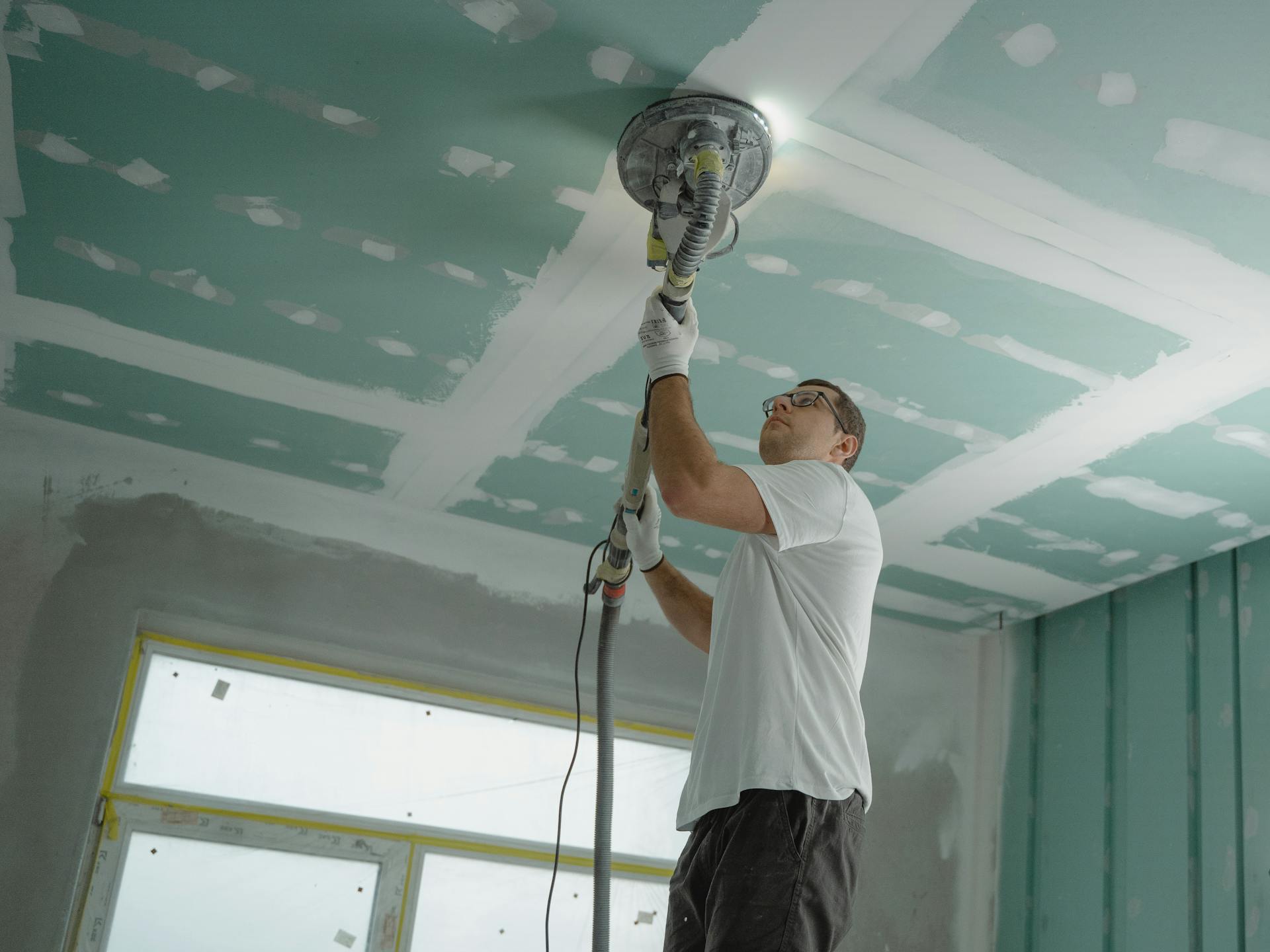
Choosing the right type can greatly impact the longevity, safety, and aesthetics. In this guide, we will discuss the characteristics and benefits of the various types of drywall.
List of Various Drywall Products
Are you planning to install a drywall products in your space too? But without adequate knowledge, you may make wrong choices. Follow the guide below to understand the type of product that will be best suited for your needs, as each drywall is created to serve a specific purpose.
Standard Drywall Options
Standard drywall has a soft core of gypsum sandwiched between two sheets of paper. Regular drywall is the most common type used for walls and ceilings, providing a smoother surface that readily accepts paint or wallpaper. It is a popular choice among builders because it is economical and easy to install.
While regular drywall is suitable for nearly every room in the house, it does not provide additional protection against moisture or fire.e.
Moisture-Resistant Drywall
Moisture-resistant drywall (also referred to as green board) is commonly used in areas such as bathrooms and kitchens. It has a special water-repellent coating applied to the surface, which shields the gypsum core from the moisture and small amounts of water.
To ensure durability in damp areas, moisture-resistant panels are available. These products are not intended to serve as water barriers in areas with direct water exposure.
Fire-Resistant Drywall
Fire-resistant drywall has fibers embedded in the material that provide a slower rate of heat transfer. This enables time for occupants to react since it delays the spread of flames. You see this material in garages, stairwells, or shared walls because building codes often require it for safety purposes.
As the demand for this material grows, its denser core enhances soundproofing capabilities, ensuring a quieter environment. Thus, with the use of fire-safe panels, the overall safety in a building rises.
Mold-Resistant Drywall
Drywall that resists mold growth does so by including mold inhibitors in the paper and even the core. This promotes improved indoor air quality, particularly in humid areas.
They’re most effective in basements, laundry rooms, or anywhere else that would be more prone to holding in moisture. While not entirely waterproof, they offer a greater level of protection than a traditional piece of drywall.
Impact-Resistant Drywall
Places like corridors, schools, or gyms can be prone to regular knocks and scratches. Its core is reinforced, often by fiberglass mesh, which allows it to better resist impacts than regular panels.
It makes it less likely that the board will dent, crack, or get holes. Impact-resistant materials will keep things looking as they should in high-footfall areas and lessen the need for repairs.
Lightweight Drywall Innovations
Drywall can be heavy and challenging to transport and install. Lightweight drywall has a special type of core that reduces wall weight without losing durability.
One of the main bonuses of lighter panels is ease of handling for workers (especially overhead or on upper levels). The result allows for quick installation and reduced fatigue.
Paperless Drywall Alternatives
While traditional drywall includes paper facing, paperless versions trade this material for fiberglass mats. That makes it more resistant to moisture and mold. Paperless drywall is ideal for commercial kitchens, hospitals, or any environment needing cleanliness.
It has a tougher surface that stands up to scrubbing and cleaning better than paper-faced types. Paperless products are a bit pricier but can withstand the harshest environments.
Specialty Drywall for Custom Needs
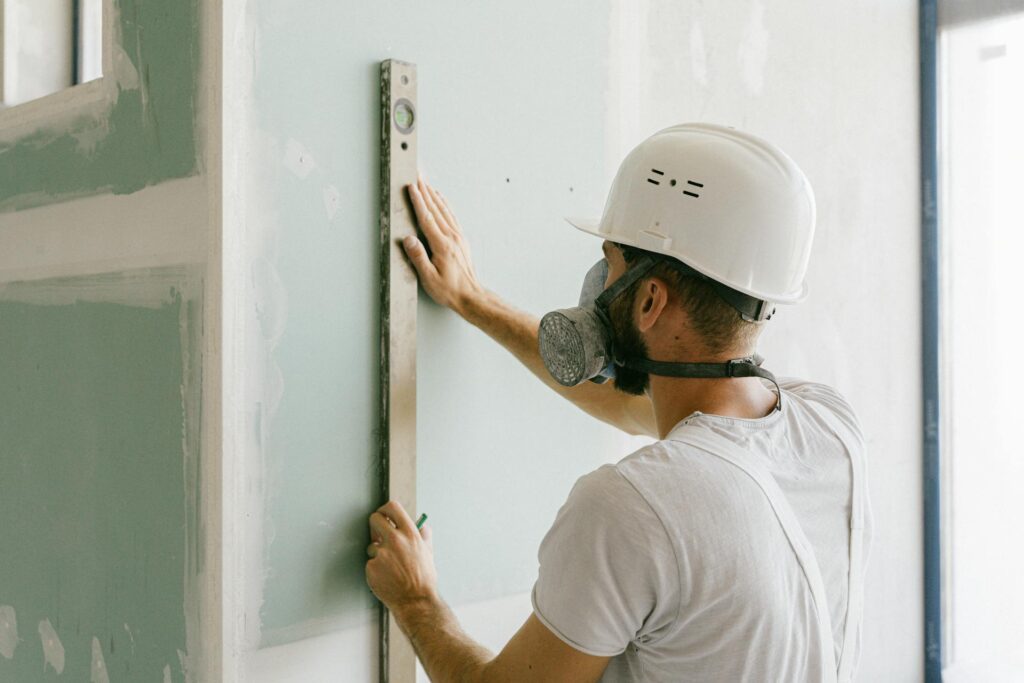
Certain projects require specialty drywall, including panels that offer greater flexibility for curved surfaces or low-profile boards for overlays. Bendable sheets curl into arches or other shapes without cracking.
For renovation projects, thin drywall can be used to mount new panels onto existing walls with little increase in thickness. Such specialty options provide design freedom and creativity for unique architectural requirements.
Finishing and Installation Tips
Choosing the right type of drywall and its proper installation are important for effective functioning. By using proper screws and joint compounds, you can avoid future cracks or defects. Moisture-prone areas may require sealed or caulked edges. A proper finish ensures visual and structural integrity.
Conclusion
The type of drywall product used impacts a building’s strength, aesthetics, and comfort. Every drywall has its own function, such as safety, moisture resistance, sound reduction, or decoration.
By recognizing these distinctions, homeowners, builders, and designers are equipped to build strong, attractive, and sustainable structures. It is when you make the right decisions at the time of construction or remodeling that you will reap the benefits of it, in terms of better-performing interiors, for a long time.