

Most homeowners want more space. But building a full addition? That costs a fortune.
A 3 season room sits right in the middle. It gives extra living space without the heavy price tag of a full renovation. Sounds like a win, right?
Not so fast. There’s more to a three-season room than just glass walls and a nice view. From costs to materials to permits, there are quite a few things to sort through before making a decision.
This blog covers everything a homeowner needs to know before taking the next step.
What is a 3 Season Room?
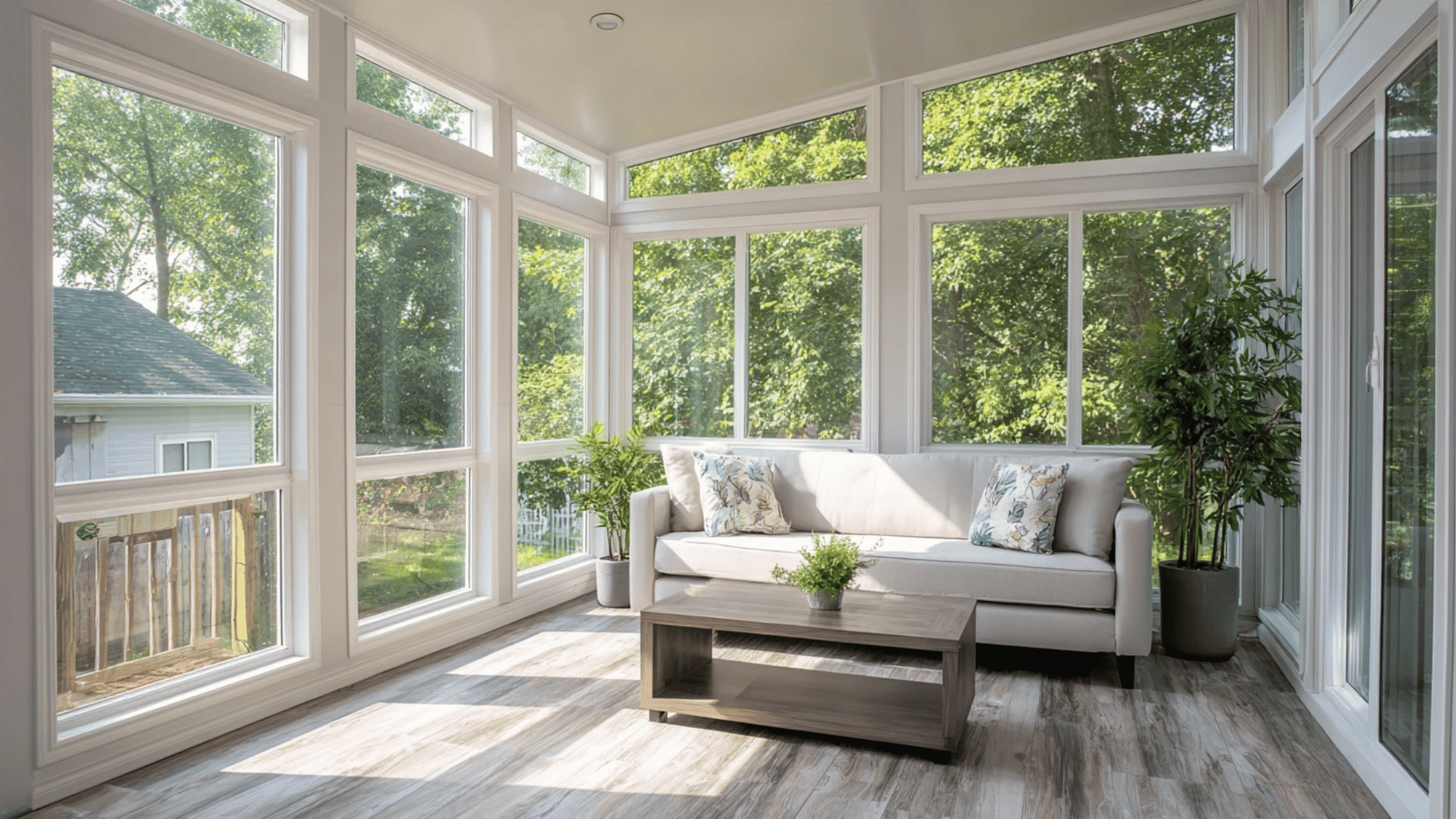
A 3 season room is an enclosed space attached to a home. It is designed for use during spring, summer, and fall.
Unlike a full addition, it does not have heating or cooling systems. That means it gets too cold for winter use in most climates.
These rooms typically feature large windows or screen panels. They let in plenty of natural light and fresh air. Many homeowners use them as a reading nook, dining area, or a relaxed lounge space.
Think of it as a middle ground between an outdoor patio and an indoor living room.
Key Features of a 3 Season Room
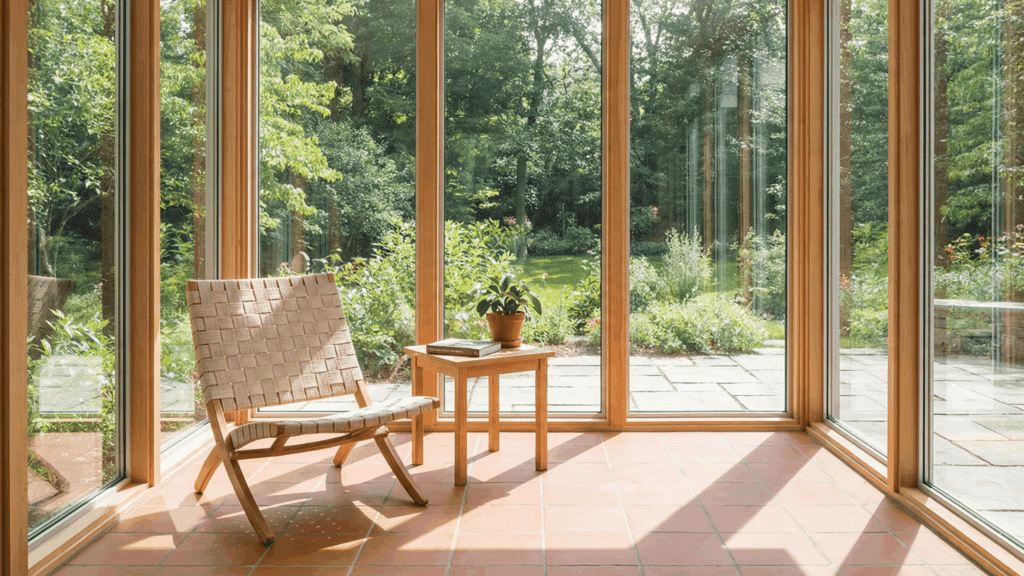
A 3-season room has some standout features. These features are what make it different from other home additions.
- Large Windows or Screen Panels: These cover most of the walls. They let in natural light and air while keeping bugs out.
- Lightweight Construction: The structure is simpler than a full room addition. It uses less material, which keeps the overall building cost lower.
- No HVAC System: There is no built-in heating or cooling. That is what limits its use to the milder months of the year.
- Attached to the Home: It connects directly to the house. Most homeowners add it off the back door or an existing patio area.
- Variety of Flooring Options: Homeowners can pick from tile, wood, or composite flooring. The choice often depends on the local climate and personal style.
3 Season Room vs 4 Season Room: What’s the Difference?
A lot of homeowners mix these two up. They look similar from the outside, but they work very differently on the inside.
A 3 season room is built for mild weather. It has no insulation or climate control.
So once temperatures drop below freezing, it becomes unusable. It costs less to build and is quicker to put together.
A 4 season room, on the other hand, works like a regular room. It has proper insulation, heating, and cooling. That means it stays comfortable all year long. It also costs significantly more to build.
The right choice really comes down to budget and how much use the space will get throughout the year.
3 Season Room vs Sunroom vs Screened Porch
| Feature | 3 Season Room | Sunroom | Screened Porch |
|---|---|---|---|
| Usable Seasons | Spring, Summer, Fall | All Year | Spring, Summer, Fall |
| Insulation | Minimal | Full | None |
| Heating & Cooling | No | Yes | No |
| Windows | Screened or Glass | Full Glass | Screen Panels Only |
| Construction Cost | Moderate | High | Low |
| Natural Light | Good | Excellent | Good |
| Bug Protection | Yes | Yes | Yes |
| Permits Required | Sometimes | Yes | Sometimes |
How Much Does a 3 Season Room Cost
Cost is usually the first thing homeowners want to know. And the answer is: it depends on quite a few factors.
On average, a 3-season room costs between $8,000 and $50,000. Smaller, simpler builds sit closer to the lower end. Larger rooms with premium materials push the price much higher.
The size of the room plays a big role. So does the type of windows, flooring, and roofing chosen. Labor costs vary by location, too. Some areas charge more for construction work than others.
Prefabricated kits are also available. They are cheaper and faster to install. But they may not last as long as a custom-built room.
Getting at least three quotes from local contractors is always a smart move before committing to anything.
Pros and Cons of a 3 Season Room
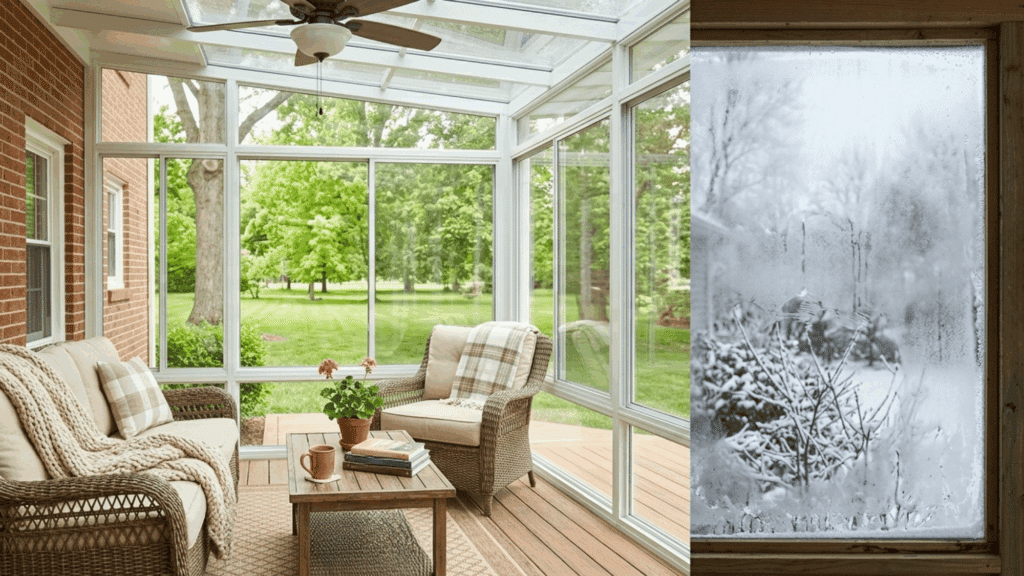
A 3 season room has a lot going for it. But it also comes with a few drawbacks worth knowing about.
Pros
- Adds Extra Living Space: It gives the home more room to breathe. Homeowners can use it for dining, relaxing, or entertaining guests.
- More Affordable Than a Full Addition: The construction cost is much lower. It delivers extra space without a massive hit to the budget.
- Brings the Outdoors In: Large windows and screens let in fresh air and natural light. It feels open and connected to the outside world.
- Increases Home Value: A well-built 3-season room can boost property value. It is an attractive feature for potential buyers down the line.
Cons
- Limited to Three Seasons: Once winter arrives, the room becomes too cold to use. That limits its value in colder climates significantly.
- No Climate Control: Without heating or cooling, comfort depends entirely on the weather. Hot summer days can make the space feel stuffy and warm.
- May Require a Permit: Depending on the location, a building permit may be needed. That adds time and cost to the overall project.
- Ongoing Maintenance: Screens and windows need regular upkeep. Wear and tear from the elements can lead to repair costs over time.
Does a 3 Season Room Increase Home Value?
This is a question many homeowners ask before starting the project. Yes, it can.
A well-built 3 season room adds usable square footage to a home. That alone makes the property more appealing to potential buyers.
Real estate agents often point to outdoor living spaces as a strong selling feature.
However, the value it adds depends on a few things. The quality of construction matters a lot. So does the local real estate market. In warmer climates, this season room tends to add more value.
In colder regions, buyers may not see it as a year-round asset.
Conclusion
A 3 season room is a practical and budget-friendly way to add more living space to a home. It works best for homeowners who want to enjoy the outdoors without fully stepping outside.
The key is making an informed decision.
Think about the local climate, the budget, and how often the space will actually get used.
For homeowners who are ready to take the next step, getting a few contractor quotes is a great place to start. The right room at the right price is absolutely within reach.