

Close Menu
    What's Hot

    Why Pink Salt Wall Products Are Trending Across the USA?

    January 21, 2026

    Transforming Your Garage From Cluttered to Clean and Functional

    January 21, 2026

    What Is a Chiffarobe Furniture Piece?

    January 21, 2026

    What is the Cost to Reface Cabinets in Your Kitchen?

    January 21, 2026

    Factors That Influence 3D Print Quality Beyond Layer Height

    January 21, 2026

    Marble vs Granite Countertops: Which is Better?

    January 21, 2026
    Facebook Instagram
    Facebook Instagram
    Opple House
    • Home Decor
    • Interior Design
    • Home Improvement
    • DIY & Crafts
    • Gardening
    • Real Estate
    Opple House
    Home » Blog » Factors That Influence 3D Print Quality Beyond Layer Height
    Tech

    Factors That Influence 3D Print Quality Beyond Layer Height

    Mark PhillipBy Mark PhillipJanuary 21, 20263 Mins Read
    Facebook Twitter Pinterest LinkedIn WhatsApp Reddit Tumblr Email
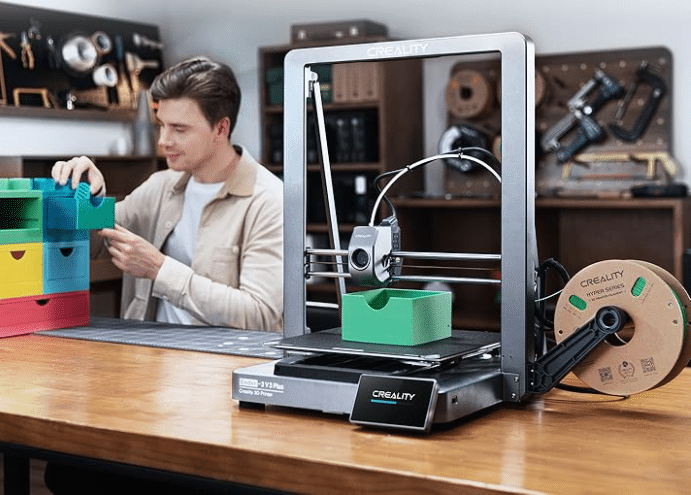
    Factors That Influence 3D Print Quality Beyond Layer Height
    Share
    Facebook Twitter LinkedIn Pinterest Email

    Layer height is often the first setting people adjust when trying to improve 3D print quality, but it represents only one aspect of a much larger system. High-quality prints depend on how well materials, hardware, environment, and calibration work together. Understanding these factors helps reduce failed prints and achieve consistent results.

    Filament Quality and Storage

    Print quality starts with the filament. Variations in diameter, moisture absorption, or material consistency can cause uneven extrusion, weak layers, or surface defects. Even a perfectly calibrated printer cannot compensate for poor filament.

    Proper storage in dry conditions, combined with the use of reliable materials, significantly improves consistency.

    Temperature Control and Stability

    Extrusion temperature influences surface finish, layer adhesion, and structural strength. Too much heat can cause sagging and stringing, while insufficient heat leads to weak layer bonding. Consistent thermal behavior throughout the print is just as important as the selected temperature value.

    Stable temperatures reduce warping and dimensional inaccuracies.

    Mechanical Precision and Maintenance

    Loose belts, worn rails, or frame flex introduce vibrations that appear as ringing or uneven layers. Mechanical stability often has a greater impact on print quality than slicer adjustments.

    Regular maintenance ensures smooth and predictable motion.

    Extrusion Flow and Calibration

    Accurate extrusion ensures correct dimensions and smooth surfaces. Over-extrusion results in rough textures, while under-extrusion creates gaps and weak walls. Calibrating flow rate and retraction settings often produces noticeable improvements without changing layer height.

    Cooling and Airflow Management

    Cooling affects how quickly layers solidify. Effective cooling improves detail on overhangs and bridges, but excessive airflow can weaken layer adhesion. Finding the right balance is essential for both appearance and strength.

    See also  Behind the Creality K2 Series: How User Feedback Shaped the Next Generation Printer

    Different materials require different cooling strategies.

    First Layer Accuracy and Bed Preparation

    The first layer determines the success of the entire print. Poor bed leveling or weak adhesion often leads to warping, shifting, or complete print failure. A clean, level build surface dramatically improves print reliability and reduces wasted material.

    Hardware Configuration Decisions

    Hardware choices strongly influence print outcomes. One especially important factor is 3D printer nozzle size, which affects extrusion width, surface detail, print speed, and material flow behavior.

    Choosing the right nozzle for each application can significantly improve print quality and efficiency. For a detailed explanation of nozzle types and sizes, refer to this guide on 3D printer nozzle size.

    Environmental Conditions

    Ambient temperature, humidity, and airflow around the printer also play a role. Drafts and sudden temperature changes can cause layer separation or surface defects, especially on larger prints. A controlled environment leads to more predictable and repeatable results.

    Final Thoughts

    Print quality is the result of system-level optimization rather than a single setting. By looking beyond layer height and refining materials, mechanics, hardware choices, and environment, makers can achieve consistently high-quality prints with fewer failures.

    As a leader in the 3D printing industry, Creality continues to push these boundaries by providing robust hardware and intuitive software designed for this exact type of precision. By choosing Creality ecosystems—from high-performance filaments to advanced hardware upgrades—makers can achieve consistently high-quality prints with fewer failures, turning complex designs into flawless reality.

    Related posts:

    1. Maximising Cooling Performance Without Compromising Interior Appearance
    2. Behind the Creality K2 Series: How User Feedback Shaped the Next Generation Printer
    3. Hidden Costs of Placing a 2nd Dwelling on Your Land
    4. How Custom Cushion Pillows Make Your House Truly Unique
    See also  How Custom Cushion Pillows Make Your House Truly Unique
    pp
    Share. Facebook Twitter Pinterest LinkedIn WhatsApp Reddit Tumblr Email
    Mark Phillip
    Mark Phillip
    • Website

    Mark Phillip, who became part of our team in 2017, boasts an impressive career spanning over 15 years in technology journalism. He holds a Bachelor’s degree in Computer Science from MIT and a Master’s in Digital Media from Georgia Tech. Before his tenure with us, Mark gained specialisations in emerging technologies and digital trends. His passion for innovation is not just limited to his writing; He is also an amateur programmer who enjoys creating apps in his spare time. A true tech enthusiast, he believes in the power of technology to transform lives and is always on the lookout for the next big thing.

    Related Posts

    Interior Design January 21, 2026

    Why Pink Salt Wall Products Are Trending Across the USA?

    Exterior Design January 21, 2026

    Transforming Your Garage From Cluttered to Clean and Functional

    Gardening January 21, 2026

    The Yard Care Habits That Make Everything Else Easier

    Home Remodeling January 21, 2026

    Design a Personalized Home Gym Using RITFIT Products

    Home Accessories January 21, 2026

    Slim Aarons Framed Prints: Bringing Poolside Glamour Home

    Home Improvement January 21, 2026

    DIY Home Improvement Project Ideas That Make a Big Impact

    Leave A Reply Cancel Reply

    Don't Miss
    Interior Design January 21, 2026

    Why Pink Salt Wall Products Are Trending Across the USA?

    Over the past few years, homes, wellness facilities, and commercial interiors in America have been…

    Transforming Your Garage From Cluttered to Clean and Functional

    January 21, 2026

    What Is a Chiffarobe Furniture Piece?

    January 21, 2026

    What is the Cost to Reface Cabinets in Your Kitchen?

    January 21, 2026
    Stay In Touch
    • Facebook
    • Instagram
    About Us
    About Us

    We strive to provide high-quality, stylish home decor pieces to help you create the perfect look for your unique space. Our blog offers helpful tips and tricks to bring your dream home to life!

    Email Us: sophia@opplehouse.com

    Our Picks

    Why Pink Salt Wall Products Are Trending Across the USA?

    January 21, 2026

    Transforming Your Garage From Cluttered to Clean and Functional

    January 21, 2026

    What Is a Chiffarobe Furniture Piece?

    January 21, 2026

    Design Secrets Delivered to Your Inbox!

    Join 10,000+ home enthusiasts who receive weekly inspiration, DIY guides, and exclusive decor tips. Plus, get a free e-book

    Facebook Instagram
    • About Us
    • Contact Us
    • Privacy Policy
    © 2026 OppleHouse.

    Type above and press Enter to search. Press Esc to cancel.