

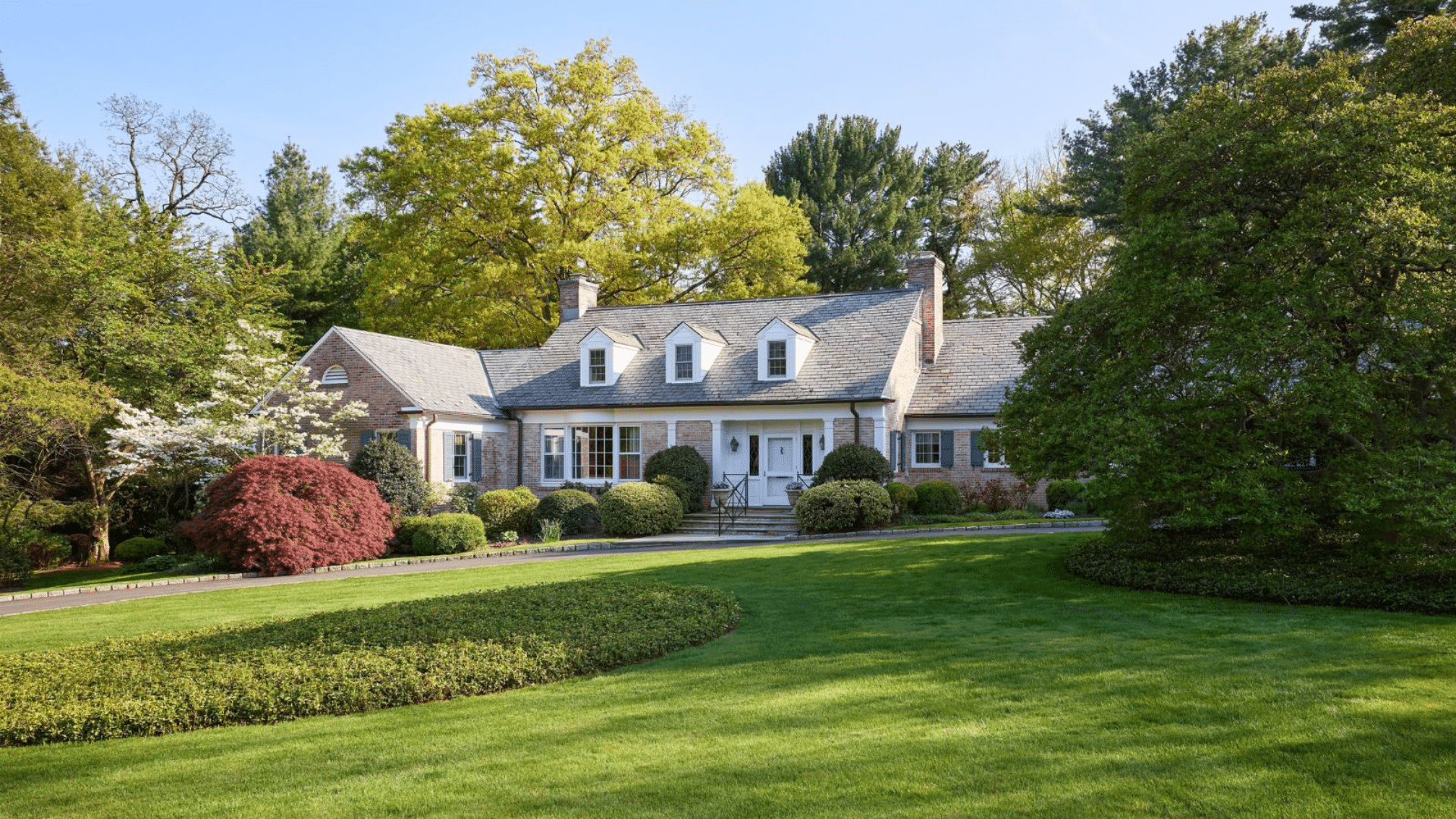
Many American homes follow clear design rules that came from history, and the Federal style house is one of them.
This style became common in the late 1700s and early 1800s, right after the American Revolution. Builders wanted homes that looked balanced, neat, and practical, without heavy decoration.
People still search for this style today because it feels clean and organized, and it works well with modern updates.
Federal homes use simple shapes and flat fronts with subtle details. They work well in cities, towns, and historic areas.
In this article, I explain what this house style is and where it came from. You will learn about its history, common features, and building materials.
I also compare it to Georgian homes and share well-known examples across the United States, so you know what to look for.
What Is a Federal Style House?
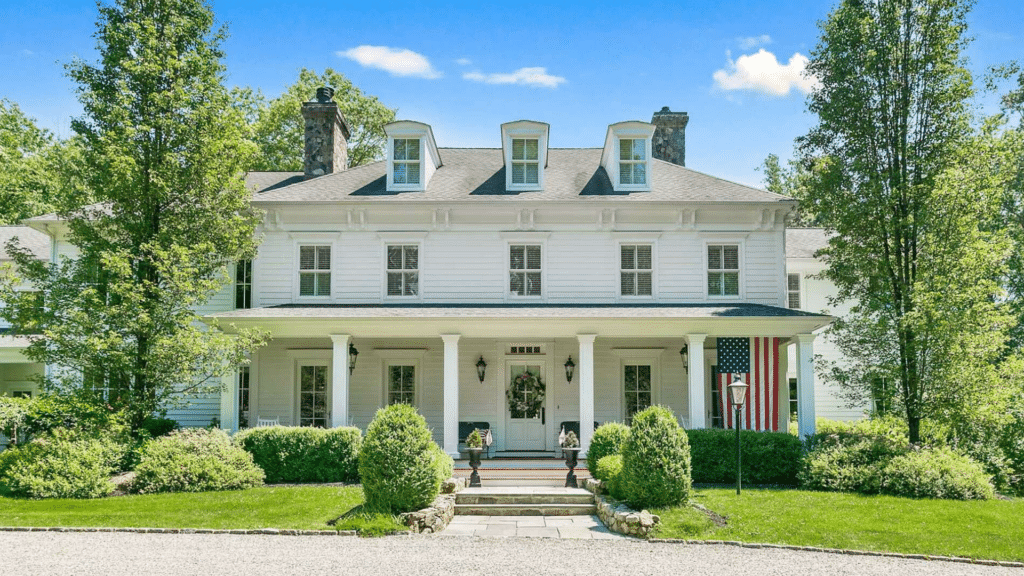
A Federal-style house is a type of American home design known for its clean shape, balanced layout, and simple details. These homes often have a boxy form, a flat front, and evenly spaced windows.
The goal of this style is order and symmetry rather than heavy decoration.
Doors are usually centered and may include a small decorative fan or narrow windows around them.
Inside, rooms follow a clear and organized layout that feels practical and easy to use. This style fits well into American home design because it focuses on function, balance, and lasting appeal.
Many people like it today because it looks neat and works well with modern updates.
A Federal-style house combines classic structure with everyday comfort, which makes it easy to recognize and still useful for current living needs without feeling outdated or complex.
History and Origins of Federal Style Architecture
The Federal style developed in the United States during the late 1700s and early 1800s. It appeared after the American Revolution, when the country wanted its own look.
Builders moved away from heavy British designs and chose lighter, more balanced forms.
This shift reflected new ideas about independence and order. The style grew as cities expanded and skilled craftsmen shared pattern books and plans.
Over time, homes became simpler and more refined, with less decoration than earlier styles.
The focus stayed on symmetry, proportion, and clean lines. As the nation settled, the design adjusted to local needs and materials.
By the 1820s, newer styles began to replace it, but many Federal homes remained in use.
Today, these buildings help explain how early American design changed after independence and shaped the look of towns and neighborhoods across the country today still.
Materials Used in Federal Style Architecture
These homes relied on materials that were easy to find, durable, and practical. Builders focused on strength and clean finishes rather than heavy decoration.
- Brick: Common in cities and towns because it was strong, fire-resistant, and long-lasting. Brick also helped create smooth, even facades.
- Wood: Widely used for framing, siding, and interior details. It was affordable and easy to shape for trim and paneling.
- Stone: Used in some regions for foundations and walls. Stone added stability and worked well in colder climates.
- Plaster: Applied to interior walls and ceilings for a smooth, finished look. It also helped improve insulation.
- Glass: Small panes were used in windows and door surrounds. Glass allowed light in while keeping designs simple.
Key Features of Federal Style Houses
These homes are easy to spot once you know what to look for. Their design focuses on balance, clean lines, and simple details inside and out.
1. Symmetrical Facade
Federal-style houses are known for a balanced front layout. The door usually sits in the center, with windows placed evenly on each side.
This creates a clean and organized look that feels calm and structured.
The roofline stays simple, often flat or low-pitched. Exterior decoration is minimal, which helps the symmetry stand out.
This feature makes Federal homes easy to recognize, especially when compared to more decorative styles from the same period.
2. Centered Front Entrance
The front door is one of the most noticeable parts of a Federal home.
It is placed in the middle of the house and often framed by narrow windows or a fan-shaped window above. These details add interest without making the entrance feel heavy.
The door itself is usually plain, with simple trim.
This design keeps the focus on balance and order while still giving the home a clear focal point.
3. Simple Window Design
Windows in Federal-style houses follow strict spacing rules.
They are usually rectangular and evenly lined up across the front of the home.
Many homes use double-hung windows with multiple small panes. The windows are not large or decorative, but they let in enough light to keep rooms bright.
Their placement supports the overall symmetry of the house and helps maintain a clean exterior appearance.
4. Clean Interior Layout
Inside a Federal home, rooms follow a clear and practical layout. Hallways often run through the center, with rooms placed evenly on each side.
This makes movement through the house easy and predictable.
Walls and ceilings stay simple, with light trim and limited decoration.
The layout focuses on function, comfort, and balance, which is why many of these homes still work well for modern living today.
Federal Style House vs Georgian Style: Key Differences
Both styles share a sense of order, but they differ in detail, weight, and overall feel. This comparison helps make those differences clear at a glance.
| Feature | Federal Style House | Georgian Style |
| Overall Look | Light and refined | Solid and formal |
| Decoration | Minimal and subtle | Heavier and more detailed |
| Roof Style | Low-pitched or flat | Steep or medium pitch |
| Windows | Narrow, evenly spaced | Larger and more prominent |
| Door Design | Simple with fan or side windows | Bold with heavy trim |
| Exterior Details | Thin moldings and clean lines | Thick moldings and columns |
| Interior Layout | Open and balanced | Structured and formal |
| Common Materials | Brick and wood | Brick and stone |
| Visual Weight | Feels lighter and less bulky | Feels heavier and more imposing |
Famous Federal Style Houses
These homes are well-known examples of how this design was used across the United States. Each one shows how the style worked in different settings and time periods.
1. The White House

The White House is one of the most recognized Federal-style buildings in the country.
Its balanced front, clean lines, and simple decorative details reflect the core ideas of the style. The centered entrance and evenly spaced windows create a clear sense of order.
While later changes added new elements, the original design still shows Federal principles.
It helped set a standard for public buildings and influenced how formal American architecture developed.
2. The Octagon House

The Octagon House in Washington, DC, stands out because of its unusual shape.
Even with its eight-sided design, it keeps the balance and restraint typical of Federal-style homes. The exterior uses clean lines and light decoration.
Inside, the layout feels planned and efficient. This home shows how builders could adapt the style while still following its basic rules.
It remains a strong example of creativity within a structured design approach.
3. The Hammond-Harwood House
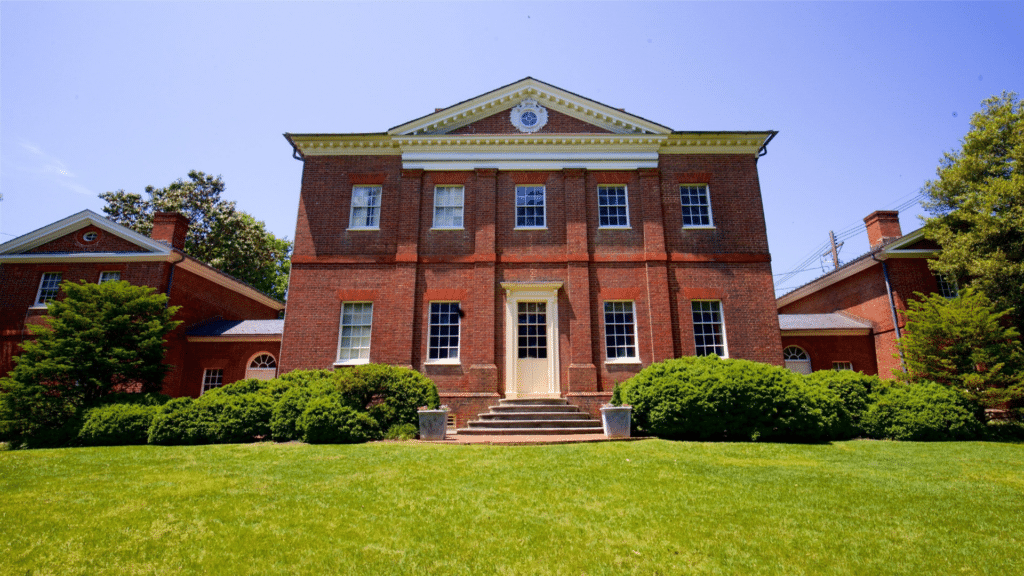
Located in Annapolis, Maryland, the Hammond-Harwood House is often cited as a textbook Federal style home.
Its brick exterior, symmetrical layout, and refined details clearly reflect the style. The entrance features simple decoration without heavy trim.
Inside, the rooms follow a balanced and orderly plan.
This house is valued because it stayed close to original design ideas, making it a clear reference point for studying Federal architecture today.
4. The Nichols House
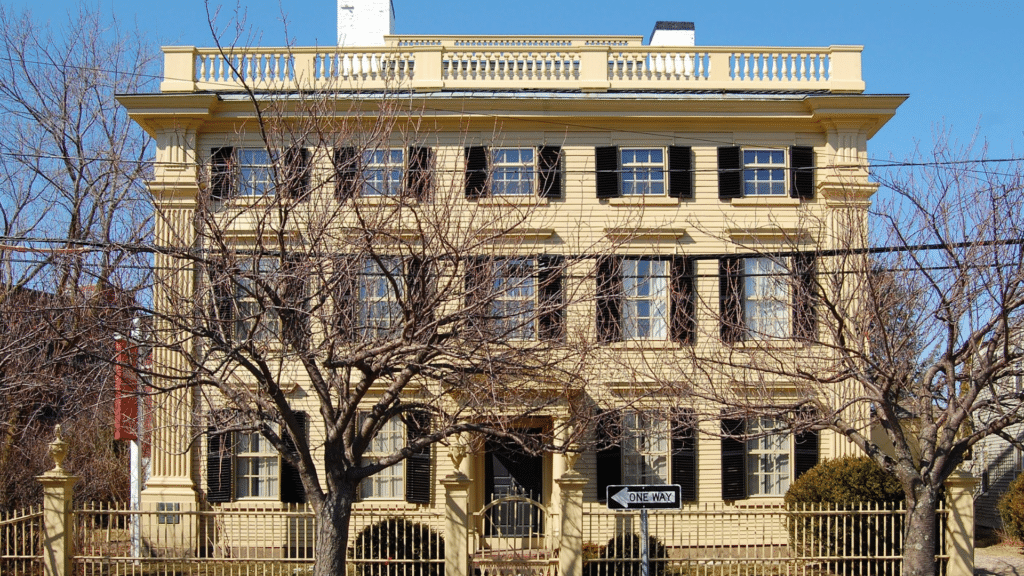
The Nichols House in Salem, Massachusetts, shows how Federal-style homes fit into urban neighborhoods.
Its narrow shape, brick construction, and evenly spaced windows reflect the style’s practical side. The interior layout uses space efficiently while keeping a sense of order.
This home highlights how the Federal style worked well for city living.
It remains an important example of how the design adapted to tighter spaces without losing its defining features.
Why Federal Style Homes Are Still Popular Today?
These homes continue to appeal because they feel practical, balanced, and easy to live in. Their design works well with both historic and updated interiors.
- Clean and balanced design: The simple layout and symmetry feel organized and calm, which suits modern lifestyles.
- Easy to update: Straight lines and open layouts make renovations and modern features easier to add.
- Classic structure: The basic form stays appealing without relying on heavy decoration or trends.
- Fits many settings: Federal homes work well in cities, suburbs, and historic neighborhoods.
- Strong resale appeal: Buyers often value the classic look and practical floor plans.
- Comfortable interiors: Rooms are well-proportioned and easy to use for daily living.
Conclusion
Federal-style homes stand out because they follow clear design rules that still make sense today.
Their balanced shape, simple details, and practical layouts help explain why they have lasted for generations.
From their early role in American housing to their place in modern neighborhoods, these homes show how good design can stay useful over time.
Once you understand the features, it becomes easier to spot them in towns, cities, and historic areas.
You may even realize you have walked past one without knowing its story. Learning about this style also makes it easier to compare it with other classic home designs.
If you enjoy noticing architecture or live in an older home, this style is worth paying attention to.
Have you seen a Federal-style house in your area or lived in one? Share your experience in the comments below.