

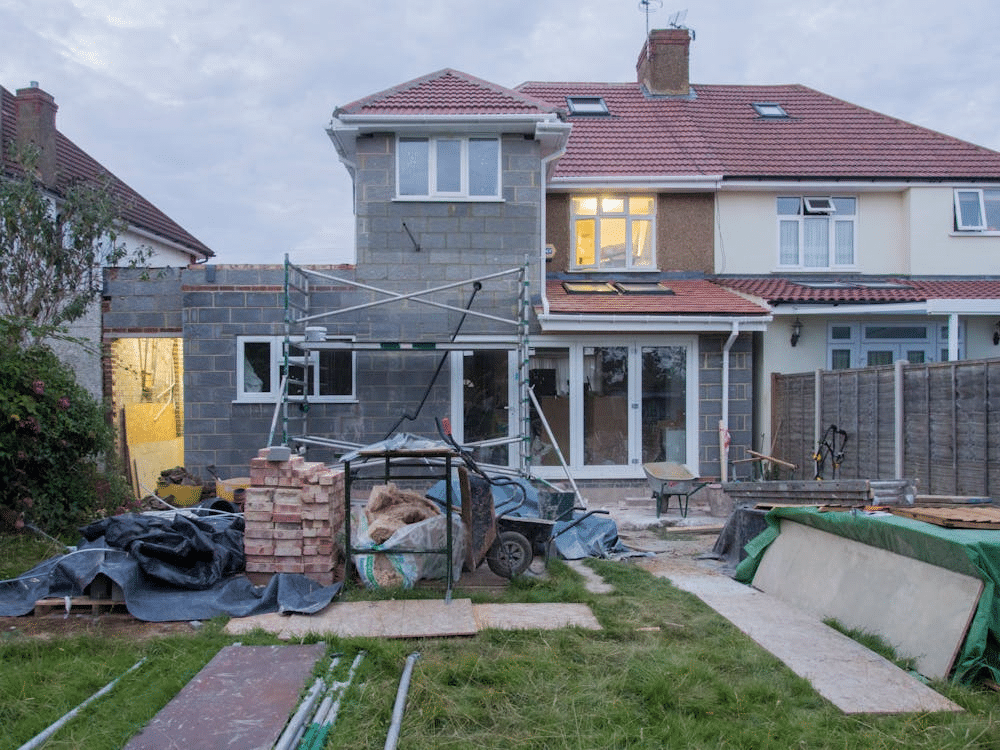
A tired roof can drag down a home, even if everything else looks sharp. The good news is that modern roof upgrades combine good looks with serious staying power, and many of them work quietly behind the scenes.
When planning updates, think in layers. Visible parts like shingles matter, but the components you cannot see often drive longevity, energy savings, and overall comfort. Start with the basics, then build toward features that add curb appeal and performance.
Why Roof Upgrades Matter
A strong roof protects the structure and sets the tone for the whole exterior. Durable materials resist weather, hold color, and keep their shape, so the home looks well cared for year after year.
Upgrades reduce maintenance stress. When components are engineered to last, you are not scrambling after every storm or heat wave. That consistency becomes real value when it is time to sell.
The right mix can cut energy use and help HVAC equipment run more efficiently. Less heat building up in the attic means fewer hot spots inside, and fewer hot spots make rooms more comfortable throughout every season.
Underlayment – The Hidden Workhorse
Beneath the shingles, the underlayment takes on wind-driven rain and acts as a second water barrier. It is the safety net that keeps minor issues from becoming major problems.
Many roofers now recommend synthetic sheets. This is because of the better tear resistance and longer service life, according to Triple R, and that shift is catching on across regions. This layer adds grip for installers and keeps protection consistent across valleys and penetrations.
If your roof is older, upgrading the underlayment when you re-shingle is a smart move. It is a once-per-roof decision that helps every other component do its job better.
Ventilation And Moisture Defense
Attic ventilation pulls heat and humidity out before they can cause trouble. When intake and exhaust are balanced, insulation stays drier, framing stays stronger, and the roof covering lasts longer.
Moisture that lingers can warp decking and encourage mold. By moving air through the attic, you lower the chance of condensation, especially during big temperature swings.
Ask your contractor to confirm airflow with simple math. The goal is steady movement from soffit to ridge, not random vents that work against each other.
Cool Roof Coatings – Lower Heat, Longer Life
Reducing rooftop temperature is one of the easiest ways to protect materials. Cooler surfaces expand and contract less, which helps prevent cracking, curling, and color fade.
A peer-reviewed study in the Buildings journal reported that cool roof coatings trimmed surface temperatures by roughly 9 to 34 degrees Celsius, depending on conditions. The researchers noted that lower surface heat aligns with longer membrane durability and improved comfort.
Quick takeaways you can use:
- Light colors and reflective finishes help most in sunny climates.
- Coatings should be paired with sound prep and clean substrates.
- Proper recoat intervals keep performance high.
- Not every roof type is compatible – check the manufacturer.
Style That Lasts – Profiles And Colors
You can chase trends, but timeless profiles usually win. Architectural shingles, standing seam lines, and textured metal panels create shadows that hide minor wear and keep the roof looking crisp.
Choose colors that complement stone, brick, or siding rather than trying to match them exactly. A balanced contrast makes the whole facade feel intentional and helps future buyers see the home as move-in ready.
Ask about fade resistance and granule retention if you prefer asphalt. For metal, look for finishes rated to resist chalking so the color holds up through years of sun.
Energy Performance You Can Feel
Heat control is not just about summer. When the roof rejects excess solar gain, the entire thermal load of the house drops, and the HVAC system does not have to fight as hard.
A recent article in Nature’s climate-focused journal highlighted that cool roofs delivered the highest building energy savings in certain warm regions, with meaningful reductions in cooling demand. Results vary by city and building type, but the trend points to real efficiency gains.
Those gains show up in steady indoor temperatures and quieter air handlers. They can extend equipment life, since compressors and fans avoid constant high-load cycles.
Smarter Choices, Better Roofs
When you plan your upgrade, start with essentials like underlayment and ventilation before picking color or profile. That order keeps water out, controls heat, and protects the structure.
Then add the finishing touches that boost curb appeal without sacrificing durability. A coordinated palette, clean lines, and a reflective surface turn a worn roof into a showpiece that works hard for years.

A thoughtful roof upgrade pays off in comfort, durability, and daily peace of mind. When the layers work together, the house stays drier, cooler, and quieter, and the exterior looks crisp for years without constant fixes.
Focus on the essentials first, then finish with styles and colors that fit the home. That balance turns a worn surface into a reliable shield that elevates curb appeal. With the right plan and materials, your next roof can look great on day one and keep proving its value season after season.