

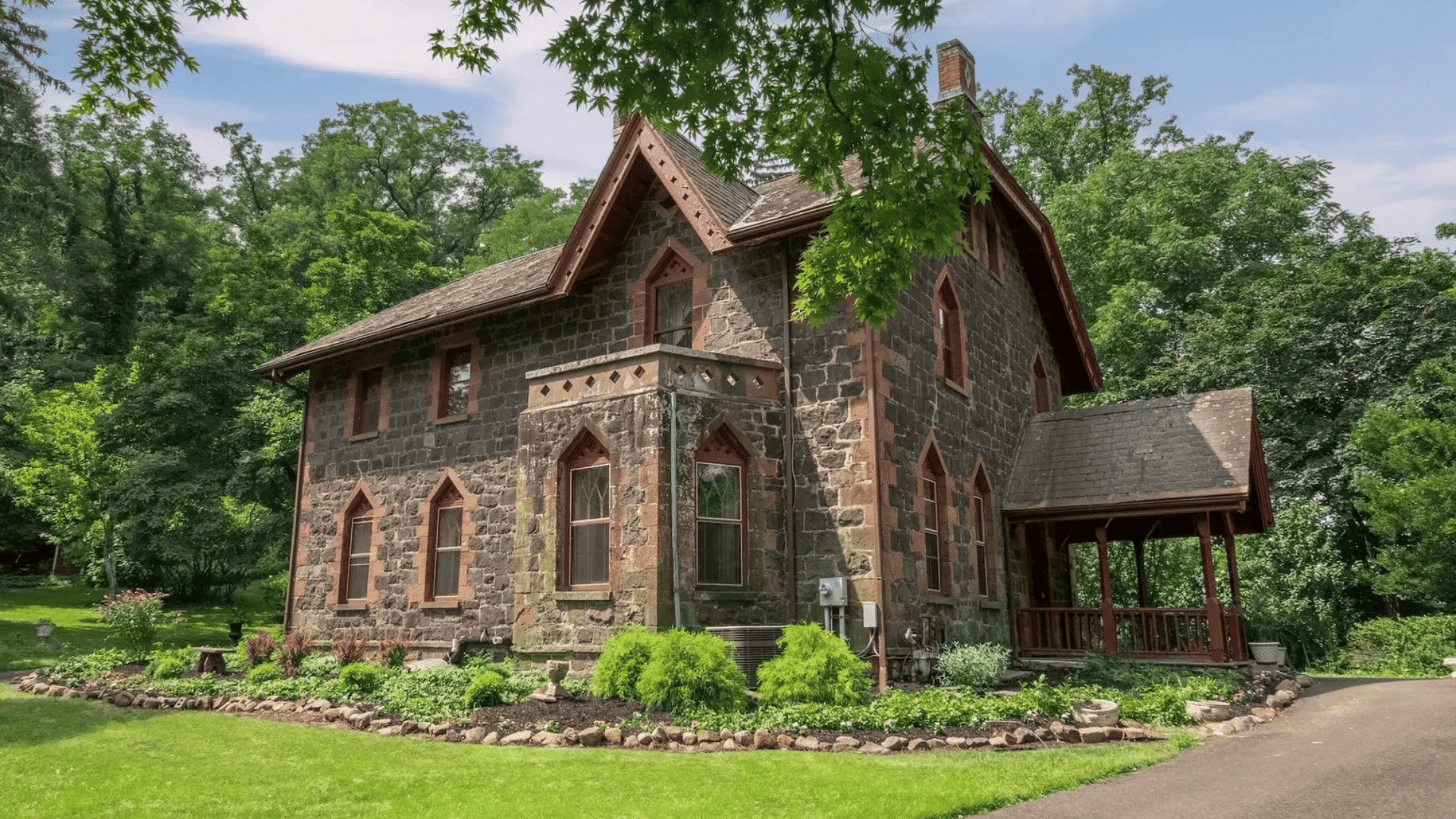
If you’ve ever wondered about the unique beauty of old homes, the Gothic Revival style might have caught your eye.
This architectural movement, which emerged in the early 19th century, is known for its dramatic, medieval-inspired designs.
In this article, you’ll have a closer look at Gothic Revival architecture, its origins, key features, and the role it played in shaping both homes and public buildings.
If you’re into history or seeking inspiration, you’ll learn to identify the style and its lasting impact.
I will also share some iconic examples and why people still choose this striking style today.
So, if you’ve been curious about the beauty and boldness of Gothic Revival houses, you’re in the right place. Let’s get started and learn what makes Gothic Revival stand out.
What Is Gothic Revival Architecture?
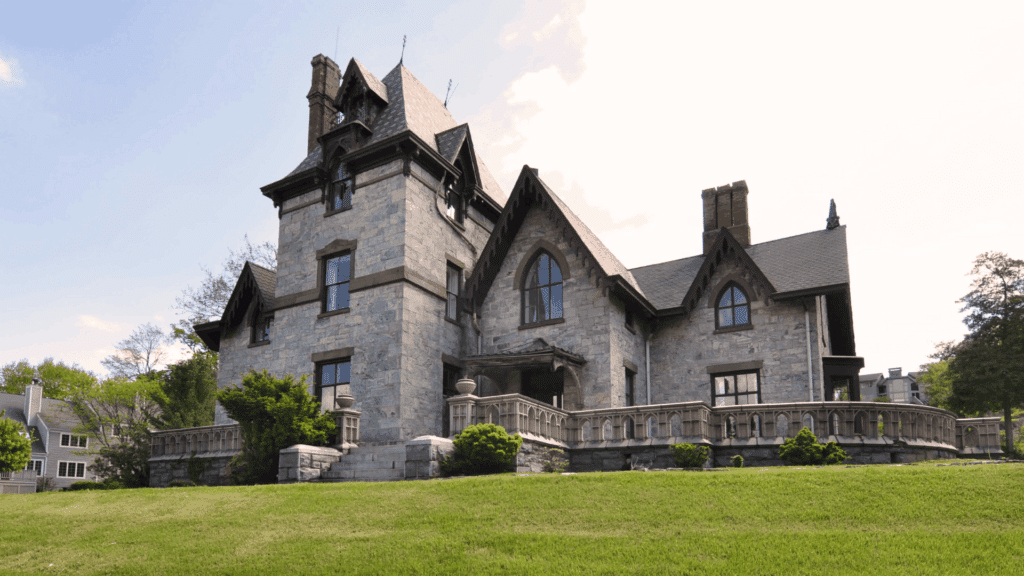
Gothic Revival architecture is a style that brings medieval Gothic design.
It takes inspiration from the pointed arches, tall windows, and intricate details of Gothic structures but adapts them with new design ideas.
The key principles of Gothic Revival include steeply pitched roofs, pointed arches, and decorative stonework.
Unlike earlier styles that focused on balance and simplicity, Gothic Revival features detailed decorations and tall, vertical lines that make buildings look higher.
This style often features large, stained-glass windows and elements that resemble medieval castles or churches.
What sets Gothic Revival houses apart is its mix of old-world beauty with modern construction methods, creating a dramatic but functional design.
It was used in both homes and public buildings, offering a bold alternative to the classical styles of the time.
The Origins of the Gothic Revival Style
The Gothic Revival style emerged in the early 19th century, driven by a fascination with medieval history and the Romanticism movement.
During this time, people drew inspiration from the Middle Ages, admiring the beauty and mystery of old castles and churches.
This shift was part of romanticism, valuing emotion, nature, and history over earlier strict styles.
Key figures like architect Augustus Pugin and designer A.W.N. Pugin played a major role in championing the movement.
They believed that Gothic architecture represented truth, beauty, and moral integrity.
Their designs and writings helped shape the popularity of the Gothic Revival houses, influencing both public buildings and private homes throughout the 19th century.
This period marked a return to intricate, detailed, and symbolic structures.
Key Features of Gothic Revival Houses
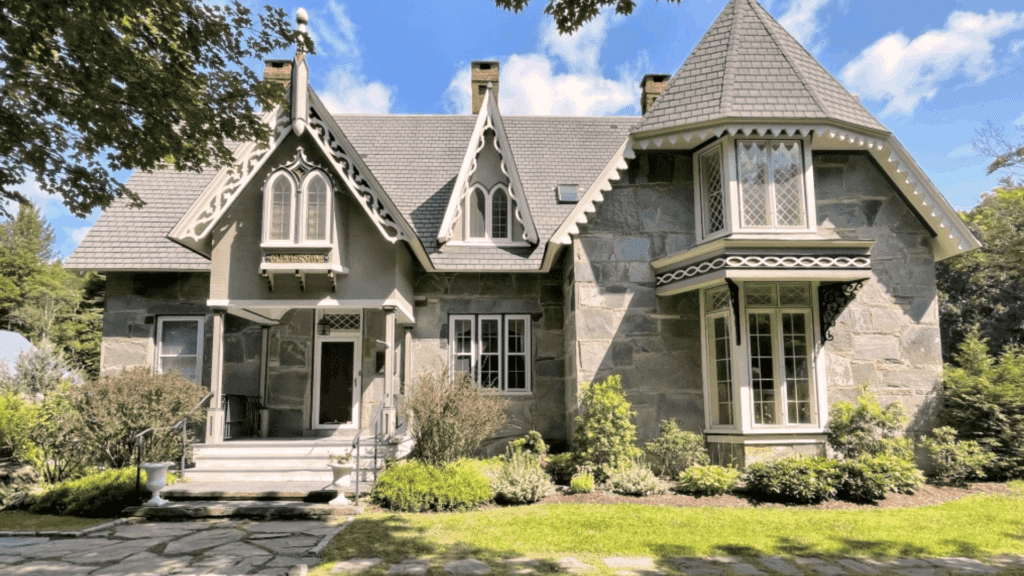
Gothic Revival houses feature pointed arches, steep roofs, and decorative tracery, creating a dramatic, vertical look. Stained glass windows add color and warmth.
1. Pointed Arches
One of the most recognizable features of Gothic Revival houses is the pointed arch, which originated in medieval Gothic architecture.
These arches are often used in windows, doors, and even structural elements.
The pointed shape gives a sense of height, drawing the eye upward. This feature was seen as a way to represent the reach toward heaven, making it symbolic in many religious buildings.
Over time, it became a signature of Gothic Revival houses, giving them a distinct appearance.
2. Steep Gabled Roofs
Another key feature of Gothic Revival homes is the steep gabled roof. These roofs are sharply pitched, often forming a triangular shape at the top of the building.
The steepness allows for better water drainage, a practical advantage in regions with heavy rainfall.
Aesthetically, these roofs contribute to the home’s dramatic and imposing presence.
The height of the gable can also make a house look larger and more grand, fitting well with the overall verticality of the style.
3. Decorative Tracery
Decorative tracery refers to the intricate designs found in windows and walls, often creating geometric patterns or floral motifs.
This feature adds a sense of refinement and artistic expression to Gothic Revival houses.
It is most often seen in windows, where the tracery is used to frame stained glass.
The tracery creates visual interest and depth, highlighting the importance of craftsmanship in Gothic Revival design. This detail serves to enhance the ornate, decorative nature of the style.
4. Intricate Windows
Intricate windows are a hallmark of Gothic Revival houses, often featuring stained glass. These windows are typically tall and narrow, with pointed arches at the top.
Stained glass adds a vibrant touch, often depicting religious or historical scenes.
The use of glass in Gothic Revival homes not only serves as decoration but also allows natural light to filter through, creating colorful effects inside.
These windows contribute significantly to the style’s dramatic and spiritual atmosphere.
5. Use Different Materials
The materials used in Gothic Revival houses include stone, timber, and stained glass.
Stone was often used for the foundation and exterior, giving the home a sturdy, grounded feel.
Timber, on the other hand, was commonly used for the framing, especially in residential settings, and added warmth to the structure.
Stained glass, a key material in this style, was often used for windows and provided vibrant color and beauty. Together, these materials helped define the Gothic Revival look.
The Significance of Gothic Revival in Architecture
Gothic Revival is considered a significant architectural movement because it reintroduced medieval design elements at a time when classical styles were dominant.
It challenged the traditional norms and brought a new focus on detailed craftsmanship and ornate design.
This movement influenced later styles, including the Arts and Crafts movement, which focused on craftsmanship and a return to nature.
The Gothic Revival house style was culturally and artistically important during the Victorian era, symbolizing a connection to the past and a reaction against industrialization.
Its influence is still visible in many buildings today, reflecting how it reshaped 19th-century design trends.
The style’s focus on beauty and detail continues to be appreciated for its unique character.
Notable Examples of Gothic Revival Architecture
Gothic Revival architecture can be seen in both public buildings and private homes, with famous examples around the world.
1. St. Pancras Station in London
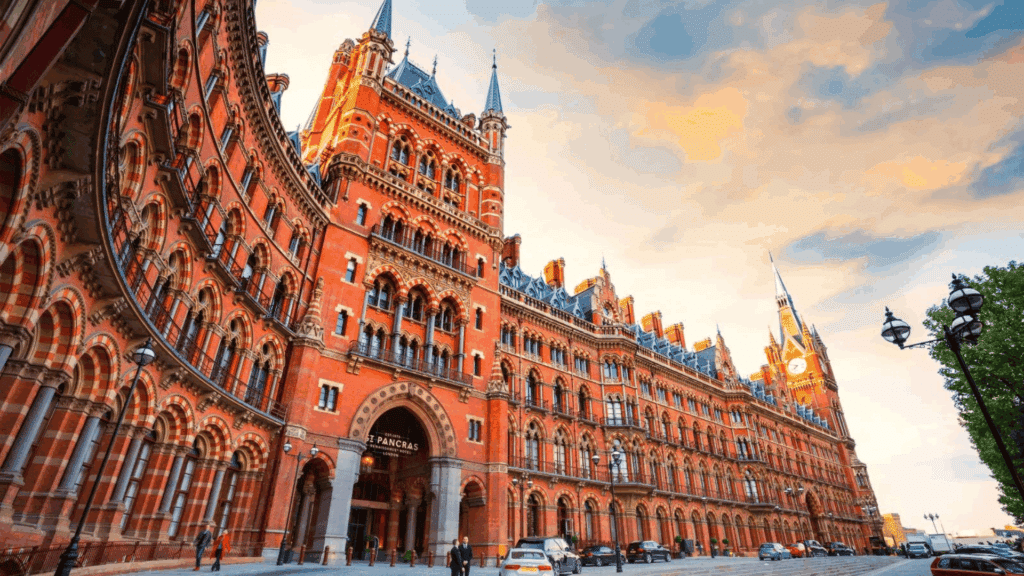
St. Pancras Station in London is one of the most recognizable examples of Gothic Revival architecture. Built in the mid-19th century, its tall pointed arches, intricate stonework, and decorative towers make it a standout.
The station’s design reflects the style’s emphasis on verticality, with its towering spires reaching skyward.
It combines both practical and ornamental elements, with its grand structure serving as a gateway for travelers while showcasing the Gothic Revival’s beauty. St. Pancras is a true landmark of the era.
2. Palace of Westminster in London

The Palace of Westminster is another famous Gothic Revival building in London.
Known for its sharp spires, ornate stone carvings, and the famous Big Ben clock tower, this iconic structure was designed by architect Charles Barry and Augustus Pugin.
Its design reflects a return to medieval styles, with the building’s bold, vertical lines and detailed stonework.
As the home of the UK Parliament, the Palace of Westminster is a beautiful example of the Gothic Revival’s influence on monumental government architecture.
3. New York Public Library in New York
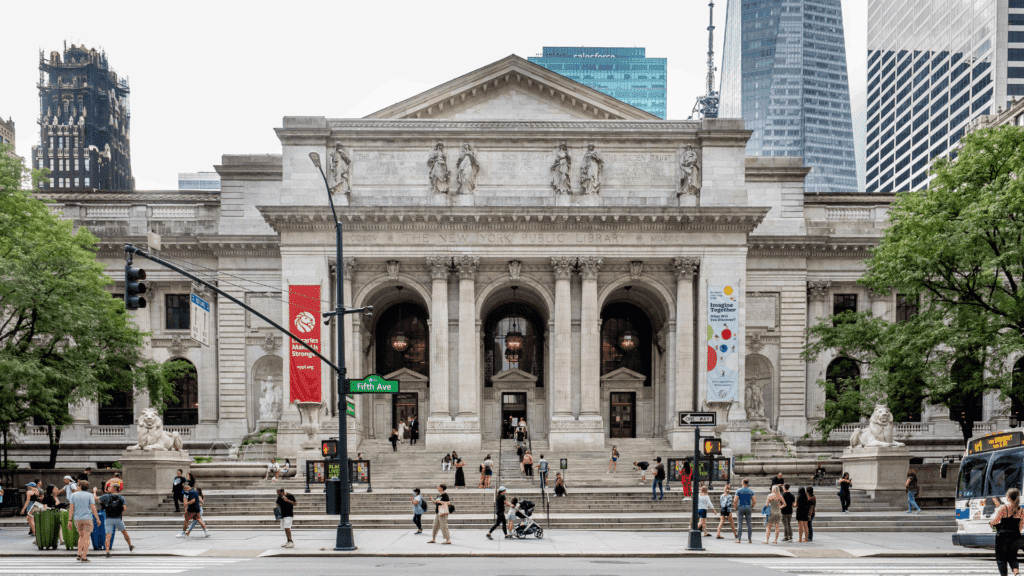
The New York Public Library is a well-known Gothic Revival building in the United States.
Built in the early 20th century, the library features pointed arches and decorative elements that hark back to the Gothic style.
Its design includes large, ornate windows, many of which are reminiscent of medieval cathedral windows.
The library’s iconic lion statues and grand entrance reflect the solemnity and importance associated with the Gothic Revival style, especially in civic buildings.
4. The Royal Albert Hall in London
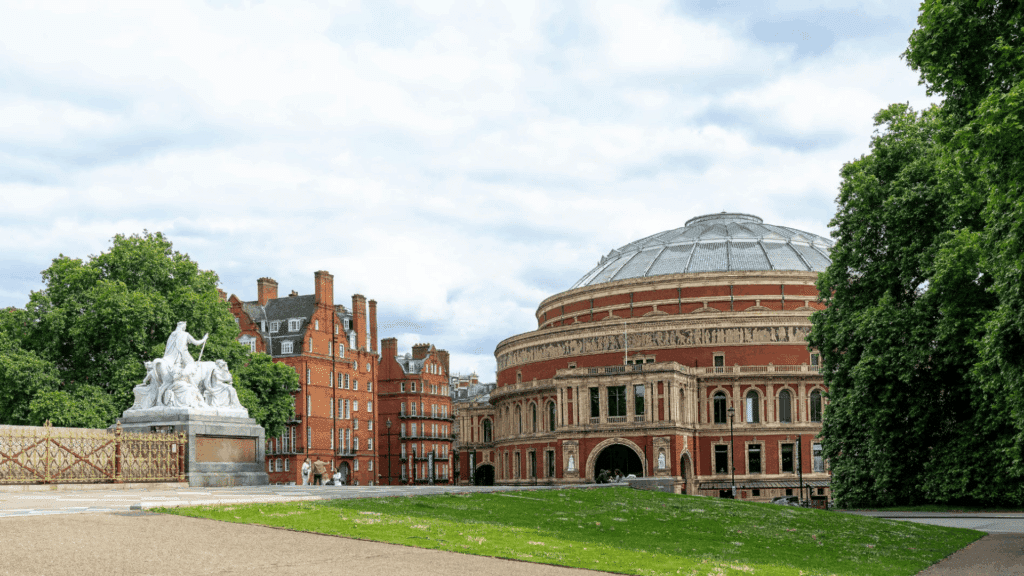
The Royal Albert Hall in London is another iconic Gothic Revival building.
Known for its circular design and elaborate stonework, the building features pointed arches and decorative detailing that emphasize verticality.
Though originally designed in a more eclectic style, the influence of Gothic Revival elements is evident in its use of arches, spires, and intricate stone carvings.
This cultural venue is an excellent example of how Gothic Revival ideas were adapted for modern uses in the 19th century.
How the Gothic Revival Movement Shaped Houses?
The Gothic Revival movement had a strong influence on domestic architecture, bringing dramatic and detailed designs to homes.
Pointed arches, steep gabled roofs, and ornate stonework became common features in residential buildings.
Many homes were designed to look like castle-like residences, with tall, narrow windows and decorative details that gave them a grand, medieval appearance.
In rural areas, some homes featured a cottage style with Gothic touches like decorative timber and pointed rooflines.
The movement encouraged artistic expression and detailed craftsmanship in home building.
It also shifted the focus from simple, symmetrical designs to homes with unique shapes and elements, reflecting a deeper connection to nature and history.
Gothic Revival house remain iconic for their bold and detailed architecture.
Why Choose a Gothic Revival Style for Your Home?
The Gothic Revival style offers dramatic, unique design elements that make a bold statement. It works well for both modern homes and historic renovations.
- Distinctive and Bold Look: Features like pointed arches, steep roofs, and detailed designs create a memorable appearance.
- Romantic Feel: The style brings a sense of mystery, perfect for those wanting a home with character.
- Flexibility: Gothic Revival works well in both new builds and older renovations, adding a touch of history.
- Lasting Appeal: While from the past, its bold designs are still stylish and fit modern architecture.
- Craftsmanship: The detailed work in stone, wood, and glass adds to the home’s visual interest.
Modern Interpretations of Gothic Revival Designed Houses
Modern interpretations of Gothic Revival design are seen in how traditional elements are combined with contemporary architecture.
Pointed arches and intricate tracery are being paired with modern materials like glass and steel for a fresh look.
In urban lofts, you might see Gothic-inspired windows or exposed stone mixed with modern furnishings.
Modern churches also use Gothic Revival elements, such as tall, narrow windows and dramatic rooflines, but with a lighter, more minimalistic approach.
This mix of old and new keeps the style’s dramatic features while making the design functional for today’s needs.
Gothic Revival’s classic appeal continues to inspire innovative design choices in modern spaces.
Conclusion
Gothic Revival architecture is more than just a style; it connects the past with modern design.
If you love its dramatic details or value its historical roots, this style offers something special for every homeowner.
From the striking historic buildings to its modern application in homes and urban spaces, the Gothic Revival house shows how classic design can combine with today’s living.
If you like its arches, detailed windows, or unique features, this style adds character and history to your home.
If you’re thinking about adding these elements to your own home or just appreciate the beauty of this style, I’d love to hear your thoughts!
Have you come across any Gothic Revival houses in your area? Share your experiences in the comments below.