

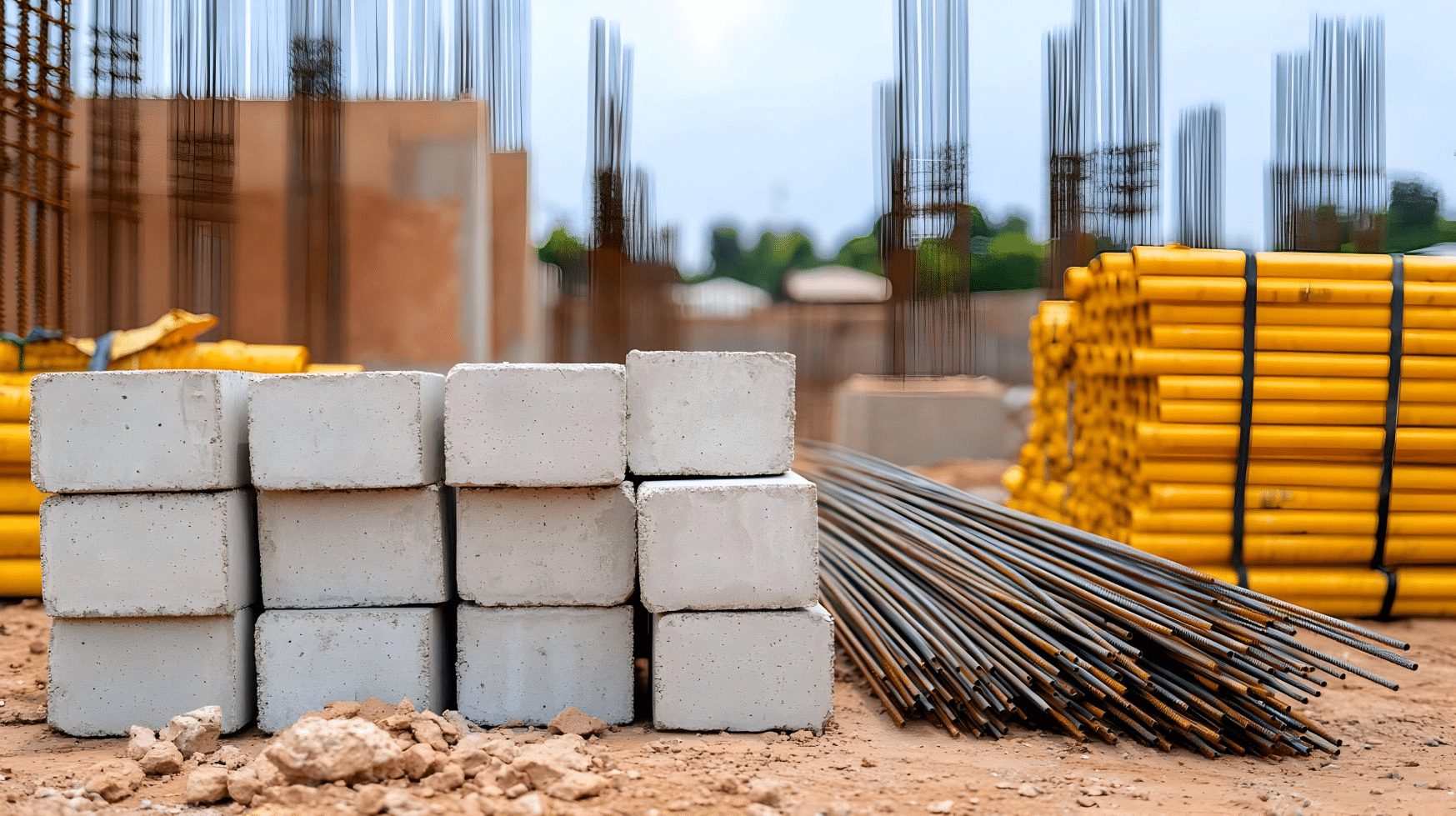
Building materials account for the largest spending in most construction projects. They’re also the most volatile. The global prices for raw materials like cement and metal framing have been fluctuating due to tariffs and unfavorable market conditions.
As a real estate developer, you’re likely struggling to build high-quality projects while earning a reasonable profit. It’s hard to balance everything, but instead of finding the cheapest materials, you must be intentional about your purchases.
Buy in Bulk, But Do It Smart
You already know that buying building products in bulk comes with discounts. That’s why state and local agencies often resort to cooperative purchasing, where they pool their requirements to further lower prices.
You can do the same and partner with other companies and contractors in your area. It’s a smart way to access wholesale pricing. On the flip side, you might be tempted to overbuy, which could affect your bottom line. Doing so ties up cash and leaves you with excess materials you may never use. Avoid this pitfall by working with your project manager to calculate reasonable quantities of materials.
Build Strong Vendor Relationships
Each developer has a set of reasons for choosing a certain supplier. Their product specialists may have excellent customer focus skills, or the store might have the widest range of commercial building supplies in your location. Regardless, it’s a mistake to think that every supplier is only good for a one-off transaction.
You need significant volumes of interior and exterior building solutions, whether you’re involved in commercial or residential construction. Cultivate a strong relationship with a supplier for the products that you use constantly, like wall components and ceiling tiles. Build trust, so you won’t have issues asking for a better price and will be prioritized when stock items are tight.
Master the Art of Negotiations
Every developer knows that the procurement process is filled with price and payment negotiations. A win-win approach always works best.
Get multiple bids and take the best prices to your preferred supplier. Ask them to match or beat it to start the ball rolling. They might not say yes to better pricing right away, but you can look at other aspects, such as free jobsite delivery. Most suppliers charge fees for handling and transporting items from their store to your location.
You can also request more flexible payment terms with your partner. Most vendors are willing to wait up to 60 days from the invoice date. See if you can extend it to 90 days. This won’t save you money at face value, but it can do wonders for your cash flow.
Explore Alternative Materials or Designs
Study whether you can lower your spending by choosing alternatives that look and work similarly. In acoustic ceilings, for instance, you may opt for mineral fiber instead of fiberglass ceiling tiles. A locally sourced alternative may be more cost-effective than specialty boards.
Incorporate sustainable construction materials, such as reclaimed wood and recycled steel. Some states offer tax breaks and rebates to contractors who use them. The incentive you get can offset upfront costs. Moreover, it’s a worthwhile environmental, social, and governance investment that uplifts your reputation to consumers and investors.
Even so, you should never skimp on crucial materials and supplies, including structural frameworks and construction safety gear. The money you’ll save will amount to nothing if they fail to do their job.
Expand Your Suppliers List
Ordering from the same supplier every time you need metal studs or access panels can sometimes do more harm than good. Prices are always moving, and what was once the cheapest option may no longer be competitive.
Take time to compare quotes from multiple suppliers before placing large orders. Check distribution centers with local branches near you. You can also connect with reliable sellers on online marketplaces.
See if you can buy what you need from the source, if you haven’t yet. You might be surprised to know that your chosen truss and wall panel manufacturers are willing to transact directly with developers.
Know When to Buy
They say time is money in construction projects, and it certainly is true when buying commercial building materials. Last-minute orders are budget killers. You pay premium prices and lose the ability to negotiate when you’re forced to buy supplies in a hurry.
Careful planning and accurate forecasting are your best defenses against this. Use a project management software to track the material needs against the construction progress.
Proper market intelligence can also help. Act fast if the industry anticipates supply chain disruptions or changes in tariffs. Some materials are cheaper when the demand dips. You can time your purchase during the slower months to push for a better deal.
Buy key materials before prices surge so you can lock in more savings. Just make sure you have a secure and dry place to store the construction supplies. Otherwise, you can hold the delivery until you need them.
Building Smarter, Not Just Cheaper
Saving money on commercial building supplies requires being strategic and avoiding shortcuts. The tips above can help you strengthen your purchasing power and buy on your own terms. They admittedly require extra effort, but they’re crucial for protecting your budget without compromising quality.
Every dollar you save on supplies is a dollar you can reinvest in innovation and technology, which are crucial to staying ahead of the curve in this competitive market.