

Growing sweet potatoes has always been a rewarding experience for me, and I know it can be for you, too. If you’re wondering, “How long do sweet potatoes really take to grow?”, you’re in the right place.
Even if you’re a gardening beginner or someone with a bit of experience, getting the timing just right can be tricky.
I’ve made plenty of mistakes along the way, but each one taught me something new about sweet potatoes and their growth cycle.
In this blog, I’ll share my personal experience and give you a realistic timeline for growing sweet potatoes, from planting to harvest.
I’ll also offer tips to help you get the most out of your crop and ensure a successful growing season.
By the end of this article, you’ll have a clear understanding of how long it takes to grow sweet potatoes and how to care for them at each stage.
Let’s get started and help you grow your own delicious sweet potatoes!
What to Expect when Growing Sweet Potatoes
When growing sweet potatoes, you can expect a rewarding, but sometimes unpredictable experience.
These plants thrive in warm weather, typically requiring 90 to 170 days to reach full maturity, depending on the variety and climate.
You’ll begin by planting sweet potato slips, small vine cuttings, into well-drained soil. As they grow, they’ll need plenty of sunlight, water, and space to spread their roots.
During the first few weeks, you may not see much above the soil, but don’t worry, the roots are getting established. Over time, you’ll notice vines stretching out, and small flowers may appear.
The most exciting part? When the vines start to die back, it’s time to harvest your sweet potatoes.
The process can be a bit slow at first, but with proper care, your efforts will reward you with a healthy crop. Patience is key, and soon you’ll be enjoying homegrown sweet potatoes!
The Growing Timeline for Sweet Potatoes
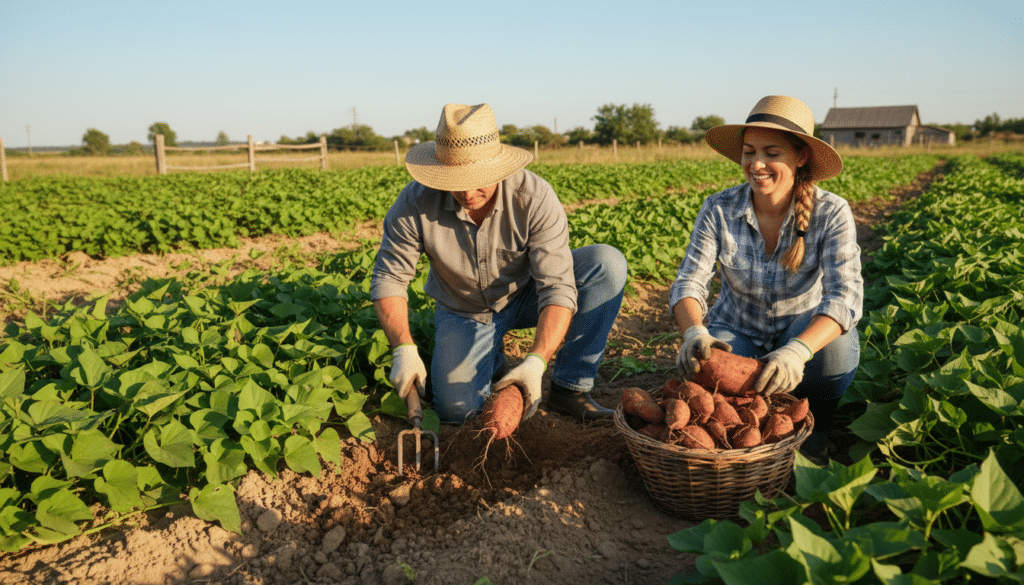
Understanding the growing timeline of sweet potatoes helps set expectations for each stage of growth. Let’s look closer so you know exactly what to expect.
1. Planting to Germination
After planting sweet potato slips, you can expect the first signs of life within 2 to 3 weeks.
During this time, the roots begin to establish underground, while the vines start to grow above the soil. Sweet potatoes need warmth and moist, well-drained soil for this early stage.
Be patient, as the initial sprouting can be slow, but it’s essential for creating a healthy root system for later growth.
2. Early Growth Stages
In the first few weeks after planting, sweet potato plants focus on rooting and developing vines.
You’ll notice the vines spreading out as the plant gets more established. It’s important to maintain consistent watering during this time while ensuring the soil isn’t too soggy.
As the vines grow, they’ll need plenty of sunlight, at least six hours a day, to support the plant’s energy needs and promote healthy development.
3. Flowering and Harvest
As sweet potato plants mature, they will eventually begin to flower. While the flowers are not essential for the tuber development, they signal that the plant is nearing the end of its growing cycle.
Around the same time, the vines will start to yellow and die back. This is your cue that the sweet potatoes are ready for harvest.
Depending on your climate, this usually happens between 90 and 170 days after planting.
4. Average Time to Full Maturity
Sweet potatoes take 90 to 170 days to fully mature, depending on the variety and growing conditions.
Warmer climates generally speed up the growth process, while cooler conditions may extend it. To know when to harvest, look for signs such as yellowing vines and changes in plant growth.
The longer the growing period, the larger the tubers will be, making the wait worth it if you’ve been patient with your care.
Factors that Influence Growing Time
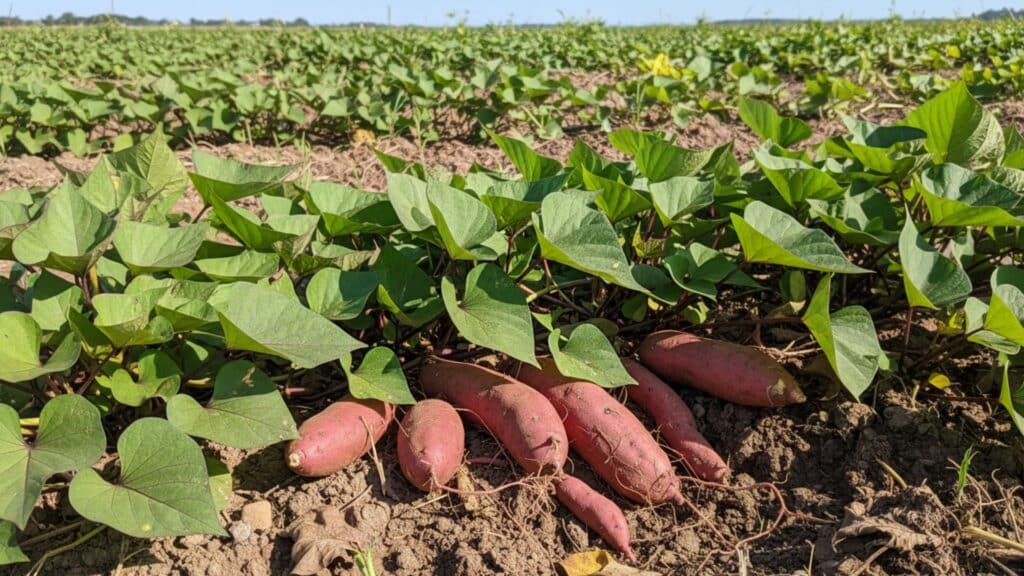
Several factors can affect how quickly your sweet potatoes grow, including the climate and the soil you use. Let’s look at how each factor affects growth.
- Climate and Weather Conditions: Sweet potatoes need warm temperatures to grow quickly, ideally between 70°F and 85°F. Extreme cold or heat can slow their development.
- Soil Quality and Preparation: Well-drained, nutrient-rich soil promotes faster growth by providing the roots with essential nutrients and space to expand.
- Watering and Maintenance: Regular watering is essential, especially in dry periods. Consistent care ensures steady growth, while neglecting it can lead to slower development and smaller yields.
- Variety of Sweet Potato: Different varieties have different growing times, with some maturing in as little as 90 days and others taking up to 170 days for full development.
Personal Experience: My Sweet Potato Growing Experience

Growing sweet potatoes for the first time was a journey full of surprises. I started by planting slips in well-drained soil, excited to see how quickly they would grow.
However, I soon realized that sweet potatoes are slow starters. The first few weeks felt like I wasn’t seeing much progress above the soil, but I learned that the real growth was happening underground.
One challenge I faced was inconsistent watering, which led to a few dry spots in the garden. Once I adjusted my watering routine, things started to thrive.
Another surprise was how much space the vines needed to spread out. I hadn’t anticipated how far they would reach!
My advice for beginners is to be patient, ensure proper spacing, and stick to a consistent watering schedule.
Tips for Speeding up Growth and Ensuring a Successful Harvest
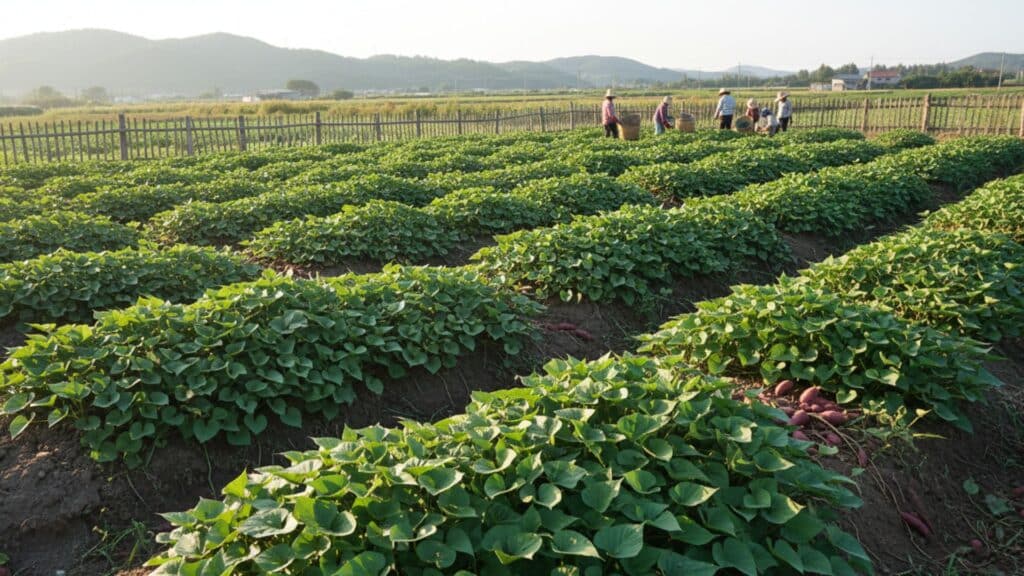
To get the best results and a quicker harvest, there are a few essential tips that can help your sweet potatoes thrive. Here are some simple tips you can follow.
- Choosing the Right Sweet Potato Variety: Select early-maturing varieties like Beauregard or Georgia Jet, which can be harvested in as little as 90 days. These varieties tend to grow faster in warmer climates.
- Pre-Growing Tips: Start sweet potatoes early by rooting slips in water or planting starts indoors before the last frost. This gives your plants a head start once the weather warms up.
- Regular Care and Maintenance: Establish a consistent watering schedule, ensuring the soil stays moist but not soggy. Ensure your sweet potatoes get 6+ hours of sunlight per day and protect them from pests like aphids.
- Fertilizing and Feeding: Feed sweet potatoes with balanced, slow-release fertilizer. This will ensure the plants have the nutrients they need for faster growth and larger yields.
Common Mistakes to Avoid when Growing Sweet Potatoes
Growing sweet potatoes can be a rewarding experience, but common mistakes can hinder your success. Here’s what to avoid to ensure a healthy crop.
| Common Mistakes | Description |
|---|---|
| Overwatering or Underwatering | Too much water can drown the roots, while too little causes stress. Maintain consistent moisture without soggy soil. |
| Improper Planting Depth | Planting too deeply can hinder sprouting, while planting too shallow can expose roots to damage. Plant at 4–6 inches deep. |
| Neglecting Soil Health | Regular soil testing is important. Adding organic compost improves soil fertility and drainage. |
| Not Managing Pests and Weeds | Pests like root-knot nematodes and weeds compete for nutrients. Regular monitoring and control are crucial for healthy growth. |
At the End
Growing sweet potatoes can be an incredibly rewarding experience, but it requires patience and care.
From planting to harvest, understanding the right growing conditions and avoiding common mistakes will make all the difference in your success.
Remember, every garden is unique, and what works for one gardener might not work for another. That’s part of the beauty of growing your own food, learning what works best for you.
I hope this guide has helped set you up for success with your sweet potato journey. Have you grown sweet potatoes before?
What challenges or surprises have you encountered along the way? I’d love to hear about your experiences! Share your thoughts and tips in the comments below.
Frequently Asked Questions
What is the Best Time to Plant Sweet Potatoes?
Sweet potatoes grow best when planted after the last frost. Warm soil temperatures help the slips settle quickly and support steady root growth throughout the season.
Can Sweet Potatoes Grow in Containers?
Sweet potatoes grow well in containers if enough space is provided. A deep and wide container allows the roots to expand properly and supports healthy development.
How Much Water do Sweet Potatoes Need?
Sweet potatoes require regular watering, especially during the early growth stage. The soil should remain evenly moist, but avoid excess water to reduce the risk of root rot.
What Happens if Sweet Potatoes Are Left in the Ground Too Long?
When left in the ground too long, sweet potatoes can become overly mature and soft. The vines begin to die back, and the tubers may turn woody or start to rot.