

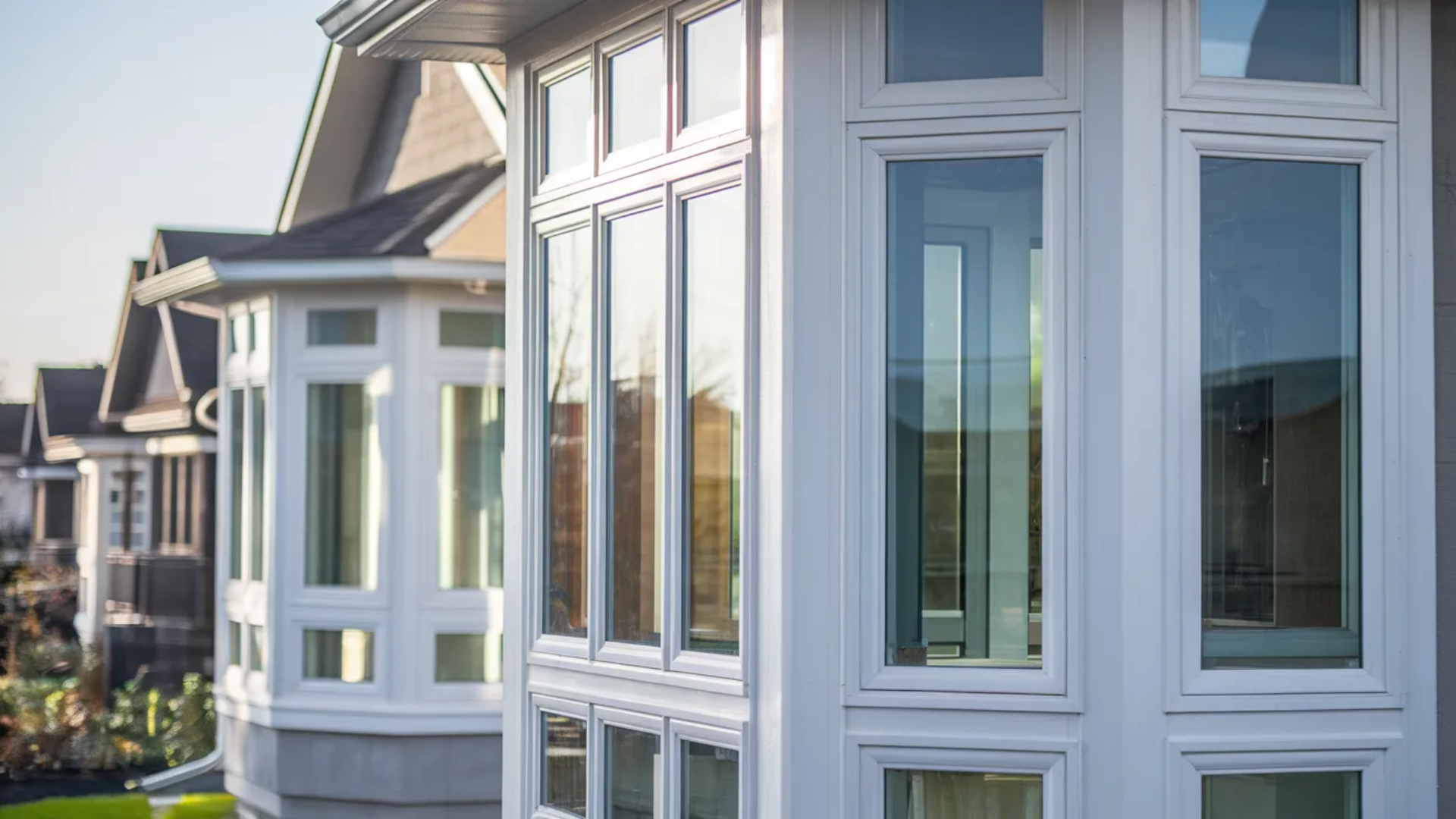
I’ve helped friends and neighbors choose new windows, and one question always comes up: How long do vinyl windows last?
Windows are a big part of your home, and replacing them can be expensive. If you’re investing in new ones, you want to know they will hold up for years.
In this article, I’ll share the typical lifespan of vinyl windows and what can affect how long they last. You’ll see how weather, installation, and daily wear can change their durability over time.
I’ll also compare vinyl windows with fiberglass so you can understand the differences before making a choice.
Along the way, I will share some simple tips to help extend the life of your windows and signs, and tell you when replacement might be the better option.
What Materials Are Used in Vinyl Window Frames?
Vinyl windows are primarily made from polyvinyl chloride (PVC), a strong plastic widely used in construction. PVC is known for its durability, moisture resistance, and low maintenance needs.
It does not rot, rust, or corrode, making it suitable for window frames in changing weather.
Most vinyl window frames are built with multiple internal chambers. These hollow sections help improve insulation and add strength to the frame.
The design also helps reduce heat transfer, which can improve energy efficiency in the home.
Manufacturers often add stabilizers and additives to the vinyl to improve performance. These materials help the frames resist sunlight, temperature changes, and fading over time.
Many vinyl windows also feature double- or triple-pane glass, which improves insulation and comfort.
Together, these components create a durable, efficient, and relatively easy-to-maintain window.
How Long Do Vinyl Windows Last on Average?
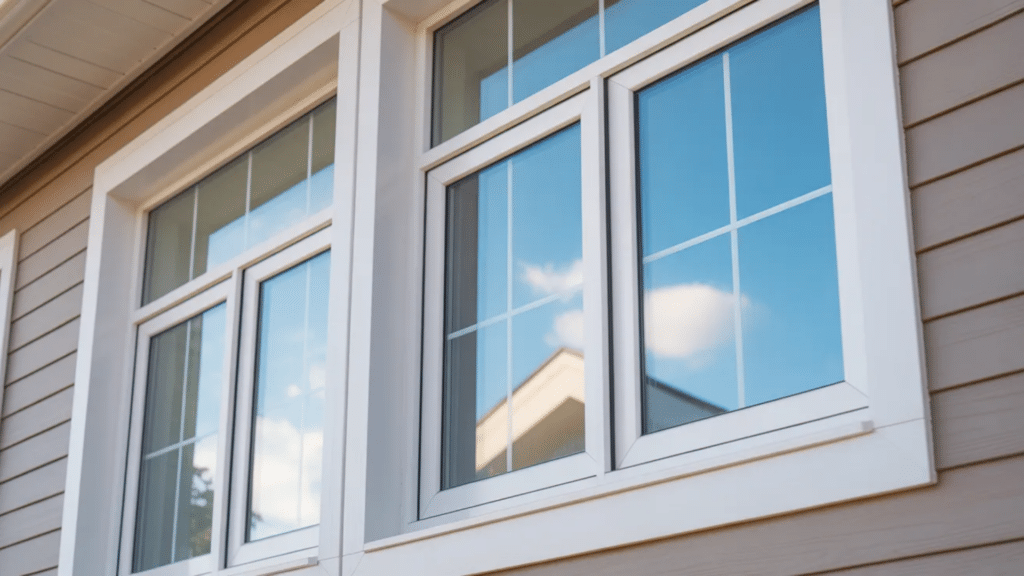
On average, vinyl windows last 20 to 40 years, depending on installation quality, climate conditions, and maintenance.
Many homeowners choose vinyl windows because they offer a good balance of durability and cost.
When installed properly and cared for over time, they can perform well for decades.
Weather plays a big role in how long they last. Strong sunlight, heavy storms, and very cold temperatures can gradually affect the material.
Poor installation can also lead to gaps or reduced energy efficiency. Regular maintenance helps extend their lifespan.
Cleaning the frames, checking seals, and keeping tracks free of dirt can prevent small problems.
With proper installation and routine care, vinyl windows can stay durable, energy-efficient, and reliable for many years in most homes.
Key Factors that Affect the Lifespan of Vinyl Windows
Several factors can affect the lifespan of vinyl windows. Understanding these elements helps homeowners know what can extend or shorten the life of their windows.
- Climate and Weather: Extreme heat, strong sun, heavy rain, and freezing temperatures can gradually wear down vinyl frames. Windows in milder climates often last longer.
- Installation Quality: Proper installation ensures a tight seal and smooth operation. Poor installation can cause air leaks, water entry, and faster deterioration.
- Material Quality: High-quality vinyl windows use thicker frames and better internal support. These features help prevent warping, cracking, and long-term damage.
- Sun Exposure: Constant direct sunlight can cause fading and weaken vinyl over time. Windows facing intense sun may age more quickly.
- Maintenance and Cleaning: Regular cleaning keeps tracks and seals in good condition. Basic upkeep helps prevent small issues from becoming larger problems.
- Home Environment: Dust, moisture, and nearby vegetation can affect window performance. Keeping the surrounding area clean helps windows stay in good shape.
Which Lasts Longer Vinyl Windows or Fiberglass?
Vinyl and fiberglass windows are both durable options, but their lifespans can vary depending on material strength and long-term performance. Understanding the key differences helps homeowners choose the right window type.
| Feature | Vinyl Windows | Fiberglass Windows |
| Average Lifespan | 20–40 years | 30–50 years |
| Material Strength | Flexible material that resists moisture | Strong and rigid material |
| Weather Resistance | Performs well but may warp in extreme heat | Handles extreme temperatures very well |
| Maintenance | Low maintenance and easy to clean | Very low maintenance and highly durable |
| Cost | Usually more affordable | Typically more expensive |
| Long-Term Durability | Good durability for most homes | Often lasts longer due to stronger material |
| Energy Efficiency | Good insulation with multi-chamber frames | Excellent insulation and stable performance |
| Resistance to Warping | May expand or contract with temperature changes | Very stable with minimal |
Are Vinyl Windows a Durable Long-Term Choice?
Vinyl windows are often considered a reliable long-term option for many homes. They are built to resist moisture, do not rot like wood, and usually require very little upkeep.
With proper installation and basic care, vinyl windows can perform well for several decades.
One reason many homeowners choose vinyl is its balance of durability and cost. The material holds up well in most weather conditions and does not need painting or sealing.
This makes it easier to maintain compared to some other window materials.
Vinyl frames also provide good insulation, improving energy efficiency and indoor comfort. Over time, this can help reduce heating and cooling costs.
While fiberglass may last longer in some cases, vinyl windows still offer strong durability for everyday use.
For many homeowners, they provide a practical and dependable window solution that performs well over the long term.
Signs Your Vinyl Windows Need Replacement
Windows can slowly lose performance as they age or face constant weather exposure. Watching for early warning signs can help you decide when replacement may be the better option.
- Drafts around the window: If you feel air coming through closed windows, the seals or frame may no longer be tight. This can reduce energy efficiency and indoor comfort.
- Difficulty opening or closing: Windows that stick, jam, or do not slide smoothly may have warped frames or worn-out hardware.
- Cracks or damage in the frame: Visible cracks, bending, or broken corners can weaken the structure of the window and affect its durability.
- Fog or moisture between glass panes: Cloudy glass usually means the seal between panes has failed. This reduces insulation and window performance.
- Higher energy bills: Poor window insulation can allow heat or cool air to escape, making heating and cooling systems work harder.
- Water leaks around the window: Water entering around the frame during rain may indicate seal failure or installation problems.
Maintenance Tips to Make Vinyl Windows Last Longer
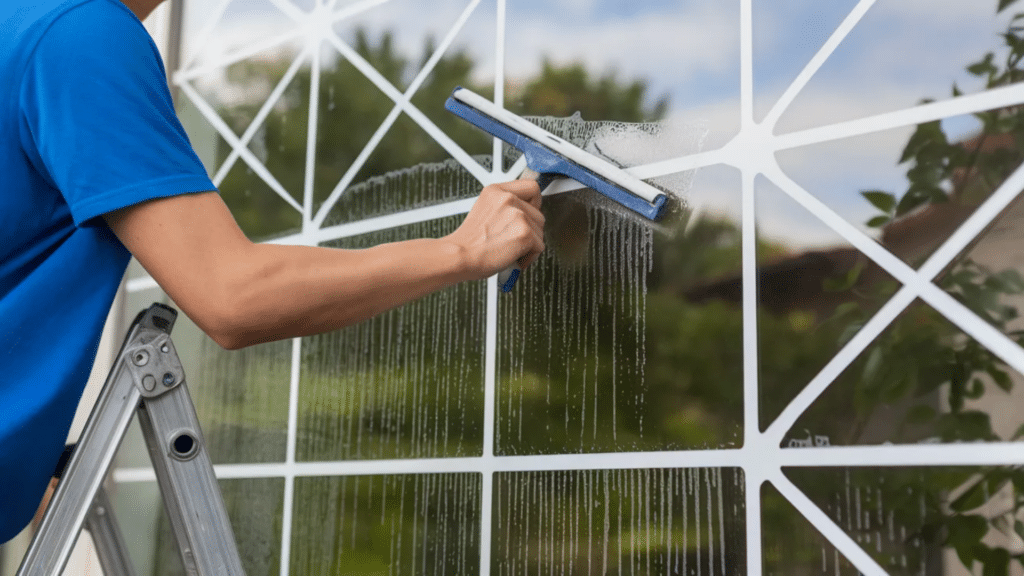
Proper maintenance can help vinyl windows stay in good condition for many years. Simple care routines can prevent small issues and keep the windows working smoothly.
- Clean the frames regularly: Wipe vinyl frames with mild soap and water to remove dirt, dust, and stains. This helps the surface stay bright and prevents buildup.
- Keep window tracks clear: Dust and debris can collect in the tracks. Clean them often so the window can open and close without resistance.
- Check seals and caulking: Look for cracks or gaps around the window edges. Good sealing helps keep air and water from entering the home.
- Lubricate moving parts: Apply a light lubricant to locks, hinges, and sliders. This helps parts move smoothly and reduces wear.
- Avoid harsh chemicals: Strong cleaners can damage vinyl surfaces. Use gentle cleaning products to protect the finish.
- Inspect windows seasonally: Check the frames, locks, and seals a few times each year. Early inspection helps you notice issues before they grow larger.
How to Tell If Vinyl Windows Are High Quality?
High-quality vinyl windows have several signs you can check before buying. Start by looking at the frame thickness.
Strong frames feel solid and do not bend easily, while thin frames may warp over time. Next, check the number of internal chambers inside the frame.
More chambers usually mean better insulation and strength. Good vinyl windows also have reinforced corners and strong, welded joints where the frame pieces meet.
This helps the window stay stable during temperature changes. The glass is also important.
Double- or triple-pane glass improves insulation and indoor comfort.
Hardware quality matters as well. Locks, hinges, and sliders should move smoothly and feel sturdy. Finally, check for energy ratings or certifications.
Windows that meet recognized energy standards usually provide better performance and long-term reliability.
Conclusion
Vinyl windows can be a practical and durable choice for many homes.
With an average lifespan of 20 to 40 years, they offer a good balance of performance, energy efficiency, and low maintenance.
Their moisture resistance makes them a durable, low-maintenance window option.
The actual lifespan depends on installation quality, climate, and maintenance. Regular cleaning, checking seals, and fixing small issues early help windows last longer.
If you are planning to install new windows or replace old ones, understanding these factors can help you make a more informed decision.
Have you installed vinyl windows in your home? Share your experience, tips, or questions in the comments below.
Your insights may help other readers make the right choice for their homes.