

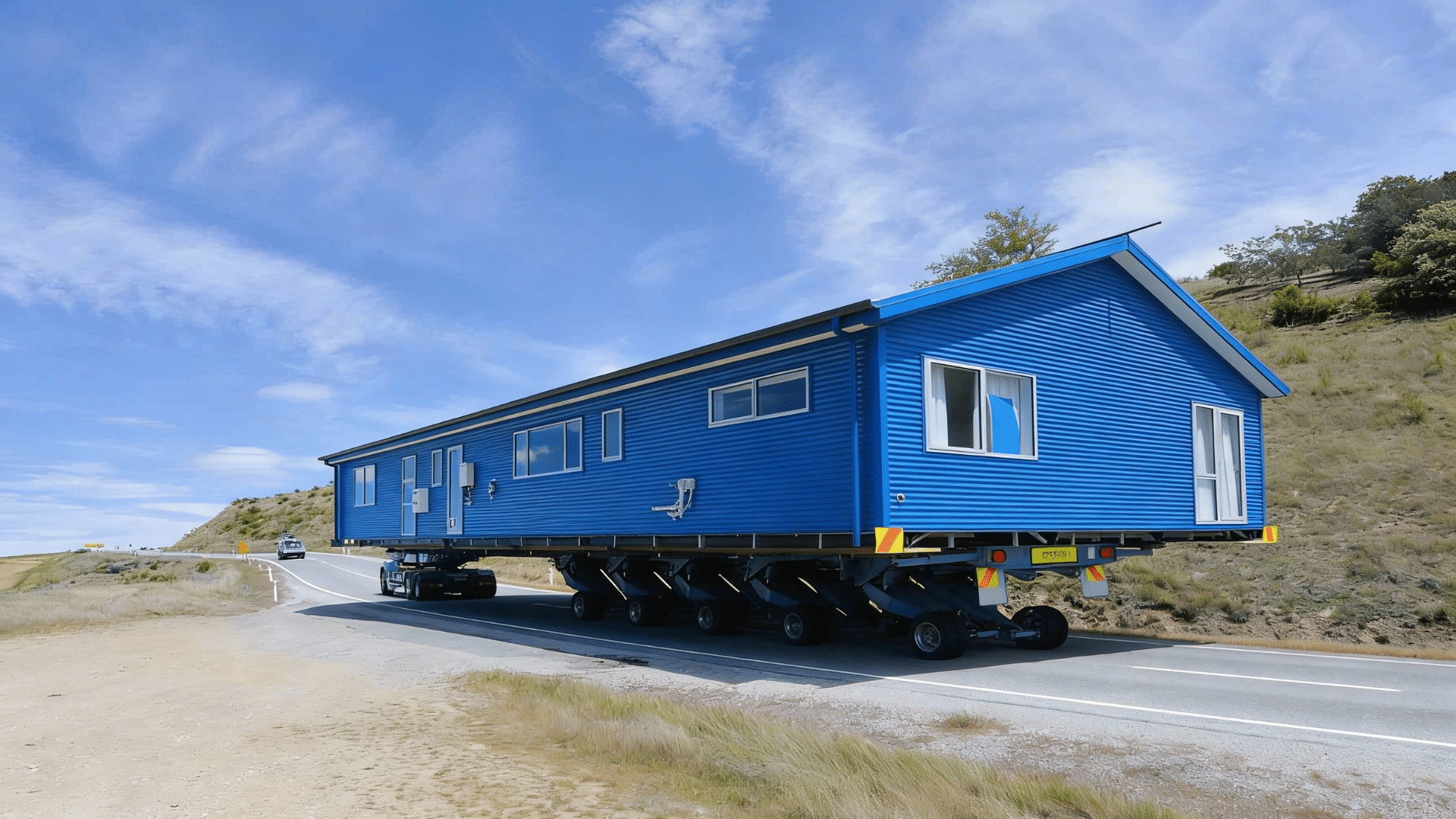
Moving a house means lifting the whole building and placing it in a new spot. It’s not a common task, and it comes with many steps.
People may do it to keep a home they care about or to meet new land rules. One of the biggest questions is about cost.
How much does it really take to move a house? The answer can change based on many things.
This blog takes a close look at house-moving costs and what people should know before getting started.
What is House Moving and Why Do People Do It?
House moving means lifting the entire home off its foundation and relocating it to a new spot. This is not the same as moving furniture or boxes.
The full structure is moved using special tools and skilled workers. It takes careful planning and must follow safety rules and local laws.
People choose home relocation for different reasons. Some need to clear land for roads or buildings. Others want to save an old but strong house.
Flood zones or weak ground may also make the current land unsafe. In some cases, families buy land and want to move their house onto it.
Moving house is a big task. It’s not simple or fast, but it can be the right choice.
Average Cost Range
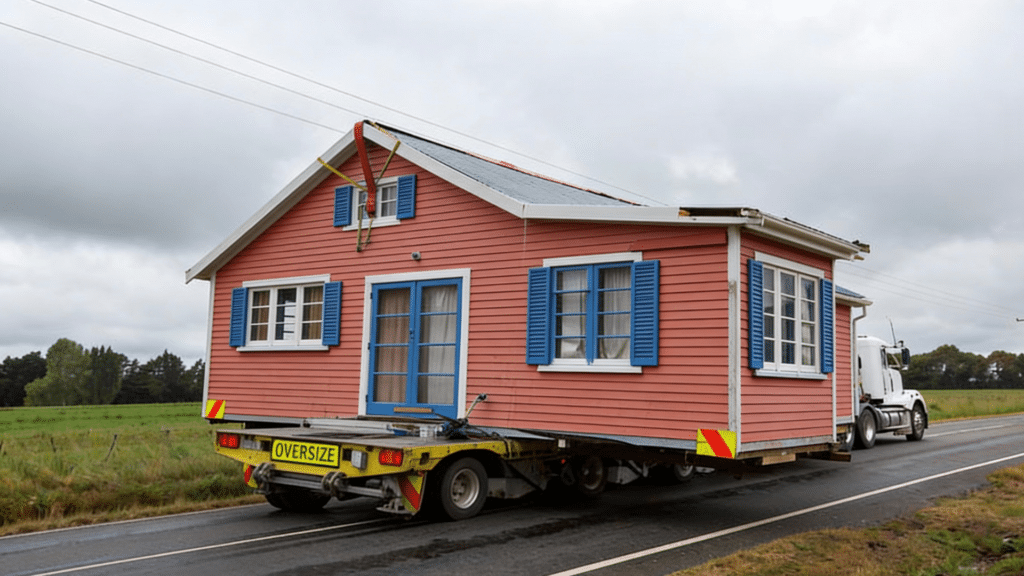
So, how much does it cost to move a house? The price can vary a lot depending on the job. But here’s a basic breakdown to help set expectations:
| Type of Cost | Low-End Cost | High-End Cost |
|---|---|---|
| House lifting & moving | $15,000 | $200,000+ |
| New foundation | $5,000 | $40,000 |
| Permits & legal fees | $1,000 | $10,000 |
| Utility disconnection/setup | $1,000 | $5,000 |
| Road preparation/permits | $2,000 | $25,000 |
| Total | $25,000+ | Over $250,000 |
What Affects the Cost of Moving a House?
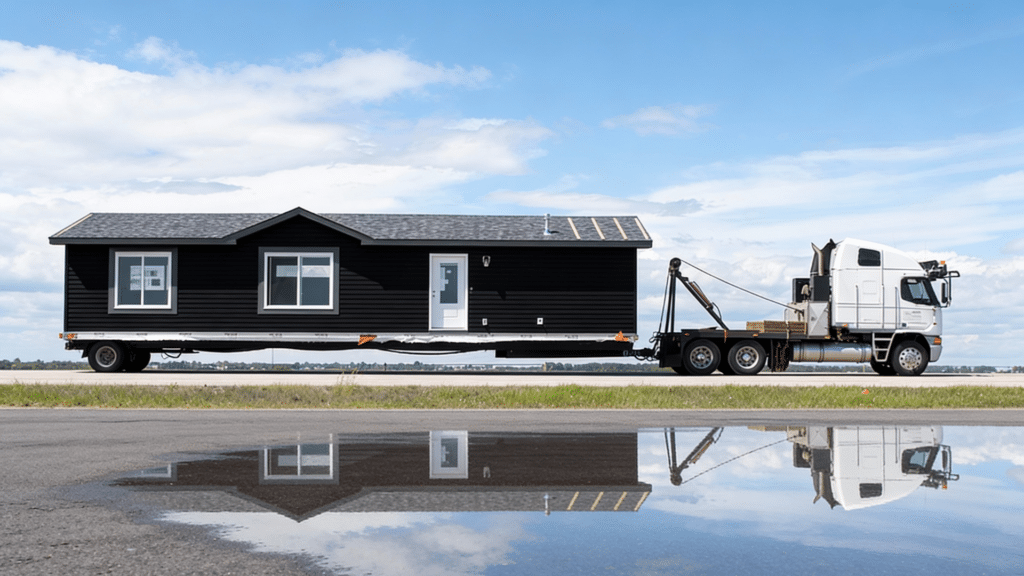
The cost to move a house can vary a lot. No two moves are the same. Several key factors play a role in how much a homeowner will pay for home relocation.
1. House Size and Type
A small, one-story house is easier and cheaper to move than a large, two-story home. Wide houses are harder to transport because they may need extra trucks or special permits.
Some homes are built with materials that make lifting harder, such as brick or stone. Older homes may also need extra support to prevent damage during the move.
2. Distance of the Move
The farther the house needs to travel, the higher the cost will be. Short moves across the yard or down the street are usually the cheapest.
Moving a house across town or into another county adds fuel, labor, and planning costs. Long-distance moves may also need overnight stops and extra safety checks.
3. Road Access and Route Planning
Road conditions matter more than many people expect. Narrow roads, sharp turns, steep hills, or low bridges can slow down the move.
Power lines, traffic lights, and trees may need to be lifted or removed. If the safest route is longer, the moving cost will increase.
4. Foundation Work
The house must be lifted off its old foundation before it can move. At the new site, a fresh foundation must be ready to support the home.
This work often includes digging, concrete pouring, and inspections. Foundation costs are usually not part of the moving quote and can add a large amount to the total price.
5. Permits and Zoning Rules
Most cities require permits before a house can be moved. Zoning laws may limit where a house can be placed or how large it can be.
Inspections may be needed before and after the move. Permit delays can slow the project and increase costs if equipment sits unused.
6. Utility Disconnection and Reconnection
All utilities must be safely shut off before the house is lifted. This includes water, electricity, gas, and sewer lines.
After the move, the house must be reconnected and tested. These services require licensed workers and may take several days to complete.
7. Moving Company Rates
House moving companies charge based on the difficulty of the job. Rates depend on house weight, height, distance, and route challenges.
Experienced home relocation companies may charge more, but they reduce the risk of damage. Choosing a mover based only on price can lead to costly problems later.
What’s Usually Not Included in the Base Price?
Some moving quotes may seem lower than others. But many base quotes don’t include key items:
- Foundation costs (slab or basement)
- Land clearing at the new site
- New plumbing or wiring
- Interior repairs after the move
- Roof cuts (if the height must be lowered to pass roads)
- Yard or driveway work
Always ask what’s included and what’s not before signing a contract.
Pros and Cons of House Moving
Moving house can be a smart choice for some, but it’s not the best option for everyone. Like any big decision, there are good and bad sides. Here’s a simple look at the pros and cons of home relocation:
| Pros | Cons |
|---|---|
| Helps you keep a home you already love | High up-front costs |
| Can save historic or well-built houses | It may take weeks or months to plan and finish |
| It may be cheaper than building a new house | Needs many permits and approvals |
| Helps avoid tearing down strong old homes | Road limits can delay or stop the move |
| Good for families who own land elsewhere | Foundation and utility work add to the price |
| Allows reuse of strong materials and layout | Some cities or towns may not allow house moves |
Questions to Ask Before Moving House
Before you start, it helps to ask:
- Is my house the right size and type for moving?
- Are there companies near me that can do this?
- What will the full cost be, including foundation and hookups?
- Will I need to change or fix parts of the house before the move?
- Are local permits and zoning rules in place?
- Can I get real advice from people who have done this?
Asking the right questions can save time and money.
Tips from People Who’ve Done It
People who have gone through home relocation often share advice like:
- “Always get more than one quote.” Prices vary a lot between moving companies.
- “Don’t forget about permits.” Many delays happen because of missing paperwork.
- “Plan for extra costs.” Things often pop up that no one expected.
- “Watch the weather.” Rain or snow can delay the move.
- “Be ready for surprises.” Older homes can have hidden issues during lifting.
Do You Need Expert Help to Move a House?
House moving also involves permits, inspections, route checks, and working with city or county offices. Some people hire a house moving consultant to help with the process. These experts can assist with:
- Getting permits
- Talking to city or county staff
- Working with engineers and inspectors
- Finding trusted house movers
Hiring a consultant can save time and lower stress, especially for big or tricky moves. Their help can also prevent delays and make sure all local rules are followed.
But house moving is not allowed everywhere. Some cities or counties have limits due to:
- Roads that are too narrow or steep
- Zoning laws that block home relocation
- Local safety rules or tight routes
- No room for moving trucks or tools
Before planning a move, always check with your local building office to see what is allowed in your area.
To Conclude
House moving isn’t common, but it’s possible with the right help and plan. It gives people a way to keep a home they care about while starting fresh in a new place.
Still, the process comes with rules, risks, and real costs. From lifting the house to laying a new foundation, every step needs careful thought.
Real stories and shared tips show that it can be done, and done well. If you’re thinking about this move, don’t rush. Learn from others, check your local laws, and build a solid plan.
Want a clear idea of what your move might cost? Try a home relocation estimate tool to start planning.