

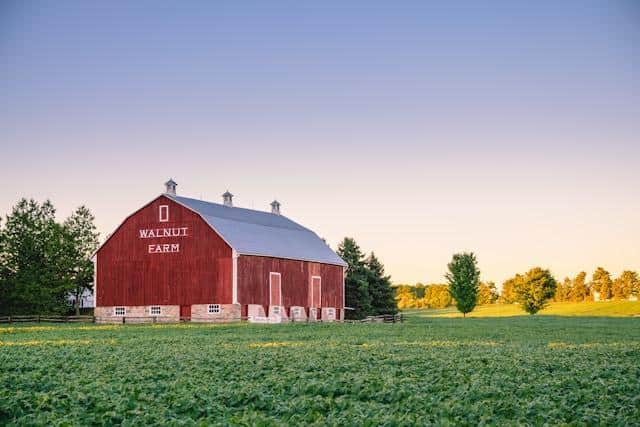
Selecting the right land for farming operations represents one of the most critical decisions agricultural entrepreneurs face. The foundation of successful farming begins long before planting the first seed; it starts with choosing land that aligns with your agricultural goals, budget constraints, and long-term vision. Understanding key factors determining land quality ensures sustainable productivity and future financial viability.
Conduct Comprehensive Soil Analysis and Testing
Both scientists and growers agree that loam is the easiest to work with, yet the most fertile. Professional soil testing provides essential data about nutrient levels, pH balance, organic matter content, and soil structure.
Testing should examine macro-nutrients like nitrogen, phosphorus, and potassium, as well as micro-nutrients and potential contaminants. Loamy soil, known for its high water and nutrient retention, is ideal for various crops. Laboratory analysis reveals whether soil amendments are needed to achieve optimal growing conditions.
Request tests for soil compaction, which affects root development and water infiltration. Understanding baseline soil conditions allows you to calculate the actual cost of land preparation and ongoing fertility management.
Research Regional Market Access and Location Factors
When evaluating farms for sale in Ocala FL, or any agricultural region, proximity to processing facilities, distribution centers, and target markets significantly impacts transportation costs and product freshness. Analyze local infrastructure, including road quality, grain elevators, cold storage facilities, and shipping options. Consider labor availability, agricultural support services, and proximity to equipment dealers.
Regional climate patterns, growing season length, and pest pressure vary significantly between locations. Research local agricultural extension services, farmer cooperatives, and industry networks that provide ongoing support and market connections essential for operational success.
Evaluate Topography and Slope Characteristics
Flat and even land is usually the best option, as it allows for easier cultivation and harvesting. Sloped or hilly areas can also be used for farming, but they may require additional investments in machinery to make them usable.
Gentle slopes between 1$ to 3% provide natural drainage while preventing erosion, whereas steep terrain increases machinery costs and soil conservation requirements. Slopes can lead to variations in soil depth, with thinner soils found on steeper slopes. Consider how topography affects equipment access, field efficiency, and harvest logistics.
Excessive slopes require terracing or specialized equipment, significantly increasing operational expenses. Topographical maps help identify natural water flow patterns that influence irrigation design and field layout planning.
Assess Water Access and Irrigation Infrastructure
Consistent water supply, either through natural rainfall or irrigation, determines crop selection and yield potential. Evaluate existing wells, surface water rights, and proximity to municipal water sources.
Test water quality for salinity, mineral content, and potential contaminants that could damage crops or soil health. Irrigation systems should be properly designed for the field’s inherent topography, soil, and crop characteristics, and the quantity and quality of the water supply.
Calculate water costs and availability during drought conditions, as water security directly impacts long-term farming sustainability. Consider future water rights regulations and competing uses that may affect availability.
Analyze Drainage and Water Management Systems
Soil conditions that make drainage necessary for come agricultural lands include those with slow water permeability or dense soil layers that restrict water movement, flat or depressional topography, and high salt levels at the soil surface. Poor drainage leads to waterlogged conditions that damage roots and create disease-favorable environments.
Field access times are critical. Compacted soils or those with high clay content often require artificial drainage systems. Examine existing drainage infrastructure, including tile drains, ditches, and outlet capacity. Consider seasonal flooding patterns and how quickly fields dry after heavy rainfall, as this affects planting and harvesting windows that directly impact profitability.
Investigate Regulatory Environment and Land Use Restrictions

Zoning regulations, agricultural preservation easements, and environmental restrictions can limit farming activities and future development options. Research water rights, chemical application restrictions, and organic certification requirements if applicable. Some areas have strict regulations on livestock operations, manure management, or certain crop types.
Understanding building permits, setback requirements, and expansion limitations prevents costly compliance issues later. Review local tax assessments, agricultural exemptions, and potential future development pressures that could affect long-term land values and farming viability.
Calculate Total Cost of Ownership and Development
Beyond purchase price, evaluate infrastructure development costs, including well installation, irrigation systems, storage facilities, and access rods. If a test is less than desirable, the purchasers must spend time and money improving the soil drainage system. Factor in soil improvement costs, fertility programs, and ongoing maintenance expenses.
Consider financing options, tax implications, and cash flow requirements during the establishment years when revenue may be limited. Analyze comparable land sales, rental rates, and productive capacity to ensure reasonable returns on investment. Professional appraisals help determine fair market value and identify potential hidden costs that could impact profitability.
Endnote
Successful farm land selection requires systematic evaluation of multiple interconnected factors that influence both immediate operations and long-term sustainability. Thorough due diligence, professional consultations, and careful financial analysis ensure your land investment supports profitable agricultural operations for years to come.
The time invested in comprehensive land evaluations pays dividends through reduced operational challenges, improved productivity, and enhanced long-term value creation.