

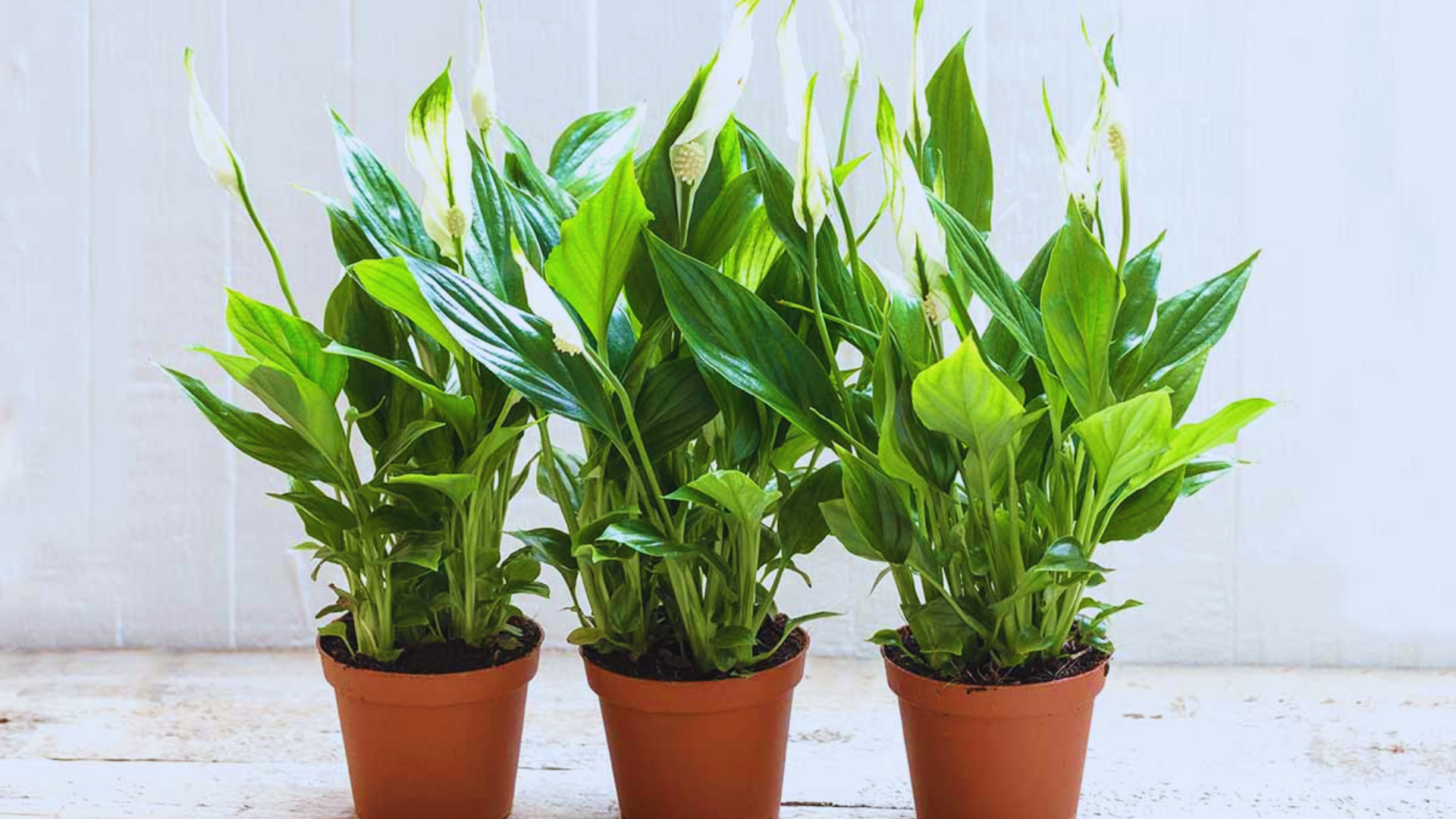
Peace lilies are among the easiest houseplants to keep, but watering them can still be confusing.
When I first got mine, I often wondered whether I was watering it too much or too little. If you feel unsure about watering your plant, you are not alone.
Many people search for how often to water a peace lily because this plant quickly shows signs when something is wrong.
Too much water can damage the roots, while too little water can make the leaves droop and look weak.
In this guide, I will share a simple way to understand your peace lily’s watering needs.
You will learn how often to water it, how to spot signs that it needs water, and what factors affect its watering schedule.
By the end, you will feel more confident caring for your peace lily and keeping it healthy and green.
How Often Should You Water a Peace Lily?
Peace lilies usually need watering about once a week, but the exact timing depends on indoor conditions.
The best way to decide when to water is by checking the soil. When the top inch of soil feels dry to the touch, the plant is ready for water.
This method helps prevent both overwatering and underwatering, which are common problems with houseplants.
Seasonal changes also affect watering needs. During spring and summer, peace lilies may need water every 5 to 7 days because warmer temperatures cause the soil to dry faster.
In fall and winter, watering every 10 to 14 days is often enough, as plant growth slows.
Peace lilies also show clear signs when they need water. The leaves start to droop and look soft. After watering, the leaves usually become firm and upright again within a few hours.
Best Soil and Pot for Peace Lily Watering
The type of soil and pot used for a peace lily can affect how often it needs water. Good drainage is important because the plant does not grow well in soil that stays too wet for long periods.
Peace lilies grow best in light, well-draining potting soil.
A mix made for indoor plants usually works well because it allows water to move through the soil without trapping too much moisture.
Soil that is too dense can hold excess water, increasing the risk of root problems.
The pot also plays an important role. A container with drainage holes allows extra water to flow out after watering. This prevents the roots from sitting in water.
Choosing the right soil and pot helps keep the moisture level balanced and makes watering easier to manage.
Warning Signs Your Peace Lily Needs Water
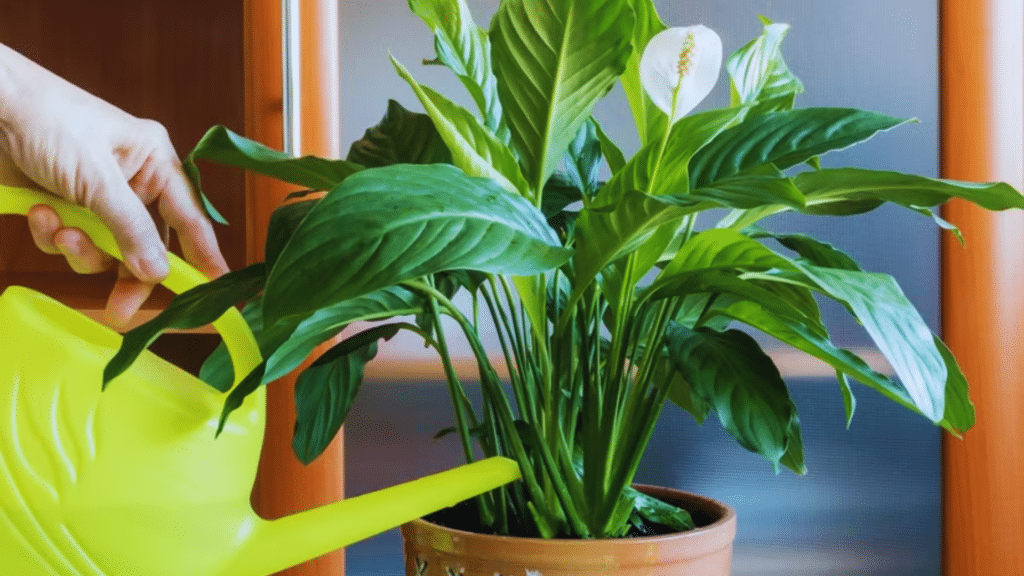
Peace lilies usually show clear signs when they need water. Watching the plant closely helps prevent stress and keeps it healthy. The plant often reacts quickly when the soil becomes too dry.
- Drooping leaves: Leaves begin to bend downward and appear soft or weak. This is usually the first and most noticeable sign of thirst.
- Dry soil surface: The top inch of soil feels dry or crumbly when touched. This means most of the moisture in the soil has already been used.
- Brown leaf tips: The edges of the leaves may start to turn brown or become crispy. This often happens when the plant stays dry for too long.
- Dull leaf color: Leaves may lose their deep green shade and look slightly faded. A lack of water can reduce the plant’s fresh, healthy appearance.
- Lightweight pot: The pot may feel lighter than usual when lifted. Dry soil weighs less because most of the moisture is gone.
- Slower growth: New leaves may stop appearing for a while. The plant slows down its growth when it lacks enough water
Best Watering Schedule for Peace Lily
Peace lilies grow best with a steady watering routine that matches the season and indoor conditions. A simple schedule helps keep the soil slightly moist without making it too wet.
| Season | Watering Frequency | What Happens During This Time |
|---|---|---|
| Spring | Every 6–8 days | The plant starts active growth. New leaves appear, and the plant takes up more water from the soil. |
| Summer | Every 5–7 days | Warm temperatures make the soil dry faster. Plants lose water quickly and need more regular watering. |
| Fall | Every 7–10 days | Growth slows down as temperatures begin to drop. The plant needs slightly less water than in summer. |
| Winter | Every 10–14 days | Cooler temperatures slow plant activity. The soil stays moist longer, so watering is needed less often. |
Checking the top inch of soil before watering helps prevent overwatering and keeps the plant healthy.
How to Water a Peace Lily the Right Way?
Watering a peace lily the right way helps keep the roots healthy and prevents common plant problems. The goal is to keep the soil lightly moist without making it too wet.
Start by checking the soil before watering. When the top inch of soil feels dry, it is time to add water.
Pour water slowly onto the soil until it begins to drain from the bottom of the pot. This ensures the roots receive enough moisture.
Always use a pot with drainage holes. Extra water should drain out so the roots do not sit in standing water.
After watering, empty the tray under the pot if water collects there. Room temperature water works best for peace lilies. Very cold or hot water can stress the plant.
A steady routine and proper drainage help the plant stay healthy and grow well.
How Season and Light Affect Watering?
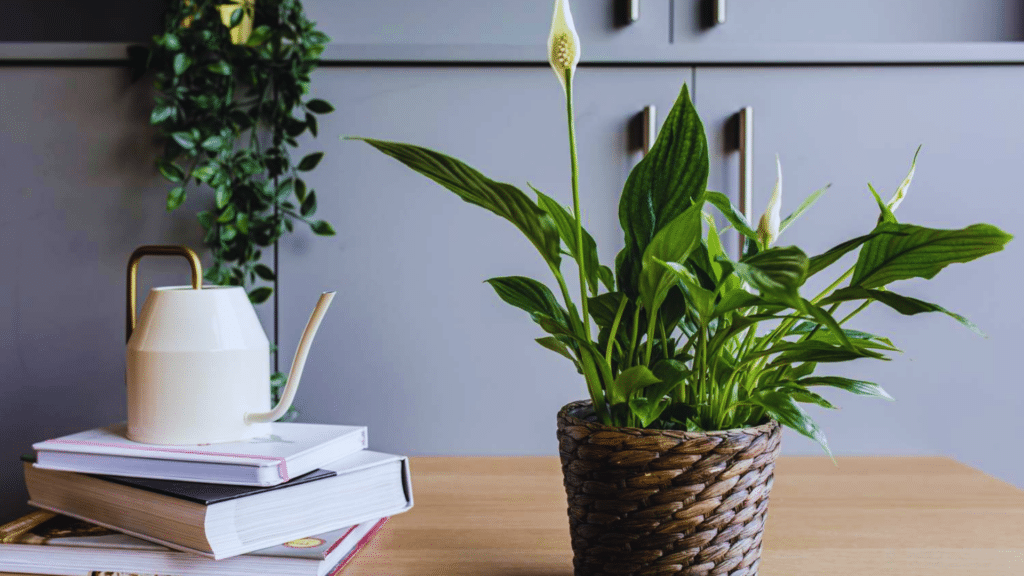
Season and light levels play a big role in how often a peace lily needs water. Changes in temperature and sunlight affect how quickly the soil dries and how much moisture the plant uses.
During spring and summer, peace lilies grow more actively. Warmer temperatures and longer daylight hours cause the soil to dry faster.
Because of this, the plant usually needs water more often during these months.
In fall and winter, plant growth slows down. Cooler indoor temperatures and shorter days reduce the amount of water the plant uses. The soil stays moist longer, so watering is needed less frequently.
Light exposure also affects watering needs. Peace lilies placed in bright, indirect light may dry out faster than those kept in low-light areas.
Checking the soil regularly helps adjust watering based on seasonal and lighting changes.
Common Peace Lily Watering Mistakes to Avoid
Watering mistakes can quickly affect the health of a peace lily. Avoiding a few common errors helps the plant stay strong and prevents root problems.
- Overwatering the plant: Giving it water too often can keep the soil constantly wet. This can lead to root rot and weak plant growth.
- Watering without checking the soil: Watering on a fixed schedule can cause problems. The soil should always be checked first to see if the top inch is dry.
- Letting the plant sit in standing water: Water left in the tray under the pot can damage the roots. Excess water should always be emptied after watering.
- Using pots without drainage holes: Pots without drainage holes trap extra water in the soil. This prevents proper airflow around the roots.
- Allowing soil to stay dry too long: Leaving the soil dry for many days can stress the plant. The leaves may droop, and growth can slow down.
Conclusion
Caring for a peace lily is easier with a clear watering routine. It grows best when the soil stays lightly moist. Check the soil before watering, watch for drooping leaves, and adjust care with the season.
These small habits help the plant stay healthy and keep its leaves green and fresh.
It is also helpful to remember that every home environment is slightly different. Temperature, light, and humidity can all affect how quickly the soil dries.
Paying attention to the plant’s signals often works better than following a strict schedule.
With a little care and a steady routine, peace lilies can grow well for many years.
Share your watering tips or experiences in the comments below. Your advice might help other readers care for their plants more confidently.