

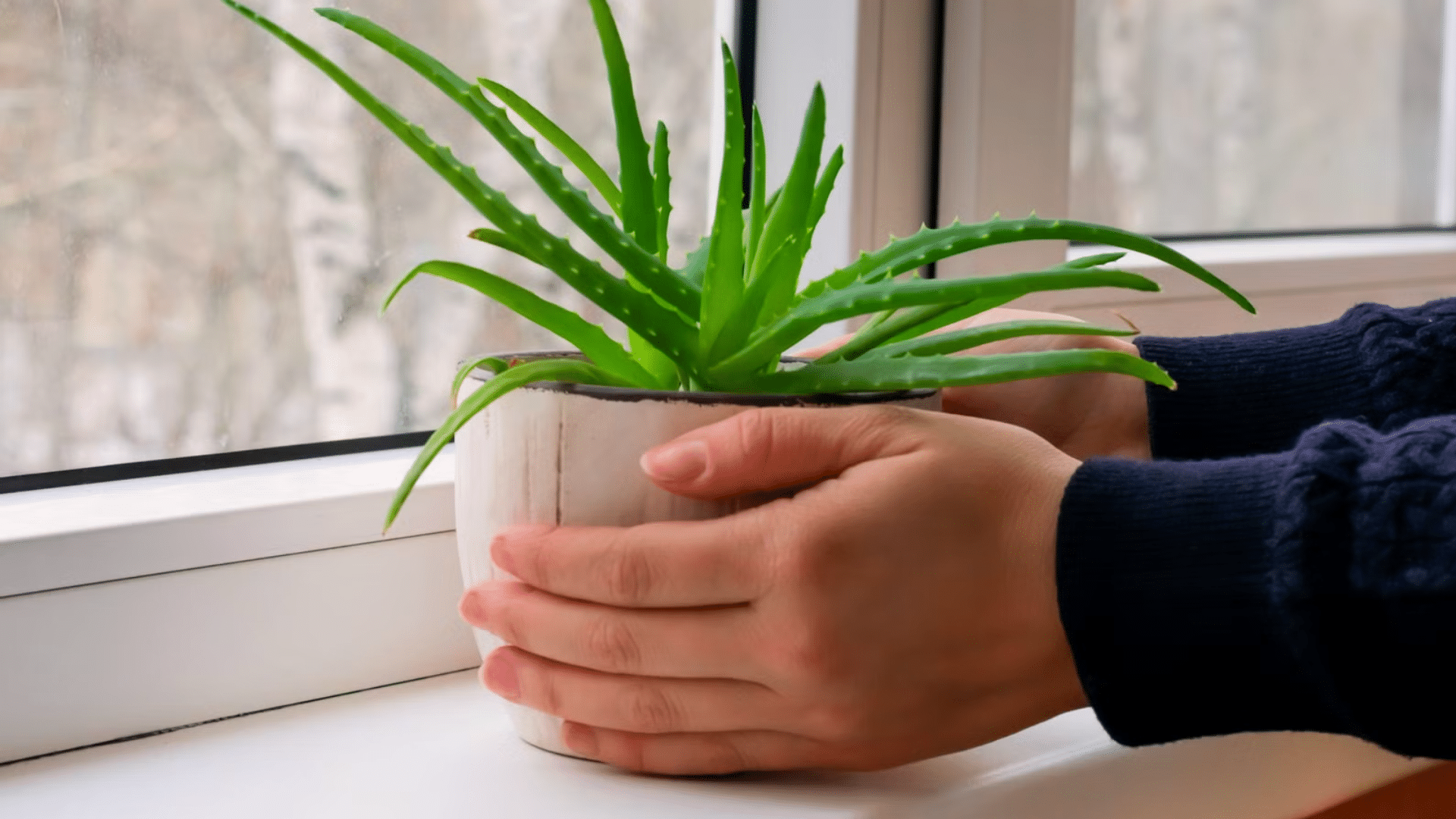
Aloe vera plants are a popular choice for many home gardeners, and it’s easy to see why. These hardy plants are low-maintenance and require minimal care, making them perfect for both beginners and experienced gardeners.
Aloe vera is not only known for its soothing gel, which has many health benefits, but it’s also a great addition to any home.
It grows well in bright light and doesn’t need much water, making it a stress-free plant to grow.
In this article, I’ll share everything you need to know about caring for your aloe vera plant at home, from the best sunlight conditions to watering tips.
By the end, you’ll be ready to keep your aloe healthy and growing with ease.
About Alow Vera Plant
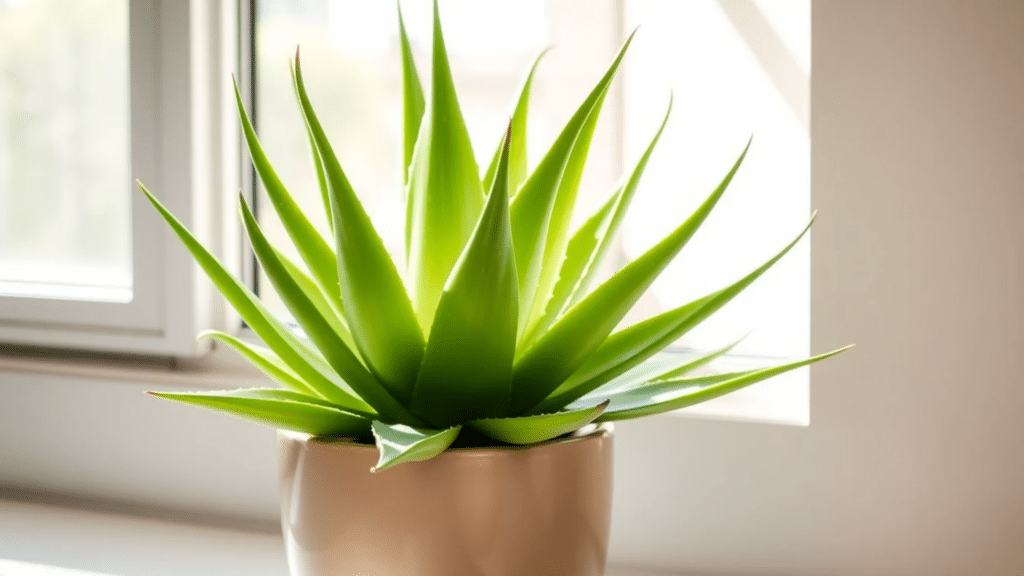
Aloe vera is a popular succulent plant known for its many health benefits and ease of care. This plant is perfect for indoor spaces because it doesn’t need much water or attention to grow well.
Aloe vera is famous for its soothing gel, often used to treat burns and skin irritation.
It’s also a great air purifier, making it a good addition to your home. Growing aloe vera is simple, just make sure it gets plenty of sunlight, and only water it when the soil is dry.
It’s an ideal plant for beginners and anyone looking to add greenery to their home with minimal effort.
Key Specifications at a Glance
- Plant Type: Succulent
- Ideal Temperature: 59-77°F (15-25°C)
- Sunlight Needs: Bright, indirect sunlight
- Watering: Only when the soil is completely dry
- Soil Type: Well-draining cactus or succulent mix
- Maintenance: Low maintenance, perfect for beginners
Why Aloe Vera Makes a Great Indoor Plant?
Aloe Plant Care is easy, making aloe vera a popular choice for indoor gardening. Its beauty and low-maintenance nature allow you to enjoy its benefits with minimal effort.
- Air-Purifying: Aloe vera helps clean the air by absorbing toxins and releasing oxygen, making your home feel fresher.
- Minimal Water Needs: It’s a low-maintenance plant that requires very little watering, making it ideal for busy people.
- Resilient in Various Environments: Aloe vera can grow in a wide range of temperatures and light conditions, adapting well to different indoor spaces.
- Visual Appeal: Its clean, green leaves bring a touch of nature to any room, complementing most decor styles.
- Easy Care: Aloe vera is simple to care for, needing little more than sunlight and occasional watering, perfect for beginners.
How to Care for Your Aloe Vera Plant at Home?

Taking care of your aloe vera plant is simple, and with just a few steps, it can grow for years.
1. Watering Your Aloe Vera Plant
Aloe vera is a drought-tolerant plant, meaning it doesn’t require frequent watering. Only water your aloe vera when the soil is completely dry, usually about once every two to three weeks.
Overwatering is one of the most common mistakes, so always check the soil before watering.
When you water, ensure it’s done deeply, allowing the water to drain from the bottom of the pot.
This prevents water from sitting around the roots, which can lead to rot. In winter, when the plant is not growing actively, reduce watering even further to avoid excess moisture.
2. Providing the Right Amount of Sunlight
Aloe vera plants prefer bright, indirect sunlight. Place your aloe vera near a window that gets lots of light but not direct sun for too long, as this can scorch the leaves.
If your aloe vera is not getting enough light, the plant may become leggy or stretch toward the light source.
To ensure your aloe grows, keep it in a spot where it can receive at least 6 hours of indirect sunlight a day. If natural light is low, use a grow light to keep the plant happy year-round.
3. Choosing the Right Soil
Aloe vera needs well-draining soil to grow. Cactus or succulent mixes are ideal because they allow excess water to pass through, preventing the plant’s roots from sitting in moisture.
If you prefer to make your own mix, combine potting soil with sand or perlite to improve drainage.
The soil should never retain too much water, as this can cause root rot and other issues.
Check for drainage holes in the bottom of the pot to allow any extra water to escape. A dry, loose, well-draining soil is essential for healthy aloe vera growth.
4. Potting and Repotting Aloe Vera
Aloe vera does best in a pot with drainage holes. A ceramic or terracotta pot is a good choice since it allows the soil to dry out more quickly than plastic.
Repot your aloe vera every 1-2 years, especially if the plant has outgrown its current pot.
Choose a slightly larger pot for repotting, ensuring that the plant has enough room to spread its roots.
When repotting, gently loosen the plant from the old pot, and be careful not to damage the roots. After repotting, let the plant settle for a few days before watering to avoid overwatering.
5. Temperature and Humidity Requirements
Aloe vera prefers warm temperatures, usually between 59°F and 77°F (15°C to 25°C).
It can tolerate slightly warmer temperatures, but it should not be exposed to cold drafts or temperatures below 50°F (10°C).
Aloe vera does not need high humidity and prefers dry conditions. If you live in a humid climate, make sure the plant is in a well-ventilated area to keep moisture from collecting around the plant.
Avoid placing the plant in bathrooms or other high-humidity areas unless there’s good airflow.
6. Fertilizing Your Aloe Vera Plant
Aloe vera doesn’t need frequent fertilizing.
During the growing season (spring and summer), feed your plant every 4 to 6 weeks with a diluted, balanced liquid fertilizer.
Avoid over-fertilizing, as this can cause the plant to become weak or leggy. In the fall and winter, when the plant is dormant, skip the fertilizer entirely.
Always make sure the soil is dry before applying fertilizer, as applying it to moist soil can damage the roots.
Common Aloe Vera Problems and How to Fix Them
Aloe Plant Care is easy, but even low-maintenance aloe vera plants can face a few common issues. This is how to identify and solve them.
- Overwatering and Root Rot: Aloe vera can develop root rot from overwatering. Let the soil dry before watering. If root rot occurs, trim rotten roots and repot in fresh, well-draining soil.
- Yellowing Leaves: Yellow leaves often indicate overwatering or insufficient sunlight. Reduce watering and move the plant to a sunnier spot. Trim yellow leaves to encourage healthy growth.
- Leggy Growth: Leggy growth occurs from insufficient light. Move the aloe to a brighter spot with at least 6 hours of indirect sunlight daily.
- Brown or Black Tips: Brown or black tips may be from too much direct sunlight or low humidity. Move the aloe to indirect light and avoid hot, dry areas like near radiators.
- Pests: Aloe vera can attract pests like aphids or mealybugs. If you see tiny insects or white spots, wipe the plant with a damp cloth or use insecticidal soap.
- Leaves Turning Soft or Mushy: Soft or mushy leaves may indicate overwatering or root rot. Let the soil dry, check the roots for rot, and repot with fresh, dry soil if needed.
Seasonal Care for Your Aloe Vera Plant
Proper seasonal care is essential for keeping your aloe vera healthy and growing. Adjusting watering, sunlight, and potting needs throughout the year ensures optimal growth.
| Season | Aloe Vera Plant Care Tips |
| Spring | Increase watering as the plant enters its growing season. Water the soil when it is dry. |
| Ensure your aloe gets plenty of bright, indirect sunlight for at least 6 hours a day. | |
| Summer | Water less frequently, but ensure your aloe receives lots of light. |
| Keep the plant in a cooler spot if temperatures exceed 90°F (32°C) to prevent stress. | |
| Fall | Reduce watering as the plant starts to go dormant. Water only when the soil is completely dry. |
| Keep the plant in a well-lit area, but avoid direct, harsh sunlight. | |
| Winter | Water minimally; allow the soil to dry out for longer periods between watering. |
| Ensure the aloe is kept in a warm area, away from drafts, and with indirect sunlight. |
Maintenance Tips for Growing a Healthy Aloe Vera Plant
Proper maintenance ensures your aloe vera grows and stays in top shape. These are some simple tips for consistent care.
- Check for Pests Regularly: Keep an eye out for pests like aphids or mealybugs. Wipe the leaves with a damp cloth or use insecticidal soap if you notice any signs of pests.
- Repot When Necessary: Aloe vera grows best when it has enough room for its roots. Repot the plant every 1-2 years, especially when it outgrows its current pot. Choose a pot that is slightly larger and has good drainage.
- Trim Dead or Damaged Leaves: Prune off any yellowing or brown leaves to encourage new growth. Use clean scissors or pruning shears to avoid spreading bacteria.
- Ensure Proper Drainage: Make sure the pot has drainage holes to allow excess water to escape. This helps prevent root rot by ensuring the soil doesn’t stay too wet.
- Monitor Soil Moisture: Always check the soil before watering to prevent overwatering. Aloe vera needs dry soil between waterings, so be mindful not to water too frequently.
Conclusion
Caring for an aloe vera plant is easy, making it perfect for both beginners and experienced gardeners.
With just the right amount of sunlight, minimal watering, and well-draining soil, your aloe vera will grow and reward you with its natural beauty and soothing benefits.
If you’re using its gel for skincare or simply enjoying its fresh, green look in your home, this low-maintenance plant is a joy to have around.
Now that you know the basics of aloe vera care, why not start today?
If you’ve grown your own aloe vera, share your experience in the comments below, I’d love to hear how it’s doing in your home!