

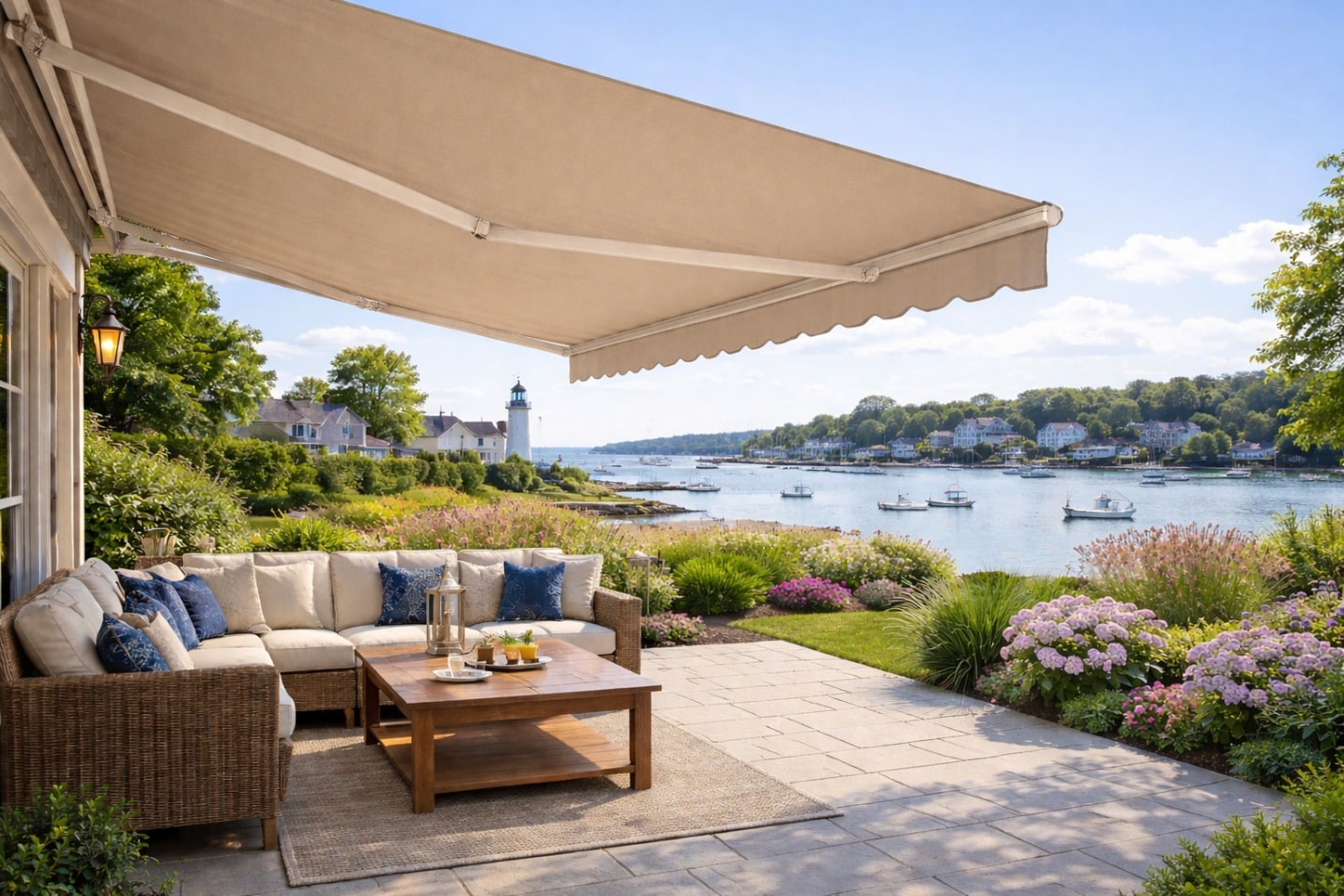
Retractable awnings are one of those outdoor features you don’t fully appreciate until you have one. They provide instant shade, help keep outdoor spaces comfortable, and even reduce heat inside the home. Over time, however, the fabric takes the brunt of sun, wind, and weather.
The good news is that most awnings don’t need to be replaced entirely. In many cases, simply updating the fabric is enough to restore both function and appearance. Choosing the right replacement fabric can make your awning look new again—and help it last for years to come.
Why Awning Fabric Wears Out First
Awning frames are built to last. They’re typically made from aluminum or steel and designed to withstand repeated use. Fabric, on the other hand, is constantly exposed to the elements.
Common causes of fabric wear include:
- Prolonged sun exposure
- Wind stress during extension and retraction
- Moisture, humidity, and condensation
- Environmental debris like pollen and salt air
Over time, this exposure leads to fading, weakened fibers, and stitching that begins to fail. When the fabric no longer performs properly, replacement fabric for retractable awnings is usually the most practical solution.
Replace the Fabric, Not the Awning
Replacing just fabric offers several advantages over buying a brand-new awning system.
It’s typically more affordable, less disruptive, and allows you to keep a frame that’s already proven reliable. It also gives homeowners the opportunity to update colors or patterns and even upgrade to higher-quality materials than the original fabric.
If the frame and arms are in good working condition, fabric replacement is often the smartest choice.
Choosing the Right Fabric for Outdoor Use
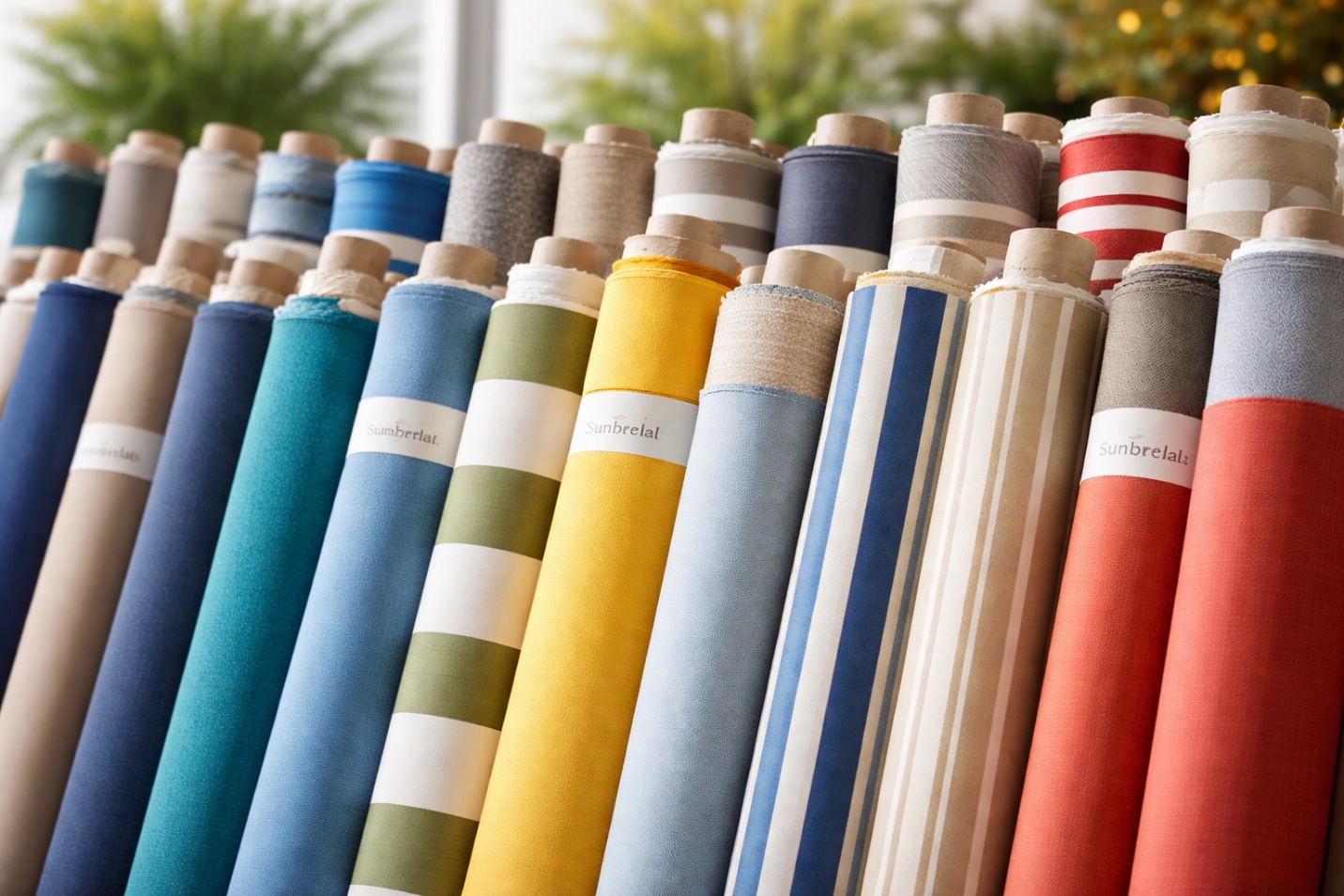
Not all outdoor fabrics are designed to handle the demands of retractable awnings. The most reliable option is solution-dyed acrylic fabric, which is widely used in high-quality awnings.
Because the color is embedded at the fiber level, this type of fabric resists fading far better than surface-dyed alternatives. It also offers breathability, which helps prevent heat buildup beneath the awning.
Well-made acrylic awning fabrics typically provide:
- Strong UV protection
- Excellent color retention
- Resistance to mold and mildew
- Durability during repeated retraction
Lower-grade vinyl or polyester fabrics may cost less initially, but they often fade, crack, or stiffen over time—especially in sunny or coastal environments.
Climate Plays a Bigger Role Than You Might Expect
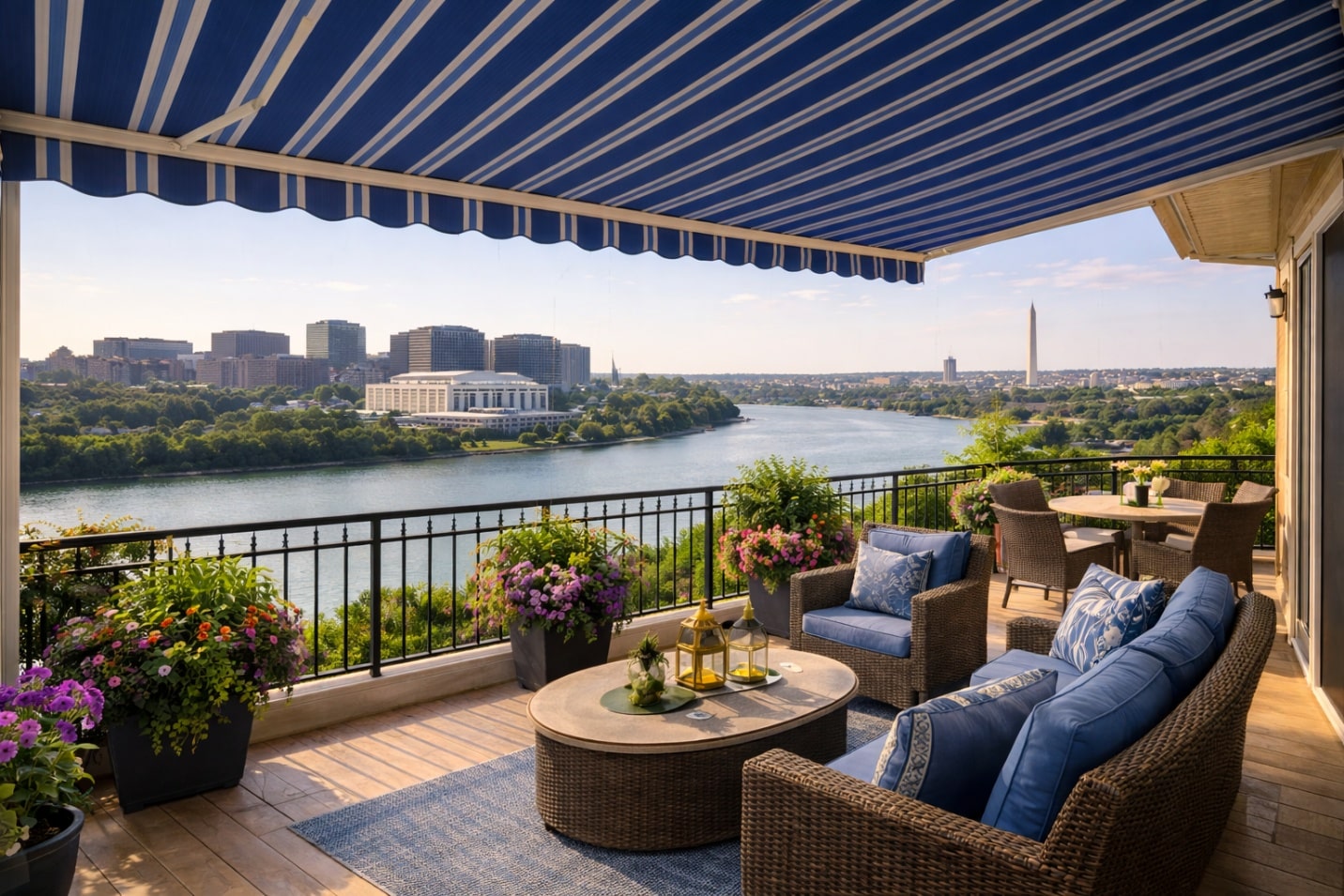
Your location has a major impact on how long awning fabric lasts. In areas with intense sun, UV resistance is critical. Coastal regions require fabric that can handle moisture and salt air, while locations with seasonal weather changes need materials that won’t stretch or shrink.
Homeowners across the U.S. regularly replace awning fabric in states such as:
California, Florida, Texas, North Carolina, South Carolina, Maryland, Virginia, Delaware, Pennsylvania, New Jersey, and Arizona
Choosing fabric designed for outdoor performance helps ensure consistent results, regardless of climate.
Accurate Measuring Makes All the Difference
Replacement awning fabric is custom-made, so accurate measurements are essential. Even small errors can affect how smoothly the awning operates.
Common mistakes include:
- Measuring the old fabric instead of the frame
- Forgetting to account for valances
- Ignoring roller tube diameter
- Misjudging projection depth
Most reputable suppliers provide detailed measuring guides and offer support to help confirm dimensions before production. Taking the time to measure correctly helps avoid delays and ensures a proper fit.
DIY-Friendly, With Help When You Need It
Many homeowners successfully install replacement awning fabric themselves, especially on manual systems. With clear instructions and a second set of hands, installation can be straightforward.
For larger or motorized awnings, professional help may be a better option. Some suppliers also offer phone or video support during installation, making the process easier for DIY projects.
Nationwide Shipping Makes Replacement Simple
One of the biggest advantages of ordering replacement fabric today is accessibility. Custom awning fabric can be shipped nationwide, allowing homeowners to restore their awnings without relying solely on local installers.
This makes high-quality replacement fabric available to homeowners across the country, whether they live in coastal, desert, or suburban areas.
When Is It Time to Replace Your Awning Fabric?
If you’re unsure whether replacement is needed, a few signs can help you decide:
- Fabric looks noticeably faded or uneven in color
- Seams or stitching are fraying
- The awning no longer rolls smoothly
- Mold or mildew won’t clean off
Replacing fabric early can help protect the awning’s mechanical components and extend the life of the entire system.
Final Thoughts
A retractable awning is an investment in outdoor comfort. When the fabric begins to wear, replacement is often the easiest and most cost-effective way to restore its performance.
By choosing quality materials, measuring carefully, and working with an experienced supplier, homeowners can enjoy reliable shade and a refreshed outdoor space for years to come.